 By Bread Styles Team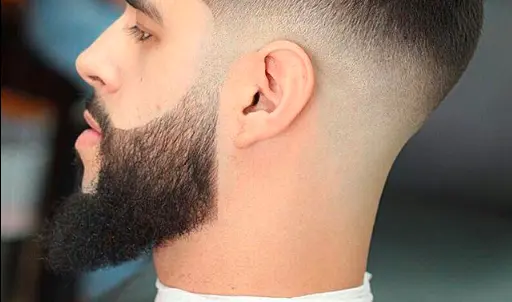
Table of Contents
What Is a Mid Fade with Beard? {#what-is-a-mid-fade-with-beard}
A mid fade with beard is a haircut where the fade starts around the middle of the side of the head, roughly level with the temple, and blends down into skin near the ear, paired with a beard that connects into the fade line. It sits between a low fade and a high fade, giving noticeably more contrast than a low fade while staying easier to manage than a high one.
Barbers often recommend it as the middle ground for guys who want their haircut to stand out a bit more than a subtle low fade, without committing to the sharper upkeep a high fade demands. Paired with a well-shaped beard, a mid fade beard combo tends to look deliberate and current rather than trend-chasing.
How a Mid Fade Beard Differs From Low and High Fades {#differences}
A mid fade with beard starts higher than a low fade but lower than a high fade, typically level with the temple. This gives it more visible contrast between the skin and hair than a low fade, while still leaving more length on the sides than a high fade.
| Fade Type | Starting Point | Contrast Level | Maintenance |
| Low Fade | Just above the ear | Subtle | Every 3–4 weeks |
| Mid Fade | Around temple height | Moderate | Every 2–3 weeks |
| High Fade | Near the top of the head | Bold | Every 2 weeks |
If subtlety matters more to you than contrast, it’s worth comparing this against a <a href=”https://beardstyles.net/low-fade-with-beard/”>low fade with beard</a> before booking, since the two look quite different once the hair grows out.
Pros and Cons of a Mid Fade with Beard {#pros-and-cons}
Pros:
- Offers more definition and contrast than a low fade, without the aggressive upkeep of a high fade
- Works with most hair types, from straight to coily
- Frames the face well, especially when paired with a shaped beard
- Grows out more gracefully than a high fade, buying an extra week or two between cuts
Cons:
- Needs more frequent trims than a low fade to keep the line crisp
- Can look uneven if the barber doesn’t blend the fade smoothly into the beard
- Less forgiving on very fine or thinning hair, where the contrast can draw attention to thinner areas
- Requires a slightly more skilled barber than a basic low fade, since the blending zone is more visible
Best Mid Fade Beard Combinations to Try {#combinations}
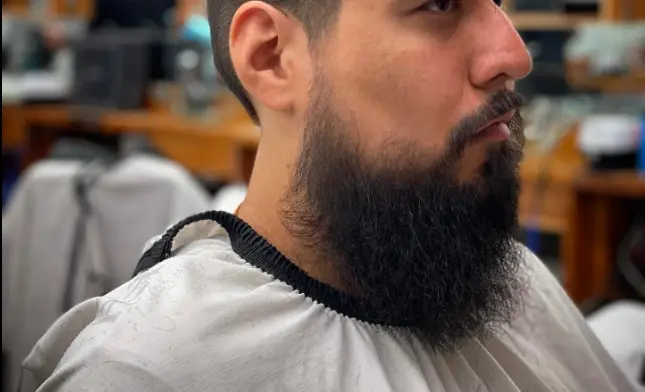
Mid Fade with Full Beard
A dense, well-shaped beard against a mid fade creates strong contrast between the top and bottom of the head, giving a bold but still tidy finish. This pairing works especially well with defined shaping along the <a href=”https://beardstyles.net/beard-cheek-line/”>cheek line</a> and <a href=”https://beardstyles.net/beard-neckline/”>neckline</a>, which keeps the beard looking as sharp as the fade.
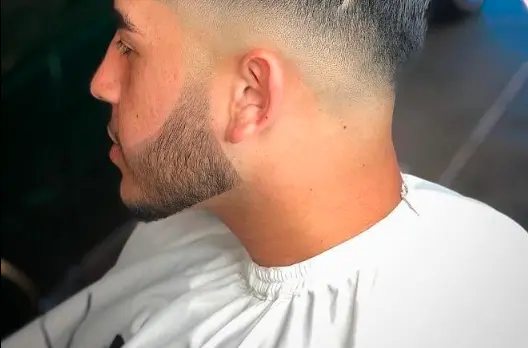
Mid Fade with Medium Beard
For guys who want structure without the density of a full beard, a medium length beard balances the mid fade nicely. It’s one of the more adaptable options among <a href=”https://beardstyles.net/medium-beard-styles/”>medium beard styles</a>, since it holds shape well without needing daily styling.
Mid Fade with Goatee
Dropping the cheek hair and focusing growth around the chin and mustache creates a sharper, more angular look that suits guys who want definition without a full beard’s bulk.
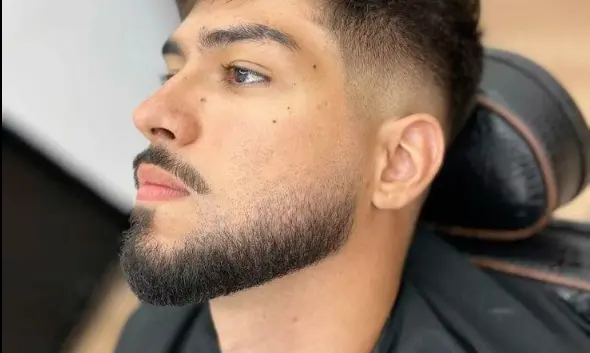
Mid Fade with Stubble
Heavy stubble against a mid fade gives texture and a slightly rugged edge while staying low-effort day to day. The <a href=”https://beardstyles.net/stubble-beard/”>stubble beard guide</a> covers the exact lengths that read as intentional rather than unshaven.
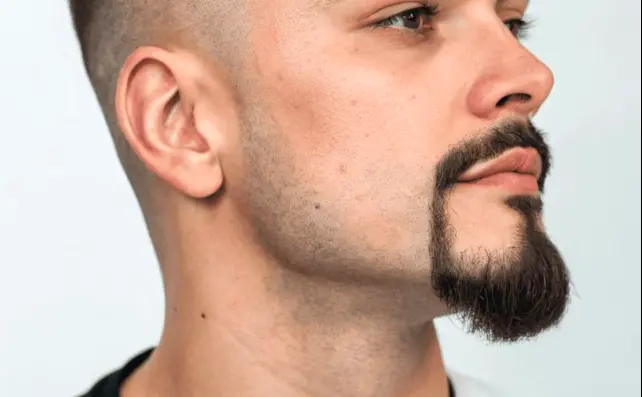
Mid Fade with Line Up
Adding a crisp line up along the hairline and beard edge sharpens the whole look further. It’s a popular combination among <a href=”https://beardstyles.net/beard-styles-with-fade/”>beard styles with fade</a> for guys who want a barbershop-fresh finish that lasts a full two weeks.
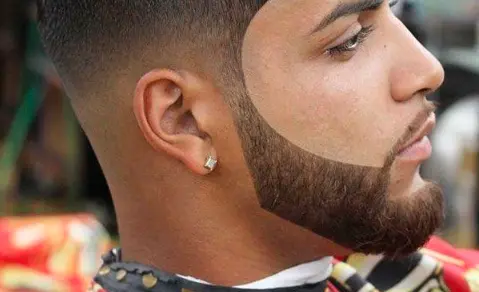
Choosing a Mid Fade Haircut by Face Shape {#face-shape}
The beard length you pair with a mid fade haircut should be chosen based on your face shape, since the added contrast on the sides draws more attention to the jawline than a low fade does.
| Face Shape | Recommended Beard Length | Why |
| Round | Medium to full, angled at the jaw | Adds length and reduces roundness |
| Square | Short to medium, softened edges | Fade highlights the jaw without over-sharpening it |
| Oval | Flexible, most lengths work | Naturally balanced proportions |
| Diamond | Fuller at the jaw | Balances a narrower chin against wider cheekbones |
| Oblong | Fuller through the sides | Adds width instead of extra length |
| Triangle | Fuller through the jaw and cheeks | Balances a narrower jaw |
Anyone unsure where they land should check the dedicated guides for the <a href=”https://beardstyles.net/best-beard-for-square-face/”>best beard for a square face</a>, <a href=”https://beardstyles.net/best-beard-for-diamond-face/”>best beard for a diamond face</a>, or <a href=”https://beardstyles.net/best-beard-for-oblong-face/”>best beard for an oblong face</a> before deciding on beard length.
Mid Fade Beard and Hair Texture: What Works Best {#hair-texture}
- Straight hair shows the fade line most clearly, giving the sharpest contrast against the beard.
- Wavy hair blends a little softer, so the transition between skin and hair looks more textured than razor-sharp.
- Curly hair pairs well with a mid fade because the added height in the fade balances the volume left on top.
- Coily hair tends to hold a mid fade beautifully, since the tight curl pattern creates natural contrast against the faded sides without needing extra styling.
Thinner or fine hair is the one texture where a mid fade beard combo needs more thought, since the added contrast can make thinning areas more noticeable. In that case, a barber can taper the fade slightly softer to reduce the contrast.
Getting a Mid Fade with Beard at the Barber {#at-the-barber}
- Specify the fade height clearly. Say “mid fade,” and point to roughly temple height if you have a photo reference, since “mid” is interpreted differently between barbers.
- Discuss the blend into the beard. Decide whether you want a seamless connection or a slight visible step between the fade and the beard.
- Talk through beard length and shape. Reference the face shape table above so the barber can angle the jawline shaping to suit you.
- Ask about guard numbers. Knowing what guards were used on both the fade and the beard makes home maintenance between visits far easier.
- Check the finish before you leave. Run a hand along the fade line and beard connection to make sure there’s no visible gap or unevenness.
Maintenance Schedule for a Mid Fade Beard {#maintenance}
A mid fade beard needs a slightly tighter routine than a low fade, mostly because the fade line is more visible when it starts to grow out.
Weekly:
- Trim the beard’s neckline and cheek line every 5–7 days to keep the shape clean
- Wash the beard 2–3 times a week with a proper <a href=”https://beardstyles.net/beard-wash/”>beard wash</a> rather than regular soap
- Apply <a href=”https://beardstyles.net/beard-oil/”>beard oil</a> daily, especially where the fade meets the beard and skin is more exposed
Every 2–3 weeks:
- Book a fresh fade appointment, since a mid fade grows out and loses definition faster than a low fade
- Check that the beard length is still proportional to the fade, trimming down if it’s started to overpower the cut
For step-by-step guidance on trimming safely between barber visits, the <a href=”https://beardstyles.net/how-to-trim-a-beard/”>how to trim a beard</a> guide and general <a href=”https://beardstyles.net/beard-care-guide/”>beard care guide</a> both cover techniques in more depth.
Common Myths About Mid Fade Beards {#myths}
Myth: A mid fade only works with a full, thick beard. Not true. Stubble, goatees, and medium beards all pair well with a mid fade — the key is proportion, not density.
Myth: A mid fade needs a completely different beard shape than a low fade. The underlying beard shaping principles stay the same. What changes is how much contrast draws attention to that shaping, which is why clean lines matter more here.
Myth: Patchy beards can’t work with a mid fade. A mid fade can actually help a patchy beard look more intentional by drawing the eye to the haircut first. Anyone dealing with uneven growth should also look at the dedicated <a href=”https://beardstyles.net/patchy-beard/”>patchy beard guide</a> for shaping tricks that minimize gaps.
Myth: Once you get a mid fade, you’re locked into short hair on top. A mid fade only affects the sides. Hair on top can stay short, medium, or long depending on your preference.
Mistakes That Ruin a Mid Fade with Beard {#mistakes}
- Waiting too long between fade appointments. A mid fade grows out faster than a low fade, and letting it go past three weeks usually means losing the contrast that makes it worth getting in the first place.
- Neglecting the connection point. If the fade and beard aren’t blended properly, you end up with a visible strip of longer hair between the sideburn and beard.
- Skipping skin care underneath. Tight fades and close trims near the jawline can cause irritation. The American Academy of Dermatology recommends trimming in the direction of hair growth to help prevent ingrown hairs.
- Choosing beard shape without checking face shape. A beard length that flatters one face shape can look disproportionate on another once the fade adds contrast.
- Overusing styling product. Heavy beard balm can make the beard look bulky against a sharply faded side, throwing off the balance of the whole look.
Who Should Get a Mid Fade with Beard {#who-should-get-one}
Best age groups: A mid fade with beard suits a wide range of ages, from younger guys wanting a sharper, more current look to men in their 30s and 40s who want more definition than a low fade without going as bold as a high fade.
Best occasions: It works well for everyday wear, casual social settings, and most workplaces, though very formal or conservative office environments may lean toward the subtler contrast of a low fade instead — worth checking the <a href=”https://beardstyles.net/professional-beard-styles/”>professional beard styles</a> guide if that’s a concern.
Best hair types: Straight, wavy, curly, and coily hair all take a mid fade well. Fine or thinning hair is the one exception where a softer taper may suit better than a sharp mid fade line.
Product Checklist for Mid Fade Beard Maintenance {#products}
- Trimmer with multiple guards: Essential for maintaining the beard neckline and cheek line between barber visits — a solid <a href=”https://beardstyles.net/beard-trimmer/”>beard trimmer</a> makes this far easier.
- Beard oil: Keeps the skin comfortable where the fade meets the beard.
- Beard balm: Useful for holding shape on fuller beard lengths without adding excess grease.
- Beard shampoo: A dedicated <a href=”https://beardstyles.net/beard-shampoo/”>beard shampoo</a> keeps the beard clean without drying it out the way regular shampoo can.
A short, consistent routine using two or three products regularly will keep a mid fade beard combo looking sharp far longer than an inconsistent one with more products.
Realistic Expectations Before You Commit {#realistic-expectations}
A mid fade with beard looks its best in the first one to two weeks after a cut, then starts to soften as the fade grows out. This isn’t a flaw in the style — it’s how all fades behave — but it’s worth planning barber visits around that timeline rather than expecting the sharp, fresh look to last a full month.
It’s also worth being upfront with a barber about your natural hair growth speed and beard density, since both affect how quickly the style needs a refresh. Guys with fast-growing hair may need appointments closer to the two-week mark, while slower growers can often stretch to three.
Final Thoughts {#final-thoughts}
A mid fade with beard hits a practical middle ground — more contrast and definition than a low fade, without the tighter upkeep a high fade demands. It suits a wide range of face shapes and hair textures, and with a barber who blends the fade and beard properly, it holds its shape well between visits. Getting the most out of a mid fade beard combo really comes down to picking a beard length that matches your face shape and sticking to a maintenance routine that keeps the fade line from softening too much.
FAQs {#faqs}
What is a mid fade with beard?
A mid fade with beard is a haircut where the fade starts around temple height and blends into a shaped beard, offering more contrast than a low fade and less than a high fade.
How often should you get a mid fade with beard trimmed?
The fade typically needs a refresh every 2–3 weeks, while the beard’s neckline and cheek line should be cleaned up weekly.
Is a mid fade with beard good for round faces?
Yes, especially when the beard is kept fuller and angled at the jaw to add length and reduce roundness.
Does a mid fade beard work with curly hair?
Yes. Curly hair pairs well with a mid fade because the added contrast on the sides balances the volume left on top.
What’s the difference between a mid fade and a low fade with beard?
A mid fade starts higher, around temple height, and creates more visible contrast, while a low fade starts closer to the ear for a subtler look.
Can I maintain a mid fade with beard at home?
Beard trimming and shaping can be done at home with a good trimmer, but the fade itself is best kept up by a barber for a clean blend.
What beard length works best with a mid fade haircut?
Most lengths work well, though medium to full beards tend to balance the added contrast of a mid fade most naturally.
Is a mid fade with beard appropriate for the office?
Generally yes, though very formal workplaces may prefer the subtler look of a low fade over the bolder contrast of a mid fade.
Does a mid fade with beard suit thinning hair?
It can be trickier, since the contrast draws attention to thinner areas. A softer taper is usually a better fit than a sharp mid fade line.
How long does it take to grow a beard for a mid fade combo?
Most men need 4–8 weeks of growth to have enough length for a barber to shape into a clean beard line, depending on natural growth speed.
What should I say to my barber for a mid fade with beard?
Ask for “mid fade,” point to temple height as the starting line, and specify how connected you want the fade to be to the beard.
Can a mid fade with beard cause skin irritation?
It can if the skin isn’t cared for properly. Regular beard oil and trimming in the direction of hair growth help reduce irritation and ingrown hairs.
Is a mid fade with beard more maintenance than a low fade?
Yes, slightly. It typically needs trims every 2–3 weeks compared to every 3–4 weeks for a low fade.
Does a mid fade beard work for teenagers?
Yes, as long as facial hair growth is developed enough to shape into a clean line rather than looking patchy.
What face shapes suit a mid fade with beard the most?
Oval and diamond face shapes tend to suit it most naturally, though round, square, and oblong faces can all work well with the right beard length.