 By Bread Styles Team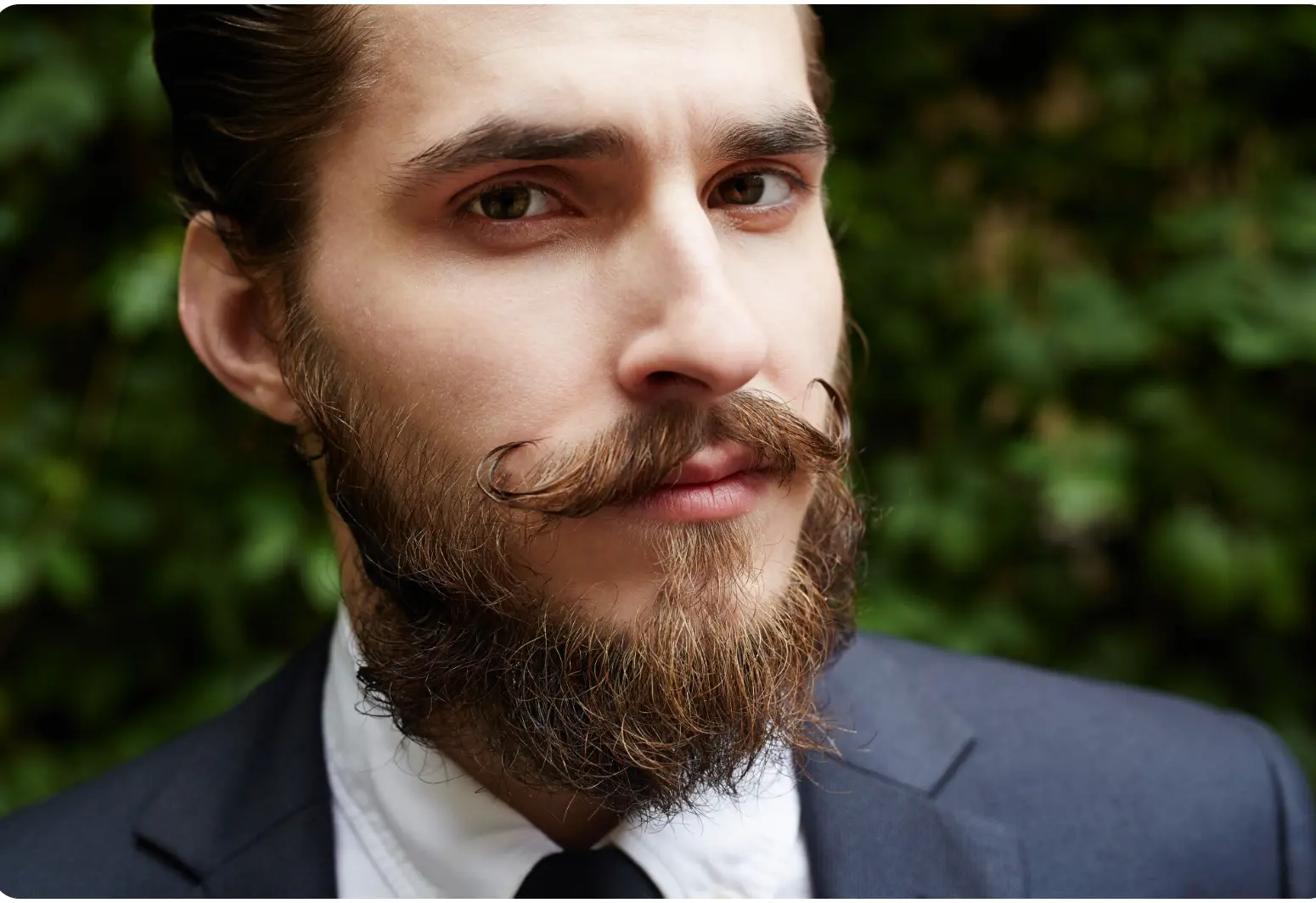
If you’ve ever stood in front of a mirror, razor in hand, wondering whether you should keep growing or just shave it all off, you’re not alone. Most guys go through at least one “beard identity crisis” before they find a style that actually works for their face, their job, and their patience level.
Here’s the thing nobody tells you at the barbershop: there isn’t one “best” beard. There are dozens of types of beard styles, and the right one depends on your face shape, how your hair grows, how much upkeep you’re willing to do, and even your profession. A ducktail beard that looks sharp on a long face can look bulky on a round one. A full beard that takes a lawyer from “law student” to “senior partner” might read as unkempt on someone in a corporate sales role.
In this guide, we’re going to walk through every major type of beard style — from light stubble to full Garibaldi beards — and break down exactly who each one suits, how hard it is to maintain, and the mistakes most beginners make when growing it. Think of this as the beard style chart you wish someone had handed you years ago.
By the end, you’ll know:
- The names and definitions of all the popular beard types
- Which types of beard styles suit your specific face shape
- How long each style takes to grow and how to maintain it
- What barbers actually recommend (and what they wish you’d stop doing)
- The tools you need for upkeep — trimmers, combs, balms, and oils
Let’s get into it.
Table of Contents
1. How to Choose the Right Beard Style for Your Face
Before you pick a style off a chart, you need three pieces of information about yourself: your face shape, your hair growth pattern, and your lifestyle.
Face shape determines proportion. A beard’s job is often to balance your face — adding width where it’s narrow, adding length where it’s short, and softening sharp angles or strengthening a weak jawline.
Hair growth pattern determines what’s realistic. Some men grow thick, even hair on the cheeks and patchy hair on the chin. Others grow a strong jawline beard but barely any mustache. A skilled barber will tell you to work with your growth pattern, not against it.
Lifestyle and profession determine maintenance level. A full, untamed beard might be a great look for a creative freelancer but could raise eyebrows in a conservative corporate office. Be honest with yourself about how much daily grooming time you actually have.
Quick Self-Check Before You Commit
- Look at old photos — how thick was your beard at 3 months without shaping?
- Check for patchy zones along the cheeks or under the lower lip
- Consider your workplace dress code
- Be honest about how often you’ll actually trim and oil it
2. Types of Beard Styles by Face Shape (Quick Reference Chart)
| Face Shape | Goal | Recommended Types of Beard Styles | Avoid |
| Round | Add length, sharpen jaw | Goatee, Extended Goatee, Anchor Beard | Full rounded beard, mutton chops |
| Square | Soften angles | Short Boxed Beard, Stubble | Anchor beard (adds more angles) |
| Long/Oval | Add width, avoid extra length | Full Beard, Bushy Beard, Mutton Chops | Long Garibaldi, Verdi beard |
| Diamond | Balance narrow chin and forehead | Van Dyke, Balbo | Thin chinstrap |
| Heart | Add width at jawline | Full Beard, Boxed Beard | Goatee (too narrow) |
| Triangle | Balance wider jaw | Medium Full Beard, Ducktail | Anchor beard |
This chart is a starting point, not a rulebook — your barber should always fine-tune based on how your facial hair actually grows in.
3. Short Beard Styles
Short types of beard styles are the most beginner-friendly category. They require less daily care, work well with most professions, and forgive patchy growth more easily than long beards.
Stubble (Light & Heavy)
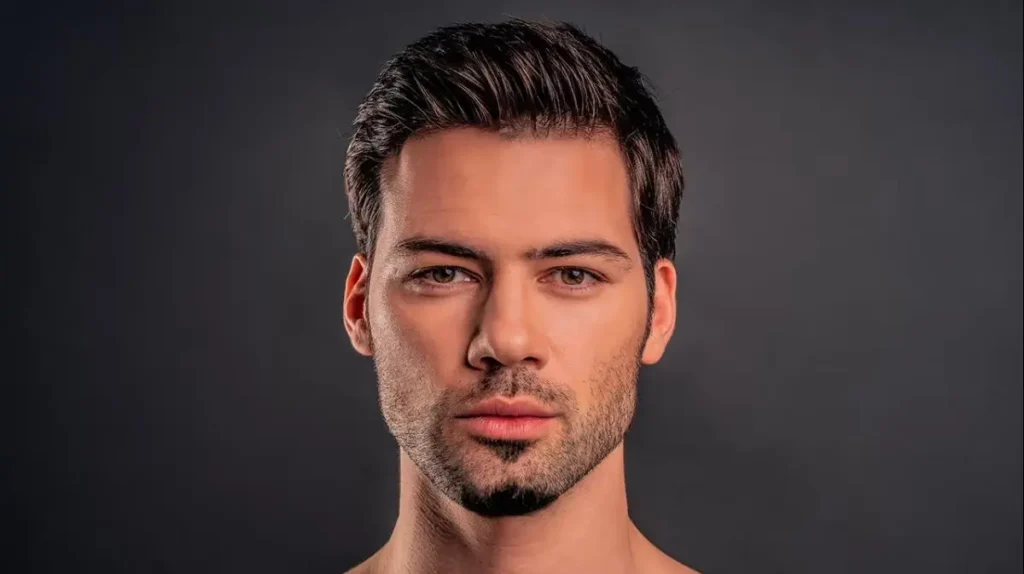
Stubble is facial hair grown for roughly 2–5 days. It’s split into:
- Light stubble — 1–3 days of growth, barely visible shadow
- Heavy stubble — 4–5 days, more defined but still short
Best for: Almost every face shape and most professional settings. Maintenance level: Low — a stubble trimmer with a guard does the job. Who should avoid it: Men with very patchy or blotchy growth zones, since short hair makes patches more visible than longer hair would.
Short Boxed Beard
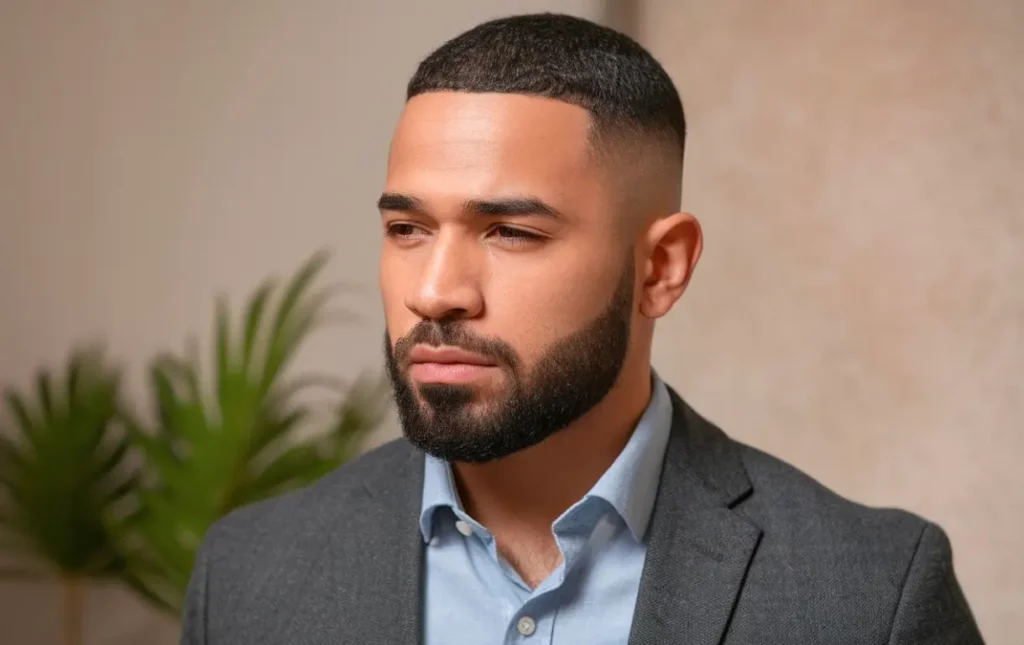
A short boxed beard has clean, defined lines along the cheeks and neckline, kept to roughly half an inch in length. It’s the “business casual” of types of beard styles.
Best for: Square, oval, and round face shapes. Maintenance level: Medium — needs weekly line-ups. Barber tip: Define your neckline just above the Adam’s apple, never higher, or the beard will look unnaturally short from the side.
Corporate Beard
This is essentially a tightly trimmed boxed beard kept under half an inch, designed to look intentional and professional rather than rugged.
Best for: Office environments, client-facing roles, conservative industries. Maintenance level: Medium-high — needs frequent trimming to stay neat.

4. Medium Beard Styles
Medium beards usually fall between one and three months of growth. This is where most “everyday” beard styles live.
Full Beard (Classic)
The full beard covers the cheeks, chin, and jawline evenly, blending into a mustache. It’s the most requested style at barbershops worldwide.
Best for: Oval, diamond, and heart-shaped faces. Maintenance level: Medium — needs daily brushing and weekly shaping. Pros: Versatile, masculine, hides minor jaw asymmetry. Cons: Can look bulky on round or already-full faces; itchy during the first 2–4 weeks.

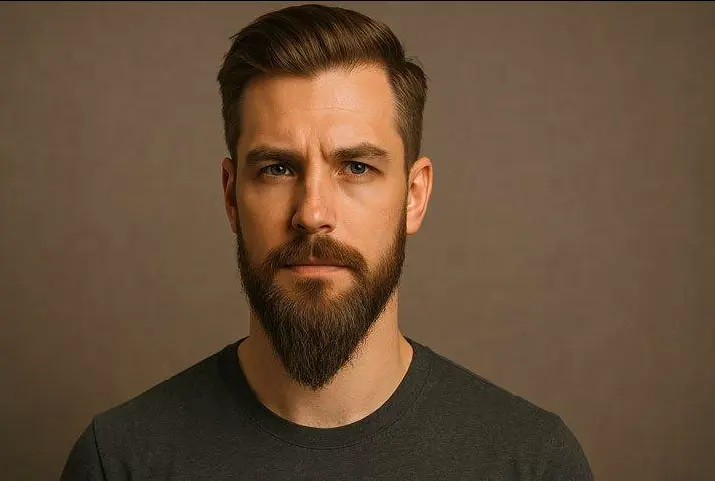
Ducktail Beard
The ducktail beard tapers to a slight point at the chin, mimicking the shape of a duck’s tail. Lengths can vary, but the defining feature is the pointed taper.
Best for: Long and oval faces (it elongates further, so be cautious if your face is already long). Maintenance level: Medium-high — needs regular trimming to maintain the taper shape. Common mistake: Letting the point grow too sharp, which can look costume-like rather than natural.
Bushy Beard
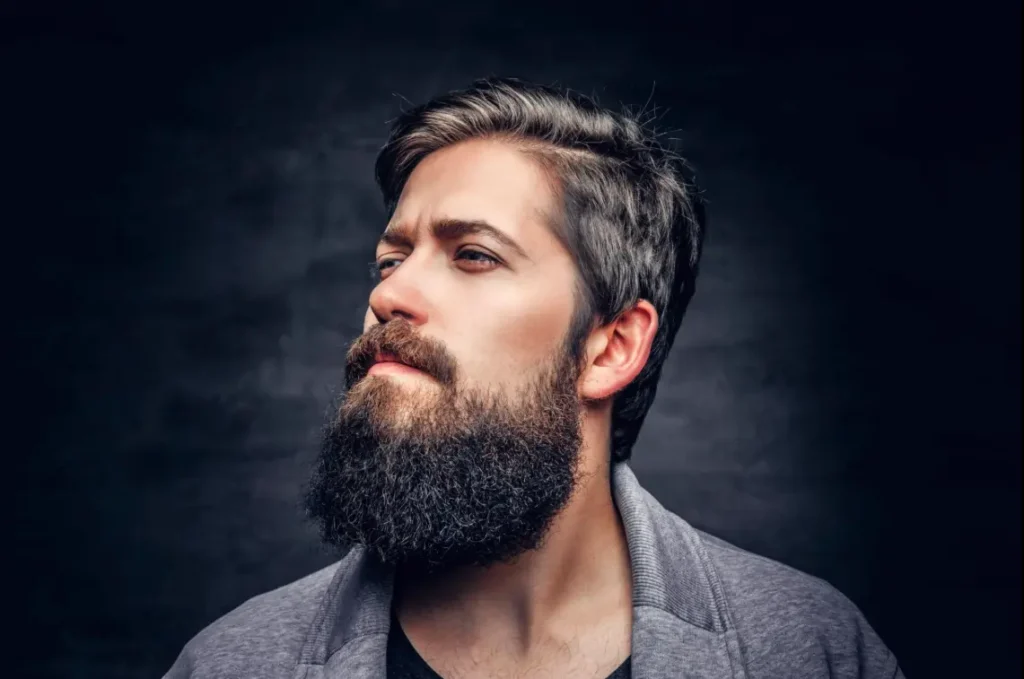
A bushy beard is fuller and less structured than a classic full beard, with minimal shaping and a “natural” appearance.
Best for: Long or narrow faces that benefit from added width. Maintenance level: Low-shaping but high-care — needs conditioning to avoid frizz and tangles.
5. Long Beard Styles
Long beards typically take four months or more to grow and require the most discipline.
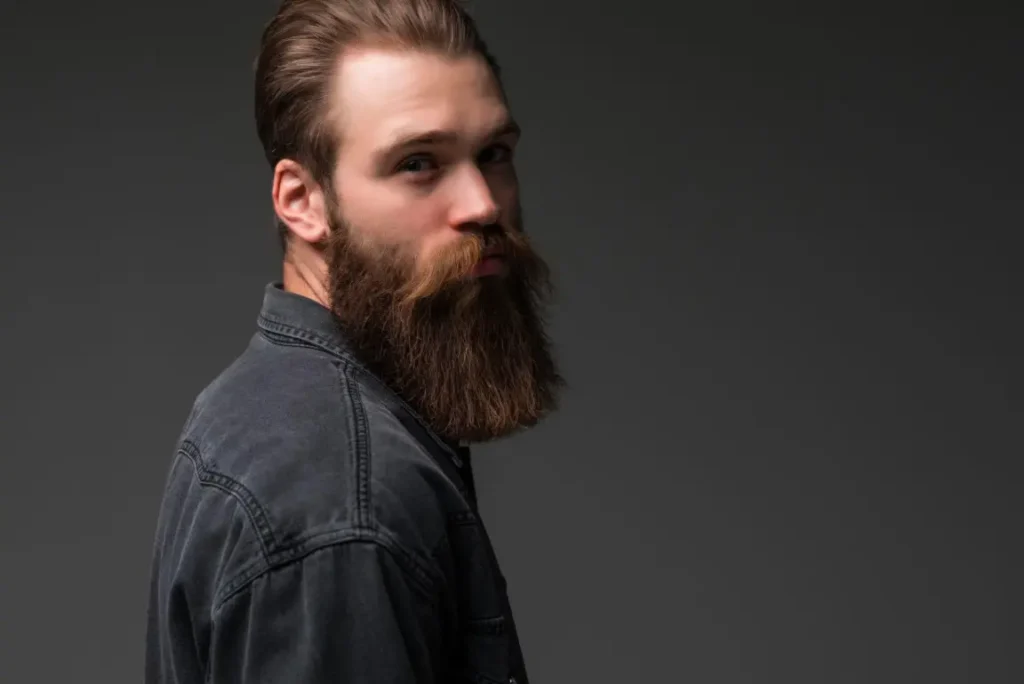
Garibaldi Beard
A rounded, full, voluminous beard reaching 4–6 inches, named after Italian general Giuseppe Garibaldi.
Best for: Square and oval faces with strong jawlines. Maintenance level: High — daily brushing, regular conditioning, monthly trims to maintain shape. Realistic expectation: Expect 4–6 months of growth before it looks intentional rather than unkempt.
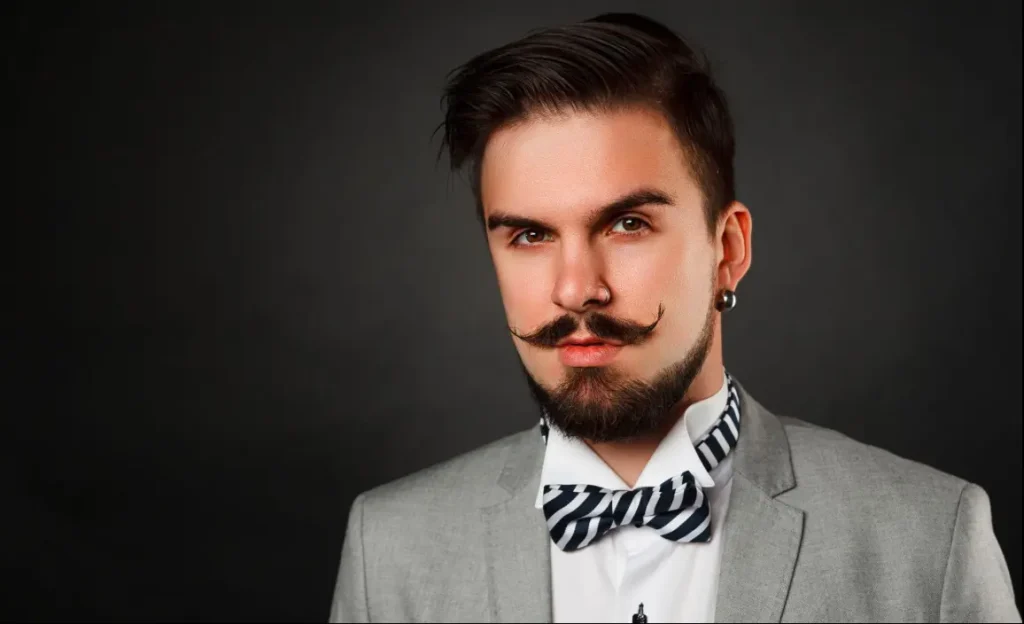
Verdi Beard
Similar to the Garibaldi but more rounded at the bottom and typically paired with a well-groomed, slightly upturned mustache.
Best for: Round, full faces that can carry extra volume. Maintenance level: High — needs beard oil and balm to prevent dryness at length.
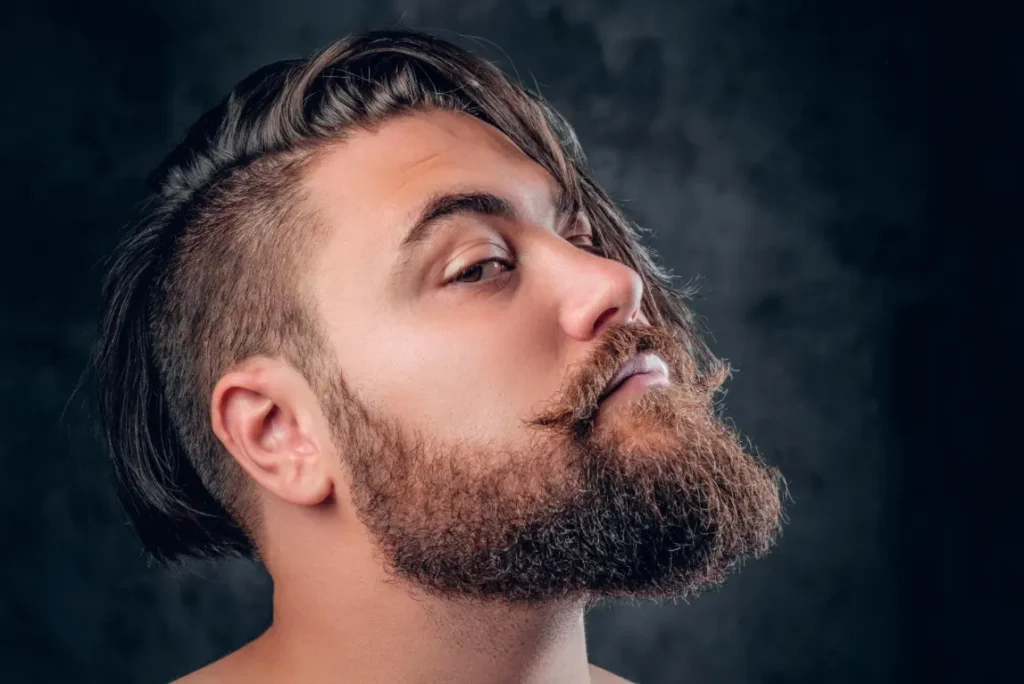
Hipster Beard
A long, often slightly unstructured beard usually paired with a man-bun or undercut hairstyle. Lines are softer than a Garibaldi’s.
Best for: Most face shapes, since the casual structure is forgiving. Maintenance level: Medium — focuses more on conditioning than precise lines.
6. Beard Styles With Connected Mustaches
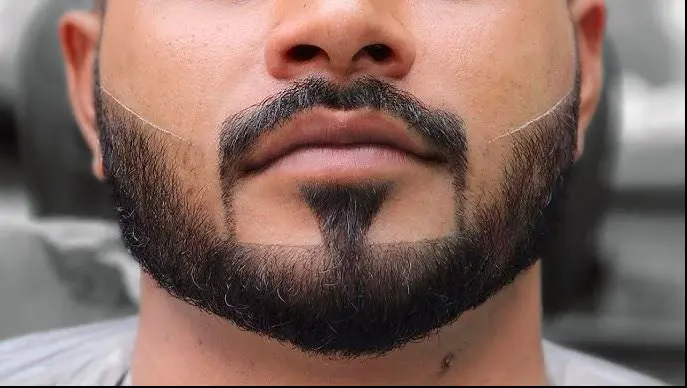
Anchor Beard
A pointed beard along the jawline connected to a mustache, forming a shape resembling a ship’s anchor. Sharp, defined lines are essential.
Best for: Round and oval faces — the angular lines add definition. Avoid if: You have a square or angular face already; this style adds more sharp lines than most square faces need. Maintenance level: High — needs frequent edging with a trimmer.
Balbo Beard
A beard without sideburns, floating slightly above the jawline, paired with a mustache not connected to the beard.
Best for: Diamond and round faces — it elongates the chin area. Maintenance level: High — requires very precise trimming since the disconnected sections need constant upkeep.
7. Mustache-Focused Facial Hair Styles
Not every “beard style” is actually about the beard — several popular facial hair styles are mustache-led.
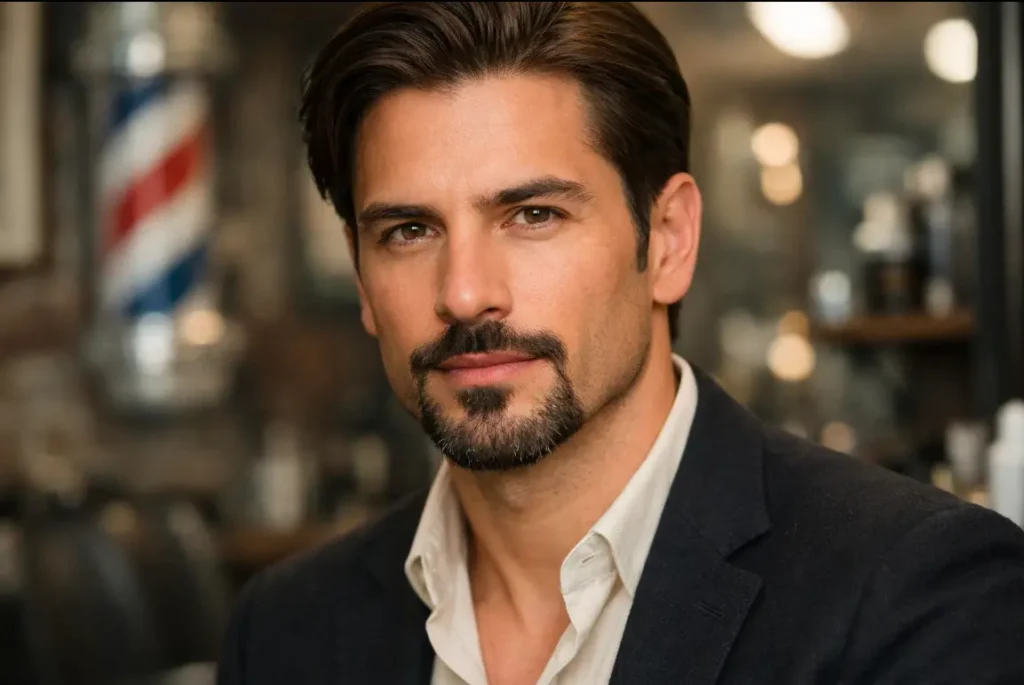
Van Dyke
A pointed goatee combined with a disconnected mustache, leaving the cheeks clean-shaven.
Best for: Diamond and oval faces. Maintenance level: High — requires daily shaving of the cheeks to keep it sharp.
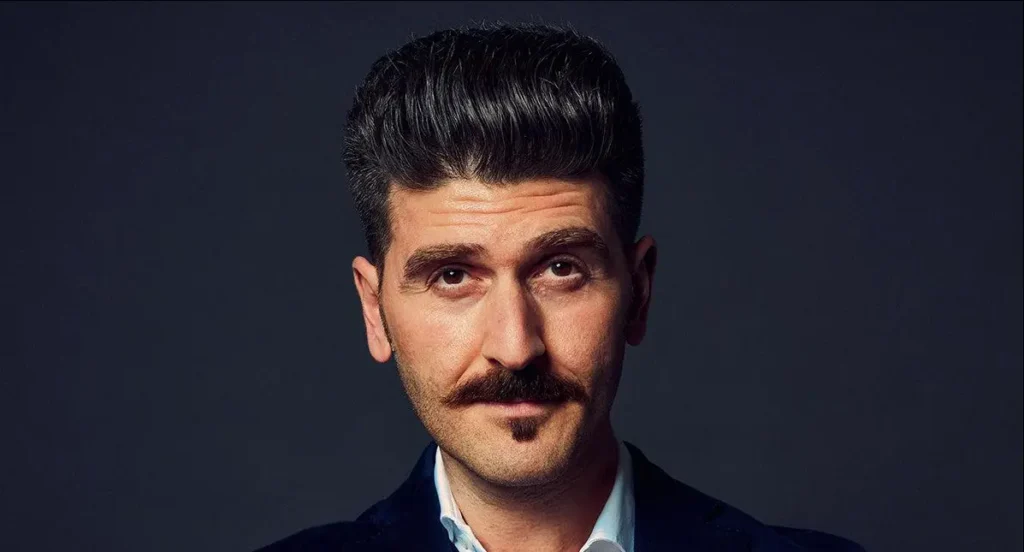
Horseshoe Mustache
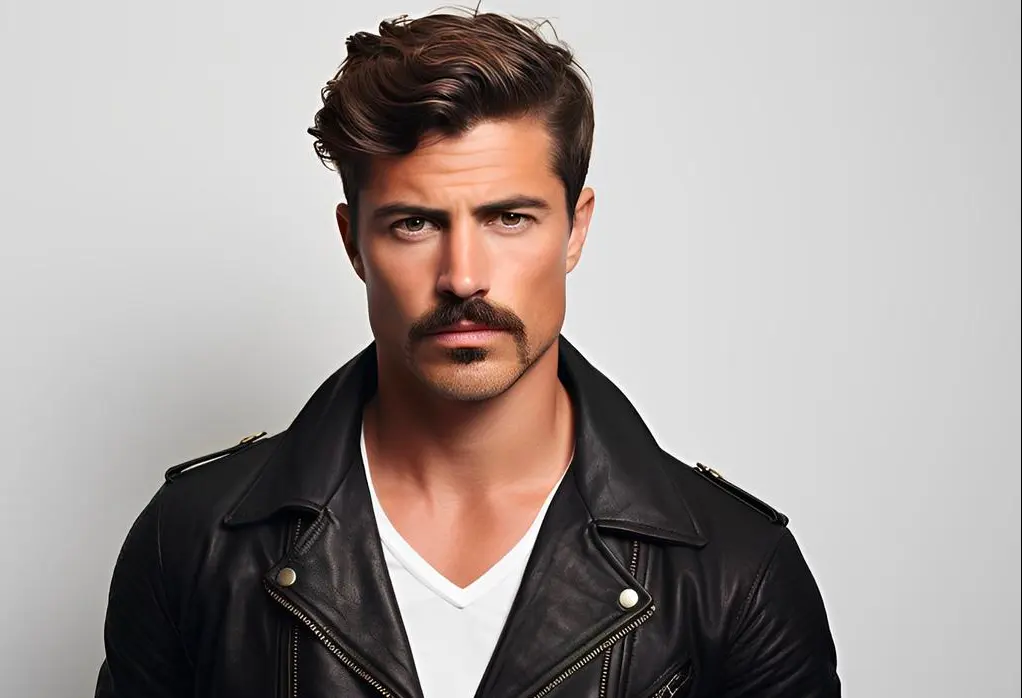
A thick mustache with two vertical strips running down to the jawline, resembling an upside-down horseshoe.
Best for: Square and oval faces with strong jawlines. Note: A bold, retro style — not commonly accepted in conservative workplaces.
Handlebar Mustache
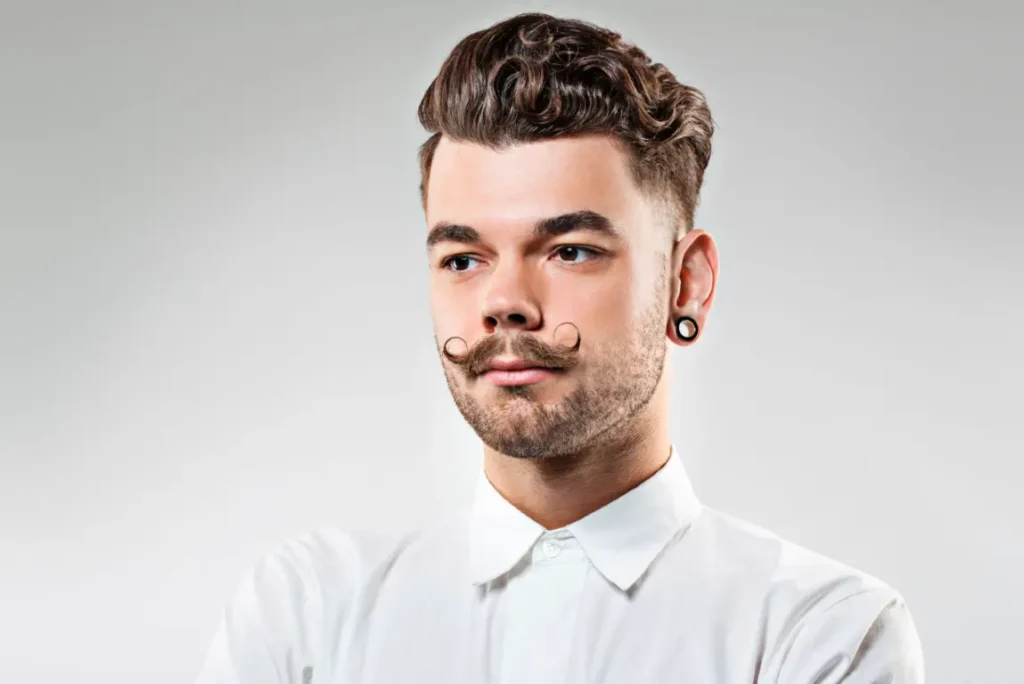
A mustache styled with curled, upward-pointing ends, often paired with a full beard or goatee.
Maintenance level: Very high — requires mustache wax daily to hold the curl.
8. Patchy Beard Styles (For Uneven Growth)
Patchy growth doesn’t mean you’re stuck with stubble forever. Several styles are specifically designed to work with uneven hair density.
Goatee
Hair grown only on the chin, often combined with a mustache, leaving the cheeks bare.
Best for: Round faces and men with patchy cheek growth. Maintenance level: Low-medium.

Extended Goatee
A goatee connected by a thin line along the jaw to the sideburns, without covering the full cheek.
Best for: Round and square faces, and men with moderate patchiness on the cheeks.
Chin Strap
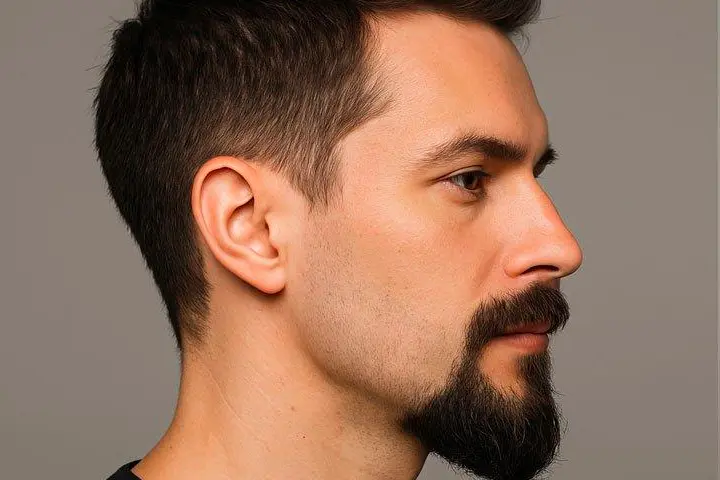
A thin line of hair tracing the jawline from sideburn to sideburn, usually with the chin and cheeks shaved.
Best for: Oval and long faces — adds width along the jaw. Common mistake: Making the strap too thick, which starts to look like an unintentional neckbeard.
9. Corporate and Professional Beard Styles
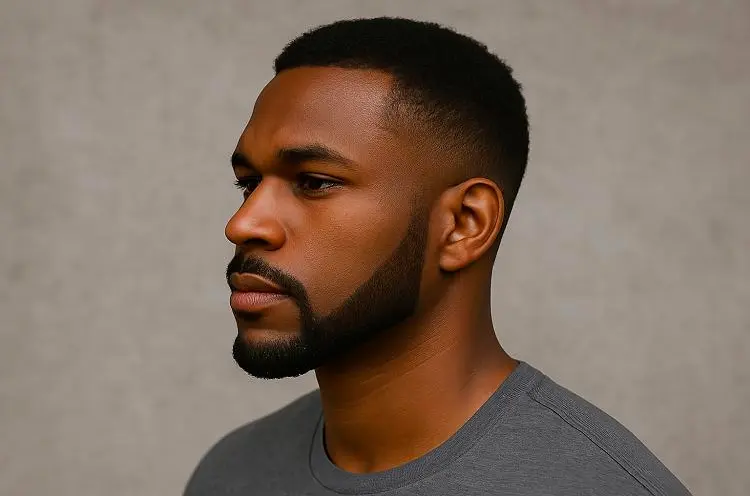
If your workplace has a conservative dress code, your safest options are:
- Stubble (heavy) — neat, low-effort, broadly accepted
- Short boxed beard — structured and intentional
- Corporate beard — under half an inch, sharply lined
Professional barber advice: When in doubt, keep length under one inch and maintain crisp, straight neckline and cheek lines. Length reads as casual; precision reads as professional.
10. Trendy and Modern Types of Beard Styles
Beard trends shift, but a few modern variations are worth knowing:
- Faded beard — the beard blends into a skin fade on the cheeks and neckline, popular alongside fade haircuts
- French beard — a thin, narrow beard outlining the jaw and chin with a connected mustache, very low volume
- Designer stubble — stubble with sharply defined, sometimes geometric edges along the neck and cheeks
These styles often combine well with a fresh haircut and are popular requests among younger clients at barbershops.
11. How to Grow Any Beard Style Successfully
Growing a beard is part patience, part strategy. Here’s the realistic timeline most barbers will give you:
| Stage | Timeframe | What Happens |
| Stubble | Days 1–5 | Visible shadow, itchiness begins |
| Patchy phase | Weeks 2–4 | Uneven growth becomes visible — don’t panic or shave yet |
| Shaping stage | Weeks 4–8 | Enough length to define lines and see your true growth pattern |
| Maturity | Months 3–6 | Full thickness becomes visible; ideal time to choose final style |
Expert tip: Don’t touch a trimmer for at least 4 weeks. Most “patchy beard” complaints are actually just normal early growth that hasn’t filled in yet.
Realistic Expectations
Genetics control beard density and growth speed far more than any product on the market. Some men reach full thickness in 8 weeks; others need 4–6 months. No oil, vitamin, or supplement can override genetics — though biotin deficiency, certain medications, and underlying health conditions can affect growth, and it’s worth speaking with a doctor if you suspect a medical cause for very sparse or patchy growth.
12. Beard Maintenance: Tools, Products, and Routine
A great beard style only looks good with consistent maintenance. Here’s the toolkit most professional barbers recommend:
- Trimmer — for shaping and maintaining length
- Beard comb — detangles and trains hair direction
- Beard brush (boar bristle) — distributes natural oils and reduces frizz
- Beard oil — softens hair and moisturizes the skin underneath, reducing itchiness
- Beard balm — adds light hold and shape for longer styles
- Beard wash — a dedicated cleanser, gentler than regular shampoo, since standard shampoo can dry out facial hair and the skin beneath it
- Beard conditioner — helps with longer beards prone to tangling
A Simple Daily Routine
- Wash with beard wash 2–3 times a week (daily washing can dry out skin)
- Apply beard oil while hair is still slightly damp
- Brush or comb to train growth direction
- Trim stray hairs and define lines once a week
Skin care note: The skin underneath a beard still needs attention. Dry, flaky skin under facial hair (sometimes mistaken for dandruff) is common and is usually improved with regular moisturizing and gentle cleansing.
13. Common Beard Mistakes Beginners Make
- Trimming too early — shaping a beard before 4 weeks often ruins the natural line
- Skipping the neckline — an undefined neckline makes any beard look messier than it is
- Over-washing — daily washing with regular shampoo strips natural oils and causes dryness
- Ignoring face shape — copying a style from a photo without checking if it suits your proportions
- Not using oil or balm — leads to itchiness, dandruff-like flaking, and a dull, frizzy appearance
- Uneven trimming — using bare clippers without a guard often leads to accidental bald patches
14. Beard Myths You Should Stop Believing
Myth: Shaving makes your beard grow back thicker. Shaving doesn’t affect hair follicles or growth rate — it only removes hair at the surface.
Myth: Beard growth supplements work for everyone. Most beard growth products affect hair health and appearance, not the underlying genetic growth pattern.
Myth: A patchy beard at 3 weeks means it’ll always be patchy. Many patchy zones fill in significantly between weeks 4 and 12 — judging too early is the most common beginner mistake.
Myth: All beard oils work the same. Ingredient quality varies significantly; oils heavy in synthetic fragrance can sometimes irritate sensitive skin.
15. Conclusion
There’s no single “correct” beard — there’s the one that fits your face shape, your hair growth, and your day-to-day life. Whether that’s a low-maintenance stubble for the office, a structured ducktail for a long face, or a full Garibaldi if you’ve got the patience for it, the right type of beard style comes down to matching the style to your actual features rather than chasing a trend.
If you’re just starting out, give your beard at least four weeks before judging it, invest in a decent trimmer and a bottle of beard oil, and don’t be afraid to ask a barber for an honest opinion on what will actually suit your face. The right beard doesn’t just change how you look — it can genuinely change how put-together you feel every time you look in the mirror.
FAQ
1. What are the main types of beard styles? The main categories include stubble, short boxed beards, full beards, goatees, Van Dyke, Balbo, ducktail, Garibaldi, anchor beard, and chin strap, among others.
2. Which beard style suits a round face best? Goatees, extended goatees, and anchor beards work well on round faces because they add length and definition to the chin area.
3. How long does it take to grow a full beard? Most men need 2–4 months for a visibly full beard, though genetics can extend this to 4–6 months for some.
4. Why is my beard patchy? Patchiness is usually genetic and related to uneven hair follicle density; it often improves somewhat as the beard grows past the 4–6 week mark.
5. What’s the best beard style for beginners? Stubble or a short boxed beard is easiest to maintain and most forgiving while you learn your growth pattern.
6. Do beard oils actually help growth? Beard oils primarily improve hair softness and skin health underneath; they don’t change your genetic growth rate.
7. How often should I trim my beard? Most styles need trimming every 1–2 weeks to maintain clean lines, though fuller styles like the Garibaldi can go longer between trims.
8. What’s the difference between a goatee and a Van Dyke? A goatee is chin hair with or without a connected mustache; a Van Dyke specifically has a disconnected, pointed mustache paired with a pointed chin beard.
9. Can I grow a beard if my growth is patchy in spots? Yes — styles like the goatee, extended goatee, or chin strap are designed specifically to work around uneven growth zones.
10. What’s the most professional beard style for work? A heavy stubble or short, sharply lined boxed beard is generally the most widely accepted in conservative workplaces.
11. How do I choose a beard style for my face shape? Identify your face shape first (round, square, oval, long, diamond, or heart), then match it against styles that balance your proportions, as shown in the beard style chart above.
12. Is beard balm necessary? It’s not mandatory, but it helps control frizz and add light hold, especially for medium-to-long beard styles.
13. Why does my beard itch in the first few weeks? New growth has sharp ends that can irritate skin as hairs curl back; regular moisturizing with beard oil significantly reduces this.
14. What tools do I need to maintain a beard? A trimmer, comb, brush, beard oil, balm, and a gentle beard wash cover the essentials for most styles.
15. Should I see a dermatologist for beard-related skin issues? If you notice persistent redness, ingrown hairs, or severe flaking under your beard, it’s worth consulting a dermatologist, as these can sometimes indicate conditions like folliculitis or seborrheic dermatitis that benefit from professional treatment.