 By Bread Styles Team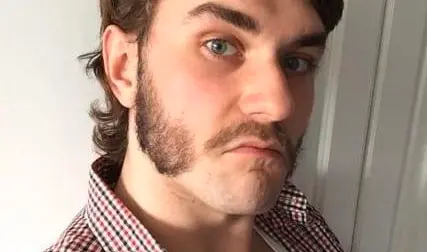
The mutton chops beard is one of the few facial hair styles that comes with its own built-in history lesson. It’s the look of thick sideburns that flare out wide at the jawline, usually narrowing near the top of the ear and staying bare through the chin — a shape that’s stayed recognizable since the 1800s and still turns up on barbershop mood boards today.
If you’ve searched this term, you’re probably trying to work out one of three things: what actually separates classic mutton chops from the “friendly” version, whether your face and hair type can carry the style, or how to grow and shape them without ending up with patchy sideburns and a shapeless jawline. This guide answers all three, along with the practical maintenance side most articles skip over.
Table of Contents
1. What Is a Mutton Chops Beard?
A mutton chops beard is a facial hair style built almost entirely around the sideburns, which are grown thick and wide, flaring outward as they reach the jawline. The chin and mouth area are typically shaved clean, and depending on the version, the sideburns either stop above the mouth or connect into a mustache.
Quick snippet answer: Mutton chops are a beard style where thick sideburns extend down and widen at the jaw, tapering narrower near the top, while the chin stays bare. The name comes from the shape’s resemblance to a cut of lamb.
It’s a style that rewards patience more than most, since the width and density along the jaw take longer to fill in evenly than a standard beard.
2. Where the Mutton Chops Beard Came From
This style isn’t a modern invention — it has one of the more documented origin stories in facial hair history. During the 19th century, wide sideburn styles became closely associated with military officers and public figures, most notably U.S. Civil War general Ambrose Burnside, whose name is where the term “sideburns” actually comes from. His particular style connected thick sideburns to a mustache while keeping the chin shaved, which is essentially the friendly mutton chops shape worn today.
The look went through several revivals after that — Victorian gentlemen wore variations of it as a mark of maturity and status, and it resurfaced again in the 1970s alongside broader sideburn culture. What’s changed since then is mostly the framing: barbers today treat mutton chops as a deliberate style choice with clean lines, rather than just “sideburns that got out of hand.”
3. Classic Mutton Chops vs Friendly Mutton Chops
This is the distinction most people searching this topic actually want clarified, and it’s simpler than it sounds.
| Feature | Classic Mutton Chops | Friendly Mutton Chops |
| Connects to mustache | No | Yes |
| Chin | Fully shaved | Fully shaved |
| Mouth area | Bare on both sides | Mustache present, chin still bare |
| Visual effect | Bold, separated sideburns | Sideburns and mustache read as one connected shape |
| Difficulty to maintain | Moderate | Slightly higher — two lines to manage instead of one |
| Best suited to | Men who want a strong, isolated jawline statement | Men who want a fuller, more traditional 1800s look |
Classic mutton chops keep a visible gap of bare skin between the sideburn and the upper lip, so the mustache area stays clean. Friendly mutton chops earned their name because the sideburns extend forward and “shake hands” with a mustache, closing that gap. Both versions keep the chin bare — that’s the one detail that never changes across variations.
4. Mutton Chops vs Sideburns vs Chin Strap
It helps to see this style next to two looks it’s regularly confused with.
| Style | Coverage | Chin | Mustache Connection |
| Mutton chops beard | Wide sideburns extending to jawline | Bare | Optional (classic: no, friendly: yes) |
| Standard sideburns | Thin to moderate width, less flare | Bare or full beard | No |
| Chin strap beard | Thin line following the jaw and chin | Covered by the strap line | No |
Standard sideburns are simply an extension of a haircut and don’t flare out at the jaw the way mutton chops do. A chin strap beard covers different territory entirely — it follows the jawline and chin rather than leaving the chin bare, which makes the two styles visually distinct despite both being facial hair minimalism of a kind.
5. Types of Mutton Chop Beard Styles
Not every mutton chop beard style looks identical. Here’s how the main variations break down.
Classic Mutton Chops
Wide, flared sideburns with a bare chin and no mustache connection. This is the most traditional version and the easiest to keep sharply lined.
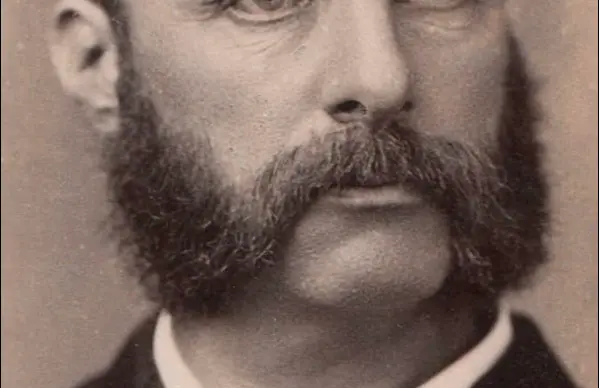
Friendly Mutton Chops
Sideburns extend forward to meet a mustache, while the chin stays shaved. This version reads fuller and more old-fashioned, closer to the 19th-century original.
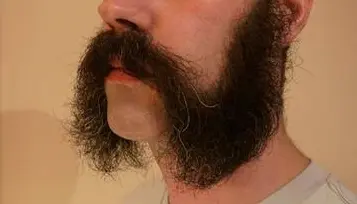
Extended Mutton Chops
A wider, thicker take that pushes further down the jaw and sometimes closer to the corners of the mouth, without fully connecting to a mustache. This needs the most consistent trimming to avoid drifting into an unstructured beard shape.
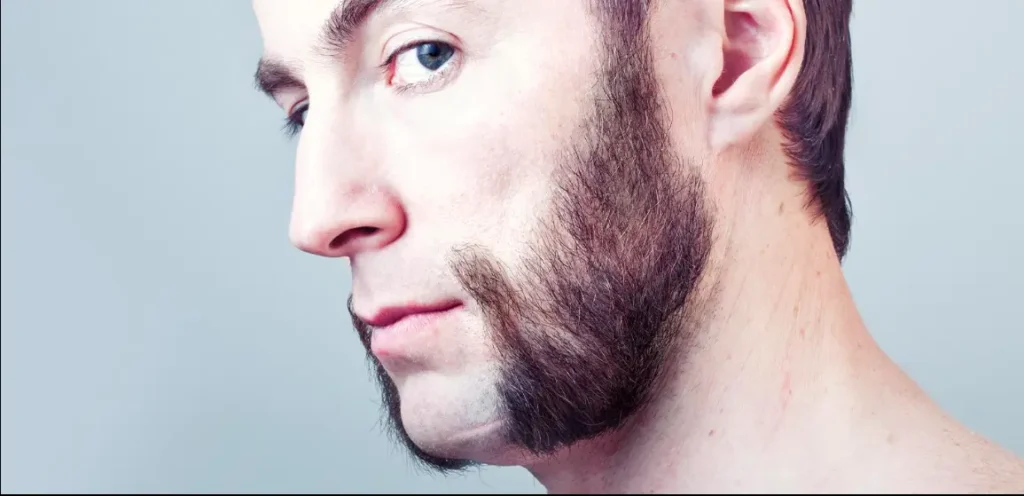
Rockabilly Mutton Chops
Shorter and narrower than the extended version, often paired with a pompadour or slicked hairstyle. This style leans into a retro aesthetic rather than pure volume.
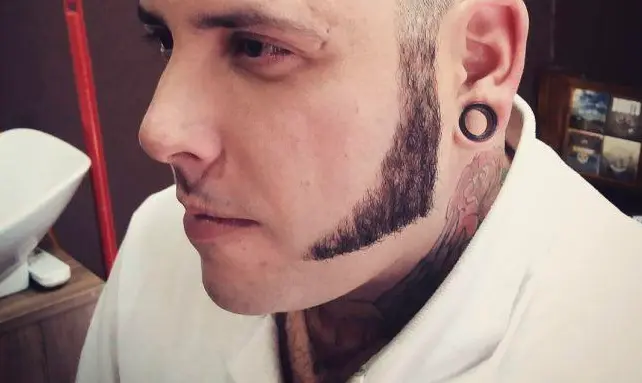
Modern Tapered Mutton Chops
A cleaner, barber-shaped version with a sharp fade from the sideburn down to the jaw, giving the classic shape a more contemporary finish. This pairs well with a fade haircut, similar to how beard fade styles work with shorter cropped hair.
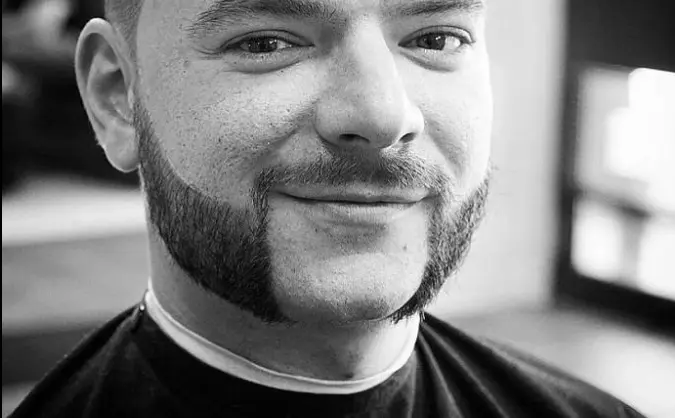
6. Who Wears This Style Well in Pop Culture
Mutton chops have shown up consistently enough in film, music, and history that most people already have a mental reference point, even without realizing it. Elvis Presley’s later-era look leaned heavily on wide, flared sideburns. Wolverine, as depicted across the X-Men films, is one of the most recognizable modern references for the classic mutton chops shape. Musicians in the glam rock and rockabilly scenes of the 1970s also kept the style visible through multiple decades.
None of this means you need a stage persona to wear the look — it just explains why the style reads as confident rather than accidental once it’s shaped properly.
7. Best Face Shapes for Mutton Chops
Face shape has a real effect on how mutton chops sit, more so than with beard styles that cover the whole jaw evenly.
Square faces: Mutton chops add width right where a square jaw already has strength, which can look striking, but they also emphasize the angularity rather than softening it. This works best if you like a bold, defined look rather than a subtle one. See our best beard for square face guide for comparison styles.
Oval faces: Oval faces handle mutton chops well because the added width at the jaw doesn’t unbalance the natural proportions. Details in our best beard for oval face page.
Round faces: This is the trickier match — wide mutton chops can add horizontal bulk to a face that’s already fairly round. If you want the style anyway, keeping the width slightly narrower helps. More detail at best beard for round face.
Diamond and heart-shaped faces: Mutton chops can help balance a narrower chin by adding visual weight higher up along the jaw. Related guides: best beard for diamond face and best beard for heart face.
Long or oblong faces: Because mutton chops don’t add length below the jaw the way a full beard does, they tend to suit longer face shapes better than short, dense beards would. See best beard for oblong face for more.
8. Hair Type and Growth Considerations
- Thick, coarse hair: Fills in the width of mutton chops faster and holds a sharp line well once trimmed.
- Fine or thin hair: Can still work, particularly with the rockabilly or modern tapered version, but may need a slightly wider shape to avoid looking sparse.
- Patchy sideburn growth: This is the one real obstacle for this style, since mutton chops rely almost entirely on sideburn density. If your sideburns come in thinner than the rest of your face, check our patchy beard guide before committing to the extended version.
- Curly or wavy hair: Tends to add natural volume to the shape, which suits the extended and friendly versions particularly well.
9. How to Grow a Mutton Chops Beard
Step 1 — Grow a full beard first, even briefly. Rather than shaving the chin and mouth area from day one, let everything grow for two to three weeks so you can judge your natural sideburn density and thickness.
Step 2 — Mark your intended shape before cutting anything. Use a light pencil or the edge of a comb to trace where the mutton chops will sit — typically following the natural sideburn line down to just below the ear, then flaring outward toward the jaw.
Step 3 — Shave the chin and mouth area. Once you’re happy with the outline, shave the chin completely bare. For friendly mutton chops, leave a mustache in place; for classic mutton chops, shave that area too.
Step 4 — Trim the sideburns to an even length. Use scissors or a trimmer with a guard to bring the whole shape down to a consistent length, usually between a quarter and half an inch depending on the density you’re working with.
Step 5 — Clean the edges. Straighten the front line along the cheek and the bottom edge along the jaw with a trimmer without a guard, checking symmetry in good lighting.
Step 6 — Reassess after a week. Growth often looks uneven in the first week. Give it time before making the shape narrower — most patchiness evens out once the hair reaches full length.
10. How to Trim and Shape Mutton Chops
Once grown in, keeping a mutton chops beard sharp comes down to three lines: the front edge, the bottom edge, and the length.
- Front edge (cheek line): Keep this straight and consistent from ear to jaw — a wavy or curved front line is the most common giveaway of an unmaintained style.
- Bottom edge (jaw line): This defines where the chops end and the bare chin begins. A slightly angled line usually looks more natural than a perfectly horizontal cut.
- Length: Trim evenly across the whole shape using a guard, checking both sides against each other rather than trimming one side fully before starting the other.
For the friendly mutton chops version, treat the mustache connection as a fourth line — it needs to blend smoothly rather than showing an obvious seam where the sideburn meets the mustache.
If you haven’t trimmed facial hair with this level of precision before, our general how to trim a beard guide covers the fundamentals that apply here too.
11. Maintenance Routine
- Twice a week: Trim the front and bottom edges to stop them drifting outward.
- Daily: Comb the sideburns downward to train growth direction, especially in the first month.
- Weekly: Check symmetry in a well-lit mirror, ideally from multiple angles rather than straight on.
- As needed: Shave the chin and mouth area (for classic mutton chops) every two to three days to keep the contrast between bare skin and sideburn sharp.
12. Tools and Products Worth Owning
- Trimmer with adjustable guard lengths — for even length across the sideburns.
- Precision edging trimmer — for the front and bottom lines.
- Small mirror set (handheld plus wall mirror) — checking side profile matters more with this style than most others.
- Beard balm — keeps the sideburn area from feeling coarse or dry, particularly where it meets shaved skin.
- Razor for the chin and mouth area — a clean shave in that zone is what makes the whole style read as intentional.
13. Common Mistakes
- Rushing the shave line before growth settles. Shaving the chin too early, before you’ve seen full sideburn growth, often means redoing the shape a week later.
- Uneven front lines. A crooked or curved front edge is the single most common flaw in this style.
- Ignoring the bottom edge. Letting the bottom line blur into neck hair makes the whole shape look unfinished.
- Going too wide too fast. Starting with an extended shape before your sideburns have filled in evenly usually exposes patchiness rather than hiding it.
- Skipping the chin shave for too many days. Stubble regrowth on the chin closes the gap that defines classic mutton chops.
14. Common Myths
Myth: Mutton chops are just old-fashioned sideburns. Sideburns are part of a haircut. Mutton chops are a standalone facial hair style with intentional width, shape, and a bare chin — the two aren’t interchangeable.
Myth: You need naturally thick facial hair to wear this style. Thinner hair can still work well with a modern tapered or rockabilly version, since these rely less on maximum width and more on clean shaping.
Myth: Shaving the chin daily thins it out over time. Shave frequency doesn’t affect regrowth thickness. This has been addressed repeatedly by dermatology sources and remains one of the more persistent grooming myths.
15. Is This Style Workplace-Appropriate?
The modern tapered and classic versions tend to read as neat and deliberate, which makes them workable in most business-casual environments, provided the lines are kept sharp. The extended and friendly mutton chops versions carry more visual weight and tend to suit creative, hospitality, or casual workplaces better than conservative corporate settings. If you’re easing into the style for a formal environment, a narrower, closely trimmed shape closer to a corporate beard silhouette is the safer starting point.
Final Thoughts
A mutton chops beard rewards precision more than volume. The difference between a sharp classic mutton chops shape and a messy one usually comes down to two straight lines — the front edge and the bottom edge — and a genuinely bare chin between them. Whether you go classic, friendly, or a modern tapered version, the style holds up best when it’s shaped deliberately rather than left to grow wide on its own. Get the lines right, keep the chin clean, and this becomes one of the more distinctive styles you can wear without much daily upkeep.
If you’re weighing this against other jaw-focused styles, our guides on goatee styles and the beardstache are worth comparing before you commit.
FAQs
1. What is a mutton chops beard? A mutton chops beard is a style built around thick, wide sideburns that flare out at the jawline while the chin stays completely shaved, with or without a connecting mustache.
2. What’s the difference between classic mutton chops and friendly mutton chops? Classic mutton chops leave a bare gap between the sideburns and the mouth, while friendly mutton chops extend forward to connect with a mustache, though both keep the chin shaved.
3. Where does the name mutton chops come from? The name comes from the shape resembling a cut of lamb — wide at the base and narrowing toward the top, similar to a mutton chop cut of meat.
4. Are mutton chops the same as sideburns? No. Sideburns are part of a haircut and stay relatively narrow, while mutton chops are a deliberate facial hair style with added width and a defined flare at the jaw.
5. Do mutton chops suit every face shape? They tend to suit square, oval, oblong, diamond, and heart-shaped faces well, but can add unwanted width to already round faces unless kept narrower.
6. How long does it take to grow a mutton chops beard? Most men need two to four weeks of uninterrupted growth before the sideburns fill in enough to shape properly, though thicker hair may fill in faster.
7. Can I grow mutton chops with patchy sideburns? It’s possible with a narrower or modern tapered shape, but naturally patchy sideburns are the main obstacle for this style since it relies heavily on sideburn density.
8. How often should I shave the chin for classic mutton chops? Every two to three days is typical, since regrowth on the chin closes the bare gap that defines the classic version.
9. Is a mutton chops beard professional-appropriate? Classic and modern tapered versions generally work in business-casual settings, while extended and friendly versions suit casual or creative workplaces better.
10. What tools do I need to maintain mutton chops? An adjustable trimmer for length, a precision edger for clean lines, a razor for the chin area, and a good mirror setup to check symmetry from multiple angles.
11. Do friendly mutton chops require more maintenance than classic ones? Slightly, since you’re managing the line where the sideburn meets the mustache in addition to the front and bottom edges.
12. Who is known for wearing mutton chops? Historical figures like General Ambrose Burnside popularized wide sideburn styles, and the look has resurfaced through decades of pop culture, including 1970s rock musicians and characters like Wolverine.
13. What hair type works best for mutton chop beard styles? Thick, coarse hair fills in the shape fastest, but fine or wavy hair can still work well with narrower or modern tapered versions.
14. Can mutton chops be combined with a mustache? Yes — that combination is specifically called friendly mutton chops, where the sideburns extend to meet the mustache while the chin remains bare.
15. What’s the biggest mistake men make with this style? Uneven front or bottom edges are the most common issue, since even a full, thick sideburn looks unfinished without a straight, symmetrical line.