 By Bread Styles Team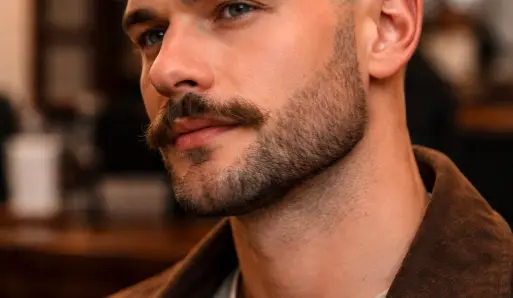
A beardstache is a short beard paired with a thicker, more prominent mustache, styled so the two work together instead of blending into one shape. It sits somewhere between a full beard and a mustache-only look, and it’s become one of the most requested styles in barbershops over the last few years — not because it’s flashy, but because it’s genuinely easy to wear.
If you’ve been scrolling through grooming pages trying to figure out whether this style will suit your face, how long it takes to grow, or how to stop it looking messy by week three, you’re in the right place. This guide covers the whole thing: what a beardstache actually is, the variations worth knowing, who it flatters, and the maintenance routine that keeps it looking deliberate rather than accidental.
Table of Contents
1. What Is a Beardstache?
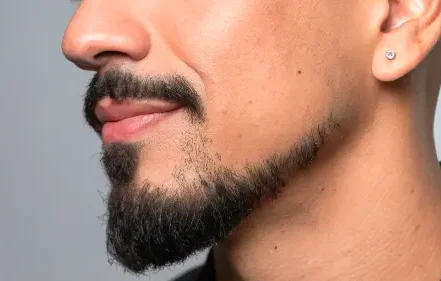
A beardstache is a facial hair combination where the mustache is grown fuller and slightly longer than the beard, while the beard itself is kept short — usually somewhere between heavy stubble and a half-inch. The mustache becomes the focal point of the look, but it’s supported by a clean, low-maintenance beard rather than standing alone.
It’s not the same as a standard beard where the mustache just blends in. The mustache is intentionally styled, sometimes with a slight curl or defined edges, while the beard around it stays understated. Think of it as giving the mustache room to be the main character.
This style has close cousins in classic facial hair history. Barbers have shaped versions of it for decades under different names, but the modern “beardstache” label really took off as short-to-medium beard styles overtook the heavier lumberjack beard trend. If you want to see how it fits into the wider picture of facial hair, our types of beard styles breakdown is a good starting point.
2. Why the Beardstache Has Become So Popular
A few practical reasons explain why this style keeps showing up in barbershop requests:
Modern Beardstache
A slightly more sculpted take — the beard is faded shorter toward the cheeks and neckline, while the mustache is trimmed with sharper, straighter edges. This modern beardstache reads more polished and works well if you’re going for a smart-casual or corporate look.
Handlebar Beardstache
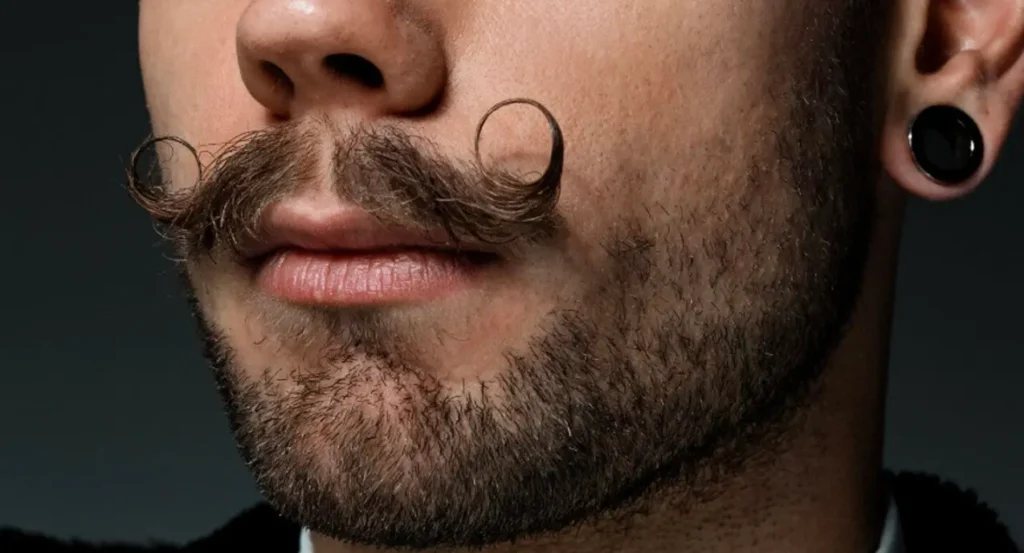
The mustache ends are grown longer and shaped upward or outward using wax, while the beard stays short and neat. This version needs more daily upkeep and suits men who already enjoy grooming as a small ritual rather than a chore.
Chevron Beardstache
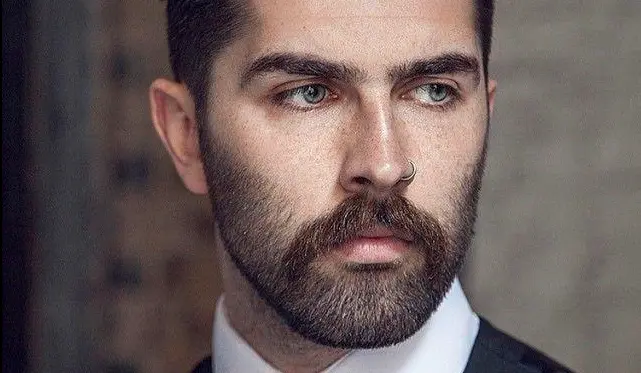
A thicker, wider mustache without the curled ends, paired with a very short beard. It has a slightly retro feel and tends to suit men with fuller facial hair growth naturally.

Faded Beardstache
Similar to the modern version but with a visible fade on the cheeks and along the jaw, similar in spirit to beard fade styles. This works particularly well for shorter hairstyles where you want the facial hair to match the fade on the head.
5. Best Face Shapes for a Beardstache
Face shape genuinely changes how a beardstache sits, so it’s worth being honest about this before you commit.
Round faces: A beardstache works well here because the short beard doesn’t add width, while the mustache draws the eye horizontally rather than adding bulk. For more detail, see our best beard for round face guide.
Oval faces: Oval faces suit almost anything, and the beardstache is no exception — it adds definition without changing the natural proportions much. Check the best beard for oval face page for styling angles.
Square faces: A shorter beard keeps the jaw from looking heavier, and a well-groomed mustache softens sharp angles without hiding them. Related reading: best beard for square face.
Diamond faces: The beardstache adds width at the mid-face through the mustache, balancing narrower foreheads and chins. More detail here: best beard for diamond face.
Heart-shaped faces: Because the beard stays short along the jaw, it avoids over-emphasizing a narrow chin. See best beard for heart face for more.
Oblong or triangle faces: These face shapes benefit from the horizontal emphasis a mustache provides, which helps balance longer or narrower proportions. Our best beard for oblong face and best beard for triangle face guides go deeper into this.
Quick answer for featured snippets: A beardstache suits round, oval, square, diamond, and heart-shaped faces because the short beard avoids adding bulk while the mustache adds horizontal balance to the mid-face.
6. Best Hair Types and Growth Patterns for This Style
Facial hair thickness and growth speed both affect how a beardstache turns out.
- Thick, coarse hair: Grows a beardstache faster and holds shape well, but needs more frequent trimming to avoid looking bulky.
- Fine or thin hair: Can still pull off a beardstache, especially the classic or faded version, but may need styling products to make the mustache appear fuller.
- Patchy growth: If your mustache grows in stronger than your cheeks and chin, a beardstache is actually one of the better styles to try, since it plays to that natural strength. If patchiness is a bigger concern overall, our patchy beard guide has targeted advice.
- Curly facial hair: Tends to suit the chevron or classic beardstache better than the handlebar version, since curl can fight against upward styling.
7. How to Grow a Beardstache Step by Step
Step 1 — Start with a clean slate. Trim everything down to an even, short length (around 2–3mm) so you’re growing from a consistent baseline rather than uneven patches.
Step 2 — Let it grow untouched for two to three weeks. This is the hardest part for most men. Resist trimming during this window so you can actually see where your mustache and beard grow thickest.
Step 3 — Define the mustache boundary. Once you have enough length, use a comb to establish where the mustache will sit above the lip line, then trim the beard beneath and around it shorter.
Step 4 — Shape the beard length. Keep the beard at stubble-to-half-inch length using a guard on your trimmer, fading it slightly shorter along the cheeks and neckline if you’re going for the modern or faded version.
Step 5 — Clean the neckline and cheek line. Define a natural neckline just above the Adam’s apple, and clean up stray hairs on the cheeks so the whole shape looks intentional rather than left to grow wild.
Step 6 — Maintain twice weekly from here. Once you hit your target length, a quick trim twice a week keeps the beardstache from drifting back into a shapeless beard.
8. How to Trim and Shape a Beardstache
Trimming a beardstache is really two separate jobs — the beard and the mustache need different attention.
For the beard:
- Use a guard length between 2mm and 12mm depending on how short you want it.
- Trim with the grain first, then lightly against the grain for an even finish.
- Check both sides in a mirror at eye level, not just from below.
For the mustache:
- Comb the mustache hair downward and outward before trimming so you can see the true length.
- Trim any hair hanging over the lip line first — this is the detail that makes or breaks the whole look.
- Use small scissors rather than a trimmer for the final mustache shaping; it gives you far more control over precise edges.
- If you’re doing a handlebar version, apply a small amount of mustache wax and shape the ends while the wax is still warm from your fingers.
A barber tip worth remembering: trim the mustache last, after the beard is done. It’s easier to judge mustache proportion once the beard length around it is already settled.
9. Daily Maintenance Routine
A beardstache doesn’t need hours of work, but it does reward a small daily habit.
- Morning: Comb the beard and mustache into shape, apply a light beard balm if your skin runs dry.
- After showering: This is the best time to trim, since warm water softens the hair and makes it easier to cut cleanly.
- Evening: A quick comb-through before bed keeps the mustache trained in the right direction, especially for handlebar or chevron styles.
For a broader maintenance routine covering skin, oils, and washing frequency, our full beard care guide is worth bookmarking alongside this one.
10. Products You Actually Need
You don’t need a full shelf of products to maintain a beardstache well. The essentials:
- Beard trimmer with multiple guard lengths — for the beard portion.
- Small precision scissors — for mustache detailing.
- Beard comb — for training hair direction daily.
- Beard balm or oil — to control frizz and keep skin underneath healthy.
- Mustache wax — only needed if you’re going for the handlebar version.
Skip anything promising dramatic overnight growth. No product changes your genetic growth rate — consistency and patience do that.
11. Common Mistakes Men Make With a Beardstache
- Trimming too early. Cutting back before three weeks means you never see your true growth pattern.
- Ignoring the neckline. A sharp mustache with a messy neckline still looks unfinished.
- Over-waxing the mustache. Too much product looks greasy under normal lighting, even if it looks fine in a mirror.
- Uneven guard lengths. Switching trimmer guards without checking both cheeks in the same light creates visible asymmetry.
- Copying a style that doesn’t match your growth pattern. A handlebar beardstache on very fine, straight mustache hair often won’t hold shape without constant touch-ups.
12. Common Myths About the Beardstache
Myth: Shaving more makes hair grow back thicker. Shaving frequency has no effect on hair thickness or growth rate — this has been addressed repeatedly by dermatology researchers and remains one of the most persistent grooming myths.
Myth: A beardstache is just a lazy version of a full beard. In practice it requires more precision than a full beard, not less, because the mustache shaping is visible and unforgiving of mistakes.
Myth: It only works with thick facial hair. Thinner growth can still work well with the classic or faded version — it’s really about matching the style to your natural pattern rather than forcing a thicker look.
13. Is a Beardstache Professional-Appropriate?
The modern and faded beardstache versions read as neat and intentional, which makes them suitable for most corporate and client-facing environments. The handlebar version, because of its more expressive shape, tends to suit creative industries, hospitality, or casual workplaces better than formal corporate settings.
If your workplace leans conservative, pairing a beardstache with cleaner, tighter guard lengths keeps it closer to a corporate beard look while still giving the mustache its presence.
14. Realistic Timeline: What to Expect Week by Week
| Week | What’s Happening | What to Do |
| Week 1 | Stubble, mild itch | Resist trimming, moisturize skin |
| Week 2 | Growth pattern starts showing | Keep growing, avoid shaping yet |
| Week 3 | Mustache length becomes visible | Begin light shaping of mustache boundary |
| Week 4 | Beard reaches short target length | Fade cheeks and neckline, refine mustache edges |
| Week 5+ | Full beardstache shape achieved | Maintain with twice-weekly trims |
Growth speed varies by genetics, so some men reach a full shape by week three while others need closer to six weeks. Neither timeline is a sign you’re doing something wrong.
Final Thoughts
A beardstache works because it doesn’t ask for much — a short beard, a slightly bolder mustache, and about ten minutes of maintenance a couple of times a week. What makes the difference between a sharp beardstache and a messy one usually comes down to the small details: a clean neckline, a properly trimmed mustache edge, and picking a variation — classic, modern, chevron, or handlebar — that actually matches how your facial hair grows rather than one you saw online. Get those basics right and this becomes one of the easiest styles to maintain long-term.
If you’re still deciding between this and other short styles, our guides on medium beard styles and short beard styles are useful next stops.
FAQs
1. What exactly is a beardstache? A beardstache is a short, neat beard paired with a fuller, more defined mustache, where the mustache acts as the main visual focal point rather than blending into the beard.
2. How long does it take to grow a full beardstache? Most men reach a workable shape in three to five weeks, though growth speed depends on genetics, age, and testosterone levels.
3. Does a beardstache suit every face shape? It suits most face shapes, particularly round, oval, square, diamond, and heart-shaped faces, because the short beard avoids adding bulk while the mustache adds balance.
4. What’s the difference between a beardstache and a regular beard with a mustache? In a regular beard, the mustache blends into the overall shape. In a beardstache, the mustache is intentionally styled to stand out while the beard stays short and understated.
5. Can I get a beardstache with patchy facial hair? Yes — if your mustache grows in fuller than your cheeks or chin, a beardstache actually works to your advantage since it highlights your strongest growth area.
6. How often should I trim a beardstache? Twice a week is usually enough once you’ve reached your target shape, with a closer neckline and cheek check every few days.
7. Do I need mustache wax for a beardstache? Only for the handlebar version. Classic, modern, chevron, and faded beardstache styles don’t require wax, just regular combing and trimming.
8. Is a beardstache appropriate for work? The modern and faded versions are generally office-appropriate. The handlebar version suits more casual or creative workplaces better than formal corporate settings.
9. What tools do I need to maintain a beardstache? A trimmer with multiple guard lengths, small precision scissors for the mustache, a comb, and a beard balm or oil for skin health underneath.
10. Will shaving make my beardstache grow back thicker? No. Shaving frequency does not change hair thickness or growth rate — this is a long-standing myth, not a grooming fact.
11. What’s the best beardstache style for beginners? The classic beardstache is the easiest starting point since it requires the least precision and works with most natural growth patterns.
12. Can thin or fine facial hair support a beardstache? Yes, though the classic or faded versions tend to work better than the handlebar style, which relies on thicker hair to hold its shape.
13. How is a beardstache different from a Van Dyke beard? A Van Dyke beard separates the mustache and chin beard with visible skin, while a beardstache keeps them connected as one continuous shape.
14. What age group suits a beardstache best? There’s no strict age limit — it suits younger men who want a defined look without a full beard, as well as older men who prefer lower-maintenance styling.
15. Should I see a barber for my first beardstache shape? It helps, especially for the modern or faded version where fading and precise mustache lines matter. A barber can also identify your natural growth pattern before you commit to a specific variation.