 By Bread Styles Team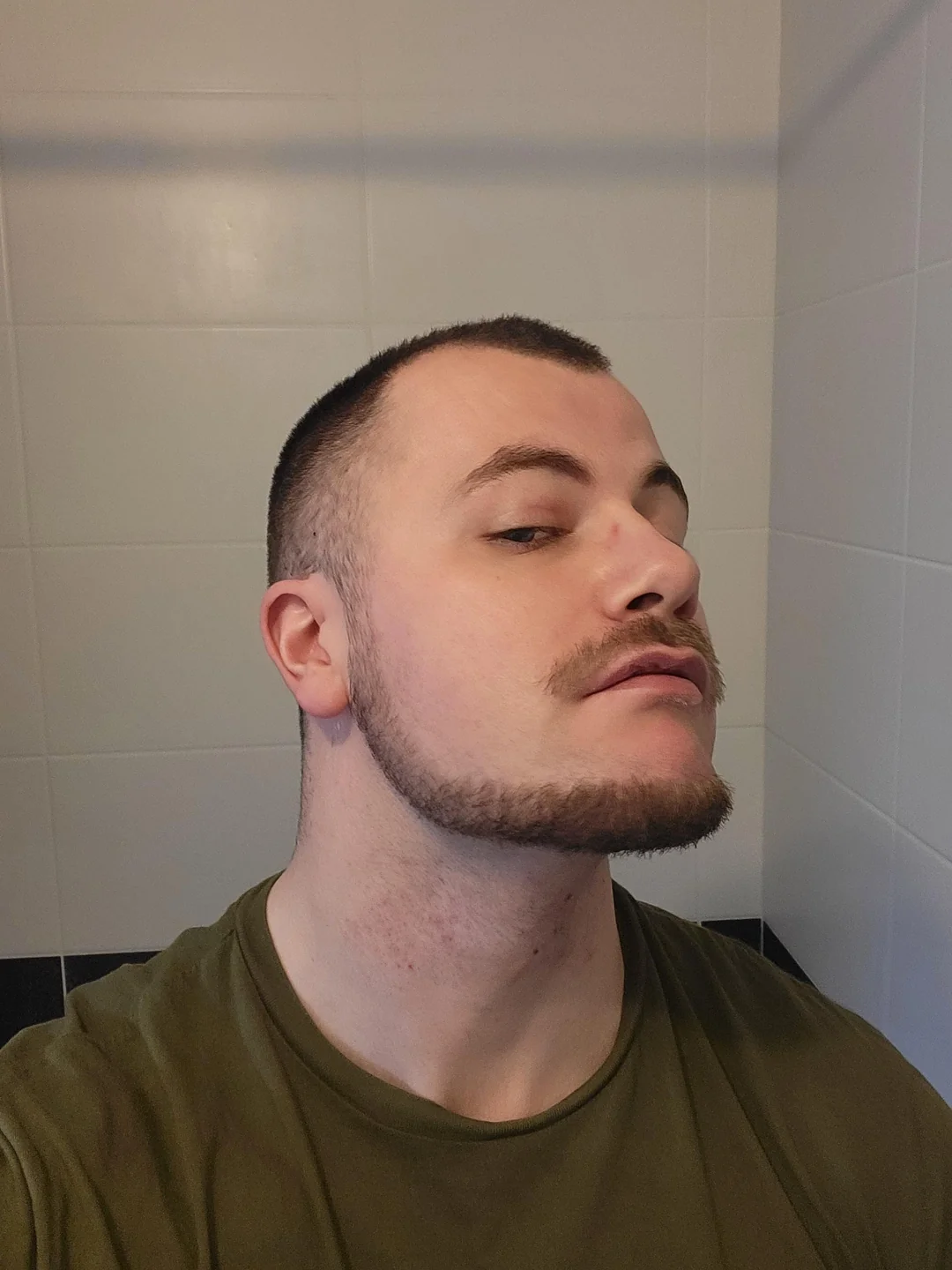
Table of Contents
What Is a Chin Strap Beard?
A chin strap beard is a narrow line of hair that runs along the jawline from ear to ear, following the natural border of the jawbone with little to no hair on the cheeks or chin surface itself. It looks like a strap under the chin, which is exactly where the name comes from.
Unlike fuller thin beard styles, the chin strap beard keeps everything tight to the jaw. There’s no volume, no cheek coverage, and often no connection to a mustache. It’s one of the most minimal facial hair styles a man can wear while still technically having a beard, and it depends entirely on sharp, straight lines rather than hair density.
Because the whole look lives or dies on precision, this is a style that rewards a steady hand and punishes rushed trims more than almost any other beard on this site.
Where the Chin Strap Beard Style Came From
The chin strap has roots going back centuries, appearing in various forms among sailors, tradesmen, and later in Amish grooming traditions, where a strap of hair along the jaw without a mustache carried specific cultural meaning. It resurfaced heavily in mainstream fashion during the early 2000s, particularly tied to hip-hop and R&B style, before falling out of favor by the mid-2010s as fuller beards took over.
It’s worth knowing this history because it explains a lot about how people react to the style today. Older grooming trends tend to cycle back, and the chin strap beard style has been showing up again in barbershops as a deliberate, retro-leaning choice rather than a default one.
Pros and Cons of Wearing a Chin Strap Beard
Pros:
- Defines and sharpens the jawline more than almost any other thin beard style
- Requires very little facial hair volume, so it works for men who grow patchy cheeks
- Fast to grow into compared to fuller styles
- Low product needs since there’s minimal hair to condition
- Distinctive look that stands out in a sea of standard beards
Cons:
- Requires frequent edging to avoid looking unkempt
- Any asymmetry in the line is immediately noticeable
- Carries a dated association for some people, tied to early-2000s trends
- Doesn’t suit every face shape as flatteringly as broader beard styles
- Skin irritation is more likely along constantly-shaved cheek and chin areas
Chin Strap Beard Variations to Consider
Classic Chin Strap A clean, uniform line following the jaw exactly, no mustache, no chin patch. The purest version of the style.
Chin Strap With Mustache Adds a thin mustache that may or may not connect to the strap, giving a fuller frame to the lower face without adding cheek coverage. This variation shares some DNA with a French beard but keeps the jawline as the focal point.
Thick Chin Strap Instead of a razor-thin line, the strap is grown out slightly wider, closer to 5–8mm, softening the look while keeping the same silhouette.
Chin Strap With Soul Patch A small patch of hair below the lower lip is added, breaking up the bare chin without fully committing to a goatee shape.
Faded Chin Strap The strap blends into a low fade near the sideburns, a technique also seen in beard fade styles, giving the whole look a more current, barbershop-finished edge.
Is the Chin Strap Beard Actually Outdated? (Myth Check)
Short answer: No, but it depends heavily on execution. The style itself isn’t inherently dated. What reads as dated is the exact width, styling, and pairing choices from its early-2000s peak, not the concept of a jawline strap on its own.
A few myths worth clearing up:
Myth: A chin strap beard automatically looks unprofessional. Not true. A tight, well-edged strap paired with short hair reads as clean and intentional in most professional settings.
Myth: It only suits younger men. Age has less to do with it than jawline definition and personal grooming discipline. Men in their 40s and 50s wear this style well when the lines stay sharp.
Myth: It’s impossible to update. Faded editions, mustache pairings, and slightly thicker strap widths modernize the look considerably compared to the razor-thin, high-contrast version from two decades ago.
Best Face Shapes for a Chin Strap Beard
Oval face: One of the most balanced matches, since the jaw strap doesn’t need to correct proportions that are already even.
Square face: Works well when the strap is kept slim, reinforcing the jawline without adding extra bulk. Compare more options in our best beard for square face guide.
Round face: A chin strap beard is genuinely one of the better choices here, since the straight vertical lines along the jaw counter the natural curve of a round face. See our best beard for round face breakdown for related styles.
Diamond face: Works reasonably well if the strap stays close to the jawline without widening toward the chin. More detail is in our best beard for diamond face guide.
Heart-shaped or triangle face: These shapes usually need more width and volume than a chin strap provides, so fuller styles tend to work better. Our best beard for heart face and best beard for triangle face guides offer stronger matches.
Oblong face: A chin strap can work but pairing it with a mustache helps avoid making the face look longer. Full recommendations are in our best beard for oblong face guide.
Best Hair Types and Age Groups for This Style
Coarse, dense hair: Holds a sharp line longer between trims, making upkeep slightly easier.
Fine or thin hair: Still works well since the style doesn’t rely on volume, though the line needs more frequent touch-ups to stay crisp.
Curly hair: Requires a bit more patience when edging, since curl pattern can distort a straight line if not trimmed carefully.
Best age groups: There’s no strict cutoff. Teens and men in their early 20s often wear the classic thin version, while men in their 30s through 50s tend to lean toward the mustache-paired or faded variations for a slightly more mature finish.
How to Grow a Chin Strap Beard the Right Way
Step 1: Let the beard grow for two to three weeks first. You need enough length along the jaw, chin, and cheeks to see your natural growth pattern before shaving anything away.
Step 2: Locate your jawline by feel. Run your fingers along the bone from ear to chin. This is your guide line, not the hairline where growth naturally stops.
Step 3: Mark the line lightly. Some barbers use a grooming pencil or the edge of a comb to trace a temporary guide before committing with a trimmer.
Step 4: Shave everything above and below the line. Clear the cheeks completely and shave the chin surface below the jaw if you’re going for the classic strap without a chin patch.
Step 5: Refine gradually. Trim a small amount at a time rather than committing to a razor-thin line immediately. It’s far easier to thin the strap further than to fix a line that’s already too narrow.
If you haven’t shaped facial hair before, our general how to trim a beard guide covers foundational trimming technique before you attempt line work this precise.
Step-by-Step: Trimming and Lining Up a Chin Strap
- Comb the jawline hair downward so it sits flat before any cutting begins.
- Set a short guard, typically 2–4mm, and trim the strap to an even length first.
- Switch to a detail trimmer or straight razor for the actual line work.
- Start from the sideburn and work down toward the chin in short, steady passes.
- Repeat on the opposite side, checking both lines match before removing more hair.
- Shave the chin surface below the jaw if you’re keeping the pure strap look without a patch.
- Clean the neckline roughly one to two finger-widths above the Adam’s apple to keep the lower edge tidy.
- Check symmetry in a well-lit mirror, ideally from a side angle where unevenness is easier to catch.
Tools Required
| Tool | Purpose | Frequency |
| Trimmer with guards | Base length control | Every trim |
| Detail edger or straight razor | Sharp line work | Every 2–3 days |
| Beard/grooming pencil | Guide marking | Optional, early trims |
| Small mirror (handheld) | Side-angle checks | Every trim |
| Beard oil or balm | Skin hydration | Daily |
| Aftershave or soothing balm | Post-shave skin care | After each shave |
Maintenance Schedule
Because a chin strap beard depends entirely on line precision, it needs more frequent attention than fuller thin beard styles.
Daily: Apply a small amount of beard oil to the strap and moisturizer to the freshly shaved cheek and chin skin, which is prone to dryness from repeated shaving.
Every 2–3 days: Re-edge the jawline and clean up the cheek and chin area before regrowth blurs the line.
Weekly: Trim the overall strap length to keep it from getting bulky or uneven.
Monthly: Step back and reassess the width and shape, since jaw hair growth patterns can shift slightly with time and the line may need minor recalibration.
For broader skin and beard health advice beyond just this style, our beard care guide covers washing, conditioning, and general upkeep.
Common Mistakes That Ruin the Look
- Letting the line grow out too long between trims. Even two extra days can make the strap look messy rather than deliberate.
- Cutting the strap too thin on the first attempt. Hair doesn’t grow back instantly, so gradual narrowing is safer than an aggressive first pass.
- Ignoring the neckline. A blurred or uneven neckline undercuts an otherwise sharp jaw strap.
- Not moisturizing shaved skin. Constant shaving on the cheeks and chin without aftercare leads to irritation and ingrown hairs.
- Copying someone else’s exact width. Jaw shape varies person to person, and a strap width that looks great on one man can look thin or bulky on another.
Chin Strap Beard vs. Similar Thin Beard Styles
| Style | Cheek Coverage | Mustache | Maintenance Level | Best For |
| Chin Strap Beard | None | Optional | High | Sharp jawline definition |
| Stubble Beard | Full, short | Included | Low | Low-effort, rugged look |
| Circle Beard | None | Connected | Medium | Compact, rounded chin focus |
| Beard Without Mustache | Full | None | Medium | Fuller jaw and chin without a mustache |
| Van Dyke Beard | None | Detached | Medium-High | Sculpted, pointed chin styling |
Men weighing thinner options against fuller alternatives often compare this style with an extended goatee, which offers similar jawline definition but adds more chin volume. For a wider view of every category, our types of beard styles guide breaks down coverage levels across the board.
Expert Tips From the Chair
- Use a side mirror, not just a front-facing one, when checking your line. Most asymmetry gets missed head-on and caught immediately from a profile angle.
- If your jawline isn’t naturally sharp, keep the strap slightly wider rather than razor-thin. A thicker line reads as more intentional on a softer jaw.
- Trim right after a warm shower when hair is clean and skin is slightly softened, making the line easier to read and cut evenly.
- Pair the strap with short, tidy hair on top. A chin strap beard next to longer, messier hair tends to look mismatched rather than styled.
- If ingrown hairs or persistent razor bumps develop along the shaved cheek line, it’s worth reviewing guidance from the American Academy of Dermatology rather than continuing to shave over irritated skin.
Conclusion
The chin strap beard isn’t the outdated relic some grooming forums make it out to be. It’s a demanding style that rewards precision, works especially well on round and oval faces, and gives men with thin or patchy facial hair a way to look deliberately groomed without needing full coverage. What separates a sharp chin strap beard from a dated one usually comes down to line width, consistent edging, and pairing it with the rest of your grooming, not the concept itself. Get the maintenance rhythm right, and this remains one of the most jaw-defining, low-volume beard styles available.
FAQs
1. What exactly is a chin strap beard? A chin strap beard is a narrow line of facial hair that follows the jawline from ear to ear, with the cheeks and often the chin surface kept clean-shaven.
2. Is a chin strap beard out of style in 2026? No. The core style still works well, especially in faded or mustache-paired variations; only the razor-thin, high-contrast version from the early 2000s reads as dated.
3. Does a chin strap beard suit round faces? Yes, it’s one of the better matches for round faces since the straight vertical lines along the jaw help counter the face’s natural curve.
4. How often do you need to trim a chin strap beard? Re-edge the line every two to three days, since regrowth blurs the sharpness faster than with fuller beard styles.
5. Can I add a mustache to a chin strap beard? Yes, a mustache can either connect to the strap or stay separate, both of which give a fuller frame without adding cheek coverage.
6. What face shapes should avoid a chin strap beard? Heart-shaped and triangle faces generally look better in fuller beard styles that add width, since a chin strap alone doesn’t provide much volume.
7. Does a chin strap beard work with thin or patchy facial hair? Yes, it’s one of the more forgiving thin beard styles for patchy growth, since it never requires cheek coverage to begin with.
8. What’s the difference between a chin strap beard and a circle beard? A circle beard connects a mustache to a small rounded chin patch, while a chin strap follows the entire jawline from ear to ear without focusing on the chin.
9. How do I keep my chin strap beard line symmetrical? Check both sides in a side-angle mirror, mark a guide line before trimming, and remove hair gradually rather than committing to a thin line immediately.
10. What tools do I need to maintain a chin strap beard? A trimmer with guards for length, a detail edger or straight razor for the line, and beard oil for skin and hair health cover the essentials.
11. Can older men wear a chin strap beard? Yes, there’s no strict age limit. Many men in their 40s and 50s wear faded or mustache-paired versions that look mature and well-groomed.
12. Is a chin strap beard hard to maintain? It requires more frequent line touch-ups than fuller beards, but overall product and volume needs are low since there’s very little hair to manage.
13. Should the strap be thick or thin? It depends on jawline definition. A sharper natural jaw suits a thinner strap, while a softer jawline often looks more intentional with a slightly wider one.
14. Can I fade a chin strap beard into my hairline? Yes, fading the strap into a low sideburn fade is a popular modern update that gives the style a fresher, barbershop finish.
15. Does shaving the cheeks daily cause skin irritation? It can, particularly with sensitive skin, so daily moisturizing and a sharp razor are important to avoid ingrown hairs and razor bumps.