 By Bread Styles Team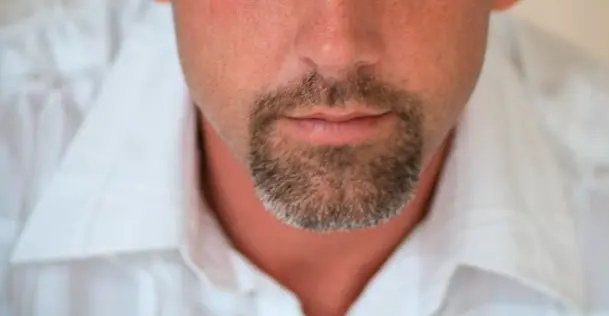
The circle beard is one of those styles that gets confused with a goatee constantly, even though the two have a meaningful difference once you look closely. Where a standard goatee can exist with or without a connected mustache, the circle beard specifically requires the mustache and chin beard styles to connect into one continuous, unbroken shape — forming a visual “circle” around the mouth. That single design choice changes the whole look, giving it a tighter, more deliberate, and slightly more formal appearance than a looser goatee.
It’s a deceptively simple-looking style that actually demands more precision than people expect. Because the entire look depends on a continuous, unbroken connection between the mustache and chin hair, any gap, uneven patch, or sloppy line immediately disrupts the “circle” the style is named for.
This guide walks through exactly what defines a the the circle beard, how it compares to a regular goatee, who it suits, and how to grow, trim, and maintain it properly. By the end, you’ll know:
- The exact definition of a circle-beard and what separates it from a goatee
- Which face shapes and hair types suit it best
- A full step-by-step growing and trimming guide
- A maintenance routine that keeps the connection clean and sharp
- Common mistakes and myths worth knowing before you commit
Let’s start with the definition.
Table of Contents
1. What Is a Circle Beard?
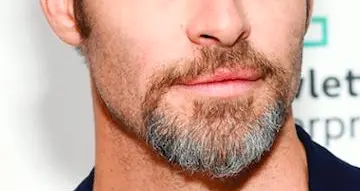
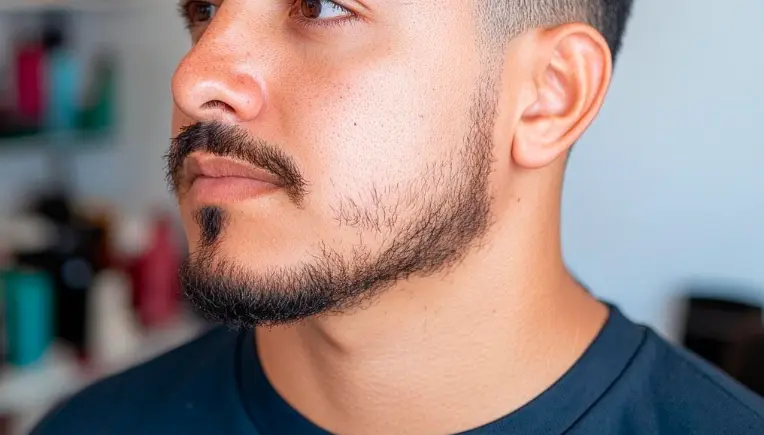
A circle-beard is a style of facial hair where the mustache connects directly and continuously to a closely trimmed chin beard, forming an unbroken circular shape around the mouth. The cheeks are kept fully shaved, isolating the circular shape from the rest of the face.
Key defining features:
- A continuous connection between the mustache and chin beard, with no gap
- A closely trimmed, evenly shaped chin section
- A neatly trimmed mustache that blends smoothly into the chin hair
- Completely clean-shaven cheeks
The result is a tidy, self-contained shape that frames the mouth without extending up the jawline or across the cheeks.
Read More About Types Of Beard Styles: https://beardstyles.net/types-of-beard-styles/
2. Circle Beard vs Goatee: What’s the Difference?
This is the single most common point of confusion, and it’s worth clarifying directly.
| Factor | Circle Beard | Standard Goatee |
| Mustache connection | Always connected, forming a continuous circle | Optional — can be connected or left as a separate chin patch |
| Shape | Rounded, unbroken loop around the mouth | Often more square or pointed, without requiring full connection |
| Styling difficulty | Medium-high | Low-medium |
| Maintenance frequency | High — the connecting hair needs constant upkeep | Medium |
| Best for | Men who want a tidy, self-contained, slightly more formal look | Men wanting a simpler, more flexible chin-focused style |
Bottom line: Every circle-beard is technically a type of goatee, but not every goatee is a circle bear. The defining factor is that unbroken connection between the mustache and chin hair — without it, you’re wearing a standard goatee instead.
Read More About Short Beard Styles: https://beardstyles.net/short-beard-styles/
3. Why the Circle Beard Requires More Precision Than It Looks
At first glance, the circle beard looks like one of the simpler styles — short, contained, no jawline lines to manage. In practice, a few things make it more demanding than it appears:
- The connecting hair between the mustache and chin grows at different rates and angles, often needing more frequent trimming to stay even than the rest of the beard.
- Any gap or thin patch breaks the entire visual concept. Unlike a fuller beard where minor unevenness blends in, a circle beard’s whole identity depends on that continuous loop.
- The cheek shave has to be impeccable. Since the style relies on contrast between bare cheeks and the circular shape, any stray stubble undermines the clean look significantly.
This is exactly why a the circle-beard is often recommended only once a man has a reasonably even, connected natural growth pattern between the mustache and chin — forcing the connection through styling alone on genuinely patchy growth rarely looks convincing.
Read More About Long Beard Styles: https://beardstyles.net/long-beard-styles/
4. Circle Beard Variations
Classic Circle Beard
A moderate-length version with a fully connected mustache and chin beard, kept to a clean, evenly rounded shape.
Styling difficulty: Medium-high. Maintenance level: High. Best for: Oval and round faces.

Tight circle-beard
A very closely trimmed version, kept short throughout, emphasizing a neat, compact shape rather than added volume.
Styling difficulty: Medium. Maintenance level: Medium-high — short length makes any unevenness more visible. Best for: Square and oval faces; suits a more minimalist personal style.
Circle Beard With Stubble
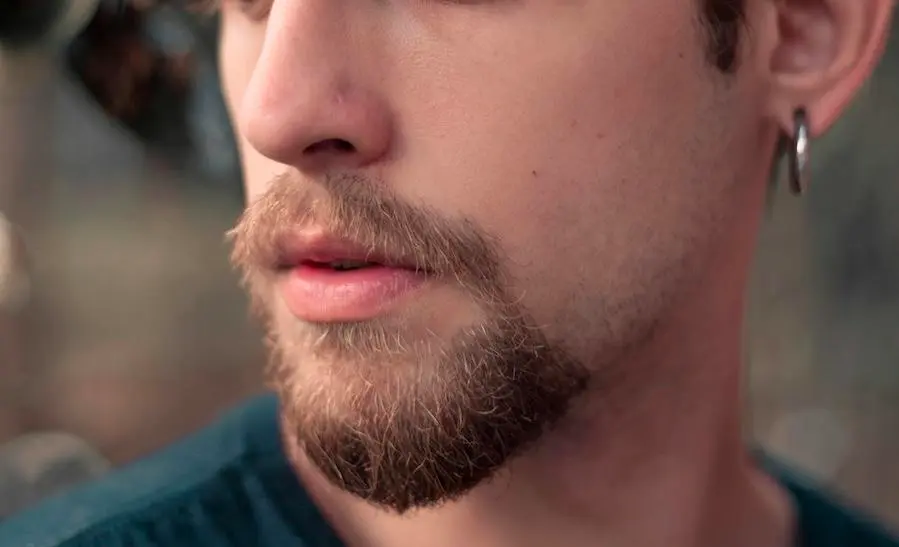
A the circle-beardd shape layered over light stubble across the rest of the jaw and cheeks, softening the contrast between the shaved cheeks and the defined chin shape.
Styling difficulty: Medium. Maintenance level: Medium. Best for: Men who want the circle shape with a slightly more relaxed overall look.

Read More About Goatee Styles: https://beardstyles.net/goatee-styles/
5. Circle Beard by Face Shape
| Face Shape | Suitability | Why |
| Round | Good | Adds a defined point of focus around the mouth, though shouldn’t be made too small or it can look lost on a fuller face |
| Square | Good | Softens the jaw by drawing attention toward the center of the face rather than the angular jawline |
| Oval | Excellent | Naturally balanced proportions suit the contained, rounded shape particularly well |
| Long/Narrow | Use with caution | The compact shape doesn’t add length the way an extended goatee or ducktail beard would |
| Diamond | Good | Adds definition to a narrower chin area |
| Heart | Use with caution | The circle beard’s contained shape doesn’t add the jawline width a heart-shaped face often benefits from |
Barber tip: On a long or narrow face, keep the circle slightly larger and more rounded rather than tightly trimmed, since added size in this area helps balance the face’s proportions better than a very compact shape.
Read More About Stubble Beard: https://beardstyles.net/stubble-beard/
6. Circle Beard by Hair Type
Thick, Coarse Hair
Holds the connected shape particularly well, since coarse hair maintains an even, defined loop between trims more reliably than fine hair.
Fine, Straight Hair
Can make the connecting section between the mustache and chin look thin or slightly disconnected. A circle-beard with surrounding stubble often reads as more deliberate on fine hair than a very tight, isolated version.
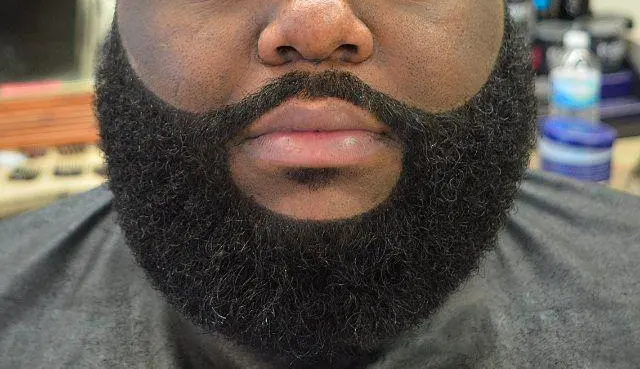
Curly or Coily Hair
Can work well, though curl pattern sometimes makes the connection look less uniform. Regular trimming and a wide-tooth comb help maintain a consistent shape.
Patchy Growth
This is the style most directly affected by patchiness, since the connection between the mustache and chin depends on reasonably even density in that specific area. Significant patchiness there is often better suited to a standard goatee without forcing a full connection.

Read More About Best Beard For Round Face: https://beardstyles.net/best-beard-for-round-face/
7. How to Grow and Trim a Circle Beard (Step by Step)
- Grow everything out for 3–4 weeks. You need enough length and density to assess whether your natural mustache-to-chin connection is even enough to support the style.
- Shave the cheeks first. This immediately reveals the basic shape and isolates the area you’ll be working with.
- Trim the chin section into a rounded shape. Aim for an even, circular outline rather than a square or pointed one.
- Connect the mustache to the chin beard. Trim the connecting hair to maintain a smooth, continuous line with no visible gap.
- Even out the mustache itself. Keep it tidy and proportional to the chin section so the overall shape reads as one continuous loop rather than two separate pieces.
- Clean up all edges with a detail trimmer. Precision here is what makes the difference between a sharp circle beard and an uneven, half-formed shape.
- Check the shape from multiple angles. A circle beard’s symmetry is easy to disrupt with even minor unevenness, so regular checks in good lighting are worthwhile.
Realistic expectation: A clean circle-beard typically takes 4–5 weeks to fully come in and shape properly, assuming reasonably even mustache and chin growth from the start.
8. Short Circle Beard: A Lower-Maintenance Option
A short circle beard — kept tighter and closer to the skin than the classic version — is worth calling out specifically, since it’s often the more practical choice for men newer to the style.
Why a Short Circle Beard Works Well
- Faster to grow in. A tighter, shorter shape requires less overall length, meaning less time spent in an awkward in-between growth stage.
- Easier to keep even. Shorter hair shows less drift between trims compared to a fuller, longer circle-beard.
- More forgiving of minor density variation, since shorter length naturally minimizes the visibility of small inconsistencies.
Maintenance for a Short Circle Beard
A short circle-beard still needs the cheeks shaved every 2–3 days and the connecting line trimmed weekly, but the overall upkeep is generally less demanding than a fuller, longer version.
9. How to Maintain a Circle Beard
Daily
- Check the cheeks for stray stubble — even light regrowth disrupts the clean contrast the style depends on
- Apply a small amount of beard oil to the chin and mustache area to keep hair soft
Every 2–3 Days
- Shave the cheeks to maintain the clean, isolated shape
- Touch up the connecting line between the mustache and chin if it’s started to blur
Weekly
- Trim the overall shape to maintain a consistent, rounded outline
- Reassess the mustache’s proportion relative to the chin section
Skin Care
Frequent shaving close to the circular shape can cause irritation or ingrown hairs, particularly with coarse or curly hair. A gentle pre-shave routine and shaving with the grain help minimize this.
Read More About Patchy Beard: https://beardstyles.net/patchy-beard/
10. Tools You Need for a Circle Beard
- Detail trimmer or edger — essential for shaping the rounded outline and the mustache-to-chin connection
- Razor — needed to keep the cheeks completely clean
- Mustache comb or scissors — for evening out the mustache section
- Beard oil — softens the chin and mustache hair and reduces itchiness
- Shaving cream or gel — minimizes irritation on frequently shaved skin
- Mirror with good lighting — useful for checking the shape’s symmetry from multiple angles
Read More About Best Beard For Oval Face: https://beardstyles.net/best-beard-for-oval-face/
11. Is the Circle Beard Professional?
The circle beard generally reads as neat, contained, and intentional, which works in its favor for most professional settings.
Generally accepted in: Most offices, client-facing roles, and conservative workplaces, given its tidy, compact appearance. Worth checking dress codes for: Extremely traditional industries that prefer a fully clean-shaven look or only the simplest stubble styles.
Professional barber advice: A tight, short circle-beard with crisp cheek lines often reads as more polished and professional than a fuller, looser version of the same style.
Read More About Balbo Beard: https://beardstyles.net/balbo-beard/
12. Common Mistakes With the Circle Beard
- Forcing the connection on patchy growth — results in a thin, inconsistent line that undermines the clean shape the style depends on
- Letting the cheeks grow out between shaves — breaks the contrast that defines the entire look
- Making the mustache disproportionately large or small relative to the chin section — disrupts the visual balance of the circular shape
- Trimming an uneven outline — since the shape is meant to be a clean circle, any asymmetry is immediately noticeable
- Skipping regular upkeep on the connecting line — this area grows unevenly and needs more frequent trimming than people often expect
Read More About Ducktail Beard: https://beardstyles.net/ducktail-beard/
13. Common Myths About the Circle Beard
Myth: A circle beard is just a goatee with a different name. While related, the defining feature — a fully connected mustache and chin beard forming an unbroken loop — sets it apart from a standard goatee, which doesn’t require that connection.
Myth: The circle beard is low-maintenance because it’s compact. The connecting section between the mustache and chin actually needs frequent, precise trimming, and the surrounding cheeks require regular shaving.
Myth: Any beard growth pattern can be shaped into a circle beard. The style depends on reasonably even density specifically between the mustache and chin; significant patchiness in that area makes the connection difficult to maintain convincingly.
Myth: The circle-beard only works on certain “ideal” face shapes. While particularly effective on oval and round faces, it can be adapted to most face shapes with the right proportions, though long or heart-shaped faces may benefit more from a different style.
Read More About Van Dyke Beard: https://beardstyles.net/van-dyke-beard/
14. Who Should Avoid a Circle Beard
The circle beard isn’t the right choice for everyone. Consider a different style if:
- Your mustache and chin growth are noticeably patchy or disconnected naturally, since forcing the connection rarely looks as clean as genuine, even growth
- You’re not willing to shave your cheeks every 2–3 days, since regrowth there undermines the entire look
- You have a long or narrow face seeking added length, since the circle-beard’s compact shape doesn’t provide the elongating effect of styles like the ducktail or extended goatee
- You prefer a lower-maintenance style overall; a classic goatee offers similar chin-focused styling with less precision required
15. Conclusion
The circle beard rewards precision in a way that’s easy to underestimate at first glance. Its defining feature — a fully connected mustache and chin beard forming a clean, unbroken loop — depends on reasonably even natural growth and consistent upkeep of both the connecting hair and the surrounding shaved cheeks.
If your mustache and chin growth connect reasonably well naturally, this is one of the tidier, more deliberate-looking styles available, particularly on oval and round faces. If you’re not sure your growth pattern supports it, a standard goatee offers a similar chin-focused look with considerably more flexibility and less daily precision required.
FAQ
1. What is a circle beard? A circle beard is a style where the mustache connects directly to a closely trimmed chin beard, forming an unbroken circular shape around the mouth, with the cheeks kept fully shaved.
2. What’s the difference between a circle-beard and a goatee? A circle-beard requires the mustache and chin beard to be fully connected into one continuous shape, while a standard goatee can have the chin hair grown separately from the mustache.
3. Is a circle beard hard to maintain? Yes, relatively — it requires near-daily cheek shaving and frequent, precise trimming of the connecting section between the mustache and chin.
4. What face shape suits a circle-beard best? Oval and round face shapes generally suit the circle-beard particularly well, thanks to its compact, contained shape.
5. Can I get a circle-beard with patchy facial hair? It depends on reasonably even growth specifically between the mustache and chin; significant patchiness in that area makes it difficult to maintain a convincing, unbroken connection.
6. How long does it take to grow a circle-beard? Most circle-beards take around 4–5 weeks to fully come in and be properly shaped, assuming reasonably even natural connection between the mustache and chin.
7. Is a circle-beard the same as a goatee with a mustache? Not exactly — while similar, a circle-beard specifically requires the mustache and chin hair to connect into one continuous loop, which isn’t a requirement for a standard connected goatee.
8. Is a circle-beard professional enough for work? Yes, generally — its neat, contained appearance is widely accepted in most professional and client-facing roles, especially when kept short and well-defined.
9. How do I trim a circle beard myself? Shave the cheeks first, trim the chin into a rounded shape, connect the mustache to the chin beard with a clean line, even out the mustache, and refine all edges with a detail trimmer.
10. What’s a short circle-beard? A short circle-beard is a tighter, closer-trimmed version of the style, generally faster to grow in and slightly easier to maintain than a fuller, longer version.
11. How often should I shave around a circle beard? Most men need to shave the cheeks every 2–3 days to maintain the clean contrast that defines the circle-beard’s appearance.
12. What tools do I need for a circle-beard? A detail trimmer, a razor, a mustache comb or scissors, beard oil, and a mirror with good lighting are the essential tools for shaping and maintaining a circle beard.
13. Can curly hair work for a circle-beard? Yes, though curl pattern can make the mustache-to-chin connection look slightly less uniform, so more frequent trimming helps maintain a consistent shape.
14. Why does my circle beard look uneven? This is usually caused by an inconsistent connecting line between the mustache and chin, regrowth on the cheeks between shaves, or a disproportionate mustache relative to the chin section.
15. Is a circle-beard suitable for a long face? It can work, but the compact shape doesn’t add the visual length a long face often benefits from, so styles like the ducktail beard or extended goatee may be a better fit.