 By Beard Style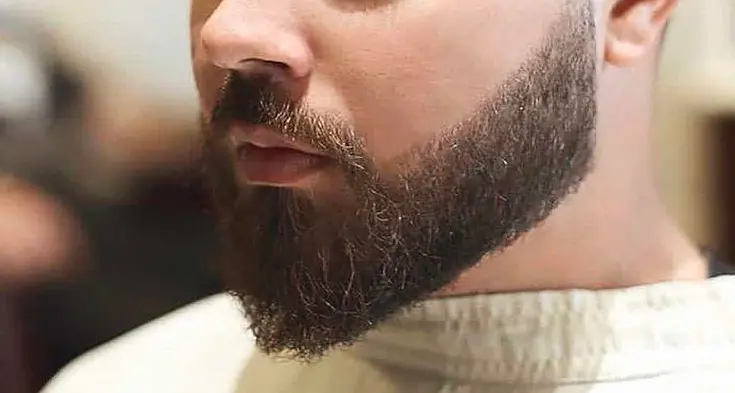
The ducktail beard has quietly become one of the most requested styles at barbershops, and once you understand why, it’s not surprising. It takes the volume and presence of a full beard style and adds one deliberate detail — a tapered point at the chin — that instantly makes the whole look feel more shaped, more intentional, and frankly more flattering on a wider range of face shapes than a beard left in its natural, rounded form.
What makes the ducktail beard tricky is that the taper has to actually look like styling, not an accident. A few too many millimeters in the wrong place and a sharp ducktail point turns into something that looks more like a beard that simply wasn’t trimmed evenly. Getting it right comes down to understanding the shape itself, your own growth pattern, and a trimming routine that maintains the point without letting it round back out within a week.
This guide covers everything: what a ducktail beard actually is, who it suits, how to trim and grow one step by step, how it pairs with a fade haircut, and the most common mistakes that turn a sharp ducktail into a shapeless mess. By the end, you’ll know:
- The exact definition and key variations of the ducktail beard
- Which face shapes and hair types suit it best
- A full trimming and shaping walkthrough
- How to pair a ducktail beard with a modern fade haircut
- Maintenance routines and mistakes worth avoiding
Let’s start with the basics.
Table of Contents
1. What Is a Ducktail Beard?
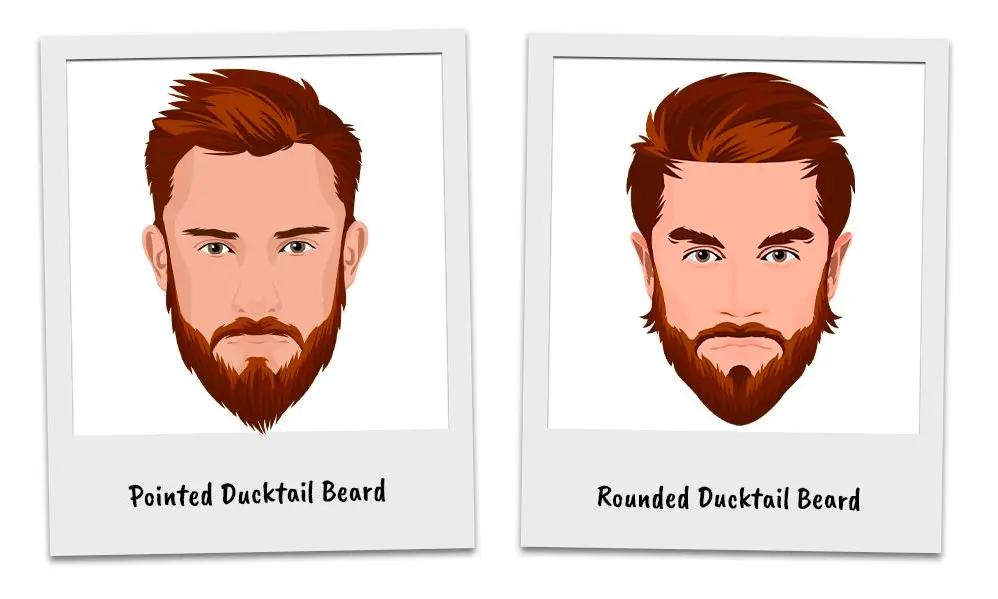
A ducktail beard is a beard style that tapers to a defined point at the chin, named for its resemblance to a duck’s tail feathers. Unlike a fully rounded full beard, where the bottom edge follows a soft curve, a ducktail is deliberately trimmed to draw the cheeks and jawline hair down into a single, narrower point.
Key defining features:
- A clearly tapered, pointed chin shape
- Fuller width through the cheeks and jaw that narrows toward the bottom
- Can be worn at short, medium, or long lengths — the taper, not the length, defines the style
- Usually paired with a well-maintained mustache that blends into the upper part of the beard
This taper is what separates a ducktail from a classic full beard or a Garibaldi, both of which keep a rounder, fuller shape throughout.
Read More AboutTypes Of Beard Styles: https://beardstyles.net/types-of-beard-styles/
2. Why the Ducktail Beard Works So Well
The ducktail’s popularity isn’t accidental — it solves a real styling problem.
- It adds visual length. The pointed taper draws the eye downward, which is especially flattering on round or square faces that benefit from added length.
- It works at almost any beard length. Unlike styles defined by a specific length (like stubble or a Garibaldi), the ducktail’s defining feature is its shape, so it can be grown short, medium, or long.
- It looks deliberate rather than natural. A beard with a sharp, tapered point reads as styled and intentional in a way a fully rounded beard sometimes doesn’t.
- It pairs well with modern haircuts. The structured shape complements fades and other textured haircuts particularly well.
The trade-off is upkeep. A ducktail’s point rounds out fairly quickly without regular trimming, since hair naturally grows outward rather than maintaining a taper on its own.
Read More About Short Beard Styles: https://beardstyles.net/short-beard-styles/
3. Ducktail Beard Variations
Classic Ducktail
A medium-length beard with a moderate, evenly tapered point at the chin and full width through the cheeks.
Styling difficulty: Medium-high. Maintenance level: Medium-high — the point needs trimming roughly every 1–2 weeks to stay sharp. Best for: Square, round, and oval faces.
Short Ducktail
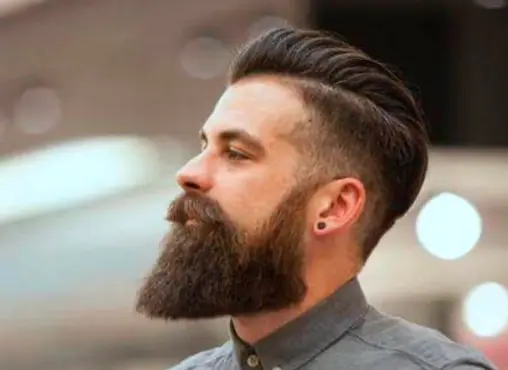
A shorter version, generally under an inch, with a subtler taper than the classic or long variations.
Styling difficulty: Medium. Maintenance level: Medium. Best for: Men who want the tapered effect with less overall length and maintenance commitment.
Long Ducktail Beard
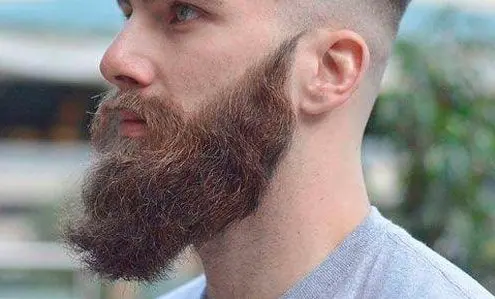
A longer, fuller version, often reaching three inches or more, with a more pronounced taper and significant length through the cheeks.
Styling difficulty: High. Maintenance level: High — both shape and conditioning require regular attention. Best for: Square and oval faces with strong jawlines; covered in more detail later in this guide.

Modern Ducktail (Fade-Paired)
A ducktail beard specifically shaped to complement a skin fade or textured crop haircut, often with slightly sharper, more geometric cheek lines than the classic version.
Styling difficulty: Medium-high. Maintenance level: Medium-high. Best for: Younger, trend-conscious men pairing facial hair with a modern haircut.
Read More About Long Beard Styles: https://beardstyles.net/long-beard-styles/
4. Ducktail Beard by Face Shape
| Face Shape | Suitability | Why |
| Square | Excellent | Adds length that balances a strong, wide jaw |
| Round | Good, with care | Adds visual length, though shouldn’t be made too wide through the cheeks |
| Oval | Good | Naturally balanced proportions suit a moderate taper well |
| Long/Narrow | Use with caution | The added taper can over-elongate an already long face; keep the point less sharp |
| Diamond | Good | The taper complements a narrow chin reasonably well |
| Heart | Good | Adds width at the jaw while tapering naturally below |
Barber tip: On a round face, keep the cheek line slightly fuller and the point moderately sharp rather than extremely narrow — this adds length without making the beard look disproportionately small relative to the face.
Read More About Goatee Styles: https://beardstyles.net/goatee-styles/
5. Ducktail Beard by Hair Type
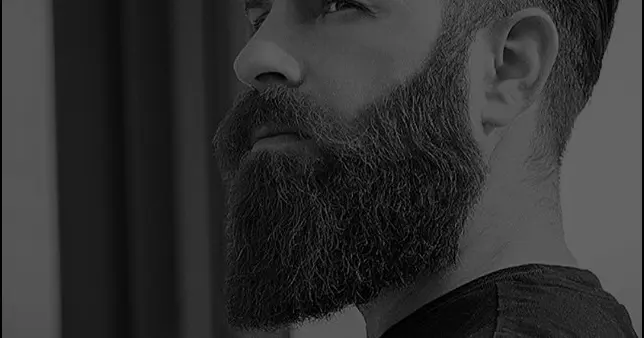
Thick, Coarse Hair
Holds a sharp taper particularly well, since coarse hair maintains its shape between trims better than fine hair.
Fine, Straight Hair
Can struggle to hold a crisp point at length, since fine hair has less natural structure. A shorter ducktail variation, or more frequent trimming, helps maintain definition.

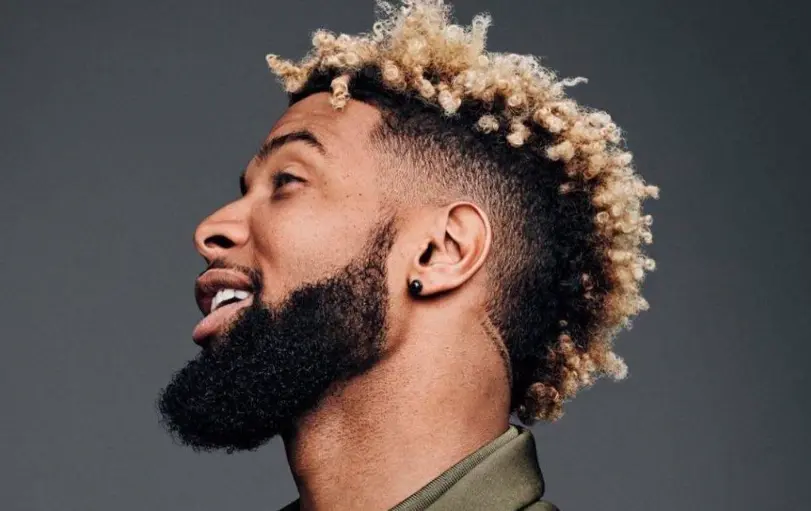
Curly or Coily Hair
Can work well, though the curl pattern sometimes blurs the sharpness of the taper. Regular detail trimming and light conditioning help keep the point visible and defined.
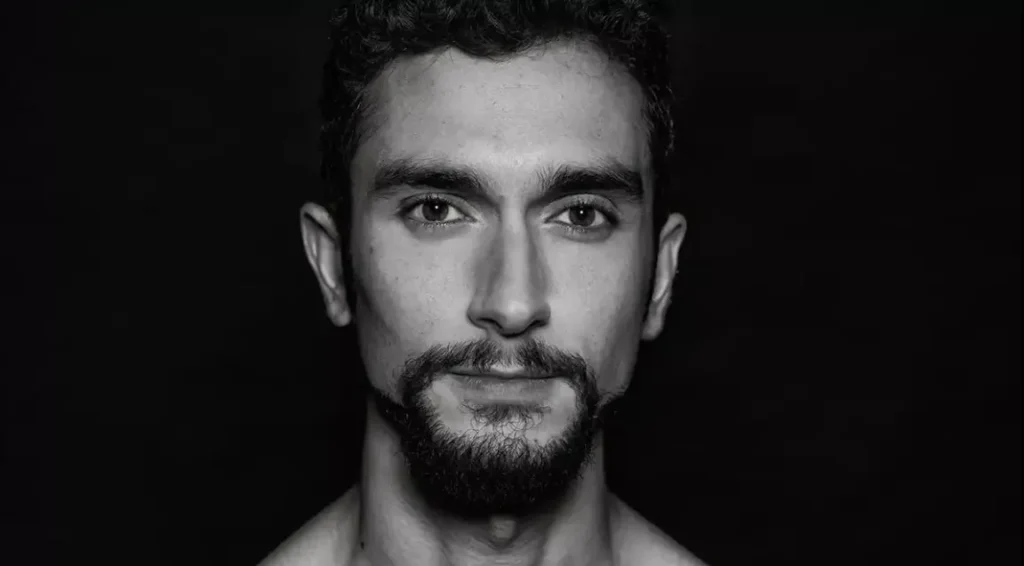
Patchy Growth
The ducktail relies on reasonably even growth through the cheeks and chin to create its taper effect. Significant patchiness in these areas may be better suited to a goatee or extended goatee instead, where the surrounding cheek hair is removed entirely rather than relied upon for shape.
Read More About Stubble Berad: https://beardstyles.net/stubble-beard/
6. How to Grow and Trim a Ducktail Beard (Step by Step)
- Grow for at least 4–6 weeks before attempting the taper. You need enough length and density to actually shape a point — trying too early often results in an uneven, premature taper.
- Identify your natural chin point. Most faces have a slightly more prominent center point at the chin; this becomes the apex of your taper.
- Trim the sides shorter than the center. Gradually taper length from the fuller cheek width down toward the central chin point.
- Use a comb to check symmetry. Comb the beard downward and check that both sides taper evenly toward the same central point.
- Define the cheek line. A clean, slightly raised cheek line helps frame the taper and makes the overall shape look more deliberate.
- Trim the mustache to blend smoothly into the upper beard. A disconnected or unevenly trimmed mustache disrupts the otherwise unified taper.
- Touch up the point every 1–2 weeks. The taper will naturally round out as hair grows, so regular maintenance trims are necessary to preserve the shape.
Realistic expectation: A clean, well-defined ducktail typically takes 6–8 weeks of growth and shaping before it looks fully intentional, especially for the longer variations.
Read More AboutBest Beard For Round: https://beardstyles.net/best-beard-for-round-face/
7. Long Ducktail Beard: What Changes at Length
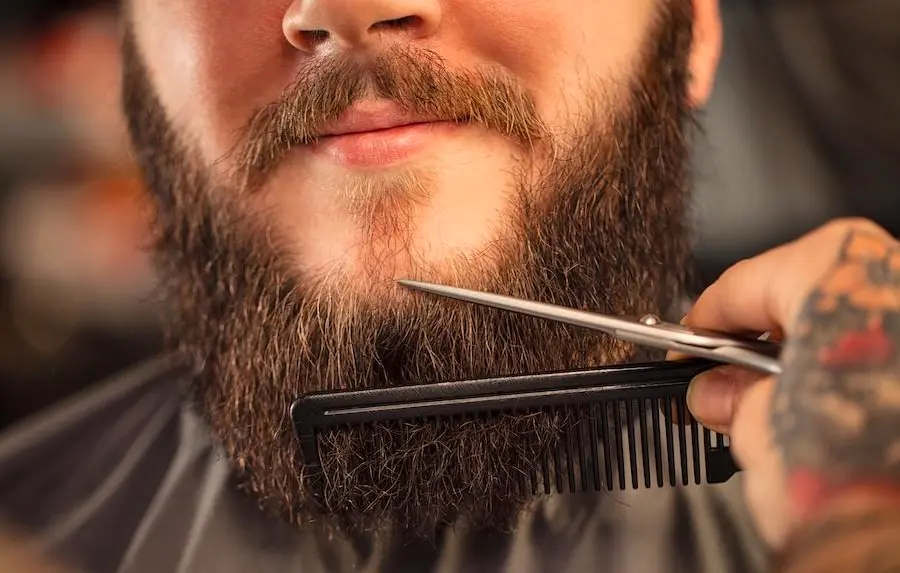
A long ducktail beard — generally three inches or more — shares the same basic taper principle as shorter versions but comes with a few additional considerations.
More Pronounced Taper
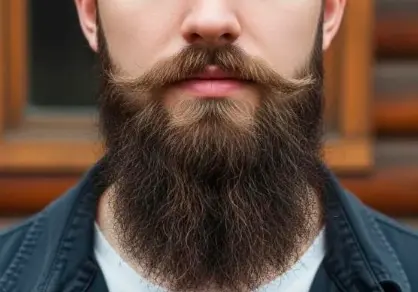
At length, the contrast between the fuller cheek width and the narrow chin point becomes much more visible, which can look striking when well-maintained or noticeably uneven when neglected.
Increased Conditioning Needs
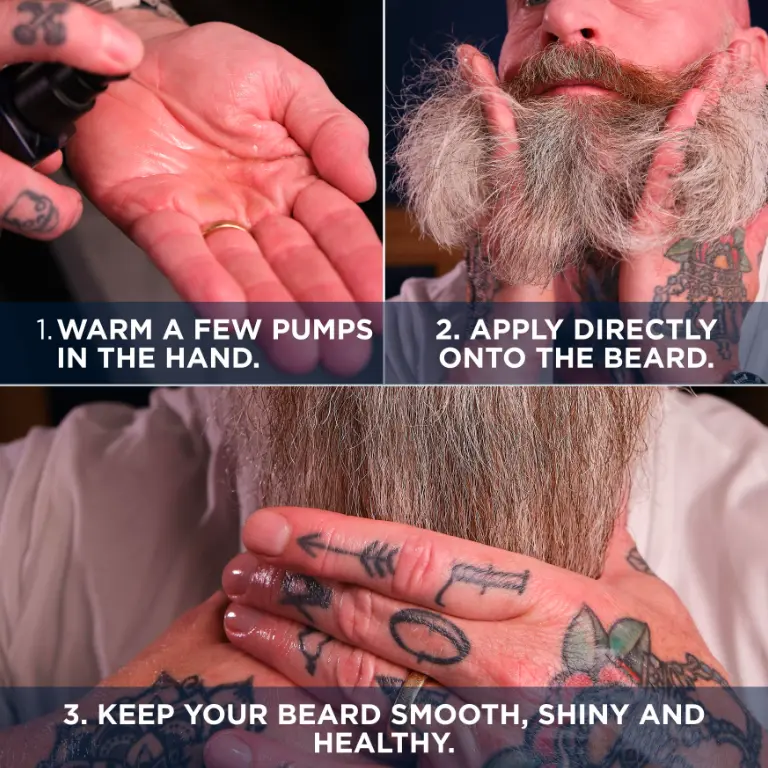
Longer hair is more prone to dryness, frizz, and tangling. Regular beard oil and occasional conditioner are essential to keep a long ducktail looking smooth rather than wiry.
More Frequent Trimming of the Point Specifically
While the overall length is allowed to grow, the point itself still needs trimming every 1–2 weeks to prevent it from rounding out, even as the rest of the beard continues growing.
Face Shape Considerations
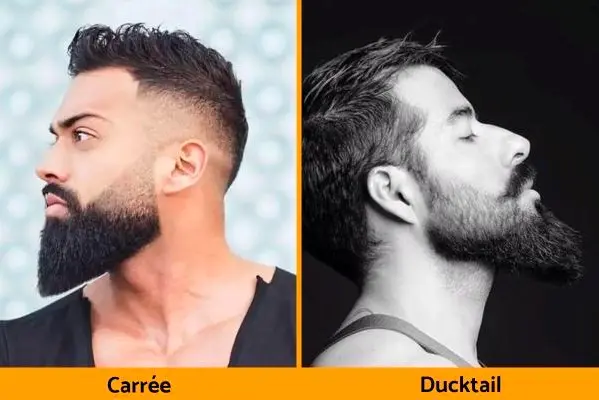
A long ducktail works particularly well on square faces with strong jawlines that can support the added length and width. It’s generally not recommended for already long or narrow faces, since the combination of length and a sharp taper can significantly over-elongate the face.
8. Ducktail Beard Fade: Pairing It With a Haircut
Pairing a ducktail beard with a fade haircut has become one of the most popular combinations in modern barbering, and for good reason — both styles share a similar philosophy of structured, deliberate shaping.
How to Approach the Pairing
- Match the cheek line height to your fade’s taper line for a cohesive, unified look between the haircut and beard
- Keep the ducktail’s point proportional to the fade’s intensity — a very sharp, dramatic fade often pairs well with a more defined, pronounced taper, while a subtler fade suits a softer ducktail point
- Maintain both simultaneously. A sharp fade with an overgrown, undefined beard (or vice versa) breaks the cohesive look the pairing is meant to create
Barber tip: If you’re getting both done professionally, ask your barber to shape the beard and haircut in the same session — it’s much easier to match the lines and proportions when both are visible at once.
Read More About Patchy Beard : https://beardstyles.net/patchy-beard/
9. How to Maintain a Ducktail Beard
Daily
- Apply beard oil, focusing on the chin point and any areas prone to dryness
- Comb downward to check that the taper hasn’t started rounding out
Weekly
- Touch up the point with a detail trimmer to maintain its defined shape
- Re-check and clean up the cheek line and neckline
Every 2–4 Weeks
- Trim the overall length to maintain consistency, particularly important for longer ducktail variations
- Reassess symmetry, since the taper can drift slightly uneven over time without regular correction
Skin Care
The skin underneath any beard benefits from gentle, regular washing rather than daily use of harsh shampoo, which can dry out both the hair and the skin beneath it, particularly noticeable on longer ducktail variations.
Read More About Best Beard For Oval Face:https://beardstyles.net/best-beard-for-oval-face/
10. Tools You Need for a Ducktail Beard
- Trimmer with adjustable guards — for overall length maintenance
- Detail trimmer or edger — essential for shaping and maintaining the chin point
- Beard comb — used constantly to check symmetry and train the taper
- Beard oil — keeps hair soft and manageable, especially important for longer ducktail variations
- Beard balm — helps hold the taper’s shape throughout the day, particularly useful for longer or finer hair
- Mustache scissors — for blending the mustache smoothly into the upper beard
Read More About Balbo Beard: https://beardstyles.net/balbo-beard/
11. Ducktail vs Full Beard: Which Should You Choose?
| Factor | Ducktail Beard | Full Beard |
| Defining feature | Tapered point at chin | Even, rounded coverage |
| Styling difficulty | Medium-high | Medium |
| Maintenance frequency | High (point needs regular touch-ups) | Medium |
| Best for adding visual length | Yes | Less effectively |
| Best for round or square faces | Particularly effective | Moderately effective |
| Growth time | 4–8 weeks depending on length | 2–4 months for a full, even look |
Bottom line: A full beard is the simpler, lower-maintenance choice for even, natural coverage, while a ducktail offers more deliberate shaping and added visual length at the cost of more frequent touch-ups.
12. Is the Ducktail Beard Professional?
The ducktail beard generally reads as well-groomed and intentional, making it broadly acceptable in most workplaces, provided it’s properly maintained.
Generally accepted in: Most modern offices, creative industries, client-facing roles, hospitality. Worth checking dress codes for: Very traditional or conservative industries that prefer simpler, less shaped styles like a corporate beard.
Professional barber advice: A shorter ducktail with a moderate, well-maintained point tends to read as more conservative and professional than a long, dramatically tapered version.
13. Common Mistakes With the Ducktail Beard
- Trimming the point too early, before enough length and density have grown in — often results in an uneven, premature taper
- Letting the point round out between trims — the single most common mistake, since hair naturally grows back toward a rounded shape without regular maintenance
- Making the taper too sharp or narrow — can look costume-like or unnatural rather than intentionally styled
- Neglecting the cheek line — an undefined cheek line undermines the structured look the ducktail depends on
- Skipping conditioning on longer variations — leads to frizz and a less polished overall appearance
- Uneven symmetry — trimming one side slightly shorter than the other is more noticeable on a ducktail than on a fuller, rounder beard style
14. Common Myths About the Ducktail Beard
Myth: The ducktail is only a long beard style. The defining feature is the tapered point, not a specific length — short and medium ducktail variations are just as valid as longer ones.
Myth: Any beard naturally tapers into a ducktail shape over time. Without deliberate trimming, most beards round out at the bottom rather than naturally forming a defined point.
Myth: The ducktail only suits long or narrow faces. It’s actually particularly effective on square and round faces, where the added visual length helps balance proportions; long or narrow faces should approach it with more caution.
Myth: Once shaped, a ducktail maintains itself. The point requires regular trimming, typically every 1–2 weeks, to prevent it from rounding back out as hair grows.
15. Who Should Avoid a Ducktail Beard
The ducktail isn’t the ideal choice for everyone. Consider a different style if:
- You have a long or already narrow face, since the added taper can over-elongate your features further
- Your cheek and chin growth is significantly patchy, since the taper depends on reasonably even density to look intentional rather than accidental
- You’re not willing to commit to trimming the point every 1–2 weeks, since neglect quickly rounds the taper back out
- You prefer a low-maintenance style; a classic full beard or heavy stubble will require significantly less upkeep
16. Conclusion
The ducktail beard earns its popularity by doing something most beard styles don’t: adding deliberate, visible shape rather than relying purely on length or volume. The tapered point adds length to round and square faces in particular, and pairs especially well with modern fade haircuts when both are maintained with the same level of attention to detail.
If you’re growing one for the first time, give it at least four to six weeks before attempting to shape the point, invest in a reliable detail trimmer, and commit to touching up the taper every couple of weeks. Done well, it’s one of the more distinctive, polished-looking beard styles available — done carelessly, it’s one of the quickest to look unintentional.
FAQ
1. What is a ducktail beard? A ducktail beard is a style that tapers to a defined point at the chin, with fuller width through the cheeks narrowing down to a single point, regardless of overall length.
2. How long does it take to grow a ducktail beard? Most ducktail beards take 4–8 weeks to grow and shape into a fully intentional-looking taper, depending on the desired length and your individual growth rate.
3. Does a ducktail beard suit a round face? Yes — the tapered point adds visual length to a round face, though the cheek width should be kept moderate rather than excessively wide.
4. How do I trim a ducktail beard at home? Grow the beard out for several weeks, then trim the sides progressively shorter toward a central chin point, checking symmetry frequently with a comb and finishing with a detail trimmer for sharp edges.
5. What’s the difference between a short and long ducktail beard? A short ducktail has a subtler taper at a shorter overall length, while a long ducktail beard features a more pronounced taper with significantly more length and volume through the cheeks.
6. How often do I need to trim a ducktail beard’s point? Most ducktail styles need the point touched up every 1–2 weeks, since the taper naturally rounds out as hair grows without regular trimming.
7. Does a ducktail beard pair well with a fade haircut? Yes — the structured, deliberate shape of a ducktail beard complements a fade particularly well, especially when both are maintained and shaped in proportion to each other.
8. Is a ducktail beard professional? Generally yes, particularly shorter, moderately tapered versions; very long or dramatically tapered ducktails may be better suited to more creative or casual workplaces.
9. Can a ducktail beard work with patchy facial hair? It depends on reasonably even cheek and chin density to look intentional; significant patchiness in these areas may be better suited to a goatee or extended goatee instead.
10. What’s the best hair type for a ducktail beard? Thick, coarse hair holds a sharp taper particularly well, though fine and curly hair types can also work with more frequent trimming and conditioning.
11. Why does my ducktail beard look uneven? Uneven tapering is usually caused by trimming one side slightly differently than the other, or by allowing the point to round out between trims rather than maintaining it consistently.
12. Should I grow a ducktail beard long or short? This depends on your face shape, maintenance preference, and hair type — square and oval faces generally suit longer versions well, while most other shapes do well with a short or classic-length ducktail.
13. What products do I need for a ducktail beard? Beard oil, beard balm for hold, a detail trimmer for the point, and a comb for checking symmetry are the essential tools and products for maintaining a ducktail.
14. Can I get a ducktail beard fade at the barbershop? Yes — many barbers offer combined beard and haircut sessions specifically to shape a ducktail beard fade, matching the beard’s cheek line to the haircut’s taper.
15. Why does my ducktail beard’s point keep disappearing? This happens because hair naturally grows outward and rounds out the taper over time; regular trimming every 1–2 weeks is needed to maintain the defined point.