 By Beard Style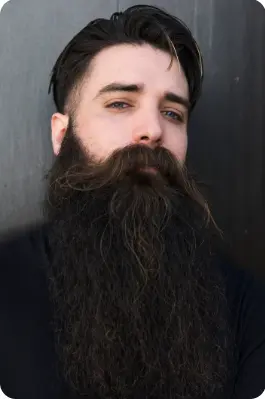
Growing a long beard is a commitment most men underestimate. It’s not just “not shaving for a few months” — it’s months of itchiness, awkward in-between stages, patchy patches that may or may not fill in, and a stretch of time where you’ll genuinely wonder if it’s worth it. Then, somewhere around month four or five, it suddenly clicks. The shape settles in, the volume fills out, and you’ve got a long beard styles that actually looks intentional rather than neglected.
This guide covers everything you need to know about long beard styles — from the rounded, voluminous Garibaldi to the Viking-inspired braided beard. We’ll walk through which face shapes and hair types suit each style, how long they realistically take to grow, the maintenance routine that keeps a long beard from looking like a tangled mess, and the mistakes that turn a promising long beard into a frizzy disappointment.
By the end of this guide, you’ll know:
- The most popular long beard styles and what defines each one
- Which long beard styles suits your face shape and hair type
- A realistic month-by-month growth timeline
- The exact tools and products needed to maintain length without looking unkempt
- Common mistakes, myths, and when a long beard isn’t the right choice
Let’s get into the details.
Table of Contents
1. What Counts as a Long Beard?
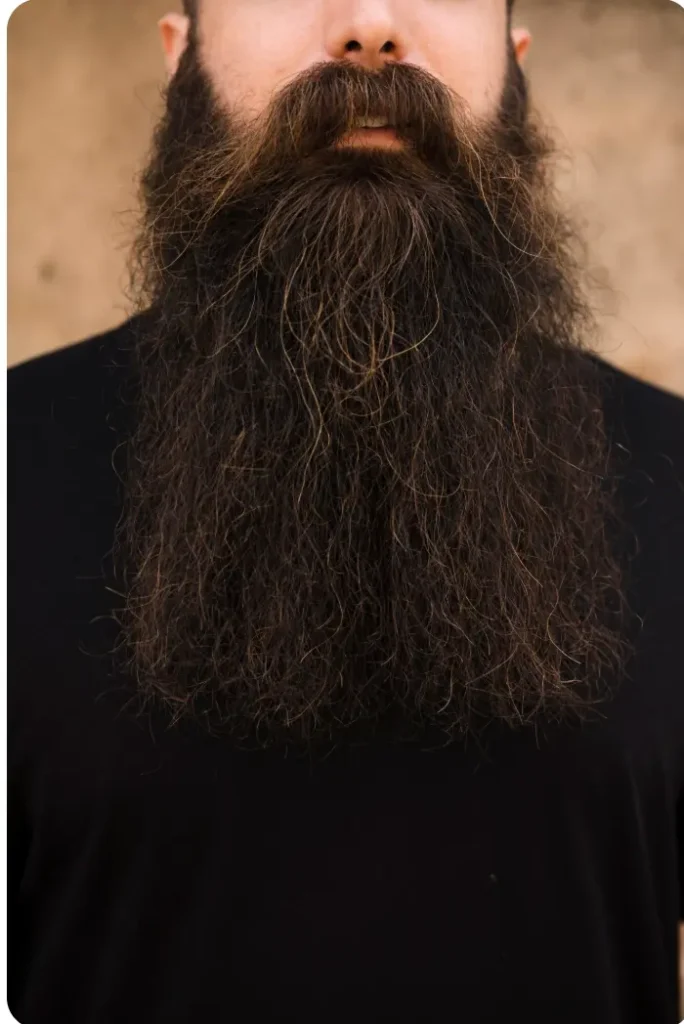
In barbering terms, a long beard generally starts around 4 inches in length, though some classifications place the line slightly earlier, around 3 inches. Anything shorter typically falls into “medium beard” territory, covering styles like the classic full beard or ducktail beard.
Long beard styles require significantly more time, patience, and daily care than short or medium styles. Most take a minimum of four to six months to reach a fully shaped, intentional-looking result, and some men need eight months or more depending on their natural growth rate.
2. Why Long Beards Take More Than Just Patience
A lot of guides make growing a long beard sound like a waiting game. It’s not. Three other factors matter just as much as time:
- Genetics control density and speed. Two men starting on the same day can end up with very different beards after six months, purely due to follicle density and growth rate.
- Consistent care prevents damage. Long hair is more prone to dryness, split ends, and tangling than short hair, so skipping beard oil or conditioner becomes more noticeable the longer it grows.
- Shape requires maintenance, not neglect. A long beard still needs trimming — just less frequently and more carefully than a short style.
Realistic expectation: Expect an awkward, somewhat shapeless phase between months two and four. This is normal and doesn’t mean your beard “isn’t working.”
Raed More: Beard Care Checklist (Daily, Weekly, and Monthly)
3. Types of Long Beard Styles
Garibaldi Beard
A rounded, full, voluminous beard typically reaching 4–6 inches, named after Italian general Giuseppe Garibaldi. It’s bushy but not shapeless — barbers usually trim it into a soft, rounded outline.
Styling difficulty: Medium — shape is rounded rather than sharply lined. Maintenance level: High — daily brushing and conditioning are essential to prevent frizz. Best for: Square and oval faces with strong jawlines that can support the added volume. Who should avoid it: Men with already round or full faces, since the volume can overwhelm the proportions.

Verdi Beard
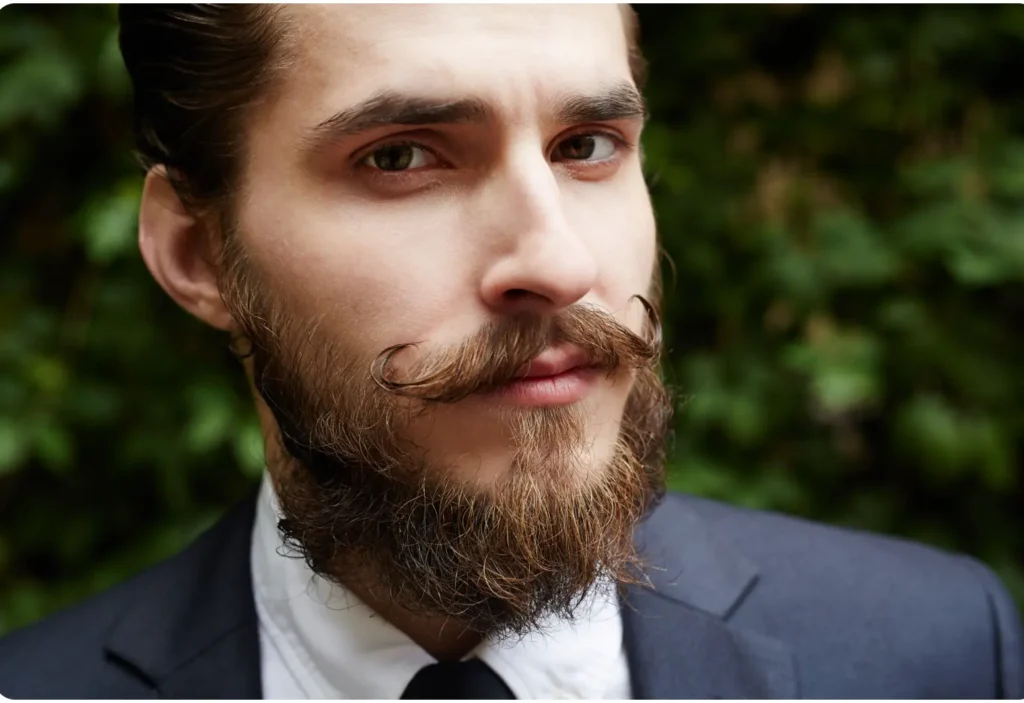
Similar to the Garibaldi in length and roundness, but typically paired with a fuller, slightly upturned mustache and a marginally more tapered bottom.
Styling difficulty: Medium-high. Maintenance level: High — needs regular beard oil to manage dryness at length. Best for: Round, full faces that can carry extra volume without looking heavier.
Bandholz Beard
A thick, natural, all-encompassing beard with minimal shaping, often grown past 6 inches. Named after grooming entrepreneur Eric Bandholz, it’s one of the most recognized “let it grow” long beard styles.
Styling difficulty: Low-shaping, but high-care. Maintenance level: High — requires consistent conditioning to avoid a frizzy, unkempt appearance. Best for: Oval and long faces with thick, naturally growing facial hair.
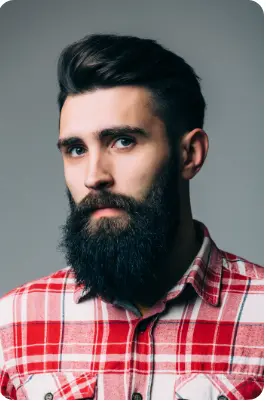
Viking Beard
A long, often slightly wild beard associated with Norse warrior imagery, frequently styled with braids, beads, or simple twists along sections of the beard.
Styling difficulty: High, if braided or styled; low if left natural. Maintenance level: High — braided sections need re-styling every few days, and the beard overall needs heavy conditioning. Best for: Square and oval faces; works particularly well with thick, coarse hair that holds a braid.

Hipster Beard
A long, loosely shaped beard usually paired with a man-bun, undercut, or textured haircut. Lines are soft rather than sharply defined.
Styling difficulty: Low-medium. Maintenance level: Medium-high — focuses more on softness and conditioning than precision. Best for: Most face shapes, since the relaxed structure is forgiving of minor asymmetry.

Long Ducktail Beard
A longer version of the classic ducktail, tapering to a defined point at the chin while maintaining significant length and fullness through the cheeks.
Styling difficulty: High — the taper needs regular trimming to stay sharp at length. Maintenance level: High. Best for: Square and oval faces. Use caution on already long or narrow faces, since the pointed taper adds further visual length.

Long French Beard
An elongated version of the French beard, with a narrower but longer strip of hair along the jaw and chin, connected to a full mustache.
Styling difficulty: High. Maintenance level: High — thin sections need frequent edging even as the length grows. Best for: Oval and diamond faces.
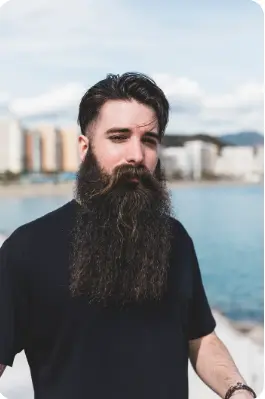
4. Long Beard Styles by Face Shape
| Face Shape | Best Long Beard Styles | Why It Works |
| Square | Garibaldi, Viking beard | Strong jawline supports added volume without overwhelming proportions |
| Oval | Bandholz, hipster beard, long French beard | Naturally balanced shape suits most long styles |
| Round | Long ducktail beard (used carefully) | Tapered point adds length, but avoid overly wide, rounded styles |
| Long/Narrow | Bandholz with width-focused shaping | Width-focused trimming counters excess length |
| Diamond | Long French beard | Adds balance to a narrow chin and forehead |
| Heart | Garibaldi (shaped narrower at the bottom) | Adds width at the jaw while tapering naturally below |
A barber can adjust the exact width and taper of any long beard styles to better match your specific bone structure.
Raed More: Beard Care Checklist (Daily, Weekly, and Monthly)
5. Long Beard Styles by Hair Type
Thick, Coarse Hair
Ideal for almost all long beard styles, including the Garibaldi, Bandholz, and Viking beard. Coarse hair holds shape and volume well, though it benefits significantly from conditioning to prevent dryness and frizz.

Fine, Straight Hair
Can struggle to hold volume at length. The Verdi or a softer hipster beard style, which doesn’t rely on heavy volume, often looks fuller than styles like the Garibaldi on fine hair.

Curly or Coily Hair
Naturally suits long, fuller styles like the Bandholz, since curls add visual density. Regular conditioning and a wide-tooth comb help prevent tangling and matting, which is more common with curly hair at length.

Wavy Hair
Generally versatile, but prone to frizz at longer lengths. Daily beard oil and occasional leave-in conditioner help maintain a smoother appearance.

6. Long Beard Growth Timeline (Month by Month)
| Timeframe | What to Expect |
| Month 1 | Visible stubble to short beard length; itchiness is common |
| Month 2 | Patchy zones may still be visible; avoid judging the beard’s potential yet |
| Month 3 | Length reaches medium-beard range; shape starts becoming visible |
| Month 4 | Most long beard styles begin looking intentional rather than unkempt |
| Month 5–6 | Full long beard length achieved for most men; final shaping decisions can be made |
| Month 6+ | Continued growth for styles like the Bandholz or Viking beard that go beyond 6 inches |
Expert tip: Resist trimming for length during the first 8–12 weeks. Most barbers will tell you the biggest mistake in growing a long beard is impatience — trimming away length before the beard has had a chance to fill in.
Read More About Types of Beards: https://beardstyles.net/types-of-beard-styles/
7. How to Maintain a Long Beard
Long beards require noticeably more care than short or medium styles, simply because there’s more hair to manage and more surface area prone to dryness, tangling, and frizz.
Daily Routine
- Wash with a gentle beard wash 2–3 times a week (not daily, to avoid stripping natural oils)
- Apply beard oil while the beard is still slightly damp, working it from the skin outward to the tips
- Use a wide-tooth comb or beard brush to detangle gently, starting at the ends and working upward
- Apply a small amount of beard balm or leave-in conditioner if the beard tends toward dryness or frizz
Weekly Routine
- Trim split ends and stray hairs to maintain a clean outline
- Re-check and clean up the neckline and cheek line, which can blur even on long beards
- Deep-condition once a week if hair is coarse, curly, or prone to dryness
Skin Care
The skin underneath a long beard is fully covered for most of the day, which can trap oil, sweat, and dead skin. Regular gentle cleansing and occasional exfoliation underneath (using fingers, not harsh scrubs) helps prevent breakouts and flaking.
8. Tools and Products for Long Beard Care
- Beard brush (boar bristle) — distributes natural oils through long hair and reduces frizz
- Wide-tooth comb — detangles without breaking hair, especially important for curly or coily beards
- Beard oil — essential for long beards, since natural oils from the skin can’t reach the ends of longer hair
- Beard balm — provides light hold and helps manage flyaways
- Beard conditioner — reduces tangling and softens coarse or curly hair
- Beard wash — gentler than regular shampoo, helps prevent the dryness that’s especially noticeable at length
- Trimmer with adjustable guards — for maintaining length and trimming split ends without losing overall shape
9. Styling Techniques for Long Beards
Brushing and Training
Daily brushing in the direction you want the beard to fall helps train growth patterns over time, particularly useful for taming a Bandholz or Garibaldi into a slightly more uniform shape.
Braiding (Viking-Style)
Small sections of the beard can be braided for a Viking-inspired look. Start with clean, conditioned hair, divide into small sections, and secure ends with small beard beads or bands. Re-braid every few days, since braids loosen with movement and washing.
Balancing Volume
For fuller styles like the Garibaldi, barbers often trim slightly more from the sides than the front, which keeps the beard looking full from the front view while preventing excess bulk along the cheeks.
10. Long Beard vs Medium Beard: Which Should You Grow?
| Factor | Long Beard | Medium Beard |
| Growth time | 4–6+ months | 2–3 months |
| Daily maintenance | High | Medium |
| Workplace acceptance | Lower, industry-dependent | Generally moderate to high |
| Styling complexity | High | Medium |
| Patience required | High | Moderate |
| Visual impact | Strong, distinctive | Versatile, widely accepted |
Bottom line: A long beard is a bigger commitment in both time and daily care. If you’re not sure you’ll stick with the maintenance routine, a medium beard style is a safer, more practical starting point before working up to something like a Garibaldi or Bandholz.
11. Common Mistakes With Long Beards
- Skipping conditioner — long hair dries out faster than short hair, and skipping conditioning leads to frizz and split ends
- Brushing dry, tangled hair too aggressively — causes breakage; always detangle gently, ideally with some oil or conditioner in the hair
- Trimming too early for “shape” — cutting length away before the beard has fully grown in often results in an uneven final shape
- Neglecting the neckline — even on long beards, an undefined neckline makes the whole look appear less intentional
- Ignoring split ends — they make the beard look thinner and frizzier than it actually is; regular light trims help
- Over-washing — strips natural oils that long beards need even more than short ones
Read More About Shorts Beard: https://beardstyles.net/short-beard-styles/
12. Common Myths About Long Beards
Myth: Long beards grow in completely full and even. Most men retain at least minor density variation across the cheeks and jawline, even after six months of growth.
Myth: You shouldn’t trim a long beard at all. Light trimming of split ends and the neckline is necessary even for long, “natural” styles like the Bandholz.
Myth: Beard growth products can speed up length significantly. Most beard products improve hair and skin health rather than meaningfully accelerating the underlying growth rate, which is primarily genetic.
Myth: Long beards are always harder to maintain than short ones. They require more product and more frequent detangling, but the actual shaping and trimming frequency is often lower than for precisely lined short styles.
13. Who Should Avoid a Long Beard
A long beard isn’t the right choice for everyone. Consider a shorter style if:
- Your workplace has a strict grooming policy or safety requirement (certain manufacturing, food service, and medical roles restrict long facial hair for hygiene or safety reasons)
- You have very fine or sparse hair that looks thin and patchy rather than full at longer lengths
- You’re not prepared for the daily conditioning and detangling routine long hair requires
- You have a skin condition under the beard area that worsens with prolonged coverage; in that case, a dermatologist’s input before committing to a long-term style is worthwhile
14. Conclusion
A long beard styles is one of the most rewarding looks in men’s grooming, but it’s also one of the most demanding. The Garibaldi, Bandholz, and Viking beard all reward patience, consistent conditioning, and a willingness to push through an awkward middle stage that most men don’t talk about.
If you’re committing to growing one out, give yourself a realistic four-to-six-month runway, invest in proper conditioning products rather than relying on a basic oil alone, and resist the urge to trim for shape too early. The payoff — a full, healthy, well-shaped long beard — is hard to fake with anything shorter.