 By Bread Styles Team
There’s a reason the stubble beard has stayed popular for decades while countless other facial hair trends have come and gone: it works. It’s quick to grow, suits almost every face shape, and walks a line between “didn’t shave” and “fully bearded” that most men find genuinely flattering. But there’s a real difference between intentional, well-maintained stubble and just skipping a few shaves — and that difference is exactly what separates a sharp look from a sloppy one.
A stubble beard isn’t one single style. It ranges from the barely-there shadow of a 5 o’clock shadow to the more defined, deliberately sculpted look of designer stubble, with heavy stubble sitting somewhere in between. Each version has its own ideal length, its own maintenance routine, and its own best-fit face shapes.
This guide breaks all of it down. By the end, you’ll know:
- The difference between light stubble, heavy stubble, and designer stubble
- Which stubble style suits your face shape and hair type
- How to grow stubble correctly without it looking patchy or uneven
- The exact tools and trimmer settings barbers actually use
- Common mistakes that make stubble look unintentional instead of styled
Let’s start with what “stubble” actually means in barbering terms.
Table of Contents
1. What Is a Stubble Beard?
A stubble beard refers to short facial hair, typically grown out between 1 and 5 days, sitting in the space between completely clean-shaven and a fully grown-in short beard. It’s defined less by exact length and more by visible texture — you can see and feel individual hair growth rather than a smooth, shaved face.
Barbers generally break stubble into a few recognizable categories:
- 5 o’clock shadow — the lightest form, often just hours of regrowth
- Light stubble — 1–3 days of growth
- Heavy stubble — 4–5 days of growth
- Designer stubble — stubble with intentionally shaped, sharp lines along the cheeks and neck
Anything beyond roughly 5–7 days of growth typically moves out of “stubble” territory and into short beard styles like the short boxed beard.
Read More: Beard Care Routine: The Daily, Weekly, and Monthly Breakdown
2. Why Stubble Beards Are So Widely Recommended
Barbers recommend stubble to a huge range of clients, and not just because it’s easy. A few real reasons it works so well:
- It suits nearly every face shape. Unlike longer styles that can exaggerate certain proportions, stubble adds subtle definition without major risk.
- It’s the most forgiving style for patchy growth. Short length means uneven density is far less noticeable than it would be on a longer beard.
- It requires minimal daily effort. A stubble trimmer with the right guard, used every few days, is often all that’s needed.
- It works for nearly every hair type. From fine, straight hair to thick, coily hair, stubble translates reasonably well across the board.
- It’s broadly accepted professionally. Most conservative workplaces accept well-maintained stubble without issue.
The trade-off is precision. Because stubble is short, any unevenness — gaps, stray hairs, an undefined neckline — is more visible than it would be on a fuller beard.
3. Types of Stubble Beard Styles
5 O’Clock Shadow
The lightest form of stubble, typically appearing within hours of shaving as a faint shadow across the jaw and cheeks.
Styling difficulty: None — this is simply natural regrowth. Maintenance level: None to very low. Best for: Nearly all face shapes; a subtle, low-commitment look. Realistic expectation: This isn’t a “style” you maintain so much as a natural stage your face passes through daily — some men simply choose to shave at this point rather than let it progress further.
Light Stubble
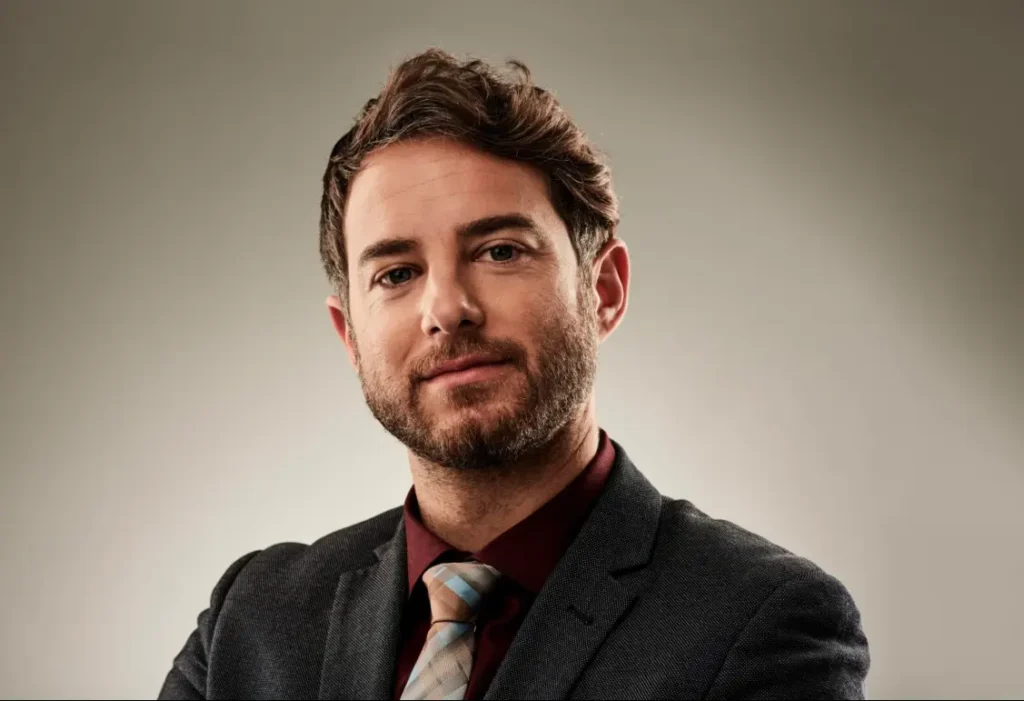
Roughly 1–3 days of growth, offering a visible but soft texture across the face.
Styling difficulty: Low. Maintenance level: Low — trim with a 1–3mm guard every 2–3 days to maintain consistent length. Best for: Square and oval faces; one of the most universally flattering lengths available. Who should avoid it: Men with very blotchy or patchy growth, since short hair makes density gaps more obvious than slightly longer stubble would.
Heavy Stubble
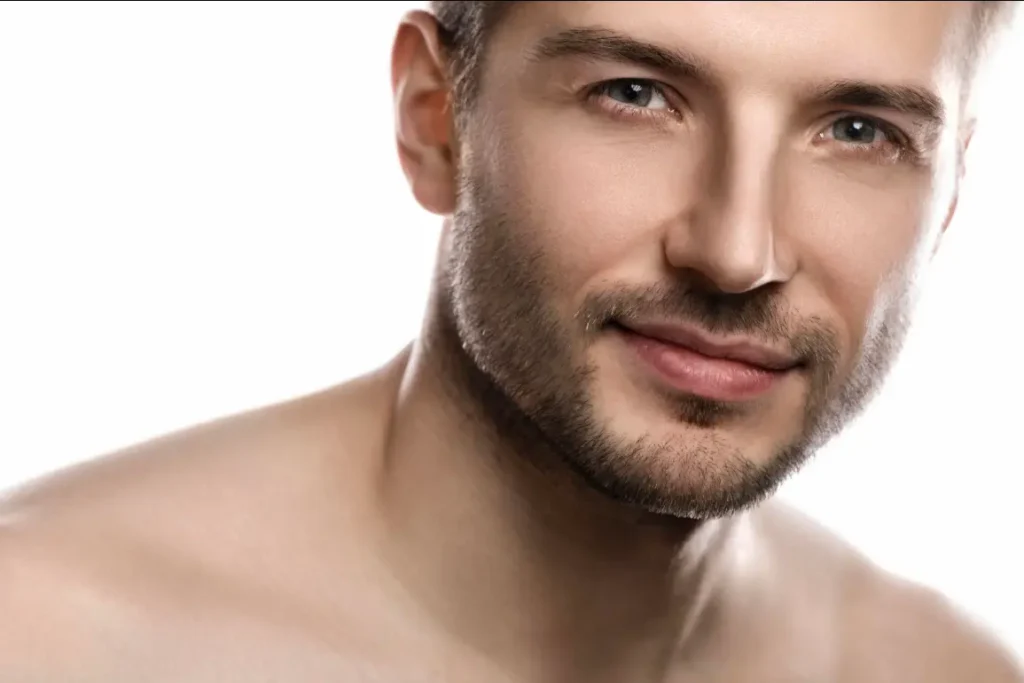
Around 4–5 days of growth, with noticeably more density and slight length on the chin compared to light stubble.
Styling difficulty: Low. Maintenance level: Low-medium — trim with a 4–5mm guard roughly once a week. Best for: Round, oval, and diamond faces; adds more visible definition than light stubble while still reading as low-maintenance. Barber tip: Heavy stubble is often the single most requested “in-between” look for men who want more presence than light stubble but aren’t ready to commit to a full short beard.

Designer Stubble
Stubble — usually in the light-to-heavy range — paired with sharply defined, sometimes geometric lines along the cheeks and neck, often combined with a faded haircut.
Styling difficulty: Medium. Maintenance level: Medium — the length stays short, but the edging requires regular touch-ups to stay sharp. Best for: Younger, trend-conscious men, especially when paired with a skin fade or textured crop haircut.

Short Stubble Beard (Patchy-Friendly Stubble)
A slightly longer take on heavy stubble, sometimes extending toward the early stages of a short beard, used specifically to bridge uneven growth zones.
Styling difficulty: Low-medium. Maintenance level: Medium — needs careful trimming to maintain even length across patchy areas. Best for: Men transitioning from stubble toward a fuller short beard, particularly those with some patchiness they want to ease into rather than confront head-on.

4. Stubble Beard Length Chart (Days and Millimeters)
| Stubble Type | Approximate Growth Time | Approximate Length |
| 5 o’clock shadow | A few hours to 1 day | Under 1mm |
| Light stubble | 1–3 days | 1–3mm |
| Heavy stubble | 4–5 days | 4–5mm |
| Designer stubble | 3–5 days (with shaped edges) | 2–5mm |
| Short stubble beard | 5–7 days | 5–7mm |
These figures vary by individual hair growth rate, so use them as general guidance rather than an exact rule — a barber can help you find your ideal guard setting through a bit of trial and error.
Read More About Types Of Beard Styles: https://beardstyles.net/types-of-beard-styles/
5. Stubble Beard Styles by Face Shape
| Face Shape | Best Stubble Styles | Why It Works |
| Round | Heavy stubble, designer stubble | Adds definition and breaks up the natural curve of the jaw |
| Square | Light stubble | Softens already-strong jaw angles |
| Oval | Almost any stubble style | Naturally balanced proportions suit most lengths |
| Long/Narrow | Heavy stubble (kept fuller on cheeks) | Adds width without extending length |
| Diamond | Heavy stubble | Balances a narrow chin and forehead |
| Heart | Light to heavy stubble | Adds subtle width along a narrower jawline |
6. Stubble Beard Styles by Hair Type
Straight, Fine Hair
Tends to show more skin at very short lengths. Heavy stubble usually looks fuller and more deliberate than light stubble on fine hair.

Thick, Coarse Hair
Suits almost any stubble length well, though very light stubble (1–2 days) can occasionally look slightly wiry rather than smooth.
Curly or Coily Hair
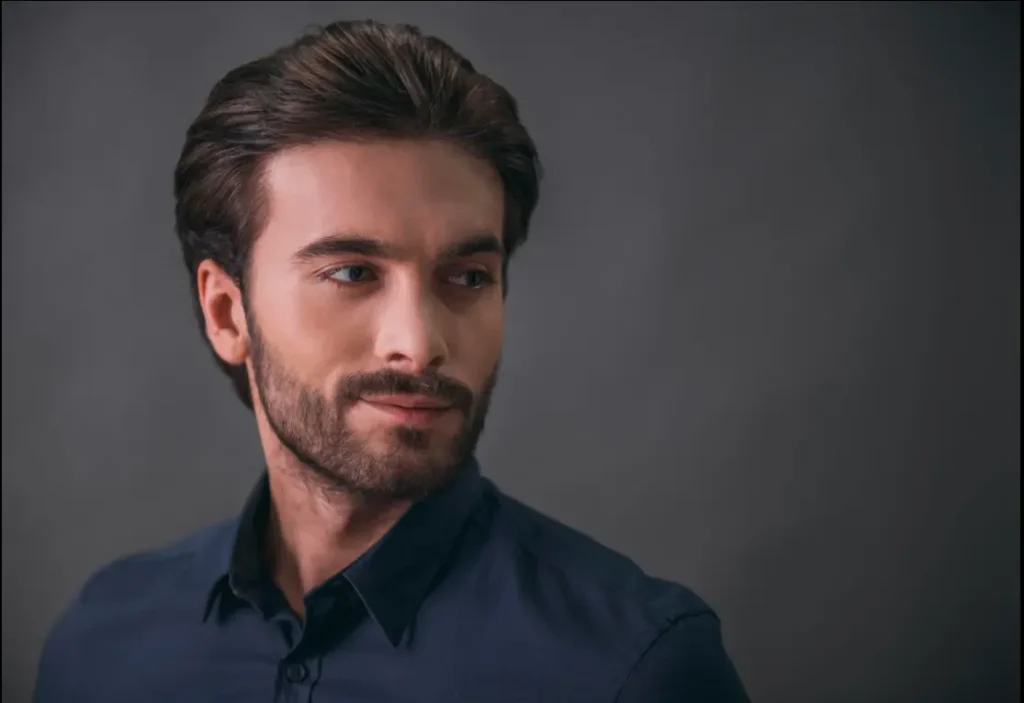
Often looks naturally fuller even at short stubble lengths, since the curl pattern adds visual density. Watch closely for ingrown hairs, which are more common with curly facial hair, particularly right after trimming against the grain.

Patchy Growth
Heavy stubble is generally the most forgiving option, since the added density compared to light stubble helps minimize the appearance of uneven patches.

7. How to Grow a Stubble Beard the Right Way
- Stop shaving for at least 5 days. This gives you a true look at your natural growth pattern before deciding on a target length.
- Identify uneven areas. Note any noticeably patchy zones along the cheeks or jawline — this will guide which stubble length suits you best.
- Choose your target guard length. Light stubble for a subtler look, heavy stubble for more visible definition.
- Trim with the grain first, then lightly against it if needed. This reduces the risk of irritation and ingrown hairs.
- Define your neckline and cheek line. Even short stubble looks more intentional with a clean, defined edge rather than an undefined “shadow” across the whole neck.
Realistic expectation: Unlike longer beard styles, a stubble look is achievable within a single week, making it the fastest beard style on this site to actually see finished.
Read More About Short Beard Styles: https://beardstyles.net/short-beard-styles/
8. How to Maintain a Stubble Beard
Daily Routine
- Check your length in good lighting — stubble grows quickly, and a day or two of neglect can shift it into a different category entirely
- Apply a small amount of beard oil to soften the hair and soothe the skin underneath, especially important since stubble’s shorter hairs can feel coarse against skin
- Define the neckline if it’s starting to blur
Every 2–5 Days (Depending on Style)
- Trim with your chosen guard length to maintain consistent stubble across the whole face
- Touch up the cheek line and neckline with a detail trimmer or edger
Skin Care
Stubble’s short length means the underlying skin gets more direct exposure to friction from clothing, towels, and touching than longer facial hair does. A light moisturizer and gentle cleanser help prevent dryness and irritation, particularly in colder weather.
Read More: Beard Care Routine: The Daily, Weekly, and Monthly Breakdown
9. Tools You Need for Stubble Maintenance
- Trimmer with multiple precise guard lengths — the single most important tool for any stubble style, since even a 1–2mm difference changes the entire look
- Detail trimmer or edger — for sharp neckline and cheek-line definition, especially for designer stubble
- Beard oil — softens stubble and reduces the rougher texture short hair can have against skin
- Gentle facial cleanser or beard wash — helps prevent irritation from frequent trimming and shaving
Stubble generally doesn’t require heavy balm, conditioner, or a brush, since there’s minimal length to manage compared to medium or long beard styles.
10. Designer Stubble: A Closer Look
Designer stubble deserves its own section because it’s often misunderstood as “just stubble with a haircut.” In reality, it’s a deliberately shaped style that combines short length with precise lines.
What Makes Designer Stubble Different
- Sharp cheek lines — instead of a natural, soft fade into bare skin, designer stubble often has a clearly defined edge
- Geometric or angular neckline — sometimes styled to complement a fade haircut rather than following the natural, rounded neckline
- Consistent length throughout — typically maintained with a single guard setting across the entire face for a uniform look
How to Maintain Designer Stubble
- Trim the overall length with a single guard setting (commonly 2–4mm)
- Use a detail trimmer to create sharp, straight lines along the cheeks
- Touch up the neckline every 3–4 days to keep the geometric edge crisp
- Pair with regular haircut maintenance, since designer stubble is often styled to complement a fade or undercut
Barber tip: Designer stubble requires more frequent edging than people expect — the short overall length actually makes uneven lines more noticeable, not less.
11. Stubble vs Short Boxed Beard: Which Should You Choose?
| Factor | Stubble Beard | Short Boxed Beard |
| Growth time | 1–7 days | 3–4 weeks |
| Daily maintenance | Low | Medium |
| Hides patchy growth | Yes, especially heavy stubble | Less effectively |
| Styling precision needed | Low to medium | High |
| Workplace acceptance | Very high | High |
| Best for first-time growers | Yes | With more patience |
Bottom line: Stubble is the faster, lower-commitment option, while a short boxed beard offers more shape and presence once you’re ready to grow past the stubble stage.
12. Professional and Workplace-Friendly Stubble
For client-facing roles, finance, law, and similarly conservative industries, barbers generally recommend:
- Light stubble — subtle and almost universally accepted
- Heavy stubble — slightly bolder but still broadly professional
- Designer stubble (toned down) — acceptable in more modern or creative workplaces, though the sharper lines can read as more casual in very traditional settings
Professional barber advice: Consistency matters more than exact length. A heavy stubble look maintained at the same length every few days looks more deliberate than light stubble that’s allowed to grow unevenly between trims.
13. Common Mistakes With Stubble Beards
- Letting it grow past the intended length without trimming — stubble can drift into short-beard territory within days if left unchecked
- Skipping the neckline — even short stubble benefits from a defined neckline; skipping it makes the whole look read as unintentional
- Using the wrong guard setting — going shorter than intended can expose patchy zones that a slightly longer setting would hide
- Trimming aggressively against the grain — increases the risk of irritation and ingrown hairs, particularly with curly or coarse hair
- Not moisturizing the skin underneath — short stubble still causes friction against skin, and skipping basic skin care can lead to dryness or minor irritation
- Inconsistent length across the face — uneven trimming creates a patchy appearance even on naturally even growth
14. Common Myths About Stubble
Myth: Stubble means you simply didn’t shave. Intentional stubble involves a consistent guard length and defined lines — it’s a maintained look, not neglect.
Myth: Stubble doesn’t need any product. Beard oil still helps soften short hair and soothe the skin underneath, even at minimal lengths.
Myth: Designer stubble is only for younger men. While popular with a younger demographic, the style itself works across a wide age range, provided the overall look matches personal style and workplace context.
Myth: All stubble looks the same regardless of guard setting. A single millimeter of difference between guard settings can noticeably change both the appearance and the texture of stubble.
15. Who Should Avoid a Stubble Beard
Stubble isn’t the right look for everyone. Consider a different approach if:
- You have very thin or sparse facial hair that looks better with slightly more length to add visual density
- Your workplace specifically requires a fully clean-shaven look for safety or hygiene reasons (certain food service, medical, and manufacturing roles)
- You’re prone to significant skin irritation from frequent trimming or shaving, in which case spacing out trims or consulting a dermatologist about your specific skin sensitivity may help
16. Conclusion
The stubble beard remains one of the most practical, flattering, and low-effort facial hair choices available — but “low-effort” only applies once you understand the right guard length and a consistent trimming routine. Light stubble, heavy stubble, and designer stubble each serve a slightly different purpose, from subtle definition to a sharply styled, fade-friendly look.
If you’re deciding where to start, heavy stubble is usually the safest middle ground — visible enough to add real definition, low-maintenance enough to fit almost any schedule. Invest in a trimmer with precise guard settings, keep your neckline defined, and stay consistent with your trim schedule, and stubble will do more for your overall look than its low effort level suggests.
FAQ
1. What is a stubble beard? A stubble beard is short facial hair, typically grown between 1 and 5 days, ranging from a light 5 o’clock shadow to more defined heavy or designer stubble.
2. What’s the difference between light and heavy stubble? Light stubble is roughly 1–3 days of growth, while heavy stubble is 4–5 days, offering noticeably more density and definition.
3. What is designer stubble? Designer stubble is short facial hair styled with sharply defined, sometimes geometric lines along the cheeks and neck, often paired with a fade haircut.
4. How long does it take to grow stubble? Most stubble styles are achievable within 1 to 7 days, making it the fastest beard style to grow and see finished.
5. Which stubble length suits a round face best? Heavy stubble or designer stubble generally suit round faces well, since the added density helps break up the natural curve of the face.
6. Is stubble considered professional? Yes — well-maintained light or heavy stubble is widely accepted in most professional and client-facing roles.
7. How often should I trim stubble? Light stubble typically needs trimming every 2–3 days, while heavy stubble can often go about a week before needing a touch-up.
8. Does stubble hide patchy facial hair? Yes, to a significant degree — heavy stubble in particular tends to minimize the visibility of patchy or uneven growth zones.
9. What guard length should I use for stubble? Light stubble generally uses a 1–3mm guard, heavy stubble closer to 4–5mm, though exact preference varies based on individual hair density.
10. Do I need beard oil for stubble? Yes — beard oil helps soften short, sometimes coarse stubble and soothes the skin underneath, reducing irritation from daily friction.
11. What’s the difference between stubble and a short boxed beard? Stubble is shorter, faster to grow, and lower-maintenance overall, while a short boxed beard has more length, shape, and requires more precise line-up maintenance.
12. Why does my stubble look patchy? Patchiness is usually genetic and related to uneven follicle density; heavy stubble or a slightly longer length often minimizes how visible these patches appear.
13. Can curly hair grow good stubble? Yes — curly or coily hair often looks fuller even at short stubble lengths, though it’s more prone to ingrown hairs, so trimming with the grain is especially important.
14. What causes irritation from stubble? Frequent trimming or shaving close to the skin can cause irritation or ingrown hairs, particularly with coarse or curly hair; using a gentle cleanser and trimming with the grain helps reduce this.
15. Is a 5 o’clock shadow the same as stubble? A 5 o’clock shadow is the earliest, lightest stage of stubble, typically appearing within hours of shaving, before it progresses into light or heavy stubble over the following days.