 By Bread Styles Team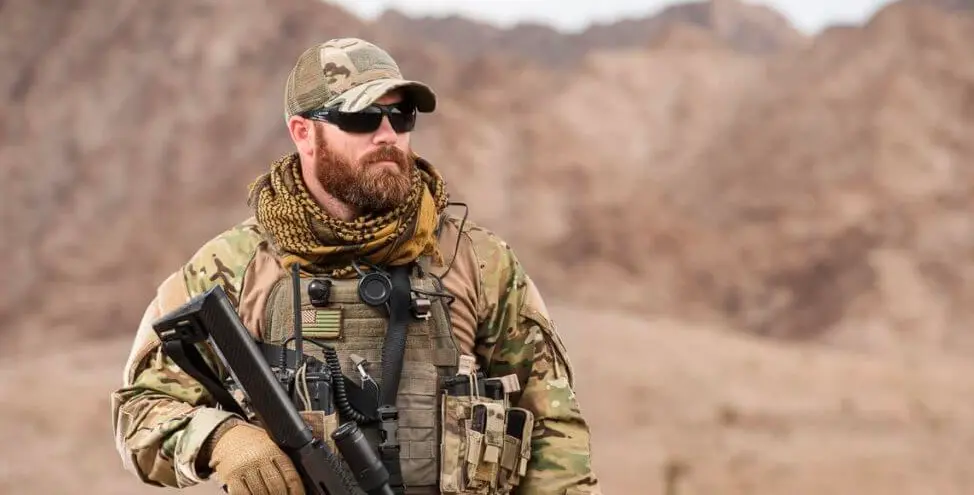
Table of Contents
What “Military Beard Styles” Actually Means Right Now (Quick Answer)
As of 2026, U.S. military policy requires service members to be clean-shaven, with facial hair permitted only through a documented religious accommodation or a temporary medical exemption tied to an approved treatment plan. Military beard styles in the traditional sense — a beard worn day-to-day in uniform — are the exception rather than the norm today, following a Department of Defense-wide tightening of grooming standards across every branch. Most of what people search for under this term actually falls into two categories: understanding current policy, or looking for tactical-inspired beard styles to wear as a veteran, reservist off duty, or civilian who likes the aesthetic.
This article covers both, starting with the policy itself since it’s changed significantly and it’s worth understanding before assuming a beard is an option.
It’s also worth saying plainly that this is an area where being current matters more than usual. Grooming standards across the armed forces have been revised more than once in a short window, and older articles or forum posts describing a more permissive medical waiver process may no longer reflect what’s actually in place today. Treating any single source, including this one, as the final word without checking your branch’s current official guidance is a mistake worth avoiding.
Current U.S. Facial Hair Policy by Branch
Every branch enforces its own specific regulation, but they’ve moved in the same direction recently: tighter standards, fewer routine exemptions, and closer oversight of the ones still granted.
| Branch | Current Standard | Notes |
| Army | Clean-shaven required; exemptions need a medical profile and an exception-to-policy memo from an O-5 officer | Updated under a 2025–2026 directive reinforcing enforcement |
| Navy | Clean-shaven required; recent policy update tightened medical shaving waiver procedures | Commanding officers hold final approval authority on medical accommodations |
| Marine Corps | Among the strictest branches; clean-shaven standard closely enforced | Facial hair regulation has historically had very limited routine exceptions |
| Air Force / Space Force | Clean-shaven required, aligned with the broader Department of Defense direction | Space Force generally mirrors Air Force grooming standards |
| Coast Guard | Clean-shaven standard, with updated facial hair guidance issued recently | Maintains its own specific implementation details |
Because these policies are actively being implemented and reviewed branch by branch, the most reliable source at any given time is your own service’s current official regulation rather than general summaries like this one. Policy in this area has shifted more than once in a short period, so checking directly before making assumptions matters.
That said, understanding the general direction is still useful context. The overall trend across every branch has been toward fewer routine exceptions and closer oversight of the ones that remain, rather than a piecemeal, branch-by-branch drift in different directions. Anyone weighing whether to pursue an exemption should expect that direction to continue rather than assume standards will loosen again soon.
Who Can Actually Get an Exemption
Two categories account for nearly all authorized facial hair in the U.S. military today.
Religious accommodation. Service members with a sincerely held religious belief that conflicts with a clean-shaven requirement can request an accommodation. Recent policy changes have made this process more rigorous, requiring detailed documentation and unit-level review of both sincerity and operational impact, with previously approved accommodations subject to periodic reassessment.
Medical exemption. Some service members develop pseudofolliculitis barbae, a condition where shaving causes ingrown hairs and significant skin irritation. This can qualify for a temporary shaving waiver, though current policy treats these as time-limited and tied to an active treatment plan rather than an open-ended pass, with medical evaluation and continued monitoring required.
Outside of these two paths, facial hair generally isn’t authorized for U.S. service members while in uniform or on duty, and continued non-compliance without an approved exemption can lead to administrative consequences.
What a Short Military Beard Looks Like Under an Exemption
When a beard is authorized through one of these exemptions, it’s still expected to meet a neat, closely trimmed standard rather than free growth. In practice, that generally means short length, even density, and a defined, tidy shape rather than anything resembling a civilian full beard. A short military beard under these conditions functions closer to a heavy stubble or very short boxed beard than a longer style. Our stubble beard and short beard styles guides cover the maintenance approach that best matches this kind of length requirement.
Why the Rules Are Stricter Than Some Expect
A few practical reasons sit behind the current approach, beyond general uniformity standards. Certain protective equipment, including gas masks and some respirators used in training and operational environments, requires a tight seal against the skin to function correctly, and facial hair interferes with that seal. Grooming standards in this context are tied to genuine safety requirements, not appearance alone, which is part of why exceptions remain narrow even as broader civilian and workplace norms around facial hair have relaxed in recent years.
Tactical Beard Styles for Veterans, Reservists, and Civilians
For veterans transitioning out of active duty, reservists off duty, contractors, or civilians who simply like the rugged, functional aesthetic associated with military and special operations culture, there’s considerably more room to work with. Here’s what tends to fit that look well.
Short Boxed Beard
Clean, structured, and practical. This is often the first style veterans grow once no longer bound by a clean-shaven requirement, since it echoes military tidiness while adding real shape. See our short beard styles guide.
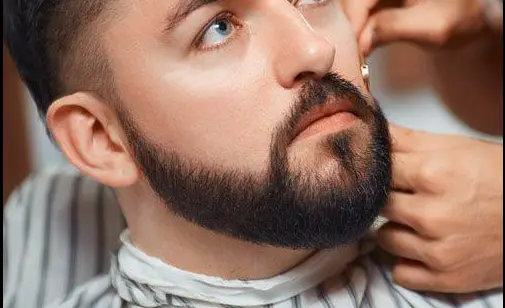
French Beard
A close, tight style that hugs the jaw. It reads as disciplined and low-maintenance, which fits the practical, no-fuss aesthetic many associate with a tactical beard. Full guide: French beard.
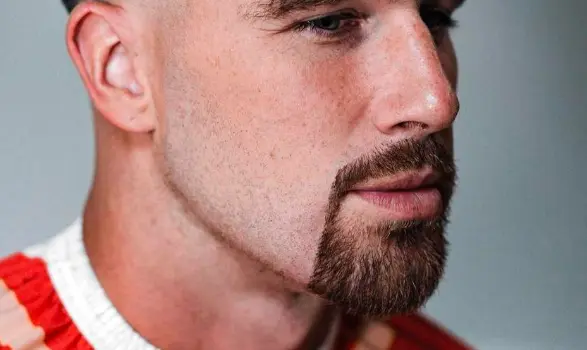
Verdi Beard
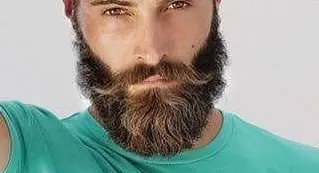
A fuller, rounder shape with a rugged, lived-in quality that’s become associated with the bearded look often seen in special operations and contractor communities. It requires more growing time and shaping than the shorter options above. See our Verdi beard guide.
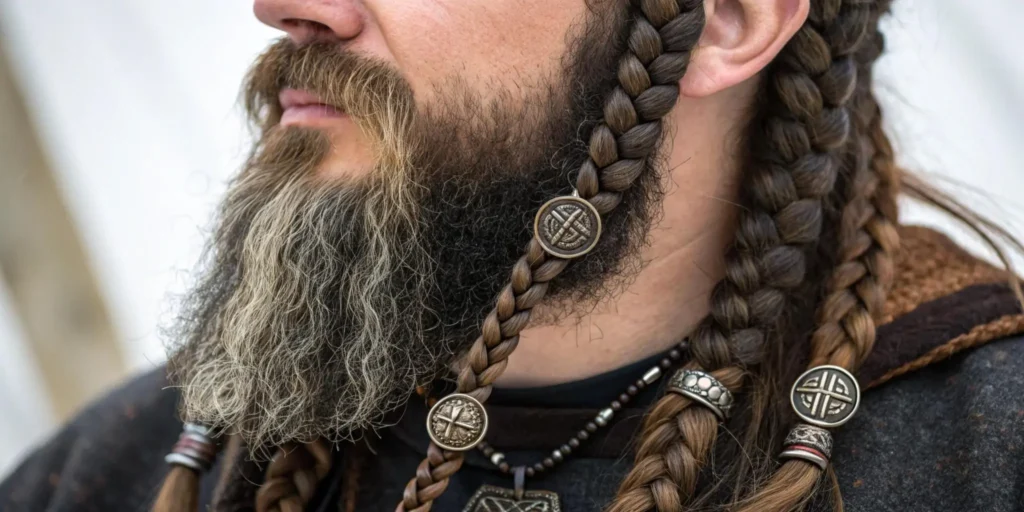
Viking Beard
For those wanting a fuller, more commanding presence, a Viking-style beard offers real volume and a rugged edge, provided it’s kept conditioned and shaped rather than left completely wild. Full details in our Viking beard styles guide.
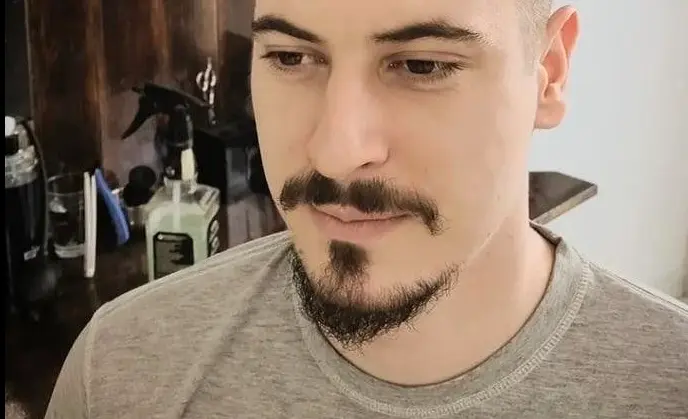
Anchor Beard
A defined, jaw-tracing shape connected to a styled mustache. It gives a sharp, purposeful look that works well for anyone wanting more structure than a basic short beard without going full length. See our anchor beard guide.
Field-Ready Grooming for Active Duty With an Exemption
If you’re actively serving under an approved exemption, keeping a beard within regulation while managing field and deployment conditions takes some planning:
- Keep a compact grooming kit accessible, since field environments don’t allow for elaborate routines.
- Trim on a fixed schedule rather than waiting for it to look overgrown, since regulation length limits leave little margin for drift.
- Prioritize a mask or respirator seal check whenever facial hair is involved, and flag any fit issues to your chain of command immediately rather than assuming it’s fine.
- Keep documentation of your exemption on hand, since current policy specifically requires presentable copies of the relevant paperwork while in uniform or on duty.
- Wash and condition regularly, even in austere conditions, since irritation and ingrown hairs are exactly what a medical exemption is meant to prevent in the first place.
Best Styles by Face Shape
For veterans and civilians building out a tactical-inspired look, face shape still matters.
| Face Shape | Best-Suited Tactical Styles | Why It Works |
| Round | Anchor Beard, French Beard | Adds vertical definition |
| Square | Short Boxed Beard, Verdi Beard | Softens angles while keeping structure |
| Oval | Nearly any style listed above | Balanced proportions suit most shapes |
| Oblong | Verdi Beard, Viking Beard | Adds width rather than extra length |
For more detail, our guides on the best beard for round face and best beard for square face go into more depth on individual shapes.
Common Mistakes
- Assuming beards are broadly authorized in uniform. Current policy is considerably stricter than it was in past years, and this assumption can lead to real disciplinary consequences.
- Letting an approved beard exceed regulation length. Even under an exemption, most branches expect short, closely maintained growth, not free length.
- Skipping mask and respirator seal checks. This is a genuine safety issue, not just a compliance formality.
- Growing out a full civilian-style beard immediately after separating without adjusting to it. Years of clean-shaven routine mean skin often needs an adjustment period, and patchiness in the first month is common and temporary.
- Not keeping exemption documentation accessible. Current policy specifically requires this, and it’s an easy detail to overlook.
- Relying on outdated information about waiver eligibility. Given how recently these standards have shifted, checking with your unit or official branch guidance directly is far more reliable than assuming last year’s rules still apply.
Common Myths About Military Beards
Myth: Beards have always been broadly restricted across every branch and era. Policy has actually shifted multiple times over the years, including periods with more permissive medical waiver practices. The current standard reflects a recent, active tightening rather than a fixed, unchanging rule.
Myth: A rugged, military-inspired beard style requires actual service to wear. Not at all. Veterans, reservists off duty, and civilians who simply like the aesthetic can all wear these styles without any service requirement.
Myth: Special operations personnel can grow beards whenever they want. Certain specialized roles have historically had situational exceptions tied to specific deployment or operational needs, but this isn’t a general allowance and doesn’t reflect standard policy for most service members.
Realistic expectation: If you’re currently serving and hoping for a facial hair exemption, expect a documented process involving your chain of command and, in most cases, ongoing medical or religious accommodation review rather than a one-time approval. If you’re a veteran or civilian growing a beard for the first time after years of a clean-shaven requirement, expect an adjustment period with some patchiness before your army beard styles goals actually take shape — that’s normal, not a sign anything’s wrong. If skin irritation persists beyond the typical adjustment window, a dermatologist can help distinguish ordinary growing-in from a condition like pseudofolliculitis barbae; the American Academy of Dermatology publishes general guidance on this that’s worth reviewing.
Understanding military beard styles today means separating two different things: what’s actually authorized under current regulation for those still serving, and what’s available to veterans, reservists, and civilians drawn to the same rugged, disciplined aesthetic. Check your specific branch’s current policy directly if you’re active duty, and if you’re free to grow one, start with a shorter, structured style and build from there.
FAQs
1. Are beards currently allowed in the U.S. military? Generally no, outside of an approved religious accommodation or a temporary medical exemption tied to a documented treatment plan. Current policy requires a clean-shaven standard by default across all branches.
2. What is pseudofolliculitis barbae and how does it relate to facial hair exemptions? It’s a skin condition where shaving causes ingrown hairs and irritation, and it’s one of the main medical grounds for a temporary shaving waiver, though current policy treats these exemptions as time-limited and subject to ongoing review.
3. Can I grow a beard if I’m a military contractor rather than active duty? Often yes, since contractors typically aren’t bound by the same uniformed grooming regulations, though this can vary depending on the specific contract and environment.
4. What does an authorized military beard actually look like under an exemption? It’s generally kept very short and closely trimmed, closer to heavy stubble or a tightly maintained short beard than any longer civilian style.
5. Are Army beard styles different from Navy or Air Force beard styles? The underlying default standard is similar across branches — clean-shaven with narrow exemptions — though each service maintains its own specific implementation and approval process.
6. What’s a good beard style for a veteran growing one out for the first time? A short boxed beard or French beard tends to work well as a starting point, since both are structured and relatively low-risk while your skin adjusts to facial hair again.
7. Why do gas masks and respirators require a clean-shaven face? These devices depend on a tight seal against the skin to function properly, and facial hair breaks that seal, which is a genuine safety consideration behind current grooming standards.
8. Is it true that beard policy in the military has gotten stricter recently? Yes, recent Department of Defense-wide directives have tightened facial hair standards and the review process for both medical and religious exemptions across all branches.
9. What’s considered a military-inspired beard look for civilians? Styles like the short boxed beard, French beard, and fuller options like the Verdi or Viking beard are commonly associated with the rugged, functional aesthetic linked to military and special operations culture.
10. Can Special Forces personnel wear beards while deployed? Certain specialized roles have historically had situational exceptions tied to specific operational needs, but this isn’t a standard allowance across the broader force.
11. How long does it take to grow a beard after leaving the military? Most veterans see a workable length within four to eight weeks, though full density and an even shape can take a couple of months longer depending on individual growth rate.
12. What should I bring to document a medical shaving exemption? Current policy generally requires a documented medical profile and command-level approval, with presentable copies kept accessible while in uniform or on duty.
13. Do religious accommodations for beards get reviewed periodically? Yes, under current policy, previously approved religious accommodations are subject to periodic review rather than being a permanent, one-time approval.
14. What beard style suits a round face for a tactical-inspired look? The anchor beard and French beard both work well for round faces, since they add vertical definition through the jaw and chin.
15. Where can I find the most accurate, up-to-date military beard policy? Your specific branch’s official grooming regulation is the most reliable source, since standards have changed multiple times recently and continue to be actively implemented and reviewed.