 By Bread Styles Team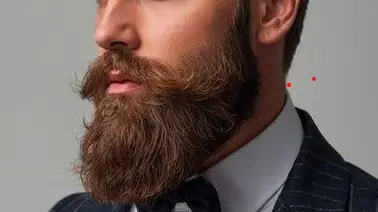
Some beards come and go with a season. Others have been photographed on painters, statesmen, sailors, and actors for well over a century and still look sharp today. That second group is what we mean by classic beard styles — shapes with clean rules, proven proportions, and a look that doesn’t age out of style the way trend-driven cuts do. If you want a beard that reads as put-together in a job interview, a wedding photo, or a decade-old snapshot pulled out at a reunion, this is the category to start from.
This guide breaks down the classic beard styles worth knowing, how each one is built, who it suits, and how to keep it looking sharp once you’ve grown it in.
Table of Contents
What Makes a Beard Style “Classic”?
A classic beard styles is a facial hair shape with a defined, well-documented history — one that barbers have trimmed the same way for generations because the proportions simply work on a wide range of face shapes. Unlike trend beards, classic styles rely on structure rather than novelty, which is why they photograph well and rarely look dated.
Three things separate a genuinely classic style from a passing trend:
- A documented origin. Most trace back to a specific era, profession, or public figure — naval officers, painters, 19th-century statesmen, or Hollywood’s golden age.
- Face-shape versatility. These shapes tend to work with bone structure rather than fighting it, which is why they’ve survived so many decades of changing fashion.
- Low dependency on trend tools. A classic style doesn’t need a fade, a design, or a color treatment to look finished — the outline alone does the work.
That’s different from types of beard styles in general, which includes everything currently popular, trending, or experimental. Classic styles are the subset that has already proven it can last.
Classic Beard Styles at a Glance
Here’s a quick reference before we get into the detail. Use it to shortlist two or three options before committing to a full grow-out.
| Style | Signature Feature | Maintenance | Best Face Shapes |
| Full Beard | Complete coverage, natural growth | Medium | Oval, Square, Diamond |
| Van Dyke | Detached mustache and pointed goatee | High | Oval, Triangle |
| Garibaldi | Rounded, bushy, medium-long | Low–Medium | Square, Round |
| Verdi | Full and rounded with a shaped mustache | Medium | Oval, Square |
| Imperial | Upswept mustache, full chin beard | High | Oval, Diamond |
| Mutton Chops | Full side growth, bare or thin chin | High | Oblong, Diamond |
| Chin Strap | Thin line along the jaw | High | Round, Oval |
| Anchor Beard | Pointed chin beard with connected mustache | High | Square, Oval |
| Balbo | Beard without sideburn connection | Medium | Round, Oval |
| Circle Beard | Mustache connected to a rounded chin patch | Medium–High | Oval, Round |
| Ducktail | Tapered to a soft point at the chin | Medium | Square, Oblong |
Every entry here has its own dedicated breakdown further down this page, so treat this table as a map, not the final word.
The Full Line-Up: Classic Beard Styles Worth Growing
1. The Full Beard
The full beard is the baseline classic — dense, natural coverage across the cheeks, chin, and jaw with no gaps by design. It’s the style most people picture when they hear “beard,” and it remains the most reliable choice if you want maximum coverage with the least amount of shaping decisions.
A well-kept full beard needs regular trimming at the neckline and cheek line even though the front stays untouched, so check our beard neckline and beard cheek line guides once yours passes the two-inch mark.
2. The Van Dyke Beard
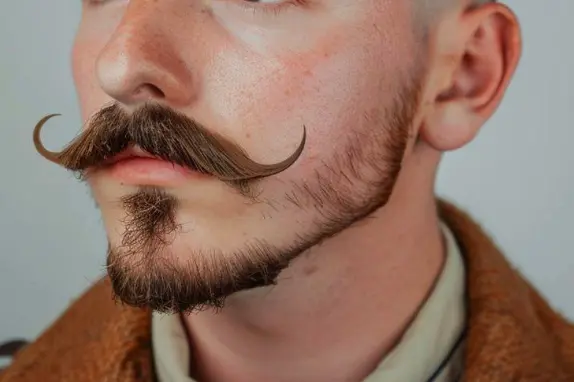
Named after the 17th-century Flemish painter Anthony van Dyck, this is one of the more demanding traditional beard styles on this list. It combines a detached, pointed goatee with a separate mustache — no connection along the cheeks at all. It’s a striking look on the right jawline, but it needs a razor and a steady hand every few days. Full details are in our Van Dyke beard guide.
3. The Garibaldi Beard
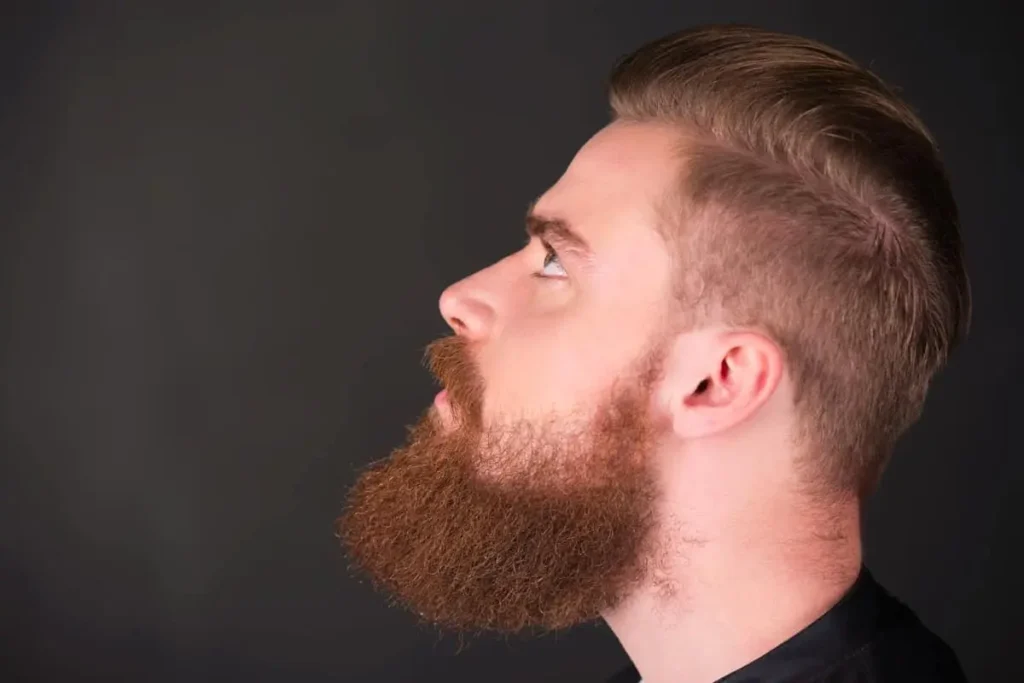
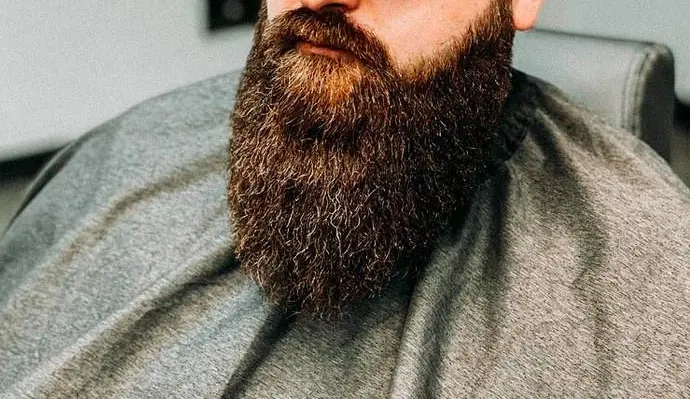
Round, full, and slightly wild at the edges, the Garibaldi is named after the Italian general Giuseppe Garibaldi. It sits somewhere between rugged and refined — bushy enough to look substantial, but with a rounded bottom that keeps it from looking unkempt. It’s one of the more forgiving vintage beard looks for men with thicker facial hair. Read the full shaping method in our Garibaldi beard breakdown.
4. The Verdi Beard
Named after the composer Giuseppe Verdi, this style takes the fullness of the Garibaldi but adds a more deliberately shaped, slightly upturned mustache. It’s a good middle ground for men who want a classic beard styles with a bit more personality in the mustache without going full Imperial. See the Verdi beard page for shaping steps.
5. The Imperial Beard
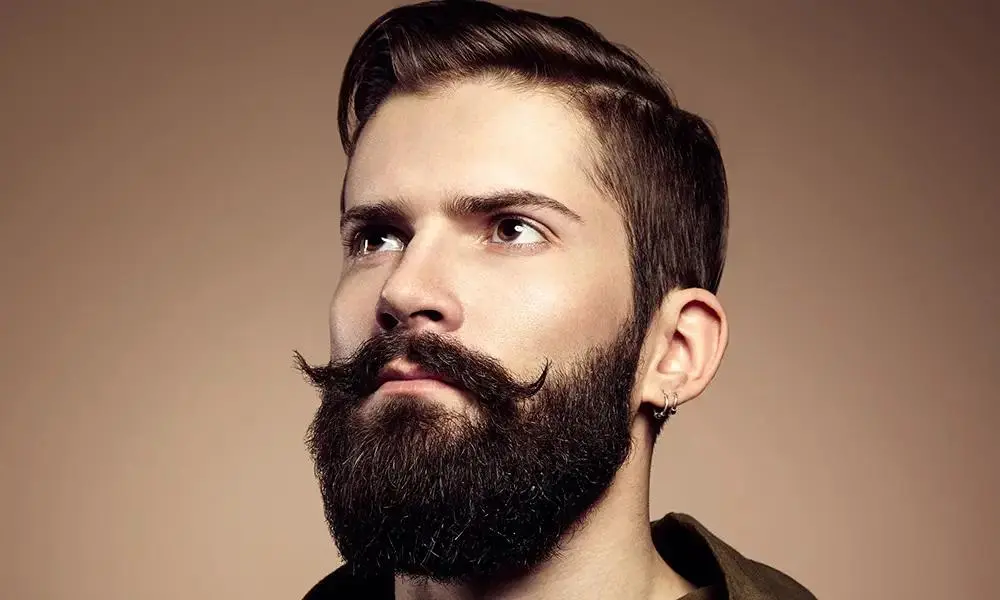
The Imperial pairs a full chin beard with a dramatically upswept, waxed mustache. Napoleon III popularized the look, and it remains one of the boldest classic facial hair statements you can wear. It demands daily mustache wax and a barber who knows how to train the ends — casual maintenance won’t hold the shape. More detail is in the Imperial beard guide.
6. Mutton Chops
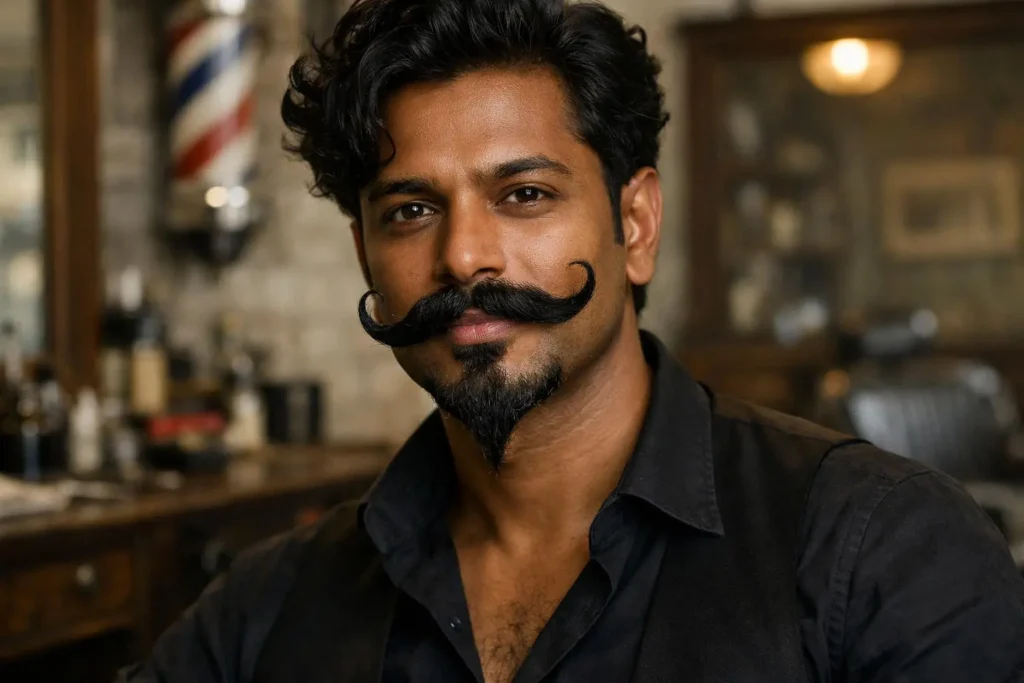
Mutton chops keep the sideburns and cheek growth full while leaving the chin bare or nearly bare. It’s one of the more theatrical traditional beard styles and works best on men with strong jawlines who can carry the width. Check the mutton chops beard guide before attempting the connected “hulihee” variation, which links the chops to a mustache.
7. The Chin Strap Beard
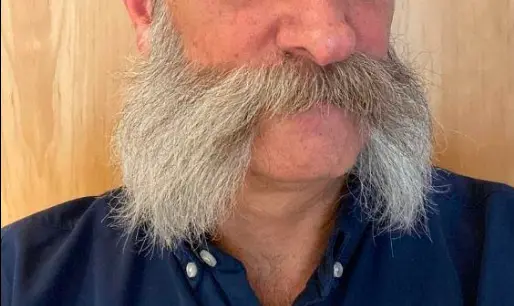
A narrow line of hair tracing the jaw from sideburn to sideburn, with the cheeks and chin kept clean or very close. It reads as neat and controlled, which is why it’s popular with men who want a beard for a corporate environment. Precision is everything here — see our chin strap beard guide for edging technique.
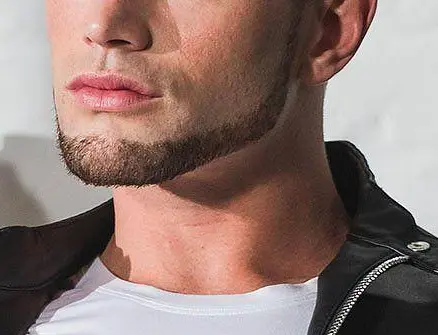
8. The Anchor Beard
Shaped like its name suggests, the anchor beard tapers to a point at the chin with a connected mustache, tracing the jawline in a narrow strip on each side. It’s a modern-leaning take on classic shaping and suits angular faces particularly well. Full instructions live on the anchor beard page.
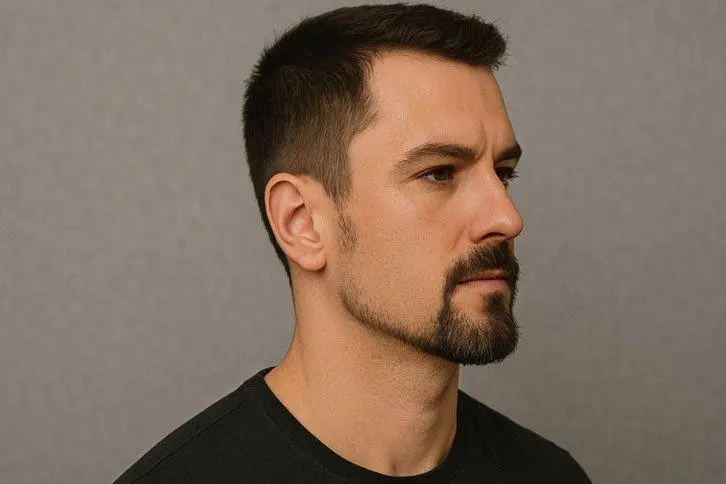
9. The Balbo Beard
Named after Italian marshal Italo Balbo, this style keeps the mustache and chin beard separate from the sideburns entirely, with a floating, shaped mustache above. It’s one of the more flattering timeless beard styles for round or fuller faces, since the visible skin at the cheeks creates the illusion of a more defined jaw. See the Balbo beard breakdown for shaping angles.

10. The Circle Beard
A connected mustache and rounded chin patch, without the wider coverage of a full beard. It’s compact, tidy, and works well on men who grow patchy hair along the cheeks. Our circle beard guide covers how to keep the connection clean as it grows.

11. The Ducktail Beard
The ducktail tapers the chin hair into a soft point, mimicking the shape of a duck’s tail feathers. It’s a practical classic — flattering on square and oblong faces because it visually lengthens the jaw. See the ducktail beard page for the trimming pattern.
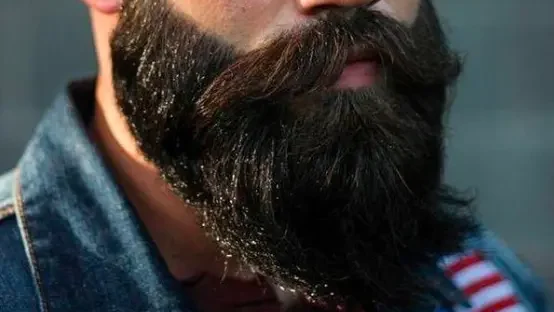
12. The Bandholz Beard
Named after beard-community figure Eric Bandholz, this is the long, all-natural full beard grown without heavy shaping — length and volume are the whole point. It’s less about precision lines and more about patience, making it one of the lower-maintenance vintage beard looks once it’s established. Full growth timeline is in the Bandholz beard guide.
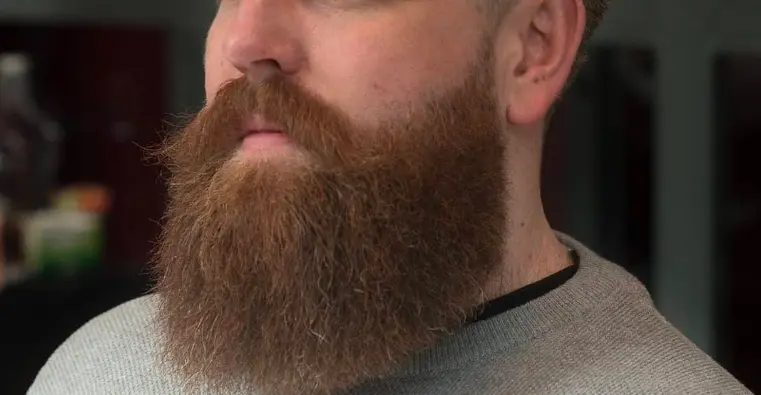
Classic Mustache Styles That Belong in the Same Conversation
A handful of mustache styles are just as historically rooted as the beard shapes above, and several classic beard styles pair directly with one of them.
- Horseshoe Mustache — thick, full, with vertical bars running down to the jawline. Read more in the horseshoe mustache guide.
- Handlebar Mustache — long ends curled upward, the defining feature of Imperial and Verdi-style beards. See the handlebar mustache page.
- Walrus Mustache — full, wide, and left untrimmed over the top lip. Details in the walrus mustache guide.
Classic vs Modern Beard Styles: The Real Difference
It’s worth being clear about what separates a classic beard styles from something that’s simply popular right now.
| Factor | Classic Beard Styles | Modern Beard Styles |
| Origin | Documented historical figures or eras | Social media and celebrity trends |
| Shape | Structured, symmetrical | Often experimental or asymmetric |
| Maintenance tools | Scissors, comb, wax | Clippers, fade guards, design razors |
| Longevity | Decades to centuries | Months to a few years |
| Formality | Reads as professional or refined | Ranges from casual to statement-making |
If you’re comparing this against something like a beard fade styles look or intricate beard designs, you’re looking at the modern side of that table. Neither approach is better — they’re built for different goals.
How to Choose a Classic Beard Style for Your Face Shape
Face shape is the single biggest factor in whether a classic beard styles looks intentional or accidental. Here’s a fast way to narrow your options:
- Round face — styles that add length and angles work best. Start with our best beard for round face guide before picking between a Balbo or a ducktail.
- Square face — you can carry fuller, rounder shapes like the Garibaldi without adding extra bulk. See best beard for square face for specifics.
- Oval face — the most flexible shape; nearly every style on this list works. Check best beard for oval face if you want to fine-tune proportions further.
- Patchy growth — a circle beard or chin strap will hide gaps better than a full beard. Our patchy beard guide has grow-out strategies specific to uneven fill.
Growing and Maintaining a Classic Beard Style
Growing in a traditional beard style takes more patience than trend cuts, mainly because the shaping only becomes visible once there’s enough length to work with.
- Let it grow untouched for four to six weeks. Resist trimming during this window — you need to see your natural growth pattern, density, and any patchy areas before shaping anything.
- Wash and condition it regularly. Facial hair strips moisture from the skin underneath faster than head hair does, so a dedicated beard wash two to three times a week prevents flaking.
- Comb daily once it passes an inch. This trains the direction of growth and makes trimming lines far easier to read.
- Define your neckline and cheek line first. These two boundaries do more to make a beard look intentional than the front shape ever will.
- Trim to the chosen style every one to two weeks. Classic shapes like the Van Dyke or Imperial need tighter upkeep than a Bandholz or full beard.
- Apply beard oil daily. It softens coarse hair, reduces itch during the early growth stages, and keeps the skin underneath from drying out.
For a full walkthrough on shaping tools and technique, our how to trim a beard guide and general beard care guide cover the process step by step. The American Academy of Dermatology also recommends keeping the skin beneath any beard clean and moisturized to prevent irritation, which matters more with longer, denser classic styles than with short stubble.
Common Mistakes Men Make With Classic Beard Styles
- Shaping too early. Cutting a Van Dyke or Imperial before you’ve grown enough length locks in a shape that won’t fill out properly.
- Ignoring the neckline. A high, undefined neckline is the fastest way to make any classic style look sloppy, no matter how sharp the front is.
- Skipping mustache training. Styles like the Imperial and Verdi rely on wax and combing direction from week one — waiting until the mustache is long makes it much harder to train.
- Choosing a style that fights your growth pattern. A Van Dyke needs a genuine gap between mustache and chin hair; forcing it on dense, connected growth looks patchy rather than deliberate.
- Trimming with dull tools. Blunt scissors tear hair rather than cutting cleanly, leaving split ends that make even a well-shaped beard look rough.
Expert Tips for Nailing a Timeless Beard Look
- Pick your reference image before you start growing, not after. Knowing the target shape from day one prevents wasted growth time.
- Trim in good, natural light and use a handheld mirror to check profile angles, not just the front view.
- Keep a small comb in your pocket during the early growth months — a beard trained daily grows in far more manageable than one left to its own direction.
- If your growth is uneven, lean toward compact classic styles — a circle beard or chin strap — rather than full coverage until density improves.
- Book a professional shaping session once, even if you plan to maintain it yourself afterward. A barber can set clean lines that are far easier to maintain than to create from scratch.
Is a Classic Beard Style Right for You?
Classic beard styles suit almost any age group, but the right pick often shifts with life stage and setting. Younger men still building density tend to do better with lower-maintenance options like a full beard or Bandholz, since finer shapes show gaps more easily. Professionals in client-facing roles often lean toward tighter, defined looks — a chin strap or Balbo reads as more polished for office beard styles or a wedding day. Men further into a beard journey, including greying beards, often find that a slightly fuller classic shape like the Garibaldi hides transitional color better than a closely trimmed one — our grey beard styles and salt and pepper beard guides go into that in more depth.
If daily upkeep isn’t realistic for your schedule, compare a few low maintenance beard styles against the higher-upkeep high maintenance beard styles before committing to something like an Imperial or Van Dyke.
Whichever direction you go, classic beard styles remain one of the safest long-term choices in men’s grooming — they photograph well, age well, and don’t rely on a trend cycle to stay relevant. Grow one properly, maintain the lines, and it’ll still look right a decade from now.
FAQs
What are considered classic beard styles? Classic beard styles are facial hair shapes with a documented history spanning decades or centuries — including the full beard, Van Dyke, Garibaldi, Imperial, Balbo, and mutton chops. They’re defined by structured proportions rather than current trends.
What is the most classic beard styles? The full beard is generally considered the most classic beard styles, since it’s the most natural, widely worn shape across history and requires the least amount of designed shaping.
Are classic beard styles still popular in 2026? Yes. Traditional beard styles like the Balbo, full beard, and Garibaldi remain consistently popular because they suit a wide range of face shapes and settings, unlike trend-driven styles that shift yearly.
How long does it take to grow a classic beard styles? Most classic beard styles need four to six months of steady growth before the shape is fully visible, with the first four to six weeks left untouched to assess density and pattern.
Which classic beard style is easiest to maintain? The full beard and Bandholz beard are the lowest-maintenance classic facial hair options, since they rely on length and volume rather than precise daily lines.
Which classic beard style is hardest to maintain? The Van Dyke and Imperial beard require the most upkeep, since both depend on a clean, detached line between the mustache and chin hair, plus daily mustache training.
What classic beard style suits a round face? A Balbo or ducktail beard works well on round faces, since both add visual length and angle to the jawline rather than adding more width.
Can I grow a classic beard style with patchy facial hair? Yes. Compact shapes like the circle beard or chin strap tend to hide patchy growth better than full-coverage styles, since they cover a smaller, more controllable area.
Do classic beard styles work for older men? Yes, and many suit greying hair particularly well. Fuller shapes like the Garibaldi or full beard tend to blend transitional grey more naturally than closely trimmed lines.
What tools do I need for a classic beard style? A good pair of beard scissors, a comb, a trimmer with guard attachments, and beard oil cover most classic styles. Mustache wax is needed for styles like the Imperial or Verdi.
Is a classic beard style appropriate for a professional setting? Yes. Defined, tidy classic styles like the chin strap, Balbo, or full beard with a sharp neckline are widely accepted in most corporate and client-facing environments.
What’s the difference between a classic beard and a vintage beard look? The terms are largely interchangeable. “Vintage beard looks” usually emphasizes styles tied to a specific historical era, while “classic beard styles” is the broader, more commonly used term for the same category.
How often should I trim a classic beard style to keep its shape? Most classic styles need shape maintenance every one to two weeks, though sharply defined looks like the Van Dyke or anchor beard often need touch-ups every few days to stay clean.
Should I see a barber before growing a classic beard style? It helps, especially for detailed shapes like the Imperial or Garibaldi. A barber can set the initial lines and proportions, which are much easier to maintain afterward than to establish from an already-long beard.