
 By Bread Styles Team
Table of Contents
What Makes a Beard Style “High Maintenance”? (Quick Answer)
A high maintenance beard styles is one built around multiple grooming zones — separate mustache shaping, sharp cheek and neckline edges, and sculpted sections that need daily correction to hold their shape. The best high maintenance beard styles, from a Garibaldi to a fully sculpted Imperial, typically need 20 to 30 minutes of attention several times a week, plus a monthly professional trim to keep the underlying shape intact. The payoff is a look with far more personality and precision than a simple, single-length beard can offer.
This isn’t about growing a beard and leaving it alone. It’s a genuine grooming hobby for a lot of the men who choose these styles, and that’s worth being upfront about before committing to one.
Who These Styles Are Actually For
Detailed, high-upkeep beard styles tend to attract a specific type of person, and it’s worth being honest about who actually gets the most out of them.
- Grooming enthusiasts who enjoy the process itself, not just the end result, and treat their beard the way some men treat a fitness routine.
- Men with thick, dense growth who have enough hair to actually shape into distinct sections without gaps showing.
- Those building a distinctive personal image, whether for a creative career, content creation, or simply wanting a look that stands out.
- Competition groomers and barbershop regulars who already have a relationship with a barber and enjoy refining their shape over time.
If any of that doesn’t sound like your situation, it’s worth being realistic — these styles genuinely fall apart without consistent attention, and the mirror version of this guide, our low maintenance beard styles piece, is a better starting point for most men.
The 4 Factors That Drive Up Maintenance
Not every longer or fuller beard qualifies as high maintenance. These four factors are what actually push a style into serious upkeep territory.
- Separated sections. Styles that keep the mustache, chin beard, and cheeks distinct from each other — rather than one connected shape — need constant re-edging as hair grows back unevenly across each zone.
- Razor-sharp lines instead of guard lengths. A precisely shaved cheek line or neckline shows regrowth within two or three days, unlike a softer, clipper-guard edge.
- Styled elements. Waxed mustache tips, trained curl patterns, or braided sections all need daily attention to hold their shape.
- Density-dependent shaping. Some styles rely on thick, even growth to look intentional. Thinner patches show through immediately and need extra shaping to compensate.
7 High Maintenance Beard Styles Worth the Effort
These are the styles that consistently require — and reward — real commitment.
Garibaldi Beard
A full, rounded shape with a deliberate taper that still needs regular shaping to avoid looking like an unstructured full beard. Getting the taper right takes real attention at the edges. Full guide: Garibaldi beard.

Imperial Beard
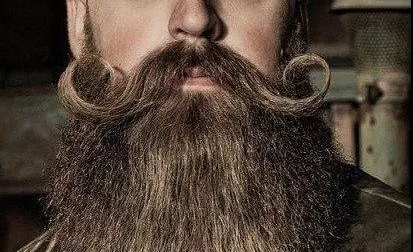
Built around a fuller chin and a shaped, sometimes waxed mustache, the Imperial has real old-world presence but demands daily mustache training to keep its distinctive upward curve. See our Imperial beard guide.
Anchor Beard
A geometric, jaw-tracing shape connected to a styled mustache, with bare cheeks. The sharp lines around the jaw need re-edging every few days to stay crisp. Full details in our anchor beard guide.

Verdi Beard
A rounder, fuller shape with disciplined edges throughout. It needs more shaping than its size suggests, since the volume has to be trained to sit in a controlled silhouette rather than growing outward unevenly. See our Verdi beard guide.

Handlebar Mustache Pairing
Often combined with a fuller beard, the handlebar mustache is one of the most demanding individual elements on this list, requiring wax and daily shaping to hold its signature curl. Our handlebar mustache guide covers the styling technique in detail.

Viking Beard
Longer, often braided or sectioned, the Viking beard needs regular re-braiding, conditioning to prevent breakage, and careful trimming to keep braided sections even in length. Full guide: Viking beard styles.

Beard With a Fade or Custom Design
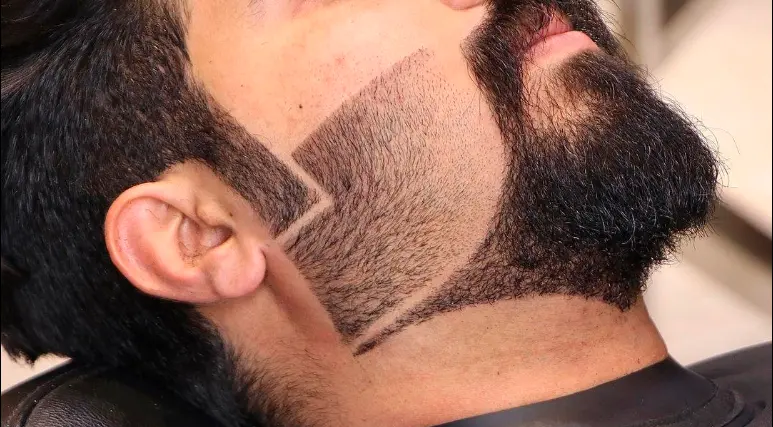
Fades blend length gradually from the cheek down to the neckline, which needs frequent touch-ups to avoid a visible harsh line as regrowth comes in. Custom designs — shaved patterns or line work through the beard — need even more frequent attention to stay sharp. See our beard fade styles and beard designs guides for specifics.
Pros and Cons of Committing to a Detailed Beard
| Pros | Cons |
| Highly distinctive, memorable look | Requires daily attention, not just weekly |
| More styling versatility and personal expression | Regrowth shows quickly on sharp lines |
| Often photographs and films exceptionally well | Higher cost from more frequent barber visits |
| Can become a genuinely enjoyable grooming ritual | Travel and busy periods disrupt the routine fast |
| Works well for building a distinctive personal brand | Less forgiving of patchy or uneven growth |
Which Hair Types Handle These Styles Best
Not every hair type is suited to these more demanding shapes.
| Hair Type | Suitability | Notes |
| Thick and coarse | Excellent | Holds sculpted shapes well and shows less regrowth between edging sessions |
| Wavy | Good | Works well for styles like the Garibaldi where some natural texture adds volume |
| Straight and fine | Moderate | Can work for styles like the Anchor beard, but needs more frequent shaping to hold sharp lines |
| Thin or patchy | Poor fit | Gaps become more visible under this much definition; a shorter, simpler style usually looks better. Our patchy beard guide has better-suited options |
| Curly | Good, with more effort | Styles like the Viking beard can work well but need more conditioning to manage frizz. Our curly beard styles guide covers texture-specific tips |
Best Face Shapes for Sculpted Styles
| Face Shape | Best Detailed Styles | Why It Works |
| Oval | Nearly all styles on this list | Balanced proportions handle bold shapes well |
| Square | Garibaldi, Verdi | Rounds out strong angles while keeping definition |
| Round | Anchor Beard, Imperial | Adds vertical structure and sharp lines |
| Long or Oblong | Viking Beard, Garibaldi | Adds width and volume rather than more length |
For more detail on your specific shape, see our guides on the best beard for round face, best beard for square face, and best beard for oval face.
The Daily and Weekly Grooming Routine
Here’s what actually goes into keeping these groomed beard looks sharp over time.
Daily (5–10 minutes):
- Comb or brush into shape, training hair in the direction you want it to sit.
- Reapply wax to any styled sections, like a handlebar mustache or Imperial’s curved tips.
- Spot-check edges for stray hairs that have grown past the line overnight.
Every 2–3 days (10–15 minutes):
- Re-edge sharp lines around the cheeks, neckline, and any separated sections.
- Trim any sections that have grown unevenly compared to the rest of the shape.
Weekly (15–20 minutes):
- Deep condition with a beard oil or leave-in conditioner, particularly for longer or braided styles.
- Full comb-through to check for tangles, breakage, or uneven density.
Monthly:
- A professional trim to maintain the underlying shape, since even careful home maintenance drifts slightly from the original lines over several weeks.
The Grooming Kit These Styles Actually Require
Unlike a simple, low-effort beard, these styles genuinely benefit from a more complete kit:
- A precision trimmer with a detail blade for sharp, controlled edging.
- A double-edge or straight razor for razor-crisp cheek and neckline definition.
- Beard wax for styled elements like mustache curls or Imperial tips.
- A boar bristle brush to train hair direction and distribute natural oils evenly.
- Leave-in conditioner or a heavier beard balm, particularly for longer or textured styles.
- Small precision scissors for detail work that a trimmer alone can’t handle cleanly.
For general technique before attempting these more advanced shapes, our how to trim a beard guide and beard care guide are worth reviewing first. Building genuinely stylish beard care habits at this level is less about buying more products and more about using the right ones consistently, in the right order, every single day.
Mistakes That Waste All That Extra Effort
These come up often among men attempting detailed styles without quite enough consistency:
- Skipping daily touch-ups and only correcting weekly. These styles fall out of shape fast, and by the time a weekly session comes around, the correction needed is far more involved.
- Using the wrong tools for fine detail work. A standard trimmer without a detail blade struggles with the precision these styles need.
- Ignoring conditioning on longer or braided sections. Dry hair breaks more easily, undoing weeks of length and shape work.
- Attempting a fully sculpted style with thin or patchy growth. The definition these styles rely on only highlights uneven density rather than hiding it.
- Not booking regular professional trims. Home maintenance alone tends to drift from the original shape after four to six weeks without a barber checking the underlying structure.
Common Myths About High Maintenance Beards
Myth: These styles require expensive, exotic products to pull off. Not exactly. A handful of quality basics — wax, a good trimmer, and conditioner — cover most of what’s needed. The real investment is time and consistency, not spending.
Myth: You need a professionally trained beard to attempt these styles. Density helps, but plenty of men grow into these shapes over several months of patient training and shaping, rather than starting with ideal thickness from day one.
Myth: A high maintenance beard styles always looks over-styled or unnatural. Done well, premium beard styles like these look deliberate and refined rather than fussy. The over-styled look usually comes from inconsistent maintenance, not the style itself.
Realistic expectation: Committing to detailed beard grooming means accepting that busy weeks, travel, and illness will all show up in your beard faster than they would with a simpler style. That’s a genuine trade-off, not a failure of the routine. If skin irritation develops from more frequent razor work along the edges, it’s worth easing up on frequency or checking in with a dermatologist — the American Academy of Dermatology has general guidance on managing razor-related irritation that applies well here.
If a fully sculpted style ends up being more commitment than your schedule allows, our medium beard styles and professional beard styles guides cover options with a gentler time investment.
Choosing among high maintenance beard styles comes down to an honest look at how much daily attention you’re willing to give it, not just which shape looks best in photos. Get a barber involved early, invest in the right tools, and treat the daily touch-ups as part of the routine rather than an inconvenience, and these styles will consistently outshine anything lower-effort.
FAQs
1. What is the most high maintenance beard styles? Fully sculpted styles like the Imperial beard and beards with custom fades or designs tend to require the most consistent daily attention among high maintenance beard styles.
2. How much time do high maintenance beard styles actually take? Most need 5 to 15 minutes of daily touch-ups, plus a longer weekly session and a monthly professional trim to maintain the underlying shape.
3. Do I need thick facial hair to pull off a detailed beard style? Density helps significantly, since sparse growth makes gaps more visible under the sharp definition these styles rely on, but many men build into these shapes over several months.
4. Are high maintenance beard styles worth the extra effort? For men who enjoy the grooming process and want a distinctive look, yes. For anyone who wants a simpler routine, a lower-effort style will likely be more satisfying long term.
5. What tools do I need for a high maintenance beard style? A precision trimmer, a razor for sharp edging, beard wax for styled elements, a boar bristle brush, and a conditioning balm cover most of what these styles require.
6. How often should I visit a barber for a detailed beard style? Roughly once a month, since home maintenance alone tends to drift from the original shape after several weeks without a professional check-in.
7. Can curly hair work for high maintenance beard styles? Yes, though it usually needs more conditioning and daily training to manage frizz and hold a defined shape compared to straighter hair types.
8. What face shape suits the most detailed beard styles? Oval faces generally handle nearly any detailed style well, while square and round faces benefit specifically from styles like the Garibaldi or Anchor beard for added structure.
9. Is a Viking beard considered high maintenance? Yes, particularly if it includes braiding, since it needs regular re-braiding, conditioning to prevent breakage, and careful trimming to keep sections even.
10. What happens if I miss a few days of maintenance on a detailed beard style? Sharp lines start to soften and styled elements like mustache curls lose their shape relatively quickly, usually within two to three days.
11. Are these styles suitable for a professional office setting? Some, like a well-shaped Verdi or Garibaldi, can work in more flexible workplaces, but styles with fades, designs, or dramatic mustache styling tend to suit more casual or creative environments better.
12. What’s the difference between groomed beard looks and simple beard styles? Groomed, detailed styles rely on multiple distinct shaping zones and daily correction, while simpler styles use a single connected shape that holds up longer between sessions.
13. Do high maintenance beard styles cost more to maintain? Generally yes, both from more frequent barber visits and a more complete product kit compared to simpler, lower-effort styles.
14. Can a beginner attempt a high maintenance beard styles? Yes, but it helps to start with professional guidance for the initial shaping, since correcting mistakes in a sculpted style is harder than adjusting a simpler one.
15. What’s the biggest reason detailed beard styles fail to look good? Inconsistent maintenance. These styles depend on daily attention, and skipping even a few days lets the shape soften and lose the precision that makes them work.