 By Bread Styles Team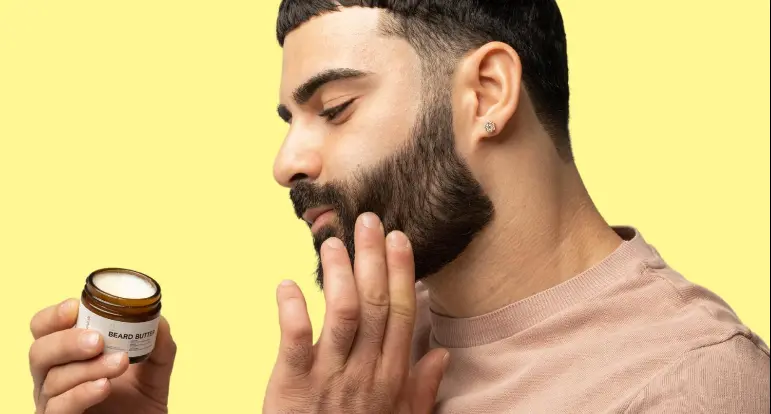
Somewhere between oil and balm sits a product a lot of men skip entirely, mostly because they’ve never needed it — until they grow out a genuinely thick or coarse beard and suddenly nothing else feels like enough. That’s usually the point beard butter earns a permanent spot in the routine. It’s built almost entirely around moisture rather than hold, which makes it the closest thing to a dedicated beard softener in most grooming lineups.
This guide covers what beard butter actually does, how it stacks up against balm, and when it genuinely outperforms the other two products in a standard grooming kit.
Table of Contents
What Is Beard Butter and Why It’s Different
Beard butter is a thick, whipped grooming product made primarily from natural butters like shea or cocoa, blended with carrier oils, and built to deliver deep, lasting moisture rather than any real hold or shape control. Compared to balm, it has little to no wax content, which means it softens and conditions without stiffening or structuring the hair.
Texture is the giveaway. Balm feels slightly firm and waxy; beard butter feels closer to a rich, whipped moisturizer. That difference in formulation is exactly what determines when each one is the better choice.
Beard Butter Benefits
- Deep, long-lasting moisture. Butters penetrate and condition more thoroughly than lighter oils, especially useful on thicker or drier beards.
- Genuine softening for coarse hair. This is the primary reason most men reach for it — beard butter benefits are concentrated almost entirely around texture improvement rather than styling.
- No stiffness or waxy residue. Unlike balm, butter leaves hair soft and natural-feeling rather than lightly structured.
- Reduced itchiness on dry skin. The richer formula holds moisture longer through the day than a standard oil application.
- A lightweight, natural finish. Minimal shine compared to oil, and no visible product buildup when applied correctly.
What’s Actually in Beard Butter
| Ingredient | Role |
| Shea butter | Primary softening agent, rich in fatty acids |
| Cocoa butter | Adds moisture and a slightly firmer, richer texture |
| Mango butter | Lighter alternative to shea, softens without heaviness |
| Carrier oils (jojoba, argan, sweet almond) | Add conditioning and help the butter absorb more evenly |
| Vitamin E | Antioxidant support, often included in small amounts |
Because butter contains little to no wax, the ingredient list leans almost entirely toward moisture and softness, which is exactly why it doesn’t hold a shape the way balm does.
Is Beard Butter a Real Beard Softener?
Yes — of the three core styling and conditioning products, beard butter is the one most specifically formulated as a beard softener. Its high butter content and near-total absence of wax mean it prioritizes texture improvement over any kind of structural hold, making it the most effective option for genuinely coarse, wiry, or dry facial hair.
This matters more than it might seem. A beard that feels rough or bristly usually isn’t a hair problem so much as a moisture problem, and butter addresses that more directly than a lighter oil can on its own.
Beard Butter vs Balm: What Actually Changes
Both products moisturize, but the similarities mostly stop there.
| Factor | Beard Butter | Beard Balm |
| Hold | None to minimal | Light to strong |
| Primary job | Deep softening and moisture | Shaping plus moisture |
| Texture | Whipped, creamy | Semi-solid, waxy |
| Best for | Coarse, dry, or thick beards | Styled shapes, flyaway control |
| Finish | Soft, natural | Slightly structured, matte |
If you’re trying to decide between the two, the deciding question is simple: are you trying to fix how your beard feels, or control how it holds a shape through the day? Softening problems point toward butter; shaping problems point toward balm. Our beard balm guide covers the styling side of that equation in full.
Choosing the Best Beard Butter for Your Skin and Hair Type
- Coarse or wiry hair: A shea or cocoa butter-based formula delivers the most noticeable softening.
- Curly or coily hair: Butter is especially effective here, since curl patterns tend to trap less natural moisture — see our curly beard styles guide for shaping tips alongside this.
- Thick, dense beards: A richer butter helps manage volume without adding stiffness, which pairs well with the styling approach in our thick beard styles guide.
- Dry or flaky skin: Look for a formula with a higher oil-to-butter ratio for easier absorption into the skin underneath, not just the visible hair.
- Sensitive skin: A shorter ingredient list with mango butter as a base tends to be gentler than heavier cocoa butter formulas for men prone to irritation.
How to Apply Beard Butter Correctly
- Scoop a small, dime-sized amount. Butter is concentrated, and a little goes further than most men expect on the first try.
- Warm it thoroughly between your palms. Butter needs more warmth than oil to soften into a workable texture.
- Work it into the skin first, then through the length of the beard. This targets both the dryness underneath and the coarseness of the visible hair.
- Comb through evenly. This distributes the product and prevents any clumping, which is more likely with a thicker product like butter.
- Apply once daily, or twice on particularly dry days or in colder climates. Reapplication is generally safe since butter doesn’t build the same waxy residue balm can.
When to Reach for Butter Instead of Oil or Balm
- Your beard feels rough or bristly no matter how often you oil it. This is the clearest sign a heavier, butter-based product will outperform a lighter oil.
- You live in a dry or cold climate. Butter holds moisture longer through the day than oil alone.
- You’re not trying to hold a specific shape. If shaping isn’t the goal, balm’s wax content is unnecessary — butter delivers the moisture without it.
- Your beard is on the longer or denser side. Longer growth loses moisture faster, and butter compensates better than a lighter product. Our long beard styles guide covers styling considerations at that length.
- You want a natural, non-shiny finish. Butter tends to look and feel less glossy than oil once fully absorbed.
Common Mistakes With Beard Butter
- Applying it cold. Butter needs more warming between the palms than oil or even balm to spread evenly.
- Using too much at once. A small amount covers a full beard; overuse can leave hair feeling heavy rather than softened.
- Expecting any real hold. Butter isn’t a styling product, and expecting it to control shape the way balm does leads to disappointment.
- Skipping it on coarse hair and sticking with oil alone. Oil is lighter and doesn’t always fully address genuinely wiry or dry texture.
- Not adjusting seasonally. Skin and hair often need more moisture in winter, making butter more useful in colder months than a lighter summer routine might call for.
Myths About Beard Butter
- “Butter and balm are basically interchangeable.” They share a moisturizing base, but only balm offers real hold — the two solve different problems.
- “Butter is only for very long beards.” Shorter, coarse beards benefit just as much, since softening matters regardless of length.
- “More butter equals softer hair.” Beyond a certain point, extra product just sits on the surface rather than absorbing, without adding further softness.
- “Beard butter makes hair grow differently.” Like oil and balm, butter conditions existing hair — it has no effect on the rate or pattern of new growth.
Who Benefits Most From Beard Butter
Men with coarse, wiry, or curly facial hair tend to see the most noticeable difference, since that hair type holds the least natural moisture on its own. Anyone living in a dry or cold climate benefits similarly, regardless of hair type, since environmental dryness compounds whatever the hair is already dealing with. Older men transitioning through grey or salt-and-pepper growth often find butter useful too, as hair can become drier and coarser with age — our grey beard styles and salt and pepper beard guides cover styling through that stage.
Men with fine, straight, or naturally soft facial hair generally need it less, since standard oil usually covers their conditioning needs without the extra richness butter provides.
Expert Tips
- Pair beard butter with a boar-bristle brush for the most even softening across the full beard, not just the surface layer.
- If you’re using butter and still want some hold, apply a small amount of balm afterward rather than mixing the two together in your palm.
- Store butter in a cool spot — it can soften or separate slightly in high heat, which affects texture and application.
- Introduce it gradually if you’re new to it; start with once-daily use before adding a second application to see how your skin responds.
- If breakouts or irritation develop, switch to a lighter, mango butter-based formula rather than a heavier cocoa butter blend.
Beard butter fills a specific gap that oil and balm don’t fully cover — genuine, lasting softness for hair that’s naturally coarse, dry, or dense. It’s not a replacement for either product so much as the answer to a specific problem: when your beard doesn’t need more hold, it needs more moisture, and that’s exactly where butter does its best work.
FAQs
What does beard butter actually do? Beard butter delivers deep, lasting moisture to both the skin and hair, softening coarse or dry facial hair more thoroughly than a lighter oil, without adding any real hold or structure.
What are the main beard butter benefits? The core benefits include deep softening for coarse hair, longer-lasting moisture than oil, reduced itchiness on dry skin, and a natural, non-greasy finish.
Is beard butter a good beard softener? Yes. Of the common grooming products, beard butter is the most specifically formulated as a beard softener, thanks to its high butter content and minimal wax.
What’s the difference between beard butter and beard balm? Beard butter focuses almost entirely on moisture and softness with little to no hold, while beard balm combines moisture with actual wax-based structure for shaping and flyaway control.
Should I use beard butter or beard oil? Butter works better for genuinely coarse, dry, or thick beards needing deeper moisture, while oil suits daily conditioning at any length, including shorter stubble.
What is the best beard butter for coarse or curly hair? A shea or cocoa butter-based formula with a good ratio of carrier oils tends to soften coarse or curly facial hair most effectively.
Can I use beard butter and beard balm together? Yes. Some men apply butter first for moisture, then a small amount of balm on top if they also want light hold or shaping.
Does beard butter leave a greasy or shiny finish? No. Beard butter typically absorbs into a soft, natural finish with minimal shine, unlike the lighter gloss associated with standalone oil.
How much beard butter should I use? A dime-sized amount is usually enough for a full application. Butter is concentrated, and using too much can leave hair feeling heavy rather than softer.
Is beard butter good for sensitive or dry skin? Yes, particularly formulas built around mango butter, which tends to be gentler than richer cocoa butter blends for men prone to irritation.
Does beard butter help with beard growth? No. Like oil and balm, beard butter conditions and softens existing hair but has no effect on the rate or pattern of new hair growth.
How often should I apply beard butter? Once daily is typical, with a second application on particularly dry days or in colder climates where facial hair tends to lose moisture faster.