 By Bread Styles Team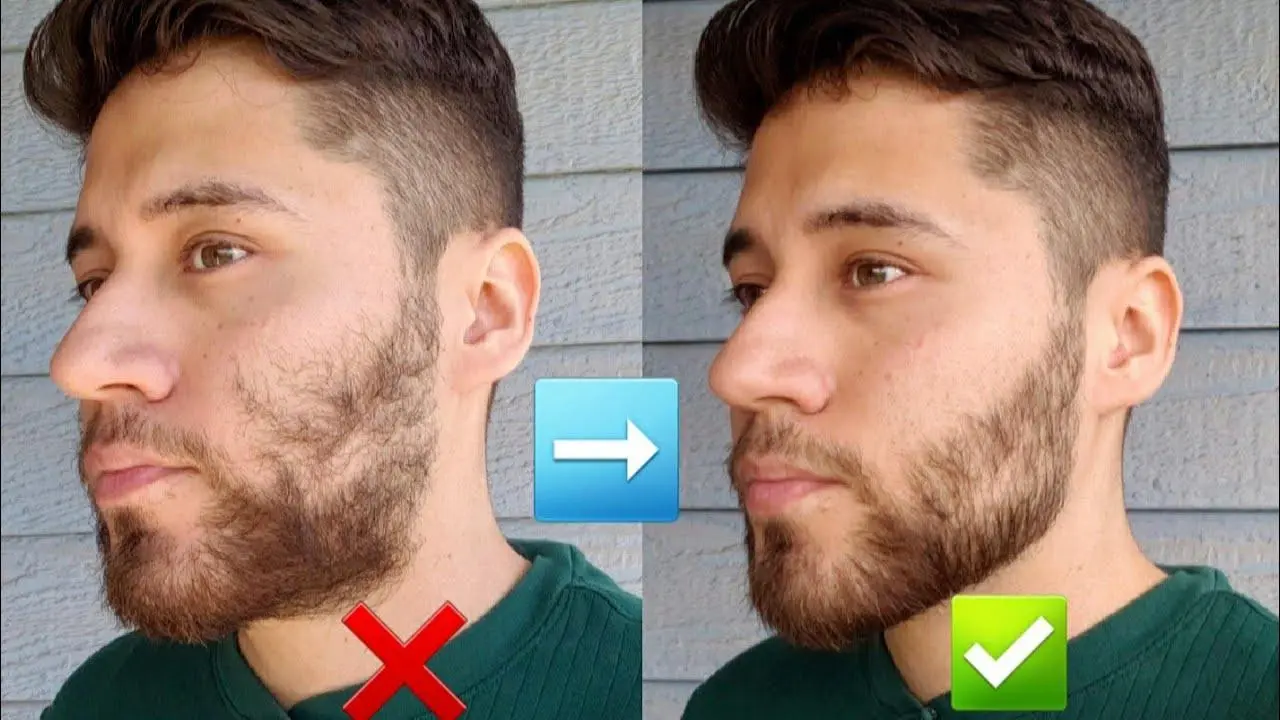
An uneven beard is one of the most common complaints barbers hear, and it’s also one of the most misdiagnosed. Most men assume it’s a growth problem — that one side just refuses to grow like the other — when in a lot of cases it’s actually a trimming or shaping issue, or completely normal facial asymmetry that’s simply more visible with hair on it.
This breaks down the real causes, how to tell which one applies to you, and the actual fixes — some of which are about technique and patience, not more product or more waiting.
Table of Contents
What Causes an Uneven Beard
Quick answer: An uneven beard is most commonly caused by natural facial asymmetry becoming more visible with hair, inconsistent trimming technique, differences in hair growth rate or direction across the face, or habits like sleeping position and sun exposure that affect one side more than the other over time.
It’s rarely one single cause. A slightly asymmetrical jawline combined with an imprecise trim and a fast-growing side compared to a slower one can all stack together to create what looks like a dramatically uneven beard, when each individual factor on its own would barely be noticeable.
Types of Beard Unevenness
Not all unevenness is the same problem, and identifying which type you’re dealing with changes the right approach.
| Type | What It Looks Like | Most Common Cause |
| Side-to-side asymmetry | One side fuller or longer than the other | Facial asymmetry, uneven trimming, growth rate differences |
| Patchy density | Bald or thin spots within an otherwise full beard | Genetics, hair growth pattern (also covered in the dedicated patchy beard guide) |
| Uneven length | Some areas noticeably longer than others despite trimming | Inconsistent home trimming technique |
| Uneven color/tone | Lighter or darker patches across the beard | Sun exposure, natural pigment variation |
Most men experience a combination of the first and third types — some side-to-side asymmetry compounded by trimming that wasn’t quite consistent across both sides.
Is Some Facial Asymmetry Normal?
Quick answer: Yes. Nearly everyone’s face has some natural asymmetry — one eye slightly higher, one side of the jaw slightly more prominent, one cheek fuller than the other. A beard doesn’t create this asymmetry; it often just makes it more visible than it was on bare skin.
This is worth internalizing before assuming an uneven beard reflects some kind of growth failure. A perfectly symmetrical face is genuinely rare, and a beard growing along naturally uneven bone structure and muscle will reflect that structure to some degree, regardless of how evenly the hair itself grows.
How to Fix an Uneven Beard Step by Step
- Wash and fully dry the beard before assessing anything — wet hair sits differently and makes it hard to judge true unevenness accurately.
- Comb thoroughly in the natural direction of growth on each side, since uncombed, tangled sections can look uneven when they’re not.
- Check in a mirror from multiple angles, not just straight on — a lot of apparent unevenness is actually normal asymmetry that reads differently depending on the angle.
- Identify whether the issue is length, density, or both, using the table above as a reference.
- Trim the longer or fuller side down to match the shorter side, rather than trying to grow the shorter side up to match — this is faster and more reliable.
- Reassess after each small trim rather than cutting aggressively in one pass, since overcorrecting is easy to do when working to fix asymmetry.
- Give any remaining minor asymmetry a few weeks before making further changes, since normal growth cycles can naturally even things out to some degree over time.
Trimming Techniques to Restore Symmetry
Trimming, done carefully, corrects far more uneven beard cases than most men expect.
- Work in small sections on both sides simultaneously, comparing as you go rather than finishing one side completely before starting the other.
- Use a mirror setup that shows both sides at once if possible — a single front mirror makes side-to-side comparison harder than it needs to be.
- Start conservative. It’s much easier to trim more off later than to fix an over-corrected, too-short section.
- Pay close attention to the neckline and cheek line, since asymmetry here is often more noticeable than length differences in the main body of the beard — the beard line up guide covers this technique in detail.
- Step back and check overall balance periodically, not just close-up symmetry, since a beard can look symmetrical up close but unbalanced from a normal conversational distance.
Styling Tricks to Disguise Uneven Growth
For unevenness that’s more about density or natural asymmetry than something a trim alone fixes, a few styling choices help significantly.
- Keep the beard slightly shorter overall. Shorter length makes minor density differences and asymmetry far less noticeable than longer growth does.
- Comb hair across sparse or uneven areas rather than straight down, subtly redirecting fuller sections to visually balance thinner ones.
- Choose a style that doesn’t demand perfect uniformity. Some shapes, like a well-defined goatee or balbo beard, work with natural density variation rather than exposing it the way a uniform full beard would.
- Keep edges extra sharp. A crisp cheek line and neckline draw the eye to intentional shape rather than subtle asymmetry within the beard itself.
When Patience Is the Actual Fix
Quick answer: Beards often become noticeably more even over the first two to six months of growth as slower-growing areas catch up and the overall shape fills in. Judging beard evenness too early, particularly before eight weeks, frequently leads to unnecessary trims or premature conclusions about permanent unevenness.
A lot of what looks like a genuinely uneven beard in the early weeks is really just different growth rates across the face resolving themselves naturally over time. If you’re still within the first two months of growing, holding off on aggressive correction and giving it more time is often the better call than trimming heavily to force symmetry too early.
Habits That Cause or Worsen Unevenness
A few everyday habits contribute to unevenness in ways men don’t always connect to their beard.
- Sleeping consistently on one side can affect hair direction and slightly influence how one side of the beard sits over time, though this is more about styling than actual growth rate.
- One-sided sun exposure, common for men who drive regularly, can cause noticeable lightening on the side closer to the window, creating an uneven color even in an otherwise evenly grown beard.
- Habitually touching, stroking, or resting a hand on one side more than the other can subtly train hair direction differently across sides over months.
- Trimming with a dominant-hand bias, where the side easier to reach and see gets trimmed more precisely than the harder-to-reach side.
- Inconsistent razor or trimmer pressure, especially for men who trim close on one side out of habit or convenience.
Beard Styles That Work Well With Uneven Growth
Some styles naturally accommodate asymmetry or uneven density better than others.
- A stubble beard minimizes the visual impact of both density and length unevenness, since there’s simply less beard for irregularities to show up in.
- A corporate beard, kept short and precisely edged, draws attention to clean lines rather than subtle density differences.
- A circle beard or van dyke beard isolates growth to specific areas, working with your strongest, most even growth zones rather than requiring uniform coverage across the whole face.
- For men further along in growth with more established density, a medium beard style offers enough length to comb and style around minor unevenness without it reading as sparse.
If you’re still deciding on a shape, the types of beard styles overview is a reasonable starting point, and choosing based on your actual density pattern rather than a style you’ve simply seen elsewhere tends to produce better results.
Common Mistakes When Trying to Fix It Yourself
- Over-trimming one side repeatedly, chasing perfect symmetry and ending up with a beard shorter than intended on both sides.
- Judging unevenness too early, before natural growth differences have had a chance to resolve on their own.
- Ignoring normal facial asymmetry, assuming every visual difference between sides is a beard problem rather than underlying bone structure.
- Using a single mirror angle to assess and correct, missing how the beard actually looks from a normal viewing distance and angle.
- Skipping a wash and comb before assessing, leading to judgments based on tangled or product-heavy hair rather than the beard’s true shape.
- Choosing an ambitious, high-symmetry style (like a very full, uniform bandholz) despite noticeable natural density differences that a more forgiving shape would handle better.
When Uneven Growth Signals Something Else
Most uneven beard cases are cosmetic and correctable through the approaches above. It’s worth a closer look if:
- A bald or thin patch appears suddenly and is well-defined, rather than a gradual, longstanding density difference — this can indicate alopecia areata, an autoimmune condition affecting hair follicles.
- Unevenness comes with other symptoms like itching, redness, or scaling in the affected area, which may point to a skin condition rather than simple growth variation.
- A previously even beard develops new unevenness without an obvious cause like a bad trim, which is worth mentioning to a doctor, particularly if it’s accompanied by other changes in hair growth elsewhere on the body.
The American Academy of Dermatology and British Association of Dermatologists both provide reliable, non-commercial information distinguishing ordinary uneven beard growth from medical hair loss conditions if something feels genuinely different from typical patchiness or asymmetry.
Myths About Uneven Beards
“An uneven beard means one side isn’t growing.” In most cases, both sides are growing — the unevenness comes from trimming, natural asymmetry, or timing differences rather than one side failing to grow at all.
“Perfect symmetry is normal and achievable for everyone.” Genuine facial symmetry is rare. Most “uneven” beards are simply reflecting completely normal asymmetry in the face underneath.
“Shaving and starting over fixes unevenness.” This resets growth entirely rather than fixing the underlying trimming or styling issue, meaning the same unevenness often reappears once the beard grows back.
“More beard oil evens out growth.” Oil conditions existing hair but has no effect on growth rate or density differences between sides of the face.
“Uneven beards always need professional correction.” Many cases are fixable at home with careful trimming and a bit of patience — a barber visit helps, but isn’t always required for mild asymmetry.
Final Thoughts
An uneven beard is usually more fixable than it feels in the moment, and the fix is more often about trimming technique and realistic expectations than it is about growth itself. Give a young beard time before judging its symmetry, trim carefully and conservatively when correcting real asymmetry, and remember that a certain amount of unevenness is just normal facial structure showing through hair rather than something to chase into perfect uniformity. Choose a style that works with your actual density and shape rather than against it, and most uneven beard concerns resolve without dramatic intervention.
FAQs
1. Why is my beard uneven on one side? This is usually caused by a combination of natural facial asymmetry, inconsistent trimming technique, and differences in hair growth rate or direction across the face, rather than one side simply failing to grow.
2. How do I fix an uneven beard at home? Wash and comb thoroughly before assessing, then trim the fuller or longer side down to match the other rather than trying to grow the shorter side up, working in small sections and checking from multiple angles as you go.
3. Is it normal to have some facial asymmetry affecting my beard? Yes. Nearly everyone has some natural facial asymmetry, and a beard often just makes existing differences in bone structure and jaw shape more visible than they were on bare skin.
4. How long should I wait before trying to fix uneven beard growth? Give it at least six to eight weeks of consistent growth before making major corrections, since a lot of apparent unevenness resolves naturally as slower-growing areas catch up over the first few months.
5. What’s the difference between an uneven beard and a patchy beard? An uneven beard typically refers to side-to-side asymmetry in length or density, while a patchy beard involves specific bald or sparse spots within the beard, though the two can overlap and are often addressed with similar styling approaches.
6. Can sun exposure cause uneven beard color? Yes, particularly for men who drive regularly, since one side of the face often gets more consistent sun exposure through a car window, which can cause noticeable lightening on that side over time.
7. What beard styles work best for uneven or asymmetrical growth? Shorter, cleanly edged styles like stubble or a corporate beard tend to minimize the visual impact of unevenness better than longer, fuller styles that require more uniform density and length.
8. Does sleeping position affect beard evenness? It can influence hair direction and how one side sits over time, though this is more a styling effect than an actual difference in growth rate between sides.
9. Should I shave off an uneven beard and start over? Not necessarily. Starting over resets growth without fixing the underlying cause, whether that’s trimming technique or natural asymmetry, so the same unevenness often shows up again as the beard regrows.
10. Can beard oil fix uneven beard growth? No. Beard oil conditions and softens existing hair but has no effect on growth rate or density differences between sides of the face.
11. When does uneven beard growth signal a medical issue rather than normal variation? A suddenly appearing, well-defined bald patch, or unevenness accompanied by itching, redness, or scaling, is worth checking with a dermatologist rather than assuming it’s ordinary asymmetry or a trimming issue.
12. Why does my beard look more uneven after I trim it myself? This is often due to inconsistent technique, a single mirror angle missing true symmetry, or a dominant-hand bias that trims one side more precisely than the other during home grooming.
13. Can beard bald spots be part of normal uneven growth? Some density variation is normal, but well-defined, complete bald spots are more often linked to genetics, growth pattern, or in some cases an underlying condition, which is worth checking if it appears suddenly.
14. Is patchy facial hair the same thing as an uneven beard? They’re related but not identical — patchy facial hair usually refers to specific areas of low or no growth, while an uneven beard more broadly covers asymmetry in length, density, or color across the whole face.
15. What’s the best way to trim symmetry back into an uneven beard? Work in small sections on both sides at once, comparing frequently rather than finishing one side first, and trim the longer or fuller side down to match the shorter one rather than trying to grow the other side up.