 By Bread Styles Team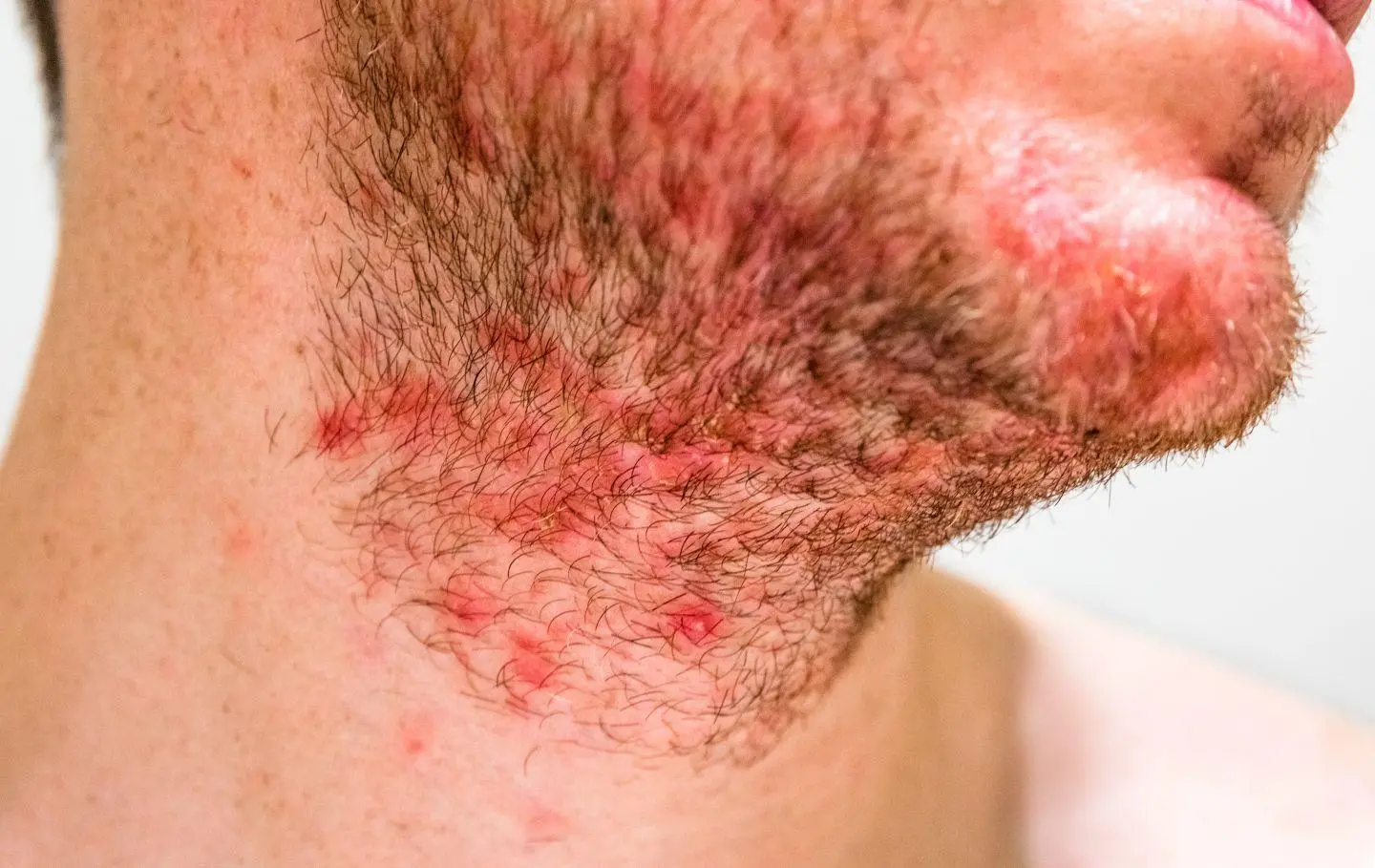
Ingrown beard hair is one of those problems that seems minor until it’s a tender, inflamed bump sitting right where your collar rubs all day. It happens when a hair curls back into the skin instead of growing straight out, and while it’s rarely serious, it’s uncomfortable, sometimes genuinely painful, and more common in certain hair types than others.
This covers what actually causes it, how to treat existing bumps without making them worse, and the shaving and trimming adjustments that meaningfully cut down how often it happens in the first place.
Table of Contents
What Ingrown Beard Hair Actually Is
Quick answer: Ingrown beard hair occurs when a strand curls back or grows sideways into the skin instead of exiting the follicle normally, triggering inflammation, a raised bump, and sometimes visible pus. It’s medically known as pseudofolliculitis barbae when chronic and related to shaving, and it’s one of the most common skin issues affecting men who shave or closely trim facial hair.
It’s different from a pimple, even though the two can look similar at a glance. An ingrown hair bump forms specifically around a trapped or redirected hair strand, while acne forms from clogged pores and oil, with no hair strand actually causing the blockage.
What Causes Ingrown Beard Hair
Curved or Curly Hair Growth Pattern
Curlier, coarser hair is naturally more prone to curling back into the skin as it grows, which is why ingrown facial hair shows up more frequently in men with tightly coiled or wavy facial hair textures.
Shaving Too Close
Cutting hair below the skin’s surface, which close shaves and some razors are specifically designed to do, increases the chance that the sharp, freshly cut tip catches the skin as it re-grows and curls inward instead of exiting cleanly.
Dead Skin Buildup
A layer of dead skin cells over the follicle opening can physically block a hair from growing straight out, redirecting it sideways or back into the skin.
Tight Clothing or Friction
Collars, scarves, or anything that rubs consistently against the jaw and neck area can push growing hairs in an unnatural direction, especially in the early stages of regrowth after a shave or close trim.
Trimming Against the Grain Repeatedly
While not as aggressive as shaving, consistently cutting hair against its natural growth direction can create sharper tip angles more likely to curl back into the skin than a cleaner, with-the-grain cut.
Beard Bumps vs Acne vs Folliculitis
These three get confused constantly since they can look similar, but the cause and treatment differ.
| Condition | What Causes It | Key Signs |
| Ingrown hair / beard bumps | A hair curling back into the skin | Small, often tender bump with a visible or trapped hair; may have a dark tip |
| Acne | Clogged pores from oil and dead skin | No hair involved; typically appears as whiteheads or blackheads |
| Folliculitis | Bacterial or fungal infection of the follicle | Often multiple inflamed, sometimes pus-filled bumps, may feel warm or spread |
Ingrown beard hair and folliculitis can actually occur together, since an irritated ingrown hair site is more vulnerable to bacterial infection. If a bump looks infected — spreading redness, warmth, or multiple bumps clustering together — that’s a sign to treat it as possible folliculitis rather than a simple ingrown hair.
Who’s Most Prone to Ingrown Facial Hair
Ingrown beard hair isn’t random — certain hair types and habits raise the likelihood significantly.
- Men with curly or tightly coiled facial hair experience this far more often, since curved hair naturally re-enters the skin more easily than straight hair. This is a well-documented pattern, particularly relevant for many Black men and others with coarser, curlier textures — the beard styles for black men guide touches on styling choices that also help manage this.
- Men who shave frequently and closely, rather than trimming with some length left, see more ingrown hairs than those maintaining stubble or a longer beard.
- Men with oily or thicker skin may experience more follicle blockage from dead skin and oil combining at the surface.
- Athletes or anyone in frequent contact with tight collars, helmets, or straps along the jaw and neck area.
None of this means ingrown facial hair is inevitable for these groups — it means prevention habits matter more and pay off more noticeably.
How to Treat Ingrown Beard Hair Safely
- Stop shaving or trimming the affected area until the bump has calmed down, since continued cutting irritates it further.
- Apply a warm compress for five to ten minutes, which softens skin and can help the trapped hair work its way out naturally.
- Gently exfoliate around (not directly on) the bump with a soft brush or mild exfoliating cleanser to help clear surrounding dead skin.
- Apply a product containing salicylic acid or glycolic acid to the area, which helps break down the skin blocking the follicle opening.
- Avoid picking, squeezing, or digging at the bump, which increases infection risk and can lead to scarring.
- If the hair tip becomes visible at the surface after a warm compress, you can gently lift it out with a sterile needle or tweezer — but only if it’s genuinely visible and easy to access, not buried.
- Apply a soothing, fragrance-free product afterward, and give the area a few days to settle before resuming shaving or close trimming.
When (and When Not) to Extract an Ingrown Hair
This is where a lot of ingrown beard treatment attempts go wrong, so it’s worth being direct about it.
Safe to gently extract when:
- The hair tip is clearly visible just under or at the skin’s surface
- There’s no significant swelling, redness spreading outward, or visible pus
- You have clean, sterile tools (a sterilized needle or tweezers, cleaned with rubbing alcohol)
Leave it alone and let it resolve on its own when:
- The hair isn’t visible or accessible without digging
- There’s noticeable swelling, warmth, or pus, which suggests possible infection
- Previous attempts to extract have led to scarring or repeated irritation in the same spot
Digging for a hair that isn’t clearly visible is one of the most common causes of scarring associated with ingrown beard hair. When in doubt, warm compresses and patience resolve the majority of cases without any manual extraction at all.
Preventing Ingrown Hair: Daily and Weekly Habits
- Exfoliate gently two to three times a week, focused on areas prone to ingrown hairs, to keep the follicle opening clear.
- Comb daily, which helps train hair to grow outward in a consistent direction rather than curling unpredictably.
- Moisturize regularly. Well-hydrated skin allows hair to exit follicles more easily than dry, tight skin.
- Avoid unnecessarily close shaving in areas that are prone to ingrown hairs — leaving a small amount of length reduces the sharp, re-entry-prone tip that a close shave creates.
- Change razor blades regularly if shaving is part of your routine, since dull blades drag and increase irritation.
Shaving and Trimming Technique That Reduces Ingrown Hairs
- Shave or trim in the direction of hair growth, not against it, particularly in ingrown-prone areas like the neck and jawline.
- Use a sharp blade or a well-maintained trimmer rather than a dull one, which tugs at hair and increases irritation.
- Avoid stretching the skin taut while shaving, a common technique for a closer shave that also increases how far below the surface hair gets cut, raising ingrown risk.
- Rinse with cool water after shaving to help close pores and reduce irritation.
- Consider maintaining slightly more length rather than close shaving if ingrown hairs are a recurring problem — even switching to stubble or a longer style significantly reduces the issue for a lot of men. The beard line up guide covers technique for keeping edges clean without needing an unnecessarily close shave.
Products That Help Prevent and Treat It
| Product Type | Role |
| Salicylic or glycolic acid treatment | Exfoliates and helps clear blocked follicles |
| Gentle exfoliating scrub or brush | Regular prevention through dead skin removal |
| Beard oil | Softens skin and hair, reducing resistance as hair grows out |
| Aftershave balm (alcohol-free) | Soothes skin post-shave without excessive drying |
| Sharp, well-maintained razor or trimmer | Reduces drag and irritation that contribute to ingrown hairs |
A consistent beard oil routine does more preventive work here than people expect, since softer, better-hydrated hair and skin make it genuinely easier for new growth to exit the follicle cleanly.
Mistakes That Make Ingrown Beard Hair Worse
- Digging at a bump repeatedly trying to force out a hair that isn’t accessible, which increases scarring risk significantly.
- Shaving over already irritated ingrown hair bumps, which worsens inflammation and delays healing.
- Skipping exfoliation entirely, allowing dead skin to keep blocking follicles.
- Using dull blades, which drag and increase the trauma to skin during shaving.
- Stretching skin tight while shaving for a closer cut, which raises ingrown hair risk even if it looks smoother immediately afterward.
- Ignoring signs of infection, treating a clearly inflamed, spreading bump the same as a simple, uncomplicated ingrown hair.
When to See a Dermatologist
Most cases of ingrown beard hair resolve with basic home care within a week or two. See a dermatologist if:
- Bumps are widespread, persistent, or keep recurring in the same spots despite consistent prevention habits
- There’s significant pain, spreading redness, warmth, or visible pus suggesting infection
- Home treatment attempts have led to noticeable scarring or dark spots (post-inflammatory hyperpigmentation) that aren’t fading
- You’re dealing with chronic pseudofolliculitis barbae that’s affecting your ability to shave or trim comfortably at all
A dermatologist can offer more targeted treatment, including prescription-strength options, for cases that don’t respond to standard home care. The American Academy of Dermatology publishes reliable, non-commercial information specifically on pseudofolliculitis barbae and ingrown hair management worth reviewing for more detail.
Myths About Ingrown Beard Hair
“Only men who shave get ingrown hairs.” Trimming, especially very short or against the grain, can also cause them, though shaving does increase the risk more significantly.
“Popping an ingrown hair bump like a pimple helps.” This usually worsens irritation and increases infection and scarring risk rather than resolving anything faster.
“Ingrown hairs mean you have bad hygiene.” Hair growth pattern and hair type are the primary drivers, not cleanliness — well-maintained beards still get ingrown hairs, particularly with curlier textures.
“Growing a full beard eliminates ingrown hair problems entirely.” It significantly reduces new occurrences by removing frequent close shaving, but existing follicle irritation and occasional ingrown hairs can still happen even with longer growth.
“Any dark spot after an ingrown hair means permanent scarring.” Many of these marks are temporary post-inflammatory discoloration that fades over weeks to months, rather than true permanent scarring.
Final Thoughts
Ingrown beard hair is common, largely manageable, and rarely something to be alarmed about — but it does respond much better to patience and gentle technique than to aggressive digging or repeated close shaving over an already irritated area. Focus prevention efforts on regular gentle exfoliation, sharp tools, and shaving with the grain rather than against it, and treat existing bumps with warm compresses and time rather than immediate extraction. For most men, especially those with curlier or coarser facial hair, a few consistent habit changes make a bigger difference here than any single product.
FAQs
1. What causes ingrown beard hair? Ingrown beard hair happens when a strand curls back or grows sideways into the skin instead of exiting the follicle normally, often due to curly hair texture, close shaving, dead skin buildup, or friction from clothing.
2. How do I get rid of an ingrown beard hair safely? Apply a warm compress to soften the skin, gently exfoliate the surrounding area, and only extract the hair with sterile tools if the tip is clearly visible at the surface — otherwise, let it resolve on its own.
3. What’s the difference between beard bumps and acne? Beard bumps specifically involve a trapped or curled-back hair strand, while acne results from clogged pores and oil without hair being the direct cause, even though both can look like small red bumps.
4. How can I prevent ingrown hair from happening in the first place? Regular gentle exfoliation, shaving or trimming with the grain rather than against it, using sharp blades, and avoiding unnecessarily close shaves are the most effective prevention habits.
5. Is ingrown facial hair more common with curly hair? Yes, significantly. Curlier or tightly coiled hair naturally curves back into the skin more easily than straight hair, making ingrown hairs more frequent for men with these textures.
6. Should I pop an ingrown beard hair bump? No. Popping or squeezing it like a pimple typically worsens irritation and increases the risk of infection and scarring rather than resolving the issue faster.
7. Can growing a full beard help with ingrown beard hair? Yes, largely by reducing how often you shave closely, which is one of the biggest triggers. It doesn’t eliminate the possibility entirely, but it does reduce new occurrences for many men.
8. What ingredients help treat ingrown facial hair? Salicylic acid and glycolic acid are commonly used to help exfoliate and clear blocked follicles, supporting the trapped hair’s ability to grow out normally.
9. How long does it take for an ingrown beard hair to heal? Most resolve within one to two weeks with basic home care like warm compresses and gentle exfoliation, though healing time can vary depending on severity and whether the area gets further irritated.
10. When should I see a dermatologist about ingrown beard hair? If bumps are widespread, persistently recurring, show signs of infection like spreading redness or pus, or if home treatment is leading to noticeable scarring, professional treatment is worth pursuing.
11. Does shaving against the grain cause more ingrown hairs? Yes. Shaving against the direction of hair growth typically cuts hair at a sharper angle below the skin’s surface, increasing the likelihood it curls back in as it regrows.
12. Can ingrown beard hair leave permanent marks? Some dark spots after healing are temporary post-inflammatory discoloration that fades over weeks to months, though repeated digging or picking increases the risk of more lasting scarring.
13. What’s the best way to prevent ingrown hair if I have to shave regularly? Use a sharp blade, shave with the grain, avoid pulling skin taut for a closer cut, and follow up with a soothing, alcohol-free aftershave to reduce irritation and follicle blockage.
14. Are beard bumps and folliculitis the same thing? Not exactly, though they’re related. An ingrown hair causes a single irritated bump around a trapped strand, while folliculitis is typically a bacterial or fungal infection that can involve multiple inflamed follicles at once.
15. Can moisturizing help prevent ingrown beard hair? Yes. Well-hydrated skin allows hair to exit the follicle more easily than dry, tight skin, making regular moisturizing a genuinely useful part of ingrown hair prevention.