 By Bread Styles Team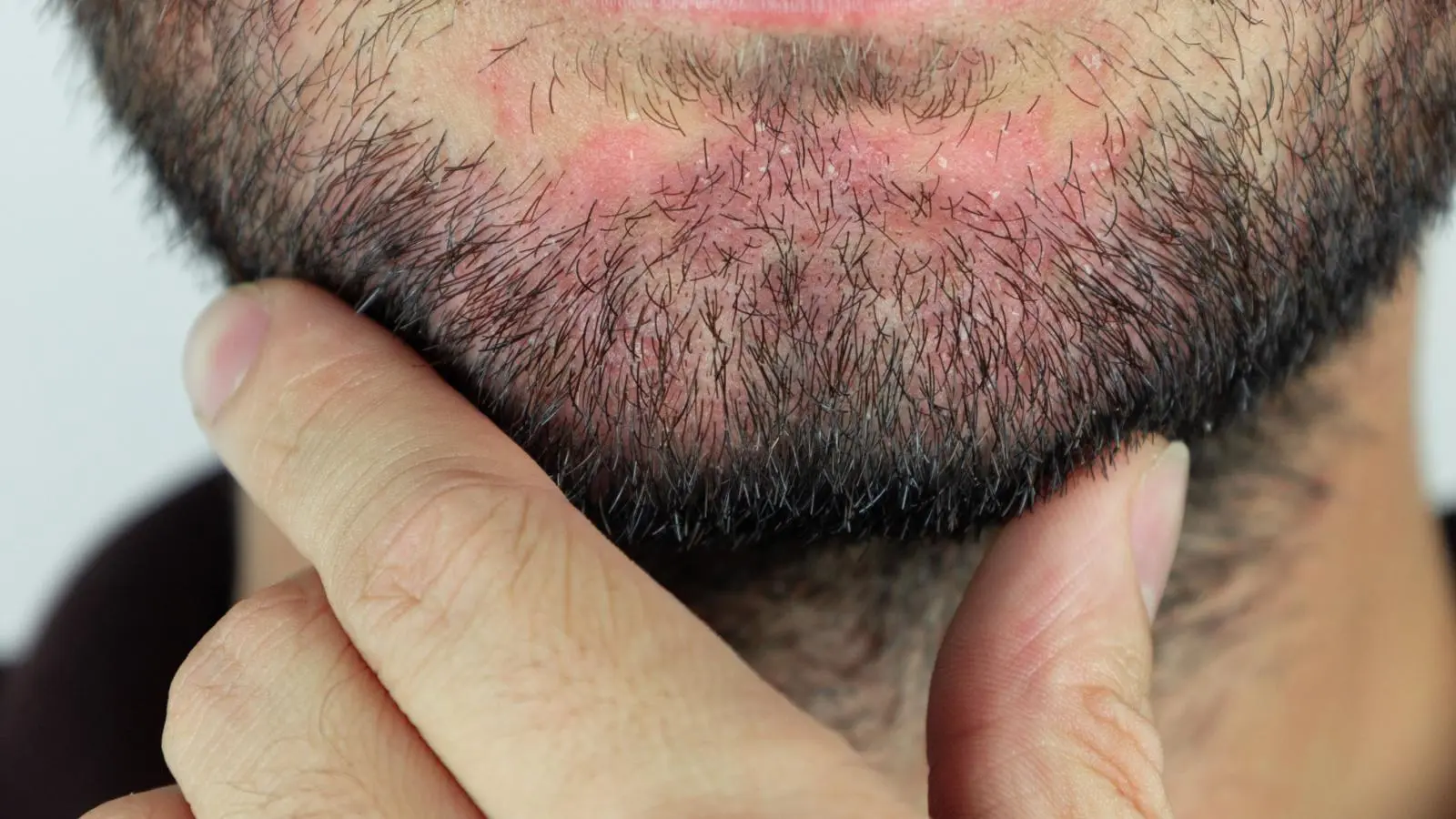
Beard itching is the reason a lot of men quit growing a beard in the first two weeks, which is unfortunate, because it’s usually temporary and genuinely manageable once you know what’s causing it. Not all itchy beard experiences are the same, though — the itch that hits during the first few weeks of growth is a different problem than itching that shows up on a beard you’ve had for a year, and treating them the same way rarely works.
This covers why beard itching happens at different stages, how to get it under control quickly, and how to tell ordinary irritation apart from something that needs more targeted beard skin care.
Table of Contents
What Causes Beard Itching
Quick answer: Beard itching is most commonly caused by new hairs piercing through the skin during early growth, dry skin underneath the beard, ingrown hairs, or irritation from products and shaving. Less commonly, it can stem from a skin condition or allergic reaction that needs more targeted treatment.
Most men assume beard itching has one single cause, but it’s really a symptom with several possible sources. Getting the right relief depends on identifying which one actually applies to your situation rather than treating every itchy beard the same way.
The Growing-In Itch: Why It’s Different
Quick answer: The itching that happens during the first two to six weeks of beard growth occurs because new hairs are piercing through skin that’s used to being smooth, along with the hair follicles adjusting to producing longer, coarser growth. This type of itch is temporary and typically resolves on its own as the beard fills in.
This is the most common reason men search “why does my beard itch,” especially those early in the growing process. It’s genuinely uncomfortable but not usually a sign of a skin problem — it’s closer to how skin adjusts to any new physical sensation, similar to why a new sweater might feel itchy before it’s washed a few times.
A few things worth knowing about this specific phase:
- It typically peaks around week two to three and fades by week five or six for most men.
- Curlier or coarser hair types sometimes experience more noticeable itching during this stage, since the hair shape can catch against the skin differently as it grows.
- Scratching aggressively during this window can lead to irritation or minor skin damage that then causes a second, separate source of itching layered on top of the original growth-related one.
Other Common Causes of an Itchy Beard
Dry Skin Underneath
Facial hair blocks some natural oil from reaching the skin evenly, which can leave patches dry and itchy regardless of how long you’ve had the beard.
Ingrown Hairs
When hair curls back into the skin instead of growing outward, it triggers localized itching, sometimes with small bumps. This is more common in curlier or coarser beards and along the neckline, where shaving or close trimming happens most.
Product Irritation or Allergic Reaction
New oils, balms, or washes — particularly heavily fragranced ones — can cause contact irritation in some men, showing up as itching, redness, or occasionally small bumps.
Poor Rinse After Washing
Leftover shampoo or soap residue left on the skin can dry and irritate it, causing itching that’s easy to mistake for a product allergy when it’s really just an incomplete rinse.
Sweat and Heat
Trapped sweat, especially during exercise or hot weather, can irritate skin under a beard and trigger itching separate from the growth-phase cause.
Beard Dandruff or Broader Skin Conditions
Ongoing itching paired with visible flaking often points toward genuine dandruff rather than simple dryness or growth-related irritation — covered in more depth below.
Beard Itching vs Beard Dandruff
These two are related but not identical, and it’s worth knowing the difference before choosing a treatment approach.
| Beard Itching (General) | Beard Dandruff | |
| Main trigger | Growth phase, dryness, ingrown hairs, irritation | Yeast overgrowth, buildup |
| Visible signs | May have no visible flaking at all | Visible white or yellow flakes |
| Typical duration | Often temporary, tied to a specific cause | Can be persistent without targeted treatment |
| Treatment focus | Moisture, gentle care, addressing the specific trigger | Anti-fungal ingredients, exfoliation |
If flaking is a significant part of what you’re experiencing alongside the itch, the dedicated beard dandruff guide covers that specific combination in more depth, including how to tell it apart from simple dry skin.
How to Get Real Beard Itch Relief
- Identify the likely cause first using the sections above — growth phase, dryness, ingrown hairs, or product reaction each call for a slightly different fix.
- Wash gently with a sulfate-free beard shampoo, avoiding hot water, which strips natural oils and can worsen dryness-related itching.
- Apply beard oil daily, focused on the skin rather than just the hair length — this is genuinely one of the most effective single steps for reducing itch, particularly during the growth phase.
- Comb regularly, even during the growing-in stage, to help train hairs to grow outward rather than curling back into the skin.
- Avoid scratching directly. If the itch is intense, gently pressing or lightly massaging the area relieves some sensation without risking skin damage.
- Switch products if irritation started after introducing something new, and wait a week before reintroducing it to see if symptoms return.
- Give it time if it’s growth-related. This specific cause resolves largely on its own within a few weeks regardless of product use, though good beard skin care habits make the process more comfortable.
Products That Help With Itchy Beard Skin
| Product | Role in Itch Relief |
| Beard oil | Softens skin and hair, reduces the friction that triggers itching |
| Beard balm | Extra conditioning for longer beards prone to dryness-related itch |
| Fragrance-free moisturizer | Directly hydrates skin without added irritants some scented products carry |
| Gentle exfoliating brush | Helps prevent ingrown hairs by clearing dead skin regularly |
| Sulfate-free shampoo | Cleans without over-stripping natural oils |
A dedicated beard moisturizer — separate from oil — is worth adding if dryness seems to be the main driver, since it’s formulated to hydrate skin directly rather than primarily condition hair.
Preventing Itching From the Start
For men just beginning to grow a beard, a few habits noticeably reduce how uncomfortable the early itch phase actually feels.
- Start applying beard oil from day one, not after the itching has already become noticeable.
- Resist the urge to shave it off during week two or three, which is typically when itching peaks before it starts improving.
- Comb daily even when there’s not much length yet, to encourage hair to grow in a consistent direction rather than curling.
- Avoid harsh, fragranced soap on the face during this period, sticking to gentler cleansers.
- Keep skin exfoliated lightly, which helps prevent the ingrown hairs that add a second layer of itching on top of ordinary growth discomfort.
Mistakes That Make Beard Itching Worse
- Scratching aggressively, which can break skin and create irritation that outlasts the original itch trigger.
- Shaving at the first sign of discomfort, which resets the growth cycle and means starting the itch phase over from scratch next time.
- Skipping oil because “it’s just going to itch anyway.” Consistent oiling genuinely reduces the intensity of growth-phase itching for most men.
- Over-washing in an attempt to “clean away” the itch, which often dries skin further and worsens things.
- Using a fine-tooth comb on curlier or coarser beards, which can snag and irritate skin more than a wide-tooth comb.
- Ignoring persistent itching that doesn’t fit the growth-phase timeline, assuming it will resolve the same way normal growing-in itch does.
Beard Skin Care Tips for Sensitive Skin
Men with naturally sensitive skin need a slightly more careful approach to avoid triggering itching unnecessarily.
- Choose fragrance-free, minimal-ingredient products over heavily scented options.
- Patch test any new product on a small area before applying it across the whole beard.
- Avoid excessive exfoliation, which can be counterproductive and irritate already reactive skin.
- Keep water temperature warm rather than hot during washing.
- Consider introducing new products one at a time rather than switching multiple items in your routine simultaneously, which makes it easier to identify what’s actually causing irritation if it happens.
Itching by Beard Stage and Length
- Weeks 1–6 (growing in): The most intense and most common itch period, largely tied to new hair piercing the skin. Focus on patience and consistent light oiling.
- Short to medium beards (2–5 months): Itching at this stage is more often related to dryness, ingrown hairs, or product reactions than ongoing growth discomfort.
- Long-established beards (6+ months): Persistent itching here is less likely to be growth-related and more often points to dryness, buildup, or a skin condition worth addressing directly, sometimes alongside a broader beard hygiene review.
When Beard Itching Signals Something Else
Most beard itching resolves with the steps above, but a few situations are worth a closer look:
- Folliculitis — inflamed, sometimes pus-filled bumps around hair follicles, often from bacteria entering through irritated or broken skin, can cause persistent itching and discomfort beyond typical dryness.
- Allergic contact dermatitis — a stronger reaction to a specific ingredient, showing up as redness, swelling, or intense itching shortly after using a new product.
- Persistent itching with no visible cause lasting more than a few weeks despite consistent gentle care, which is worth discussing with a dermatologist rather than continuing to guess at products.
- Itching accompanied by significant flaking or greasy scaling, which may point toward seborrheic dermatitis rather than simple irritation.
The American Academy of Dermatology and British Association of Dermatologists both publish reliable, non-commercial information on facial skin conditions if symptoms don’t match the more common, temporary causes covered here.
Myths About Beard Itch
“All beard itching means you’re allergic to something.” Most itching, especially early on, is simply the growth phase and has nothing to do with an allergy.
“Shaving is the only way to stop the itch.” Shaving stops it temporarily by removing the beard entirely, but the itch phase returns identically the next time hair grows back in.
“Beard oil doesn’t actually help with itching.” For most men, consistent use of a basic beard oil meaningfully reduces itch intensity during the growth phase, even if it doesn’t eliminate it completely.
“Itchy beards are a hygiene problem.” Growth-phase itching happens regardless of hygiene, and even well-maintained, clean beards go through it.
“Once the itch stops, it won’t come back.” New itching can develop later from dryness, ingrown hairs, or product changes, separate from the original growth-phase cause.
Final Thoughts
Beard itching feels worse than it actually is in most cases, particularly during the first few weeks of growth when it’s simply new hair adjusting against skin that isn’t used to it yet. Consistent, gentle beard skin care — daily oil, sensible washing, and resisting the urge to scratch or shave it all off — gets most men through the uncomfortable stretch without much trouble. If itching sticks around well past the growth phase or comes with visible irritation, treating it as a separate issue rather than “just beard itch” usually gets it resolved faster.
FAQs
1. Why does my beard itch so much in the first few weeks? This is typically caused by new hairs piercing through the skin as they grow, combined with skin adjusting to the presence of longer facial hair. It usually peaks around week two or three and improves within a few weeks.
2. How do I get beard itch relief quickly? Daily beard oil applied directly to the skin, gentle washing with a sulfate-free shampoo, and avoiding scratching are the most effective immediate steps for reducing itch intensity.
3. Does shaving stop an itchy beard for good? No. Shaving removes the itch temporarily, but the same growth-phase itching returns identically the next time the beard grows back in, since the underlying cause hasn’t changed.
4. Is beard itching a sign of poor hygiene? Not necessarily. Growth-phase itching happens regardless of how clean the beard is, though ongoing itching from buildup or irritation can sometimes be reduced with better washing habits.
5. What’s the difference between beard itching and beard dandruff? Beard itching can occur with or without visible flaking, while beard dandruff specifically involves visible white or yellowish flakes, usually caused by yeast overgrowth rather than growth-phase skin adjustment.
6. Can ingrown hairs cause beard itching? Yes. When hair curls back into the skin instead of growing outward, it commonly causes localized itching and sometimes small bumps, particularly along the neckline or in curlier beards.
7. How long does the growing-in itch usually last? For most men, it peaks around week two to three of growth and noticeably improves by week five or six as the follicles adjust and the beard fills in.
8. What products help most with an itchy beard? Beard oil applied to the skin, a fragrance-free moisturizer, and a sulfate-free shampoo are generally the most effective combination for reducing itch from dryness or growth-phase irritation.
9. Can new grooming products cause beard itching? Yes. Fragranced oils, balms, or washes can trigger contact irritation in some men, which typically shows up as itching, redness, or occasionally small bumps shortly after use.
10. Is it normal for an established beard to still itch sometimes? Occasional itching from dryness, weather changes, or product buildup is common even in long-established beards, though it’s usually milder and more intermittent than the initial growth-phase itch.
11. When should beard itching be checked by a dermatologist? If itching persists for several weeks despite gentle care, comes with significant redness or bumps, or appears alongside greasy scaling, it’s worth getting checked rather than continuing to self-treat.
12. Does beard oil actually reduce itching, or is that a myth? It genuinely helps for most men, particularly during the growth phase, by softening both the hair and the skin underneath and reducing the friction that contributes to itch sensations.
13. Can hot water make beard itching worse? Yes. Hot water strips natural oils from the skin faster than warm water, which can dry skin out further and increase itching, especially for men already dealing with dryness-related irritation.
14. What’s the best way to prevent beard itching before it starts? Applying beard oil from the very first days of growth, combing daily, and avoiding harsh, fragranced cleansers all help reduce how intense the early itch phase feels.
15. Can beard itching be caused by an allergic reaction? Yes, though it’s less common than growth-phase or dryness-related causes. Allergic contact dermatitis from a specific ingredient typically shows up as more intense itching along with redness or swelling shortly after using a new product.