 By Bread Styles Team
Table of Contents
What Beard Moisturizer Actually Does
Beard moisturizer is any product — oil, balm, butter, or cream-based — used to add and lock in hydration for both the beard hair and the skin underneath it, reducing dryness, flaking, and itchiness. Unlike styling products, its main job isn’t hold or shape. It’s hydration, plain and simple.
Facial hair dries out faster than the hair on your head for a simple reason: your scalp has thousands of oil glands feeding each follicle, and your face has far fewer relative to how coarse beard hair usually is. That imbalance gets worse the longer a beard grows, since natural oils have to travel further down each strand and rarely make it all the way to the tips.
A dry beard isn’t just uncomfortable. It looks dull, feels wiry, and tends to make skin underneath flake — a combination that undoes even a well-shaped style. Getting beard hydration right is one of the simplest ways to make any beard look better without changing the style itself, and it pairs directly with the basics covered in our beard care guide.
Why Beards Dry Out in the First Place
Dryness rarely comes from one single cause. It’s usually a mix of the following:
- Overwashing with regular shampoo. Standard shampoo strips natural oils faster than skin and hair can replace them.
- Hard water. Mineral-heavy water leaves residue that makes hair feel rougher and blocks moisture from properly absorbing.
- Cold, dry air or heated indoor environments. Both pull moisture out of hair and skin.
- Sun exposure. UV exposure breaks down the hair’s outer layer over time, similar to how it affects scalp hair.
- Genetics and hair texture. Coarser or curlier facial hair holds less natural moisture along the strand than straighter hair.
- Diet and hydration levels. Chronic dehydration or a diet low in healthy fats shows up in hair and skin condition eventually.
- Skipping any conditioning product entirely. Some men wash and trim but never add anything back, which almost guarantees dryness as the beard gets longer.
Signs Your Beard Needs More Moisture
Featured Snippet Answer: A dry beard typically shows through rough or wiry texture, visible flaking on the skin underneath (often mistaken for dandruff), itchiness, dull color, split ends, and hair that won’t lie flat no matter how it’s brushed.
Quick checklist — if two or more of these apply, it’s time to adjust your routine:
- [ ] Beard feels rough or brittle to the touch
- [ ] Flaking or white residue visible at the roots (“beardruff”)
- [ ] Itching, especially a few hours after washing
- [ ] Hair looks dull rather than naturally glossy
- [ ] Split or frayed ends
- [ ] Static or flyaways that won’t settle
Types of Beard Moisturizing Products
Several product categories claim to moisturize, but they work differently and aren’t interchangeable.
| Product | Texture | Best For | Notes |
| Beard Oil | Light, liquid | Daily hydration, all lengths | Fast-absorbing, easiest to layer with other products |
| Beard Balm | Thick, semi-solid | Longer beards needing hold + hydration | Combines moisture with light styling control |
| Beard Butter | Rich, creamy | Very dry or coarse beards | Heavier than oil, minimal hold, deep conditioning |
| Beard Conditioner | Rinse-out or leave-in liquid | Post-wash hydration | Used during or right after washing |
| Beard Serum | Lightweight, concentrated | Targeted dryness or damage | More active-ingredient focused than general hydration |
For everyday use, most men do fine with a beard oil. For beards past medium length or particularly coarse or curly texture, a beard butter or beard balm adds a heavier moisture barrier that plain oil sometimes can’t provide alone. If dryness is severe or paired with breakage, a beard serum targets that more directly than a general moisturizer would.
Ingredients That Actually Hydrate
Not every oil labeled “moisturizing” performs the same way. Some ingredients hydrate; others just add shine without doing much for the skin underneath.
Genuinely hydrating ingredients:
- Jojoba oil – closely mimics natural skin oils, absorbs well
- Argan oil – rich in fatty acids, softens coarse hair
- Shea butter – deeply conditioning, good for very dry or coarse beards
- Glycerin – draws moisture into the skin and hair
- Hyaluronic acid – holds significant water content, used in lighter formulas
- Panthenol (Pro-Vitamin B5) – softens hair and reduces breakage
Ingredients that look moisturizing but often aren’t:
- Heavy silicones – can coat hair with shine while doing little for actual hydration underneath
- High alcohol content – common in cheaper sprays, tends to dry hair out further
- Strong fragrance-heavy formulas – fragrance itself doesn’t hydrate and can irritate sensitive skin
Habits That Quietly Dry Out Your Beard
A lot of men fight dryness with products while unknowingly undoing the effort through daily habits:
- Washing daily with regular shampoo. Two to three times a week with a dedicated beard shampoo or beard wash is usually enough.
- Using hot water. Hot water strips oils faster than warm or lukewarm water.
- Rough towel drying. Rubbing a towel against beard hair roughens the outer layer; patting dry works better.
- Skipping oil after washing. Washing removes natural oils — not replacing them afterward guarantees dryness.
- Over-brushing or over-combing. Excessive friction on dry hair increases breakage.
- Trimming with dull tools. A dull trimmer or razor tugs at hair rather than cutting cleanly, roughing up the ends.
How to Moisturize a Beard Step by Step
- Wash two to three times a week with a beard-specific wash rather than daily with regular shampoo.
- Pat dry, don’t rub. Leave the beard slightly damp rather than bone dry.
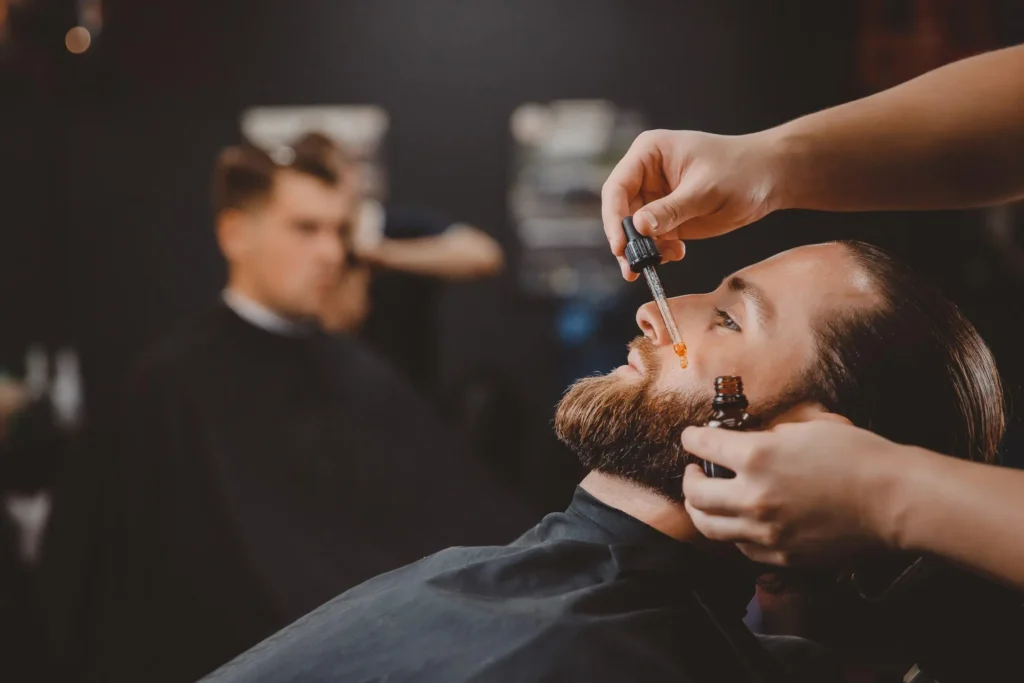
- Apply beard oil first, working it into the skin with your fingertips, not just the hair surface.
- Follow with balm or butter if needed, especially for beards past medium length or coarser textures.
- Comb or brush through with a beard comb to distribute product evenly.
- Repeat morning and night, or at minimum once daily, adjusting amount based on length and climate.
Daily Hydration Checklist
- [ ] Beard washed 2–3 times weekly, not daily
- [ ] Patted dry, not rubbed
- [ ] Oil applied to damp skin and hair
- [ ] Balm or butter added for longer/coarser beards
- [ ] Combed through evenly
- [ ] Applied at least once daily
Moisturizing by Beard Length
Stubble and Short Beards
Needs the least product — a few drops of lightweight oil is usually enough since there’s less surface area and shorter hair holds moisture more easily. Check our stubble beard and short beard styles guides for style-specific care notes.
Medium Beards
This is where dryness starts becoming noticeable, since hair length outpaces natural oil distribution. A combination of oil plus balm works well here — our medium beard styles guide covers shaping alongside care.
Long and Full Beards
Needs the most consistent moisturizing effort. Natural oils rarely reach the ends of longer hair on their own, so a heavier product like beard butter, applied specifically to the lower half of the beard, helps prevent dry, frizzy tips. See our long beard styles guide for length-specific maintenance advice.
Moisturizing by Climate and Season
| Climate/Season | Adjustment Needed |
| Cold, dry winter | Increase oil/balm use; indoor heating pulls moisture out faster |
| Hot, humid summer | Lighter oil in smaller amounts; heavy butter can feel greasy |
| Dry desert climates | Daily balm or butter recommended; skin dries as fast as hair |
| Coastal/humid regions | Lightweight oil usually sufficient; avoid over-applying |
Men who travel between climates often need to adjust product weight seasonally rather than sticking to one formula year-round.
Moisturizing by Skin Type
- Oily skin: Lightweight, non-comedogenic oils like jojoba work well without adding excess grease
- Dry skin: Richer formulas — balm, butter, or shea-based products — provide a stronger moisture barrier
- Sensitive skin: Fragrance-free, minimal-ingredient formulas reduce irritation risk
- Acne-prone skin: Avoid heavy, pore-clogging oils; look for lighter, non-comedogenic options
How to Choose the Best Beard Moisturizer
- Match the texture to your beard length, not just personal preference — oil for shorter beards, balm or butter for longer ones.
- Check the ingredient list for actual hydrators like jojoba, shea butter, or glycerin rather than relying on marketing claims.
- Avoid high-alcohol formulas, especially in spray products.
- Consider your skin type, not just your hair — a moisturizer that suits oily skin might feel too light for very dry skin.
- Start with a smaller size when trying a new product, since reactions and preferences vary person to person.
Common Mistakes to Avoid
- Washing too often. Daily washing with regular shampoo is one of the fastest ways to dry out a beard.
- Skipping moisturizer after washing. Washing removes oils; not replacing them creates a dryness cycle.
- Using head shampoo on a beard. Scalp shampoo is formulated for different skin and hair needs and tends to be too harsh for facial hair.
- Applying product only to hair, not skin. Dry, flaky skin underneath won’t improve if moisturizer never reaches it.
- Ignoring diet and water intake. Chronic dehydration affects hair and skin condition regardless of what’s applied topically.
Myths About Beard Hydration
Myth: Oily skin means you don’t need a beard moisturizer. Not accurate. Oily skin and dry beard hair can exist at the same time, especially with coarser hair types.
Myth: More product always means better hydration. Not true. Over-applying oil or balm just leaves residue and can clog pores without improving hydration further.
Myth: Flaking under the beard is always dandruff. Not always. It’s often simple dryness (“beardruff”), though persistent, itchy flaking can indicate seborrheic dermatitis, which is worth checking with a dermatologist.
Myth: Beard moisturizer and beard oil are completely different things. Not really — beard oil is one of the most common forms of beard moisturizer. The terms overlap more than they conflict.
Can You Make Your Own Beard Moisturizer
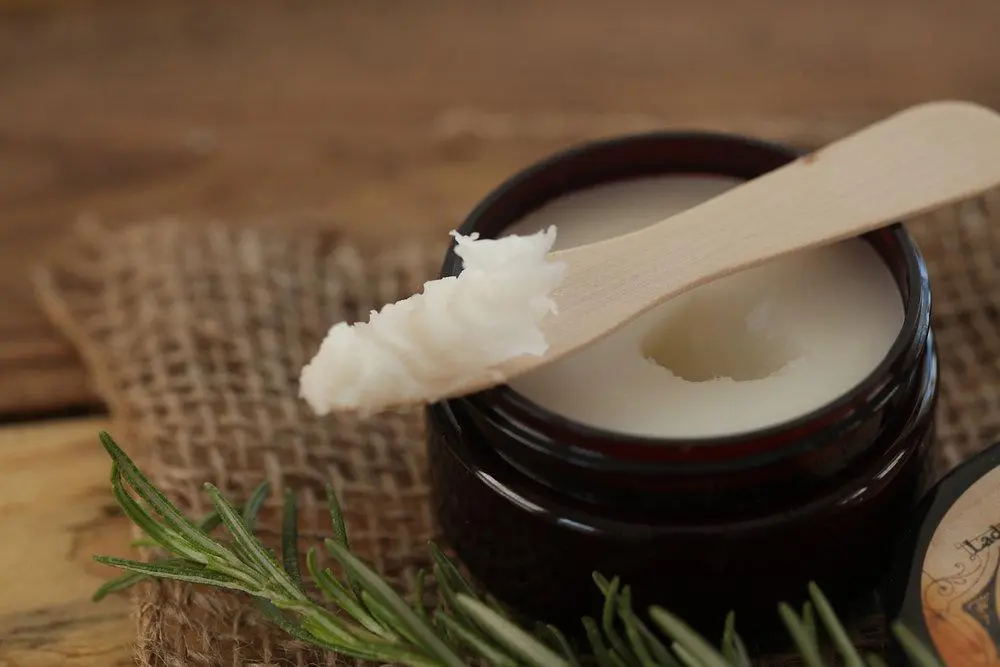
A basic DIY blend of carrier oils — jojoba, argan, or sweet almond — works reasonably well as a simple daily moisturizer, and plenty of men mix their own at home successfully. What’s harder to replicate at home are stabilized ingredients like hyaluronic acid or panthenol, along with proper preservative systems that keep a product from spoiling.
If you want to try a DIY approach, stick to a simple two or three-oil blend, store it in a dark bottle away from heat, and use it within a few months. For anything beyond basic conditioning — treating breakage, irritation, or slow growth — a properly formulated commercial product will outperform a homemade mix.
When Dryness Needs a Dermatologist
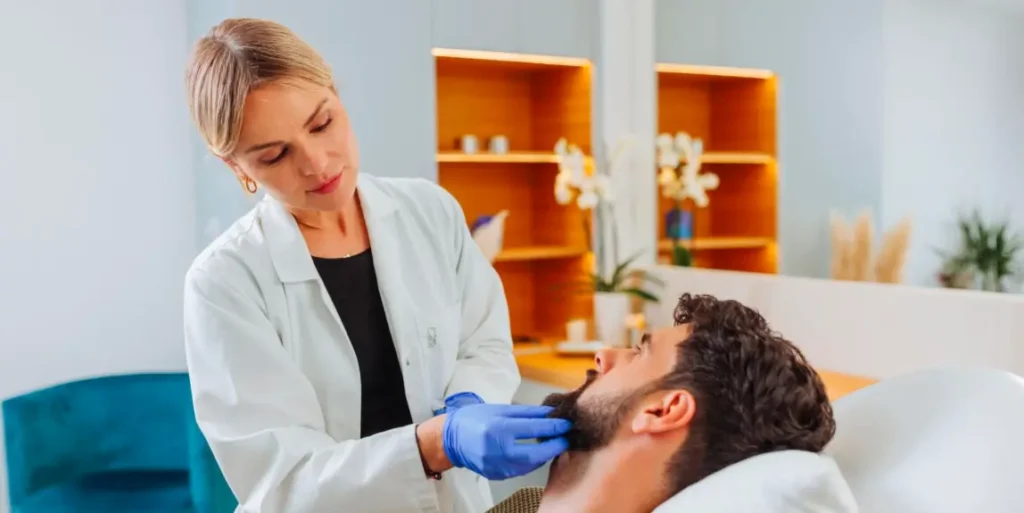
Most dry beard issues respond well to a better washing and moisturizing routine within a few weeks. See a dermatologist if you notice:
- Persistent, itchy flaking that doesn’t improve with regular moisturizing
- Redness or inflamed skin under the beard
- Painful or recurring ingrown hairs alongside dryness
- Patchy hair loss combined with visible skin irritation
Organizations like the American Academy of Dermatology and the British Association of Dermatologists offer reliable, medically reviewed guidance on skin conditions that go beyond what a moisturizing routine can fix on its own.
Barber’s Take
Dry beard complaints are some of the most common issues that come up in the chair, and the fix is almost always simpler than clients expect. Nine times out of ten, it’s overwashing combined with skipping oil afterward. Getting the wash frequency down to two or three times a week and adding a proper beard moisturizer right after — while the beard is still slightly damp — solves most cases within two to three weeks.
For beards already past the patchy or early growth stage, pairing a moisturizing routine with regular trims using our how to trim a beard guide keeps split, dry ends from making the whole beard look rougher than it actually is.
Final Thoughts
A dry, itchy, dull beard is one of the easiest grooming problems to fix once you understand what’s actually causing it. Cut back on overwashing, choose a beard moisturizer that matches your length and skin type, and apply it consistently to damp skin rather than just the surface of the hair. Give any new routine two to three weeks before judging results, since hydration improves faster than most other beard concerns.
FAQs
What is the best beard moisturizer for dry skin? Richer, cream-based formulas with shea butter or jojoba oil tend to work best for dry skin, since they create a stronger moisture barrier than lightweight oils alone.
How often should I moisturize my beard? Most men benefit from moisturizing at least once daily, ideally after washing while the beard is still slightly damp, with a second application for longer or coarser beards.
Is beard oil the same as beard moisturizer? Beard oil is one common type of beard moisturizer. The category also includes balm, butter, and cream-based conditioners, which differ mainly in texture and hold.
Why is my beard so dry even though I use oil? Overwashing, hot water, hard water, or applying oil only to the hair and not the skin underneath are the most common reasons oil alone doesn’t solve dryness.
Can a dry beard cause hair loss? Chronic dryness itself doesn’t directly cause hair loss, but it does increase breakage, which can make a beard look thinner even if follicle activity is normal.
What causes flaky skin under a beard? Flaking is usually simple dryness, sometimes called beardruff, though persistent itchy flaking can indicate a skin condition like seborrheic dermatitis worth checking with a dermatologist.
Should I moisturize my beard before or after washing? After washing, while the beard is still slightly damp, since this helps lock in hydration rather than applying product to a fully dry beard.
What’s the difference between beard balm and beard moisturizer? Beard balm is a specific type of beard moisturizer that combines hydration with light hold, making it better suited to longer beards that need some shape control alongside moisture.
Can I use regular face moisturizer on my beard? Standard face moisturizer isn’t designed for coarse facial hair and can leave a greasy residue rather than properly conditioning the strands, so a beard-specific product works better.
How do I stop my beard from feeling wiry? Wiry texture usually points to dehydration in the hair shaft. Reducing wash frequency, switching to a beard-specific wash, and applying oil or balm consistently typically softens texture within a couple of weeks.
Does climate affect how often I need to moisturize my beard? Yes. Cold, dry climates and heated indoor air increase the need for moisturizing, while humid climates usually require lighter, less frequent application.
Is beard butter better than beard oil for dry beards? For very dry or coarse beards, butter often provides a stronger moisture barrier than oil alone, though many men use both together depending on beard length.
Can diet affect beard dryness? Yes. Low water intake and diets lacking healthy fats can show up as dry, dull hair and skin over time, alongside whatever topical routine is being used.