 By Bread Styles Team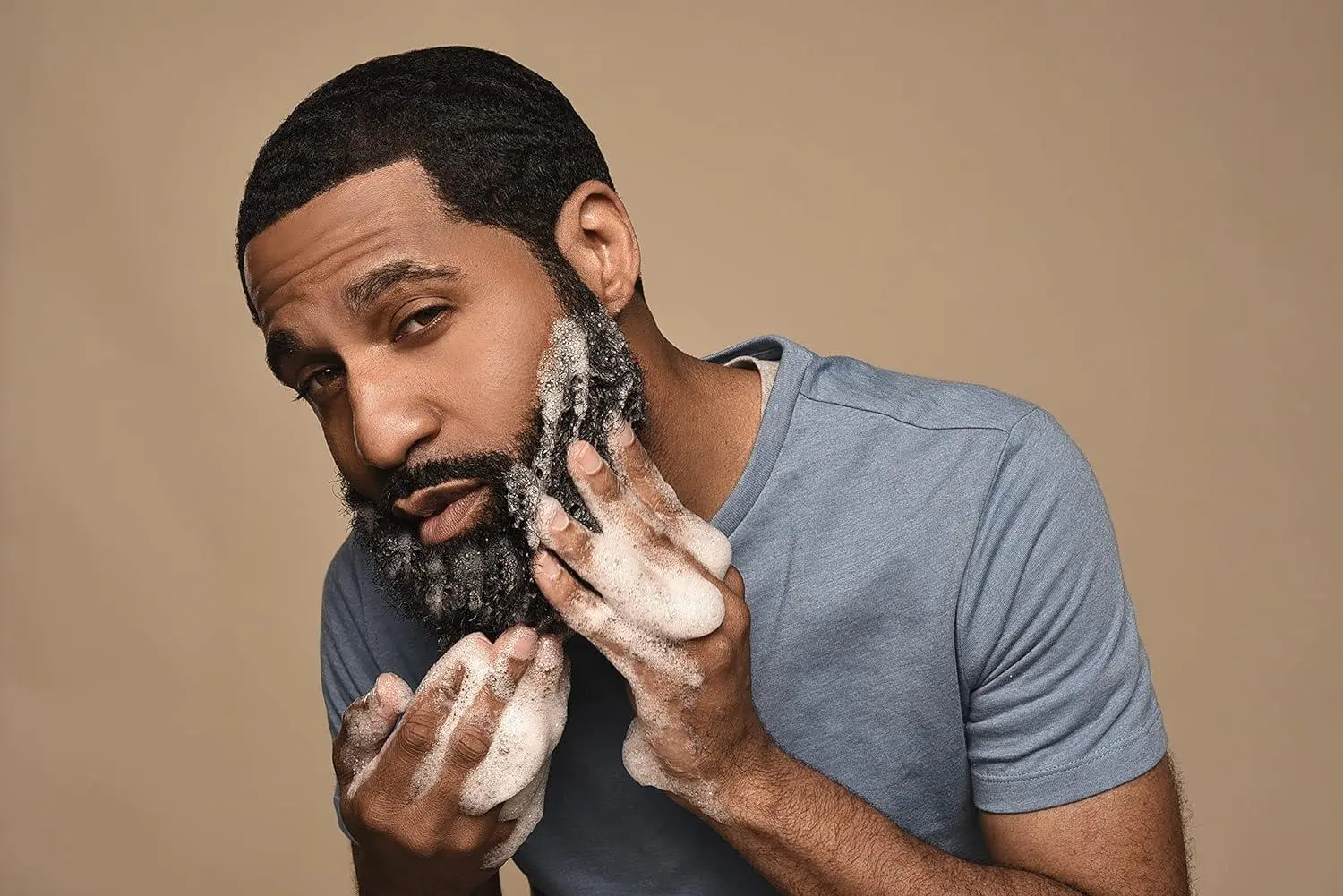
Most men wash their beard the same way they’ve washed their face for years — regular soap, maybe a bit of body wash if they’re in a hurry — right up until they notice how dry, itchy, and flaky the skin underneath has become. That’s usually the point someone finally asks a barber what beard shampoo actually is and why it’s worth the extra bottle in the shower. The short answer: facial hair and the skin beneath it behave differently from a clean-shaven face, and washing it like one causes most of the irritation men blame on “just having a beard.”
This guide covers what beard shampoo does differently, how often to actually use it, and how to wash correctly without stripping your skin in the process.
Table of Contents
What Is Beard Shampoo and Why It’s Different
Beard shampoo is a cleansing product formulated specifically for facial hair and the more sensitive skin underneath it, typically with a gentler, more balanced formula than regular hair shampoo or bar soap. Where standard shampoo is built for a scalp that produces oil quickly and can handle frequent stripping, beard shampoo accounts for coarser hair and skin that dries out much faster once natural oils are removed.
This distinction matters more the longer a beard gets. A few weeks of stubble can usually tolerate regular soap without much issue, but months of growth exposed daily to the wrong cleanser tends to show the damage in the form of dryness, flaking, and breakage.
Why Regular Soap and Shampoo Fall Short for Beard Cleansing
Standard bar soap and many shampoos are formulated at a higher pH than skin’s natural level, and they often contain strong sulfates designed to strip oil from a scalp that regenerates it quickly. Facial skin doesn’t replace oil at the same rate, and the coarser texture of beard hair holds onto moisture differently than head hair.
The result is a cycle a lot of men don’t connect to their washing habits: strip too much natural oil, skin dries out and flakes, hair becomes brittle and prone to breakage, and the beard ends up looking rougher and thinner than it actually is. Switching to a proper shampoo for beard cleansing interrupts that cycle at the source rather than trying to fix it after the fact with more oil.
Beard Shampoo Benefits
- Removes buildup without over-stripping natural oil. A properly balanced formula cleans without triggering the dryness cycle regular soap causes.
- Reduces beardruff and flaking. Gentler cleansing keeps the skin underneath from drying out and shedding visibly.
- Prevents breakage from over-washing. Beard-specific formulas are built to be used regularly without damaging coarser hair.
- Prepares hair to better absorb oil or balm afterward. Clean, properly cleansed hair takes leave-in products more evenly than hair still coated in old product or built-up residue.
- Supports healthier skin underneath long-term. Reduced irritation and dryness lower the risk of ingrown hairs and breakouts trapped beneath the beard.
Ingredients to Look For (and Ones to Avoid)
| Look For | Avoid |
| Gentle surfactants (coco-glucoside, decyl glucoside) | Sodium lauryl sulfate (SLS) in high concentration |
| Aloe vera or glycerin for moisture | Heavy synthetic fragrance |
| Light carrier oils (jojoba, argan) | High alcohol content |
| Tea tree oil for men prone to breakouts | Artificial dyes with no functional purpose |
| pH-balanced formulas | Vague “fragrance” listed with no further detail |
A short, recognizable ingredient list is usually a good sign with any shampoo for beard use — the goal is effective cleansing without the harsher additives found in many general-purpose products.
How Often Should You Wash Your Beard?
This is one of the most common questions barbers get, and the honest answer depends on beard length, skin type, and daily activity level.
| Beard Length | Recommended Washing Frequency |
| Stubble (days 1–14) | Every day is fine, gentle formula recommended |
| Short beard (2–6 weeks) | Every other day |
| Medium to long beard | 2–3 times per week |
| Very long or thick beard | 2 times per week, focus on scalp-level cleansing |
Washing too frequently, even with a good beard shampoo, can still lead to dryness over time. Washing too rarely allows oil, sweat, and food residue to build up, which causes its own irritation. Most men land somewhere in the two-to-three-times-a-week range once their beard passes the initial growing-in stage.
Liquid vs Bar Beard Shampoo
| Format | Pros | Cons |
| Liquid Shampoo | Easier to control amount, often lighter formulas | Less portable, uses more plastic packaging |
| Bar Shampoo | Travel-friendly, often longer-lasting per use | Can be harder to work into a lather on facial hair |
Both formats can be equally effective if the ingredient quality is solid — the choice mostly comes down to personal preference and how the product fits into your existing shower routine.
Choosing the Best Beard Shampoo for Your Skin and Hair Type
- Oily skin: Look for a lighter formula with gentle surfactants that clean thoroughly without over-drying, since oily skin can still become irritated by harsh stripping.
- Dry or flaky skin: Choose a shampoo with added moisture, like aloe or glycerin, to avoid worsening beardruff.
- Sensitive skin: A short ingredient list with minimal fragrance reduces the risk of reaction, similar to choosing a gentle beard oil for the same skin type.
- Coarse or curly hair: A slightly richer formula with added oils helps prevent the dryness that makes curly beard styles harder to manage.
- Thick, dense beards: Focus on getting shampoo down to the skin level, not just the surface of the hair — this matters more with thick beard styles, where buildup at the roots is easy to miss.
How to Wash Your Beard Correctly
- Wet the beard thoroughly with lukewarm water. Hot water contributes to dryness even before shampoo is involved.
- Apply a small amount of shampoo, focusing on the skin first. Work it in with your fingertips, not just across the surface of the hair.
- Massage gently for 30–60 seconds. This lifts buildup without excessive scrubbing, which can cause irritation.
- Rinse thoroughly. Leftover product residue is one of the more common causes of ongoing itchiness after washing.
- Follow with conditioner if your beard is long or coarse. Our beard conditioner guide covers this step in detail for beards that need the extra moisture.
- Pat dry rather than rubbing. Vigorous towel drying increases breakage, especially right after washing when hair is most fragile.
Can You Use a 2-in-1 Beard Wash and Conditioner?
Yes, and for shorter beards or men who want a simpler routine, a combined wash and conditioner is a reasonable option. For longer or coarser beards, using separate products generally gives better results, since a dedicated conditioner can be left on slightly longer to work more thoroughly than a rinse-quick 2-in-1 formula allows.
If simplicity matters more than maximizing results, a quality 2-in-1 beard cleansing product is still a significant improvement over regular bar soap or standard shampoo.
Common Mistakes With Beard Shampoo
- Washing daily with a harsh formula. Even a good beard shampoo can dry out skin if used more often than your beard length and skin type call for.
- Using regular shampoo or bar soap out of convenience. This is the single most common mistake and the most direct cause of ongoing dryness and irritation.
- Not rinsing thoroughly. Leftover residue trapped in the hair can cause the same itchiness a person is trying to wash away.
- Skipping cleansing altogether once a beard gets long. Buildup from sweat, food, and old product accumulates regardless of length and needs regular removal.
- Scrubbing too aggressively. This irritates the skin underneath and can contribute to ingrown hairs, particularly on coarser or curlier facial hair.
Myths About Beard Shampoo
- “Regular shampoo works just as well.” Standard shampoo is formulated for a scalp that behaves differently from facial skin, and frequent use often leads to dryness and flaking over time.
- “You should wash your beard every day for cleanliness.” Over-washing, even with a gentle formula, can dry out skin and hair unnecessarily for most beard lengths.
- “Beard shampoo prevents beard growth issues.” Cleansing supports skin health, which indirectly supports how healthy existing growth looks, but it has no effect on the rate of new hair growth.
- “All beard shampoos are the same regardless of price or ingredients.” Formula quality varies significantly, and a poorly formulated shampoo can strip skin just as much as regular soap.
Who Needs to Be Extra Careful With Beard Cleansing
Men with sensitive or eczema-prone skin should be particularly deliberate about ingredient choice, since a poorly matched shampoo can trigger flare-ups more easily than it would on unaffected skin. The American Academy of Dermatology recommends gentle, fragrance-light cleansers for skin conditions like this, which applies directly to facial hair care. Men with coarse or curly hair also need more attention to cleansing technique, since buildup and dryness both tend to show up more visibly in that hair type. Older men with drier skin overall, including those transitioning through grey beard styles, often need a richer, more moisturizing formula than younger men with naturally oilier skin.
Expert Tips
- Introduce a new beard shampoo gradually, watching for any irritation over the first week or two before committing to it long-term.
- If you’re active or sweat heavily, rinse with water between full washes rather than reaching for shampoo daily.
- Pair consistent cleansing with a proper beard care guide routine that includes oil or balm afterward, since clean hair alone doesn’t address ongoing moisture needs.
- Keep a travel-size bottle for gym bags or trips, since inconsistent cleansing habits are one of the more common reasons beardruff returns.
- If flaking persists despite a proper shampoo routine, consider whether the underlying cause is a skin condition rather than a product issue, and check with a dermatologist if it doesn’t improve.
Getting beard shampoo right is less about finding a miracle product and more about correcting a habit most men never think twice about — washing facial hair with something built for a completely different part of the body. Switch to a proper formula, adjust frequency to your actual beard length, and most of the dryness and irritation clears up faster than expected.
FAQs
What is beard shampoo and why do I need it? Beard shampoo is a cleansing product formulated specifically for facial hair and the sensitive skin beneath it, offering gentler, more balanced cleansing than regular shampoo or bar soap, which can dry out and irritate a beard over time.
How often should I wash my beard with beard shampoo? Most men do best washing two to three times a week once past the early growing-in stage, though shorter beards or stubble can often tolerate daily washing with a gentle formula.
Can I just use regular shampoo on my beard? It’s not ideal. Regular shampoo is formulated for scalp hair and tends to strip more oil than facial skin can comfortably tolerate, often leading to dryness and flaking with regular use.
What ingredients should I look for in the best beard shampoo? Gentle surfactants like coco-glucoside, added moisture from aloe or glycerin, and light carrier oils are good signs, while high sulfate content and heavy synthetic fragrance are worth avoiding.
What’s the difference between beard shampoo and beard wash? The terms are generally used interchangeably. “Beard wash shampoo” typically refers to the same category of beard-specific cleansing product, regardless of the exact name on the label.
Does beard shampoo help with beardruff? Yes. Gentle, properly formulated shampoo reduces the dryness that causes beardruff more effectively than regular soap, which often makes flaking worse over time.
Should I use a beard conditioner after shampooing? For longer or coarser beards, yes. Conditioner restores moisture stripped during cleansing and makes hair easier to manage, particularly for beards past the early stubble stage.
Is bar or liquid beard shampoo better? Neither is inherently better. Bar shampoo is more travel-friendly, while liquid formulas are often easier to control in terms of amount used. Ingredient quality matters more than format.
Can beard shampoo cause dryness if used too often? Yes, even a well-formulated beard shampoo can dry out skin if used more frequently than your beard length and skin type actually require.
Does beard shampoo affect how fast my beard grows? No. Cleansing supports the health and appearance of existing hair and skin, but it has no effect on the underlying rate of new hair growth.
What’s the best beard shampoo for sensitive skin? A short ingredient list with minimal added fragrance and gentle surfactants is generally the safest option, alongside a patch test before regular use.
Can I use a 2-in-1 beard wash and conditioner instead of separate products? Yes, particularly for shorter beards. Longer or coarser beards typically see better results from separate shampoo and conditioner, since conditioner benefits from being left on slightly longer.