
 By Bread Styles Team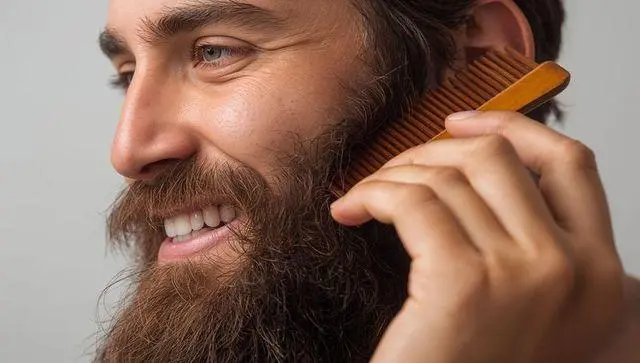
Of all the tools in a grooming kit, the beard comb gets the least credit for the amount of work it actually does. It’s not flashy, it doesn’t come with marketing claims about growth or thickness, and most men treat it as an afterthought next to oil and balm. That’s a mistake. A good comb trains growth direction, distributes product evenly, and catches tangles before they turn into breakage — three things no amount of oil alone can fully replace.
This guide covers the different types of beard combs, why material and tooth spacing actually matter, and how to use one properly to get real styling and health benefits out of what looks like a simple tool.
Table of Contents
What a Beard Comb Actually Does
A beard comb is a grooming tool designed to detangle facial hair, distribute product evenly through the beard, and train hair to grow and lie in a consistent direction over time. Unlike a brush, which works more broadly across the surface, a comb reaches through denser or coarser growth with more precision, making it especially useful once a beard passes the early growing-in stage.
The direction-training function is the part most men underestimate. Hair combed consistently in one direction for weeks starts to hold that pattern on its own, which is a major part of why a well-maintained beard looks intentional rather than wild.
Why Combing Matters More Than Most Men Think
- Trains growth direction. Repeated combing over several weeks genuinely changes how hair naturally lies, reducing the need for daily correction later.
- Distributes oil and balm evenly. Product applied by hand alone often clumps near the skin; combing spreads it through the full length of the beard.
- Reveals tangles before they become breakage. Catching a knot early with a comb prevents the kind of pulling and snapping that happens when it’s left until it’s tightly matted.
- Helps spot skin issues early. Regular combing puts you in closer, more frequent contact with the skin underneath, making it easier to notice dryness, ingrown hairs, or irritation before they become bigger problems.
- Improves how evenly a beard trims. A properly combed beard trims more accurately, since hair lies flat and even rather than in random directions. Our how to trim a beard guide covers this connection directly.
Types of Beard Combs
| Material | Feel | Best For |
| Wood | Smooth, warm, generates minimal static | Most beard types, especially longer or coarser hair |
| Plastic | Lightweight, inexpensive | Casual use, travel, budget options |
| Metal | Durable, precise teeth | Detailed shaping, mustache work |
| Horn or bone | Very smooth, naturally antistatic | Premium option, similar benefits to wood |
Material affects more than aesthetics. Cheaper plastic combs often have rougher tooth edges that can snag or generate static, particularly on drier or coarser facial hair.
Why a Wooden Beard Comb Is Often Recommended
A wooden beard comb tends to have smoother, more rounded teeth than mass-produced plastic versions, which reduces the static and snagging that can lead to frizz and breakage. Wood also holds a small amount of natural oil from repeated use, which some men find helps distribute conditioning product more evenly over time.
This doesn’t mean plastic combs are inherently bad — a well-made plastic comb with smooth, polished teeth can perform similarly. But budget plastic combs, the kind sold in bulk packs, are the ones most likely to cause the static and pulling that wood generally avoids by design.
Tooth Spacing: Wide vs Fine, and When to Use Each
| Spacing | Best For |
| Wide-tooth | Detangling, coarse or curly hair, longer beards |
| Fine-tooth | Shaping mustaches, precise lines, shorter facial hair |
| Dual-sided (both) | Most versatile option for men with one comb covering multiple needs |
Coarse or curly beards generally do better starting with a wide-tooth pass to detangle, followed by a fine-tooth comb only if precise shaping is needed. Using a fine-tooth comb on tangled, coarse hair first is one of the more common ways men end up pulling out more hair than necessary.
Beard Comb vs Beard Brush: Which Do You Actually Need
Both tools serve a purpose, and most well-equipped routines eventually use both rather than choosing one permanently.
| Factor | Beard Comb | Beard Brush |
| Best for | Detangling, precise direction, shorter styling sessions | Distributing natural oils, surface smoothing |
| Depth of reach | Reaches deeper into denser growth | Works more on the surface layer |
| Ideal beard length | All lengths, especially medium to long | Short to medium |
| Precision | Higher, useful for shaping | Lower, better for general smoothing |
A simple approach: use a comb for detangling and shaping detail, and a boar-bristle brush afterward to smooth the surface and distribute any remaining product.
Choosing the Best Beard Comb for Your Beard Type
- Short beards or stubble: A compact, fine-tooth comb works well for early shaping and neckline definition.
- Medium beards: A dual-sided comb with both wide and fine spacing covers most needs at this length. See our medium beard styles guide for styling alongside this stage.
- Long, natural beards: A wide-tooth wooden beard comb handles detangling coarser growth without excessive pulling — useful for anyone working toward a fuller long beard styles look.
- Curly or coily hair: Wide spacing is essential here to avoid unnecessary breakage. Our curly beard styles guide covers additional shaping technique for this hair type.
- Detailed, shaped styles: A narrow, fine-tooth comb supports precision work on styles like the Van Dyke beard or a trained mustache paired with the handlebar mustache.
How to Use a Beard Comb Correctly
- Start at the ends, not the roots. Working out tangles from the bottom up prevents unnecessary pulling on the skin.
- Work upward in small sections. Once the ends are smooth, move the comb further up toward the skin.
- Comb in the direction you want the hair to grow. Consistency here over several weeks trains the beard to hold that direction naturally.
- Use after applying oil or balm. This distributes product evenly and helps set the shape for the day.
- Comb again lightly after drying, post-wash. This prevents tangling from setting in as the beard air-dries.
- Finish detailed areas, like the mustache, with a fine-tooth pass. Save precision combing for last, once the bulk of the beard is already detangled.
Caring for and Maintaining Your Beard Comb
- Clean it weekly. Buildup from oil, balm, and shed hair accumulates faster than most men expect.
- Avoid soaking wooden combs. Excess water exposure can cause warping or cracking over time; wipe clean instead of submerging.
- Store it away from direct heat or sunlight, particularly for wood or horn combs, which can dry out and crack in these conditions.
- Replace it if teeth become bent, rough, or chipped. Damaged teeth are more likely to snag and cause breakage than help prevent it.
Common Mistakes With Beard Combs
- Starting at the roots on a tangled beard. This pulls at the skin and increases breakage rather than reducing it.
- Using a fine-tooth comb on coarse, tangled hair. This often does more harm than good; wide-tooth first is the safer approach.
- Choosing a cheap, rough-edged comb. Poorly finished teeth catch and snag, undermining the entire point of combing in the first place.
- Skipping the comb entirely and relying only on fingers. Fingers can’t reach or train hair with the same consistency a comb provides.
- Never cleaning the comb. A buildup of old product and shed hair reduces effectiveness and can transfer bacteria back into the beard.
Who Needs a Beard Grooming Comb Most
Men with coarse, curly, or naturally unruly facial hair benefit the most from consistent comb use, since these hair types tangle more easily and hold trained direction less naturally without regular reinforcement. Anyone maintaining a specific shaped style — from a defined mutton chops beard to a trained Imperial beard mustache — relies on precise combing as much as trimming to keep the shape intact day to day.
Men newer to growing facial hair also benefit from building the habit early, since consistent combing from the start makes the awkward growing-out phase noticeably more manageable. Our best beard styles for beginners guide pairs well with introducing this habit from day one.
Expert Tips
- Keep a comb with you, not just at your bathroom sink — a quick midday comb-through helps maintain shape through a full day.
- Pair combing with oil or balm application rather than doing them separately; combing right after product application distributes it far more evenly.
- If you notice static or frizz increasing after switching combs, the material or tooth finish is likely the cause, not your hair.
- For detailed styling, always finish with the fine-tooth side last, once the bulk of the beard is already smooth and detangled.
- Treat your comb as a long-term tool worth replacing when it wears out, rather than something to use indefinitely regardless of condition.
A beard comb won’t get much attention in a grooming routine, but it does more consistent, cumulative work than most single product in a bathroom cabinet. Combed correctly and consistently, a beard trains itself into looking sharper with far less daily effort than most men assume it takes.
FAQs
What does a beard comb actually do? A beard comb detangles facial hair, distributes grooming product evenly, and trains hair to grow and lie in a consistent direction, which makes daily styling and trimming noticeably easier over time.
Is a wooden beard comb better than plastic? Generally, yes. A wooden beard comb tends to have smoother, rounder teeth that reduce static and snagging compared to cheaper plastic combs, though a well-made plastic comb can perform similarly.
What’s the difference between a beard comb and a beard brush? A comb reaches deeper into the beard for detangling and precise direction, while a brush works more on the surface, distributing natural oils and smoothing the overall look.
What tooth spacing is best for a beard comb? Wide-tooth spacing works best for detangling coarse or curly hair, while fine-tooth spacing suits precise shaping, mustache detail, and shorter facial hair.
How often should I use a beard grooming comb? Daily use, particularly after applying oil or balm, gives the most consistent results for training growth direction and keeping a beard tangle-free.
Can a beard comb help with a patchy beard? Indirectly, yes. Consistent combing trains existing hair to lie more evenly, which can make patchy areas look less noticeable, though it can’t create new hair growth.
What is the best beard comb for coarse or curly hair? A wide-tooth wooden beard comb is generally the best choice for coarse or curly hair, since it detangles thoroughly while minimizing the static and snagging that worsen frizz.
How do I clean and maintain a beard comb? Wipe it clean weekly to remove product buildup and shed hair, avoid soaking wooden combs in water, and store it away from direct heat or sunlight.
Does using a beard comb speed up beard growth? No. A comb trains and detangles existing hair but has no effect on the actual rate at which new hair grows from the follicle.
Should I use a comb before or after applying beard oil? After. Combing following oil or balm application distributes the product evenly through the beard rather than leaving it concentrated near the skin.
What’s the best beard comb for shaping a mustache? A narrow, fine-tooth metal or wooden comb offers the most precision for training and shaping a mustache alongside a broader beard style.
How long does a good beard comb typically last? A well-maintained comb, particularly wood or horn, can last for years with proper care, though it should be replaced if teeth become bent, rough, or chipped.