 By Bread Styles Team
Table of Contents
What Makes a Style Good for a First Beard? (Quick Answer)
The best beard styles for beginners are short, forgiving of uneven growth, and don’t require precise shaping skills you haven’t developed yet. Stubble, a short boxed beard, and a simple corporate beard top the list because they hide the natural unevenness of a first beard while you learn how your own hair actually grows in. Anything with separated sections or sharp geometric lines is worth waiting on until you understand your growth pattern.
That patience is the part most first-time growers skip, and it’s usually the reason an early attempt looks messier than it needed to.
What Actually Happens in the First Month of Growth
Nobody’s beard grows in evenly from day one, and knowing what to expect makes the process far less frustrating.
| Timeframe | What’s Happening | What to Do |
| Days 1–7 | Stubble stage, itching is common as hair pushes through | Resist the urge to shave it off. This part is temporary. |
| Days 8–14 | Growth becomes visible but patchy in places | Keep growing. Patchiness at this stage rarely predicts the final result. |
| Weeks 3–4 | Length starts to show real shape, some areas fill in faster than others | Start light shaping only around the neckline. Leave the rest alone. |
| Month 2 and beyond | Growth pattern becomes clear, thin spots and dense areas are now visible | This is when you can realistically choose a specific style based on what actually grew in. |
The itching in week one is genuinely the hardest part for most beginners, and it’s also the most common reason people give up too early. It’s caused by hair follicles pushing through skin, not a sign anything’s wrong, and it typically settles down once the beard passes the half-inch mark.
6 Best Beard Styles for Beginners
These styles work well specifically because they forgive the unevenness that comes with a first beard.
Stubble
The most forgiving starter beard look of them all. A few days of growth, trimmed to an even length with a single clipper guard, looks deliberate almost immediately. It also gives you a low-risk way to see how your beard grows before committing to anything longer. Full guide: stubble beard.
Short Boxed Beard
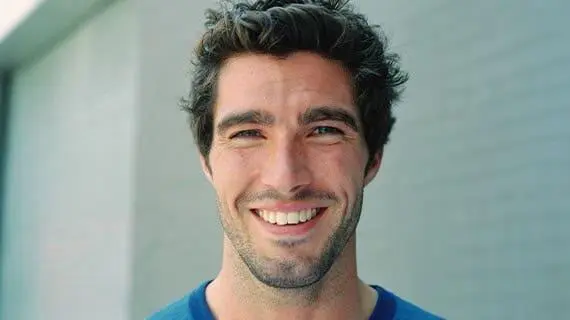
A step up from stubble, with straight, defined edges instead of a natural taper. It’s a good next move once you’ve got two to three weeks of growth and want a bit more shape without needing advanced trimming skills. See our short beard styles guide.
Corporate Beard
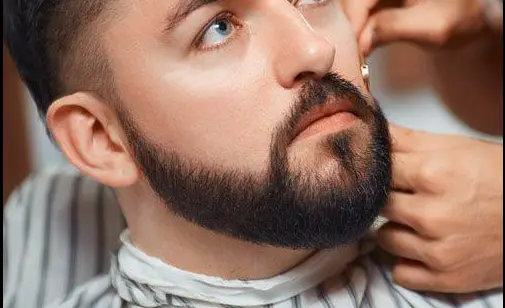
Short, fully connected, and built around simple, straight lines rather than intricate shaping. It’s specifically useful for beginners because there’s very little room for error, and it works in almost any setting while you’re still figuring out your style. Full details in our corporate beard guide.

Goatee
For beginners dealing with slower or patchier cheek growth, a goatee sidesteps the problem entirely by focusing on the chin and mustache. It’s genuinely one of the more forgiving easy beard styles for anyone whose cheeks fill in unevenly.
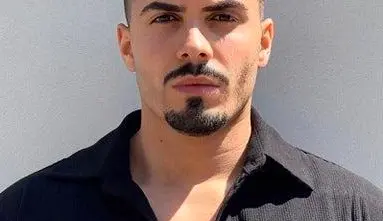
Circle Beard
A slightly more defined version of the goatee that connects the mustache to a rounded chin beard. It needs a touch more shaping than a plain goatee, making it a reasonable second style to attempt once you’ve got some trimming confidence. See our circle beard guide.
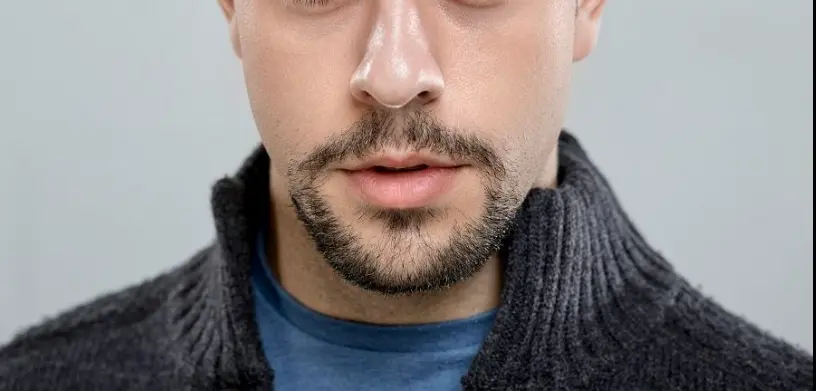
French Beard
A close, tightly cropped style that hugs the jawline. It’s compact enough to stay forgiving of uneven density while giving a slightly more defined look than basic stubble. Full guide: French beard.

Choosing a Style Based on How Your Beard Actually Grows
Your natural growth pattern matters more than personal preference at this stage. Here’s a realistic breakdown.
| Growth Pattern | Best Beginner Styles | Why |
| Thick, even growth | Short boxed beard, French beard | Enough density to hold defined shapes right away |
| Patchy cheeks, fuller chin | Goatee, circle beard | Avoids relying on cheek coverage entirely |
| Slow, sparse growth overall | Stubble, corporate beard | Shorter length minimizes visible gaps |
| Curly or coarse texture | Short boxed beard | Shorter length manages frizz and bulk better than longer styles |
If patchiness turns out to be an ongoing issue rather than just a first-month phase, our patchy beard guide covers longer-term options. For specific texture concerns, our thin beard styles and curly beard styles guides go into more detail.
Best Styles by Face Shape
Face shape is worth considering even at the beginner stage, since it affects how any of these styles will actually sit.
| Face Shape | Recommended Beginner Styles | Why It Works |
| Round | Corporate Beard, Goatee | Adds vertical definition through the chin |
| Square | Stubble, French Beard | Softens angles without complicated shaping |
| Oval | Any style on this list | Balanced proportions suit nearly all simple shapes |
| Oblong | Short Boxed Beard | Adds width instead of extra length |
For more detail on your specific shape, our guides on the best beard for round face, best beard for square face, and best beard for oval face cover individual shapes more closely.
What Age Should You Start Growing a Beard?
There’s no fixed starting age, since facial hair development varies significantly from person to person. Most guys see their first real growth in their late teens, though full density often doesn’t arrive until the mid-20s or later. Younger beginners should expect more patchiness and slower filling in, which isn’t a sign anything’s wrong — it’s just a matter of time. Our beard styles for teenagers guide covers style options specifically suited to earlier stages of growth, when patience matters even more than usual.
The Beginner’s Grooming Kit
You don’t need much to get started, but a few basics make a real difference:
- A trimmer with multiple guard lengths — covers stubble through short boxed lengths without needing separate tools.
- A small pair of scissors — useful for stray hairs a trimmer alone can miss.
- A wide-tooth comb — helps you see your actual growth pattern and spot uneven areas early.
- A basic beard wash — regular shampoo tends to dry out new facial hair faster than it should.
- Beard oil or a light balm — prevents the itching and dryness common in the first few weeks.
For a broader look at ongoing maintenance once you’ve settled on a style, our beard care guide covers the fundamentals in more depth.
How to Grow Your First Beard, Step by Step
- Stop shaving completely for at least four weeks. This is the single most important step, and the one most beginners cut short.
- Resist trimming anything except stray neckline hairs for the first two to three weeks. Let the beard grow in fully before making any shaping decisions.
- Wash and condition from day one. A beard wash two to three times a week, followed by a small amount of oil, keeps skin comfortable through the itchy early stage.
- Assess your actual growth pattern at the one-month mark. This is when patchiness, density, and overall shape become clear enough to choose a specific style.
- Define your neckline first, before touching any other part of the beard. Our beard neckline guide covers exactly where that line should sit.
- Pick one of the beginner styles above based on what actually grew in, rather than what you originally pictured.
- Book a trial trim with a barber if you’re unsure, especially for your first attempt at anything beyond stubble.
Mistakes Almost Every Beginner Makes
- Shaving it off during the awkward itchy phase. This is the single biggest reason first attempts fail — most beards look genuinely rough somewhere between week two and week three.
- Trimming too early and too often. Constant adjustments during the first month prevent you from seeing your actual growth pattern.
- Skipping the neckline entirely. Even a short, simple beard looks unfinished without a defined neckline.
- Ignoring skin underneath. Dry skin and ingrown hairs are common early on, especially without regular washing and conditioning.
- Copying a style that doesn’t match your growth pattern. A style built for thick, even density often won’t translate well onto naturally patchier growth, at least not without adjustments.
- Expecting a full, even beard within a few weeks. Most men need two to four months for their beard to reach a stable, representative shape.
When to See a Barber for the First Time
A trial trim four to six weeks into growing is generally the right window — enough length to work with, but early enough to catch and correct any issues before they become habits. Bring an honest description of what you’re hoping for, mention your first-timer status directly, and ask for a conservative shape rather than anything dramatic. Most barbers appreciate the heads-up and will steer you toward a style suited to your actual density rather than what happens to be trending. For a walkthrough of the trimming technique itself, our how to trim a beard guide is worth reading beforehand so the appointment conversation goes more smoothly.
Common Myths About Growing Your First Beard
Myth: If it looks patchy at three weeks, it’ll always be patchy. Not necessarily. A lot of genuine unevenness in the first month fills in considerably by month two or three as follicles that were dormant start producing hair.
Myth: You need expensive products to grow a good first beard. A basic trimmer, a wash, and an oil cover nearly every beginner’s needs. The growing process itself matters far more than the products used during it.
Myth: Beard growth rate tells you something about masculinity or testosterone. Growth rate and density are determined mostly by genetics and vary enormously between individuals with no meaningful connection to hormone levels in typical cases.
Realistic expectation: A genuinely representative beginner beard guide should set the expectation that the first month will look rough at some point, and that’s normal rather than a sign the wrong style was chosen. If unusual patchiness, persistent irritation, or very slow growth continues well past the typical adjustment period, it’s reasonable to check in with a dermatologist — the American Academy of Dermatology publishes general guidance on facial hair growth and skin health that’s useful background here.
Choosing among the best beard styles for beginners really comes down to picking something short and forgiving, giving it real time before judging the result, and adjusting the final shape to whatever actually grew in rather than a style you pictured before starting. Get through that first uneven month, and most of what looked like a problem tends to sort itself out.
FAQs
1. What is the easiest beard style for a first-time grower? Stubble is generally the easiest of all beginner beard styles, since it requires minimal shaping and forgives natural unevenness better than any longer style.
2. How long should I wait before shaping my first beard? Most barbers recommend waiting at least three to four weeks before any real shaping, so you can see your actual growth pattern before making decisions.
3. Why does my beard look patchy in the first few weeks? Early patchiness is extremely common and often improves significantly by month two or three as slower-growing follicles catch up.
4. What’s the best first beard style for patchy cheeks? A goatee or circle beard works well for patchy cheek growth, since both styles focus on the chin and mustache rather than relying on full cheek coverage.
5. Do I need to see a barber for my first beard? Not immediately, but a trial trim around the four-to-six-week mark is a good idea, especially if you’re attempting anything beyond basic stubble.
6. How itchy is a beard in the first week, and does it go away? Itching is very common in the first one to two weeks as hair pushes through skin, and it typically settles down once the beard passes about half an inch.
7. What tools do beginners actually need to grow a beard? A trimmer with adjustable guards, a comb, a basic beard wash, and a light oil or balm cover nearly everything a first-time grower needs.
8. Should teenagers grow a beard differently than adults? Younger growers should generally expect more patchiness and slower filling in, and simpler, shorter styles tend to work better while density is still developing.
9. What’s the biggest mistake first-time beard growers make? Shaving it off during the awkward, itchy early weeks, which is also usually the roughest-looking stage the beard will ever go through.
10. How long does it take for a first beard to look presentable? Most beginners reach a reasonably even, presentable shape somewhere between six and eight weeks, though full density can take a few months longer.
11. What face shape suits the easiest beginner beard styles best? Oval faces suit nearly all beginner-friendly styles well, while round and square faces tend to benefit specifically from a corporate beard or stubble for added structure.
12. Can curly hair make a first beard harder to manage? It can add some frizz and bulk, but shorter styles like the short boxed beard tend to manage curly texture more easily than longer, looser shapes.
13. Is it normal for one side of my first beard to grow faster than the other? Yes, slight asymmetry in growth speed and density is extremely common and doesn’t usually indicate a long-term problem.
14. What’s a good starter beard style that still looks professional? The corporate beard is one of the most reliable starter beard looks for anyone who also needs to look polished at work or during interviews.
15. When should I stop waiting and just pick a style? Around the one-month mark is generally the right time, once your actual growth pattern and density are clear enough to choose a style that suits what you’ve got.