 By Bread Styles Team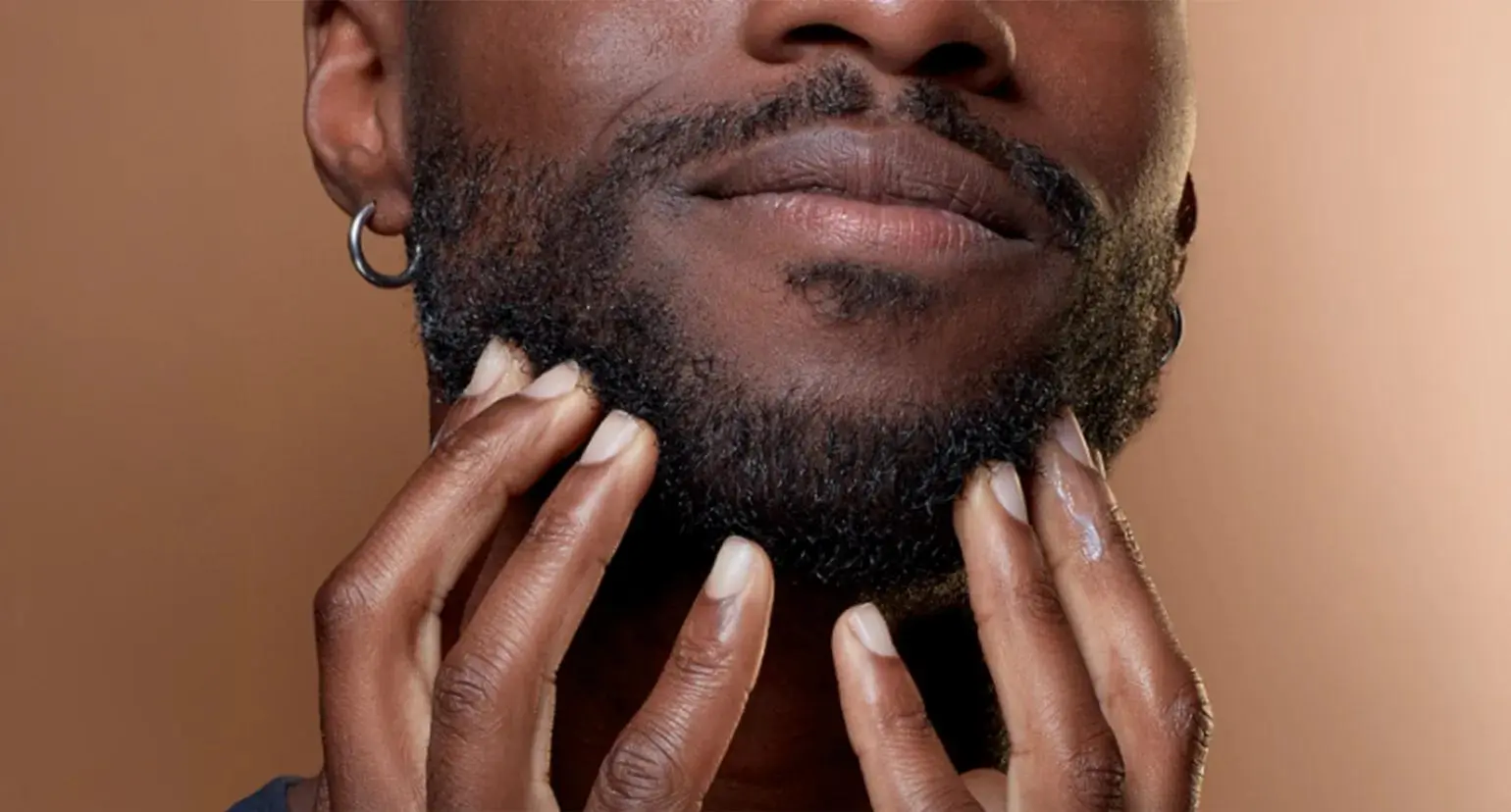
Table of Contents
What Good Beard Hygiene Actually Means
Beard hygiene is the combination of washing, drying, and daily habits that keep facial hair and the skin underneath it free of dirt, bacteria, food debris, and buildup. It’s not the same as styling or conditioning — you can have a beautifully oiled, perfectly shaped beard that’s still dealing with hygiene problems underneath, because hygiene is about cleanliness, not appearance.
A lot of men treat washing as an afterthought, something that happens whenever shampoo runs down from the scalp during a shower. Real beard hygiene is more deliberate than that. It means washing with the right product at the right frequency, drying properly, and paying attention to what collects at the skin level, where most hygiene issues actually start.
This matters more the longer a beard gets, since length gives dirt, sweat, and food particles more surface area to hide in. Our beard care guide covers the broader picture of beard upkeep, while this guide focuses specifically on keeping things clean.
Is a Beard Really Unhygienic? Addressing the Claims
You’ve probably seen headlines or social posts claiming beards carry more bacteria than surprising, unflattering comparisons. These claims tend to circulate without solid context — bacteria exist on all skin, bearded or not, and simply detecting bacteria on a swab isn’t the same as a beard being dirty or dangerous.
What’s actually true is more straightforward: a well-maintained beard, washed at a reasonable frequency, isn’t inherently less hygienic than clean-shaven skin. The difference comes down to habits, not the presence of facial hair itself. A beard that’s rarely washed, never rinsed after meals, and constantly touched with unwashed hands will absolutely collect more debris than clean-shaven skin — but that’s a hygiene problem, not a beard problem.
The honest takeaway: facial hair itself isn’t the issue. Inconsistent beard hygiene is.
Why Beard Hygiene Matters Beyond Looks
Good beard hygiene isn’t just about smelling clean or looking presentable, though both matter. It also affects:
- Skin health underneath the beard — clogged pores and trapped bacteria can lead to breakouts and irritation
- Hair health — buildup from sweat, product, and dirt weighs hair down and can contribute to breakage
- Comfort — poor hygiene is a major contributor to itchiness and irritation, often mistaken for dryness alone
- Professional and social presentation — in client-facing or food-service roles especially, visible cleanliness matters
Signs of Poor Beard Hygiene
Featured Snippet Answer: Poor beard hygiene typically shows up as persistent odor even after washing, visible flaking or buildup at the roots, itchiness that doesn’t improve with moisturizer, breakouts along the jawline, and hair that looks greasy or dull despite regular brushing.
Quick self-check:
- [ ] Noticeable odor a few hours after washing
- [ ] Flaking or white buildup near the skin, not just dry ends
- [ ] Persistent itchiness unrelated to dryness
- [ ] Breakouts or bumps concentrated under the beard line
- [ ] Hair feels greasy by midday despite washing recently
- [ ] Visible food debris or lint trapped in the hair after eating
How to Properly Wash a Beard
Washing technique matters as much as frequency. Here’s the process that actually gets a beard clean without stripping it.
- Wet the beard thoroughly with warm, not hot, water. Hot water strips natural oils and can worsen dryness over time.
- Use a dedicated beard wash or beard shampoo, not regular head shampoo, which is often too harsh for facial skin.
- Massage into the skin, not just the hair surface. Use your fingertips in small circles to reach the skin, where oil, sweat, and bacteria actually accumulate.
- Rinse thoroughly. Leftover product residue is one of the most common causes of ongoing itchiness and buildup.
- Pat dry with a clean towel. Rubbing roughens hair and can irritate already-sensitive skin.
- Follow with beard oil while the beard is still slightly damp to lock in hydration and prevent the dryness that overwashing can cause.
Washing Checklist
- [ ] Warm water, not hot
- [ ] Beard-specific wash, not head shampoo
- [ ] Massaged into skin, not just hair
- [ ] Rinsed thoroughly
- [ ] Patted dry
- [ ] Followed by oil while damp
How Often You Should Actually Wash
This is where a lot of men get it wrong in both directions. Washing daily with regular shampoo strips too much natural oil, while going a week or more without any wash lets buildup accumulate.
| Beard Length | Recommended Wash Frequency |
| Stubble | 3–4 times per week |
| Short to medium | 2–3 times per week |
| Long or full | 2 times per week, with water-only rinses on other days |
On non-wash days, a simple water rinse removes surface debris without disrupting the skin’s natural oil balance. This middle ground — not daily, not neglected — is what keeps hygiene solid without triggering dryness.
Common Beard Hygiene Problems
Beardruff (Beard Dandruff)
Flaking at the roots is one of the most common hygiene-related complaints. It’s usually caused by dry, irritated skin rather than an infection, though persistent, oily, or intensely itchy flaking can point to seborrheic dermatitis, which sometimes needs a dermatologist-recommended treatment beyond regular washing.
Folliculitis
Inflamed, sometimes pus-filled bumps around hair follicles, often triggered by bacteria, ingrown hairs, or irritation from tools that aren’t kept clean. Mild cases often improve with better washing habits and clean tools; persistent or spreading cases should be checked by a doctor.
Beard Odor
Odor usually comes from trapped sweat, food particles, or product buildup rather than the hair itself. Consistent washing and thorough rinsing resolve most cases; persistent odor despite good hygiene can be worth mentioning to a doctor, since it’s occasionally linked to a skin condition rather than a habit issue.
Ingrown Hairs
More common along the neckline and cheek line, especially where trimming happens. Clean tools, proper trimming direction, and gentle exfoliation reduce the frequency. Our beard neckline guide covers technique that helps prevent this.
Trapped Food and Debris
More of a nuisance than a health issue, but a real hygiene concern, especially for longer beards. A quick rinse or comb-through after meals prevents buildup from sitting against the skin for hours.
Hygiene Habits Beyond Washing
- Rinse or comb through after meals, especially with longer beards where food particles are more likely to get trapped
- Wash pillowcases weekly. Oil, product, and sweat transfer from beard to pillowcase and back again
- Avoid touching your beard with unwashed hands throughout the day, since hands carry more bacteria than most people assume
- Clean tools regularly. Combs, brushes, and trimmers that never get cleaned reintroduce buildup every time they’re used
- Change your towel regularly, since a damp towel used repeatedly can harbor bacteria that transfers back onto skin
Beard Hygiene at Work and in Public-Facing Roles
Certain jobs come with specific hygiene expectations worth knowing:
- Food service: Many regions require beard nets or snoods for food handlers with facial hair past a certain length, as a food safety standard rather than a judgment on beard cleanliness itself
- Healthcare: Some clinical settings require closely trimmed facial hair for mask fit and infection control purposes
- Client-facing corporate roles: No formal hygiene rule usually applies, but a clean, well-maintained beard supports a polished, professional appearance — our corporate beard and office beard styles guides cover style expectations in these settings
None of these rules exist because beards are inherently unhygienic — they exist because facial hair, like head hair, needs proper containment or care in specific high-risk environments.
Hygiene by Beard Length
Longer beards require more deliberate hygiene simply because there’s more surface area for debris to collect.
- Stubble: Lowest hygiene effort — basic washing covers most needs
- Short to medium: Moderate effort — regular washing plus attention to the skin underneath
- Long or full beards: Highest effort — needs more thorough washing, more frequent combing, and closer attention to trapped debris and odor
If you’re managing a longer beard, our long beard styles guide includes maintenance notes specific to keeping length manageable and clean.
Products That Support Better Hygiene
- A sulfate-free beard wash that cleans without over-stripping natural oils
- Beard oil to restore moisture after washing and reduce the dryness that leads to flaking
- A dedicated beard comb or beard brush, cleaned regularly, to prevent product buildup from redistributing onto clean hair
- Beard conditioner for deeper cleaning and softness on longer or coarser beards
Common Hygiene Mistakes
- Using head shampoo instead of a beard-specific wash. It’s often too harsh for facial skin and hair.
- Overwashing with hot water. This strips oils and paradoxically makes irritation worse, not better.
- Never washing pillowcases or towels. These quietly reintroduce buildup after every wash.
- Skipping the skin when washing. Cleaning only the visible hair misses where most hygiene issues actually start.
- Ignoring odor as “just how beards smell.” Persistent odor is almost always fixable with a better washing routine, not something to accept as inevitable.
Myths About Beard Cleanliness
Myth: Beards are dirtier than being clean-shaven by default. Not accurate. Cleanliness comes down to habits — washing frequency, hand contact, and tool care — not the simple presence of facial hair.
Myth: Washing your beard daily is always better for hygiene. Not true. Daily washing with harsh products strips natural oils and can cause dryness and irritation that looks similar to poor hygiene.
Myth: A beard that smells fine doesn’t need regular washing. Not accurate. Bacteria and buildup can accumulate before odor becomes noticeable, so a consistent schedule matters even without an obvious smell.
Myth: Trimming a beard shorter automatically makes it cleaner. Not necessarily. A short, unwashed beard can still have hygiene issues — length isn’t the deciding factor, habits are.
When to See a Dermatologist
Most beard hygiene issues resolve with a better washing routine within two to three weeks. See a dermatologist if you notice:
- Persistent, spreading bumps that look infected or don’t improve with basic care
- Ongoing itchy, oily flaking that doesn’t respond to regular washing
- Recurring ingrown hairs that become painful or inflamed
- Odor that persists despite consistent, proper washing
The American Academy of Dermatology and the British Association of Dermatologists both offer reliable, medically reviewed guidance on skin conditions that go beyond what a hygiene routine alone can resolve.
Barber’s Take
Hygiene complaints in the chair almost always trace back to one of two things: using the wrong wash product, or skipping the skin entirely while cleaning. Clients who switch to a proper beard wash, focus on massaging it into the skin rather than just the hair, and stick to two or three washes a week usually see flaking, odor, and irritation clear up within a couple of weeks.
The other habit worth building is simply not touching your beard throughout the day without a reason. It sounds minor, but hands carry more grime than most people think, and constant contact undoes a good beard hygiene routine faster than almost anything else.
Final Thoughts
Good beard hygiene isn’t complicated, and it isn’t about washing constantly either. It’s about using the right product, reaching the skin underneath the hair, drying properly, and building a few habits around it — clean pillowcases, clean tools, and not touching your face all day with unwashed hands. Get those basics consistent, and most of the flaking, odor, and irritation people associate with “dirty beards” clears up without needing anything more complicated.
FAQs
How often should I wash my beard for good hygiene? Most men do well washing two to three times a week with a beard-specific wash, with simple water rinses on the days in between to remove surface debris.
Are beards actually unhygienic? Not inherently. Cleanliness depends on habits like washing frequency and hand contact rather than the simple presence of facial hair.
What causes beard odor even after washing? Persistent odor is usually linked to trapped sweat, food debris, or leftover product residue rather than the hair itself, and thorough rinsing during washing typically resolves it.
What is beardruff and how do I fix it? Beardruff is flaking at the skin underneath the beard, usually caused by dryness or irritation. Regular washing with a proper beard wash followed by oil typically clears it up within a couple of weeks.
Should I use regular shampoo on my beard? It’s better to avoid this. Head shampoo is often too harsh for facial skin and can strip natural oils faster than a dedicated beard wash.
Can poor beard hygiene cause acne or breakouts? Yes. Trapped sweat, oil, and bacteria under the beard can contribute to breakouts along the jawline, especially if the skin isn’t washed thoroughly.
How do I keep a long beard clean without overwashing? Wash about twice a week with a proper beard wash, and rinse with water only on other days to remove surface dirt without stripping natural oils.
Why does my beard feel greasy even after washing? This is often a sign of leftover product residue or overuse of oil rather than a hygiene failure — rinsing more thoroughly during washing usually resolves it.
Do I need to clean my beard tools for good hygiene? Yes. Combs, brushes, and trimmers collect buildup and bacteria over time, and using them without cleaning reintroduces that buildup onto freshly washed hair.
Is it normal for a beard to trap food? It’s common, especially with longer beards, and isn’t a sign of poor hygiene on its own. A quick rinse or comb-through after meals prevents debris from sitting against the skin.
Can beard hygiene affect skin health? Yes. Poor hygiene contributes to clogged pores, irritation, and conditions like folliculitis, while consistent proper washing supports healthier skin underneath the beard.
Do workplaces require specific beard hygiene standards? Some industries, particularly food service and healthcare, have specific rules around beard coverings or trimmed length for safety reasons, though this reflects industry standards rather than facial hair being inherently unhygienic.