 By Bread Styles Team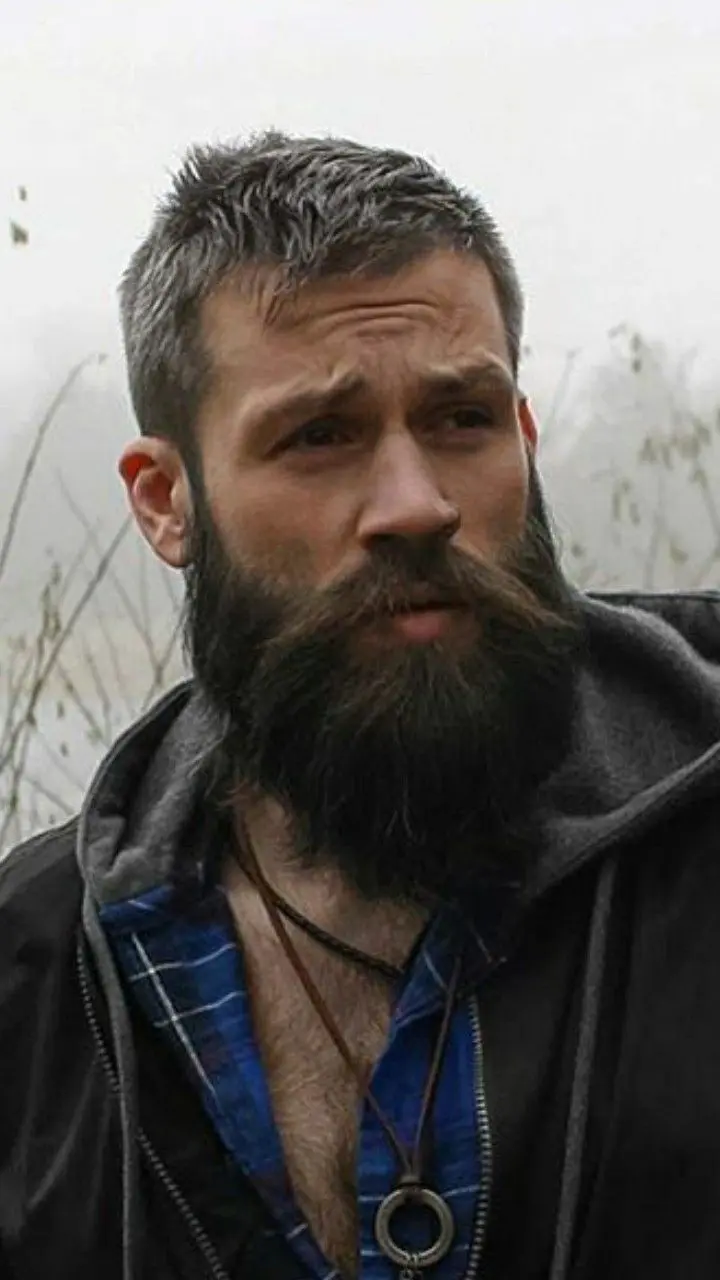
A Bandholz beard is a long, full beard grown out with almost no shaping beyond two details: a clean neckline and a defined cheek line. Everything else, the length, the density, the natural taper toward the chin, is left to grow exactly the way it wants to. It’s one of the more minimalist approaches among full beard styles, and that simplicity is exactly what makes it so popular with men who want a serious, long beard without constant upkeep.
What separates a Bandholz beard from just “not trimming your beard” is intention. The neckline and cheek lines are maintained carefully and consistently, which is what keeps a beard this long from looking neglected. This guide covers where the style comes from, how it compares to other long beard options, and exactly what maintenance it actually requires.
Table of Contents
What Is a Bandholz Beard
A Bandholz beard is defined by significant, largely untouched length, typically reaching well past the chin, combined with only two points of active grooming: the neckline and the cheek line. Unlike a Garibaldi beard, which is deliberately shaped into a rounded silhouette, a Bandholz beard keeps its natural taper and shape, whatever that happens to be for your individual growth pattern.
This makes it one of the lowest-shaping full beard styles available, even though the length itself requires serious patience and commitment. The goal isn’t a sculpted or rounded look, it’s a natural, substantial beard with just enough structure at the edges to look deliberate rather than unkempt.
Where the Name Comes From
The style is named after Eric Bandholz, founder of the beard care brand Beardbrand, whose own long, natural beard became closely associated with the modern beard grooming movement. As Beardbrand grew into a recognized name in men’s grooming, the specific style Bandholz wore, long, natural, minimally shaped, started being referred to by his name within the beard community, eventually becoming a standard term used across barbershops and grooming guides.
The Two Rules That Actually Define This Style
Strip away everything else, and a Bandholz beard really comes down to two consistent grooming habits:
Rule 1: Maintain a clean neckline. Set roughly one to two finger-widths above the Adam’s apple, trimmed regularly regardless of how long the rest of the beard gets.
Rule 2: Maintain a defined cheek line. A soft, natural curve along the top edge of the beard, kept consistent so the growth doesn’t creep upward into the cheekbone area unevenly.
Beyond those two lines, everything else, length, density, natural taper, is left alone. No rounding, no squaring off, no shaping the bottom edge into a specific silhouette. That’s what makes this style meaningfully different from other long, full options.
Bandholz Beard vs. Garibaldi vs. Standard Full Beard
These three styles get grouped together constantly since they’re all long and full, but the shaping philosophy behind each one is genuinely different.
| Feature | Bandholz Beard | Garibaldi Beard | Standard Full Beard |
| Overall shape | Natural, untouched taper | Deliberately rounded | Varies, often lightly shaped |
| Active shaping | Neckline and cheek line only | Rounded bottom edge, integrated mustache | Cheek, neck, and often some length control |
| Length | Long, past the chin | Long, 4–6+ inches | Short to medium, sometimes long |
| Styling philosophy | Minimal intervention | Deliberate rounded silhouette | Moderate shaping throughout |
| Best for | Men who want length without heavy shaping | Men who want volume and a rounded, full look | Men who want a shorter, more controlled full beard |
If a rounder, more sculpted long beard sounds more appealing than the natural taper of a Bandholz, the Garibaldi beard guide covers that specific approach in detail. For a broader look at options across all lengths, the long beard styles guide is worth reviewing before committing to this particular direction.
Who a Bandholz Beard Suits
Best face shapes: This style works well on most face shapes because of its sheer length and volume, which tends to balance out sharper or narrower features naturally. It’s especially effective on square and oblong faces, since the length and natural taper soften angular jawlines without needing deliberate shaping, an effect similar to what’s covered in the best beard for square face guide.
Best hair types: Thicker, coarser hair holds the fuller look most convincingly at length, though medium-density hair can achieve a solid Bandholz beard style with enough patience. Very fine or sparse growth will take considerably longer to look substantial.
Best age groups: No specific age restriction applies, though men with well-established, consistent growth patterns, generally reached in the mid-to-late twenties for many, will see a fuller result sooner than those still in earlier growth stages.
Growth commitment required: This is a serious, long-term style. Reaching a genuinely long Bandholz beard typically takes somewhere between six months and a year of consistent, minimally interrupted growth, depending on individual growth rate.
The Growth Process, Realistically
Rather than a strict month-by-month plan, growing a Bandholz beard is better understood as a series of checkpoints where your grooming habits need to adjust slightly.
Early growth (first 4–6 weeks): Focus entirely on patience. Maintain the neckline only during this stage, and resist judging the shape too early, since density and taper aren’t yet clear.
Established growth (2–4 months): The cheek line becomes relevant here, since natural growth starts creeping upward enough to need occasional definition. This is also when most of the itching and awkward in-between phases settle down.
Extended growth (4–8 months): Length starts to define the beard’s overall character. Conditioning becomes more important here to prevent dryness and frizz at the ends, especially for a long Bandholz beard reaching well past the chin.
Mature length (8+ months): At this stage, most of the growth work is done, and maintenance shifts almost entirely to the neckline, cheek line, and ongoing conditioning rather than any further shaping.
Maintaining the Two Lines That Matter
Since the whole style depends on these two details staying clean while everything else grows freely, it’s worth treating them as non-negotiable habits rather than occasional touch-ups.
- Trim the neckline every 1–2 weeks, using the same height consistently so it doesn’t drift upward or downward over time.
- Check the cheek line every 2–3 weeks, cleaning up any hair that’s crept above your established boundary.
- Use a comb to guide the trim, rather than freehanding either line, since consistency matters more here than technical difficulty.
- Avoid touching the rest of the beard. The temptation to round or shape the bottom edge defeats the purpose of the style, so resist adjusting anything beyond these two boundaries.
For the underlying technique used to maintain clean lines like these, the how to trim a beard guide covers tool control and precision in more depth.
Can You Wear One in a Professional Setting?
This comes up often, since a beard this long carries a different impression than a short, corporate style. In practice, a well-maintained Bandholz beard, with a genuinely clean neckline and cheek line, reads as deliberate and well-groomed rather than unkempt, which makes it more workplace-appropriate than many assume. The deciding factor is almost always maintenance quality rather than length itself. A long, healthy, well-conditioned beard with sharp boundary lines tends to be received very differently than an equally long beard that’s dry, frizzy, or has a neglected neckline.
Industry and company culture still play a role, and more traditional or client-facing corporate environments may lean toward shorter options like a corporate beard. But creative fields, remote work, and many modern workplaces have become considerably more accepting of long, well-kept beards over the past decade.
Tools and Products Worth Having
- A quality detail trimmer for maintaining the neckline and cheek line precisely
- A wide-tooth comb for detangling length without breakage
- A boar bristle brush to train direction and distribute oils through longer growth
- Beard oil, applied daily, since length increases the beard’s tendency to dry out at the ends
- A leave-in conditioner or balm, particularly useful once you’re maintaining a long Bandholz beard reaching several inches past the chin
The beard care guide has a complete washing and conditioning routine that becomes increasingly important the longer the beard gets.
Common Mistakes
- Shaping the bottom edge. Rounding, squaring, or otherwise altering the natural taper goes against the entire philosophy of this style.
- Letting the neckline slide. Since it’s the only actively maintained line besides the cheek boundary, skipping neckline trims quickly makes the whole beard look neglected.
- Skipping conditioning as length increases. Longer growth dries out faster, and neglecting this leads to a frizzy, rough texture rather than the healthy, substantial look the style depends on.
- Judging the shape too early. Many men get discouraged in the first two months, right before the beard typically starts filling out into its more recognizable form.
- Confusing this style with a Garibaldi beard. Attempting to round the bottom edge, thinking that’s part of a Bandholz beard, misses the defining minimal-shaping approach entirely.
Myths About This Style
Myth: A Bandholz beard requires no maintenance at all. Not accurate. The neckline and cheek line need consistent, regular attention. What’s minimal is the shaping of the rest of the beard, not the grooming routine overall.
Myth: Only very thick beards can pull this off. Medium-density beards can achieve a convincing Bandholz beard style with enough growth time, though the process may take slightly longer to look as substantial as thicker growth would.
Myth: This style always looks messy in professional settings. A well-maintained version, with sharp boundary lines and proper conditioning, is often received as deliberate and polished rather than unkempt, particularly in less traditional work environments.
Realistic Expectations
Reaching a full, established Bandholz beard realistically takes six months to a year of consistent, minimally interrupted growth, and that timeline depends heavily on individual density and growth rate. According to the American Academy of Dermatology, hair growth speed and thickness are influenced by genetic and hormonal factors, which explains why identical grooming routines can produce noticeably different results across different men. If your growth remains unusually slow or patchy well past the typical adjustment period, that’s worth discussing with a dermatologist rather than assuming a product change will resolve it.
Frequently Asked Questions
What is a Bandholz beard? A Bandholz beard is a long, full beard grown with minimal shaping, maintained only through a clean neckline and a defined cheek line, while the rest of the growth is left in its natural taper and shape.
Where does the name Bandholz beard come from? It’s named after Eric Bandholz, founder of the beard care brand Beardbrand, whose long, natural beard became closely associated with this specific minimally shaped style.
How long does it take to grow a Bandholz beard? Reaching a fully established Bandholz beard typically takes six months to a year of consistent growth, depending on individual hair growth rate and density.
What’s the difference between a Bandholz beard and a Garibaldi beard? A Bandholz beard keeps its natural, untouched taper with only the neckline and cheek line maintained, while a Garibaldi beard is deliberately shaped into a rounded silhouette with a fully integrated mustache.
Do I need to shape the bottom of a Bandholz beard? No. The defining feature of this style is leaving the natural taper untouched, with grooming limited to the neckline and cheek line only.
Is a Bandholz beard appropriate for work? A well-maintained version with clean lines and proper conditioning is often considered workplace-appropriate, especially in creative or modern work environments, though more traditional settings may still prefer shorter styles.
What face shapes suit a long Bandholz beard best? Square and oblong face shapes tend to suit this style particularly well, since the length and natural taper soften angular features without needing deliberate shaping.
How often should I trim the neckline on a Bandholz beard? The neckline typically needs trimming every 1 to 2 weeks to keep it clean and consistent while the rest of the beard continues growing.
Can thin or fine hair grow into a full Bandholz beard style? Yes, though it generally takes longer to reach the same fullness that thicker or coarser hair achieves, since the style depends on visible density and length.
What products help maintain a long Bandholz beard? Beard oil, leave-in conditioner or balm, a boar bristle brush, and a wide-tooth comb are the main tools for managing length and preventing dryness as the beard grows.
Is a Bandholz beard the same as just not trimming your beard? No. The style specifically maintains a clean neckline and cheek line consistently, which is what keeps a beard this long looking deliberate rather than neglected.
How do I keep a Bandholz beard from looking messy at length? Regular neckline and cheek line maintenance, daily combing, and consistent oil or balm application keep the beard looking healthy and intentional even at significant length.
Can I combine a Bandholz beard with a fade? It’s uncommon, since the style’s minimal-shaping philosophy generally doesn’t pair with the more structured look of a beard fade, though personal preference ultimately decides what works for you.
What’s the ideal cheek line for a Bandholz beard? A soft, natural curve that follows your existing growth pattern rather than a sharply defined or squared edge fits the minimal-shaping approach this style is built around.
Does a Bandholz beard suit older men as well as younger men? Yes, there’s no specific age limitation, though well-established, consistent growth patterns tend to produce a fuller, more defined result regardless of age.