 By Bread Styles Team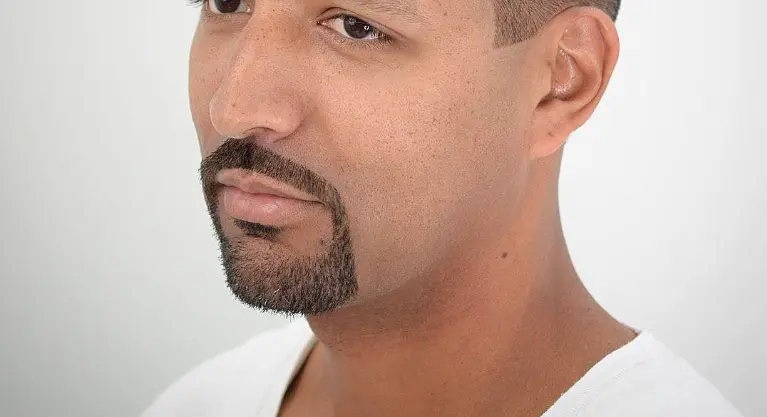
A French beard is a short, closely cropped style built around sharp, deliberate edges rather than length or volume. It sits close to the jawline, connects cleanly into the mustache, and relies almost entirely on precise lines to look finished, which is exactly why so many men get it wrong when they try to recreate it without proper guidance.
The style has become one of the more requested looks in modern barbershops because it works well in almost any setting, from formal offices to casual weekends, without needing months of growth or constant reshaping. This guide breaks down what actually defines a beard, how the trim technique works, and how to keep it looking sharp between visits.
Table of Contents
What Is a French Beard
A beard is a short beard, typically between a quarter-inch and half an inch in length, trimmed with crisp, straight lines along the cheeks, jaw, and neckline. The defining feature isn’t the length itself but the precision of the edges, which is what separates a French cut beard from ordinary stubble left to grow out unshaped.
The mustache stays connected and neatly trimmed to match the rest of the beard’s length, creating a uniform, tailored appearance. It’s a style built on clean geometry rather than natural fullness, which is why it photographs so well and reads as deliberate rather than accidental, even at such a short length.
The French Cut Technique Explained
What barbers actually mean by a “French cut” is a specific approach to shaping short facial hair using very defined, straight-line edging rather than the softer, rounded lines used in styles like a standard short beard.
Here’s what the technique involves:
- Even overall length first. The entire beard is trimmed to a consistent short length using a guard, usually somewhere in the 2–5mm range.
- Sharp cheek lines. Rather than a natural or slightly rounded cheek line, the French cut uses a straighter, more defined edge, often just above where the natural growth line sits.
- A precise neckline. The neckline is trimmed higher and cleaner than in more relaxed styles, contributing to the tailored look.
- Mustache integration. The mustache is trimmed to match the beard’s length and blended cleanly at the corners rather than left fuller or shaped separately.
- Razor-finished edges. A straight razor or detail trimmer with no guard is typically used to finish the lines, giving the style its signature sharpness.
This combination of short, even length and razor-sharp lines is what makes a beard immediately recognizable, even though it doesn’t rely on any dramatic shape or added volume.
Who a French Beard Actually Suits
Best face shapes: A French beard works well on most face shapes because its short length doesn’t add significant bulk anywhere. It’s especially flattering on oval and round faces, where the sharp jaw lines add definition without overwhelming softer features. It also pairs nicely with square faces, since the clean edges complement an already structured jawline rather than competing with it.
Best hair types: Straight to medium-textured hair holds the sharp lines most cleanly. Curlier or coilier hair can still achieve the look, though the lines may need slightly more frequent touch-ups to stay crisp, since curl patterns tend to soften edges faster.
Best age groups: This style suits a wide age range, largely because its short length and clean lines read as polished rather than trendy, making it a safe choice from the late teens through to older age groups.
Growth requirement: Unlike longer styles, a beard doesn’t need months of growth. Around two to three weeks of even growth is usually enough to establish the length needed for clean shaping, which makes it one of the more accessible styles for men who don’t want a long growing-out phase.
French Beard vs. Corporate Beard vs. Stubble
These three styles get compared constantly since they all sit in the shorter end of the beard spectrum. Here’s how they actually differ.
| Feature | French Beard | Corporate Beard | Stubble |
| Length | Short, even (roughly 2–5mm) | Short, slightly longer | Very short (1–3mm) |
| Edge style | Sharp, straight, razor-defined | Neat but softer edges | Minimal to no defined lines |
| Mustache | Fully integrated, matched length | Usually trimmed, less emphasis on lines | Often left natural |
| Maintenance | Moderate to high (lines need upkeep) | Low to moderate | Low |
| Best setting | Versatile, works in formal and casual settings | Professional, corporate environments | Casual, low-effort looks |
In short: stubble is about minimal effort, a corporate beard is about neat, low-key professionalism, and a French beard sits between them with sharper intent behind its short length. If you’re deciding between a French beard and something even lower maintenance, the corporate beard and stubble beard guides are useful comparison points before committing to the extra edge upkeep this style requires.
Modern French Beard Variations
The classic French beard has a few contemporary twists that have become popular in recent years.
Faded French beard: Combines the sharp cheek and jaw lines with a low or mid fade into the sideburns, creating a more dramatic transition. If this version appeals to you, the beard fade styles guide covers how to choose and maintain the right fade height to pair with it.
Rounded modern French beard: A softer take that keeps the short, even length but rounds the cheek line slightly instead of using a completely straight edge, giving a marginally less severe look while keeping the overall structure.
French beard with defined mustache: Some modern variations let the mustache extend very slightly past the beard’s main length for added contrast, though this is a subtle detail rather than a dramatic departure from the classic style.
Step-by-Step: Getting the French Beard Trim
- Start with two to three weeks of even growth. You need enough length to trim down to a clean, uniform short length without gaps.
- Trim the overall length first using a guard in the 2–5mm range, working evenly across the cheeks, jaw, and chin.
- Mark your cheek line using a comb or grooming pencil as a guide before cutting anything, since this line defines the whole look.
- Cut the cheek line straight, using a detail trimmer or razor, rather than following the natural curve of your growth pattern.
- Define the neckline slightly higher and cleaner than you would for a more relaxed beard style.
- Blend the mustache into the beard length, trimming it to match rather than leaving it noticeably longer or shorter.
- Finish all edges with a razor for the sharpest possible lines, checking symmetry in a well-lit mirror before finishing.
For broader trimming fundamentals that apply to this and most other short styles, the how to trim a beard guide covers technique and tool handling in more detail.
Tools You’ll Need
- A quality trimmer with multiple guard lengths, ideally in small increments around the 2–5mm range
- A detail trimmer with a T-blade for precise cheek and neck lines
- A straight razor for the sharpest finishing edges
- A grooming pencil or comb to mark lines before committing to a cut
- Good, direct lighting and a well-positioned mirror to check symmetry from multiple angles
Maintenance Schedule
A French beard’s short length actually works against low maintenance, since the sharp lines it depends on grow out and blur faster than they would on a fuller, less defined style.
- Touch up the cheek and jaw lines every 4–6 days to keep the edges sharp.
- Trim the overall length every 1–2 weeks to maintain the short, even base.
- Clean the neckline every 5–7 days, since this area grows out noticeably fast at such a short overall length.
- Apply a lightweight beard oil daily to keep the short hair soft rather than coarse or scratchy.
The beard care guide covers a broader washing and conditioning routine that pairs well with the frequent trimming this style requires.
Common Mistakes to Avoid
- Letting the lines soften too much between trims. The entire look depends on sharp edges, and letting them blur defeats the purpose of the style.
- Cutting the cheek line too high. This can look unnatural and disconnected from your actual growth pattern if taken too far above the natural line.
- Neglecting the mustache. A mismatched mustache length undercuts the uniform, tailored look the rest of the beard is going for.
- Skipping the guide line step. Freehanding straight edges without marking them first is the most common cause of uneven, asymmetrical lines.
- Choosing this style with very patchy cheek growth. Sharp lines make any thin or uneven patches more obvious than a softer, natural edge would.
If patchy growth is a recurring issue for you specifically along the cheek line, the patchy beard guide is worth reading before committing to a style this dependent on clean, consistent coverage.
Styling Difficulty and Realistic Expectations
A French beard is deceptively demanding for how short it is. The overall commitment is lower than a longer style like a full beard, since you’re not managing months of growth, but the edge maintenance is more frequent than most short styles require. Expect to touch up the lines every few days rather than treating it as a low-effort, grow-and-forget option.
Growth speed and how quickly your lines blur will vary based on your individual hair growth rate. According to the American Academy of Dermatology, factors like genetics and hormones play a significant role in how fast facial hair grows back after trimming, which is part of why some men can stretch touch-ups slightly longer than others with a similar style.
Frequently Asked Questions
What is a French beard? A French beard is a short, closely cropped beard style, typically between a quarter-inch and half-inch long, defined by sharp, straight cheek and jaw lines rather than natural, rounded edges.
How is a French cut beard different from regular stubble? Stubble is usually left unshaped with minimal defined lines, while a French cut beard uses precise, straight edges along the cheeks and jaw to create a more deliberate, tailored appearance.
How long does hair need to be before getting a French beard trim? Around two to three weeks of even growth is typically enough to establish the length needed for a clean French beard trim.
How often does a French beard need to be maintained? The cheek and jaw lines usually need touch-ups every 4 to 6 days, while the overall length can be trimmed every 1 to 2 weeks to keep the short, even base intact.
What face shapes suit a French beard best? Oval, round, and square face shapes tend to suit a French beard particularly well, since the sharp lines add definition without adding bulk from extra length.
Can I get a modern French beard with a fade? Yes. A faded French beard combines the sharp cheek and jaw lines with a low or mid fade into the sideburns for a more dramatic, blended transition.
Is a French beard high maintenance? The overall length is easy to manage, but the sharp lines require more frequent touch-ups than most short beard styles, making the maintenance moderate to high in terms of edge upkeep.
Does a French beard work with curly hair? Yes, though curly or coily hair may soften the sharp lines faster than straighter hair, requiring slightly more frequent touch-ups to keep the edges crisp.
What’s the difference between a French beard and a corporate beard? A French beard relies on sharp, straight-line edging for a tailored look, while a corporate beard uses a neater but softer edge, generally requiring less frequent line maintenance.
Can a French beard be worn in a professional setting? Yes. Its short length and clean lines make it one of the more versatile styles, suitable for both professional and casual environments.
Do I need a razor to get a proper French beard trim? A razor helps achieve the sharpest possible lines, though a detail trimmer with a T-blade can also create clean edges if a razor isn’t available or comfortable to use.
Is a French beard suitable for patchy growth? It’s more challenging, since sharp, defined lines tend to highlight thin or uneven patches more than a softer, natural edge would.
How short should a French beard be? Most French beard styles fall between roughly a quarter-inch and half-inch in length, though the exact length can be adjusted slightly based on personal preference and face shape.
What tools are best for maintaining a French beard at home? A trimmer with multiple short guard lengths, a detail trimmer for lines, and a straight razor for finishing edges are the core tools needed to maintain this style between barber visits.
Should I get my first French beard trim done by a barber? It’s a good idea, especially for establishing the initial cheek and jaw lines accurately, since these are difficult to judge symmetrically on your own the first time.