
 By Bread Styles Team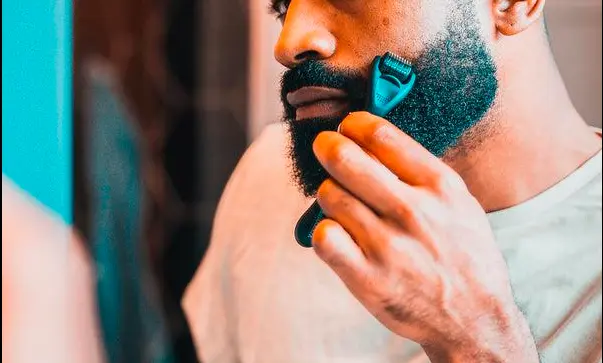
Ask a barber about a beard roller and you’ll usually get a more cautious answer than the product listings suggest. Microneedling for facial hair has genuinely enthusiastic supporters online, real anecdotal reports, and a plausible-sounding mechanism — but it also comes with actual skin risks that most marketing copy glosses over entirely. This is one grooming tool where the honest answer is more nuanced than a simple yes or no.
This guide covers what a beard roller is supposed to do, what the evidence for beard-specific growth actually shows, and how to use one as safely as possible if you decide to try it.
Table of Contents
What Is a Beard Roller and How It’s Supposed to Work
A beard roller, also called a derma roller, is a handheld tool covered in small needles that creates tiny, controlled punctures in the skin, a process known as microneedling. The theory behind using it for beard growth is that these micro-injuries trigger the skin’s natural healing response, potentially increasing blood flow and collagen production in the treated area.
That mechanism is well documented for skin texture and scarring applications elsewhere on the body. Whether it meaningfully extends to stimulating dormant facial hair follicles specifically is a much less settled question, and that distinction matters before spending money or risking skin irritation on the assumption that it does.
Does a Beard Roller Actually Help Beard Growth?
The evidence for a beard roller improving facial hair growth is limited and mixed, with most existing research focused on scalp hair rather than facial hair specifically. Some men report improved density with consistent use, but there’s no strong, beard-specific evidence guaranteeing results, and it should not be treated as a reliable fix for genetically limited or patchy growth.
This is worth being direct about: no microneedling tool overrides genetics or creates new hair follicles where none exist. At best, some men see modest improvement in the fullness of existing, thin growth. At worst, it does nothing beyond the temporary skin irritation the process itself causes. If your main concern is a patchy beard, a roller shouldn’t be your first or only strategy — supporting healthy beard growth through sleep, diet, and consistent care has a stronger overall foundation.
Needle Length: What’s Reasonable for Facial Use
| Needle Length | Use Case | Risk Level |
| 0.25mm | General skin texture, very low irritation | Low |
| 0.5mm | Most common length for at-home facial use | Moderate |
| 1.0mm+ | More aggressive, often used for scarring | Higher, generally not recommended for beginners |
Longer needles aren’t automatically more effective for growth purposes and significantly increase the risk of irritation, micro-tears, and infection if the tool isn’t sterile or technique isn’t careful. Most grooming-focused derma roller products marketed for beard use stay in the 0.25mm to 0.5mm range for this reason.
How to Use a Beard Roller Safely
- Start with clean skin and a clean tool. Wash your face thoroughly and sterilize the roller with isopropyl alcohol before every single use, no exceptions.
- Choose a conservative needle length. 0.25mm to 0.5mm is a reasonable starting point for facial use.
- Roll gently in multiple directions. Vertical, horizontal, and diagonal passes over each section, using light pressure rather than pressing hard.
- Limit each session to a few minutes. There’s no benefit to prolonged use, and it increases irritation risk without added benefit.
- Apply a gentle, alcohol-free product afterward. Skin is more permeable immediately after microneedling, so avoid anything with strong active ingredients or fragrance right after a session.
- Avoid direct sun exposure for the rest of the day. Freshly microneedled skin is more vulnerable to sun sensitivity.
- Sterilize the roller again after use and let it air dry. Never store a damp, unsterilized roller, since bacteria can grow on the needles between uses.
Beard Roller vs Beard Growth Oil: Do They Work Together?
Some men combine a beard roller with growth-focused oil, on the theory that the increased blood flow from microneedling helps active ingredients absorb more effectively into the skin. This isn’t strongly proven specifically for beard growth, but it isn’t an unreasonable pairing either, since both approaches are aimed at supporting the health of the skin and follicles rather than working against each other.
If you do combine them, apply oil after rolling, once the session is finished, rather than during it. Our beard growth oil guide covers ingredient choices and realistic expectations for that product category in more depth.
Risks and Side Effects to Know Before Starting
- Temporary redness and sensitivity. Common and expected immediately after a session, typically resolving within a day.
- Risk of infection with an unsterilized tool. This is one of the more serious, avoidable risks, and it’s entirely dependent on proper cleaning habits.
- Irritation or breakouts from overuse. Using a roller too frequently doesn’t accelerate results and increases the chance of ongoing irritation.
- Micro-scarring from excessive pressure or overly long needles. Aggressive technique or overly long needles used without proper training carries real risk.
- Worsening of active skin conditions. Rolling over active acne, eczema flare-ups, or open irritation can spread infection or worsen the underlying issue.
Who Should Avoid Microneedling on Their Beard
- Anyone with active acne, eczema, psoriasis, or other active skin conditions in the treatment area
- Men currently using or recently having used isotretinoin (commonly known by the brand name Accutane), since this medication significantly increases skin sensitivity and scarring risk
- Anyone with a history of keloid scarring
- Men with a bleeding disorder or on blood-thinning medication, without first consulting a doctor
- Anyone unsure about proper sterilization and technique
The American Academy of Dermatology recommends consulting a dermatologist before starting any at-home microneedling routine, particularly for anyone with an existing skin condition or uncertainty about proper technique. This isn’t overly cautious advice — it reflects genuine risk that a five-minute conversation with a professional can meaningfully reduce.
How Often Should You Use a Derma Roller for Beard Growth?
Most guidance suggests limiting use to once or twice a week at most, giving skin adequate time to recover between sessions. Daily or frequent use doesn’t improve results and substantially increases the risk of irritation, micro-scarring, and skin barrier damage over time.
Patience matters here more than frequency. If a beard roller for growth is going to show any effect at all, it typically takes several months of consistent, moderate use — not aggressive daily sessions — to become apparent.
Sterilizing and Maintaining Your Roller
- Sanitize before and after every use with isopropyl alcohol, allowing it to air dry completely.
- Never share a beard roller with anyone else. This is a genuine infection risk given the tool punctures skin.
- Replace the roller regularly. Needles dull over time and become less precise, increasing irritation risk with continued use.
- Store it in a clean, dry case, away from other bathroom items that could introduce bacteria to the needles.
Common Mistakes That Cause Irritation
- Skipping sterilization. This is the single most preventable cause of infection risk with any derma roller for beard use.
- Using excessive pressure. The tool doesn’t need force to work; light, consistent pressure is sufficient and significantly safer.
- Rolling over broken or irritated skin. This increases infection risk and can worsen an existing issue rather than helping it.
- Using it too frequently. More sessions per week doesn’t accelerate results and mainly increases the risk of cumulative irritation.
- Applying harsh products immediately afterward. Skin is more absorbent right after microneedling, which means strong actives can cause more irritation than usual.
Realistic Expectations
What a beard roller might realistically do, based on limited, mixed evidence:
- Potentially support the health and fullness of existing, thin growth for some men
- Improve how well topical products like oil absorb afterward
What it won’t do:
- Create new hair follicles or increase genetic density
- Guarantee visible improvement for every user
- Fix significant, longstanding patchiness caused by follicle distribution
- Deliver faster results than the natural hair growth cycle allows regardless of frequency
Treat a beard roller as a low-certainty, moderate-risk addition to a routine, not a guaranteed growth solution. For a fuller picture of what reliably influences facial hair growth, our how to grow a beard faster guide covers the habits with stronger, more consistent support behind them.
Myths About Beard Rollers and Microneedling
- “A beard roller guarantees thicker facial hair.” Evidence specific to beard growth is limited and mixed; results vary significantly and aren’t guaranteed for anyone.
- “Longer needles work faster.” Longer needles increase risk without proportionally improving results, especially for beginners.
- “Daily use speeds up results.” Overuse increases irritation risk without accelerating any potential benefit, since skin needs recovery time between sessions.
- “It’s completely risk-free because it’s a cosmetic tool.” Microneedling punctures skin, and improper use carries real risk of infection, irritation, or scarring.
Expert Tips
- If you’re new to microneedling, start with the shortest reasonable needle length and the lowest frequency, then adjust only if your skin tolerates it well.
- Track your beard’s progress with photos every few weeks rather than judging results too early.
- Pair consistent use, if you choose to try it, with a broader routine that includes proper beard care, since a roller alone isn’t a substitute for the basics that more reliably support growth.
- If you notice persistent redness, breakouts, or irritation beyond a day after use, stop and reassess frequency or technique before continuing.
- When in doubt about whether microneedling is appropriate for your skin, a quick consultation with a dermatologist is worth more than guessing.
A beard roller isn’t a scam, but it also isn’t the guaranteed growth solution a lot of product marketing implies. Treat it as a low-certainty tool with real technique and safety requirements, keep expectations modest, and prioritize the basics of skin and hair health that have far more consistent support behind them.
FAQs
Does a beard roller actually work for beard growth? Evidence specific to beard growth is limited and mixed. Some men report improved fullness in existing, thin growth, but no derma roller creates new hair follicles or guarantees results.
What needle length is best for a beard roller? Most at-home use for facial skin stays in the 0.25mm to 0.5mm range, since longer needles increase irritation and scarring risk without proportionally improving results.
How often should I use a derma roller for beard growth? Once or twice a week is a reasonable maximum for most people, giving skin adequate time to recover between sessions rather than risking cumulative irritation.
Is microneedling a beard safe to do at home? It can be reasonably safe with proper sterilization, conservative needle length, and gentle technique, though it carries real risks like infection and irritation if done carelessly.
Can I use beard growth oil with a beard roller? Some men combine the two, applying oil after a rolling session once skin has calmed slightly. This pairing isn’t strongly proven for beard-specific results but is a reasonable combination.
Who shouldn’t use a beard roller? Anyone with active acne, eczema, a history of keloid scarring, recent isotretinoin use, or a bleeding disorder should avoid microneedling or consult a dermatologist first.
Can a beard roller fix a patchy beard? It might modestly improve the fullness of existing thin hair for some men, but it can’t create new follicles in genuinely bald or sparse patches.
How long does it take to see results from a beard roller? If any effect occurs, it typically takes several months of consistent, moderate use to become noticeable, in line with normal hair growth cycles.
What are the risks of using a beard roller? Risks include infection from unsterilized tools, irritation from overuse or excessive pressure, and potential micro-scarring from overly long needles or aggressive technique.
Should I sterilize my beard roller between uses? Yes, every time, both before and after use, with isopropyl alcohol. Skipping sterilization is one of the most preventable causes of infection risk.
Is a longer needle better for a beard roller? No. Longer needles significantly increase risk without proportionally improving potential benefit, especially for anyone without professional microneedling experience.
Does a beard roller work better than beard growth oil? Neither has strong, guaranteed results for beard growth specifically. Growth oil has more established conditioning benefits, while a roller’s evidence remains limited and mixed, making a combined, realistic approach more sensible than relying on either alone.