 By Bread Styles Team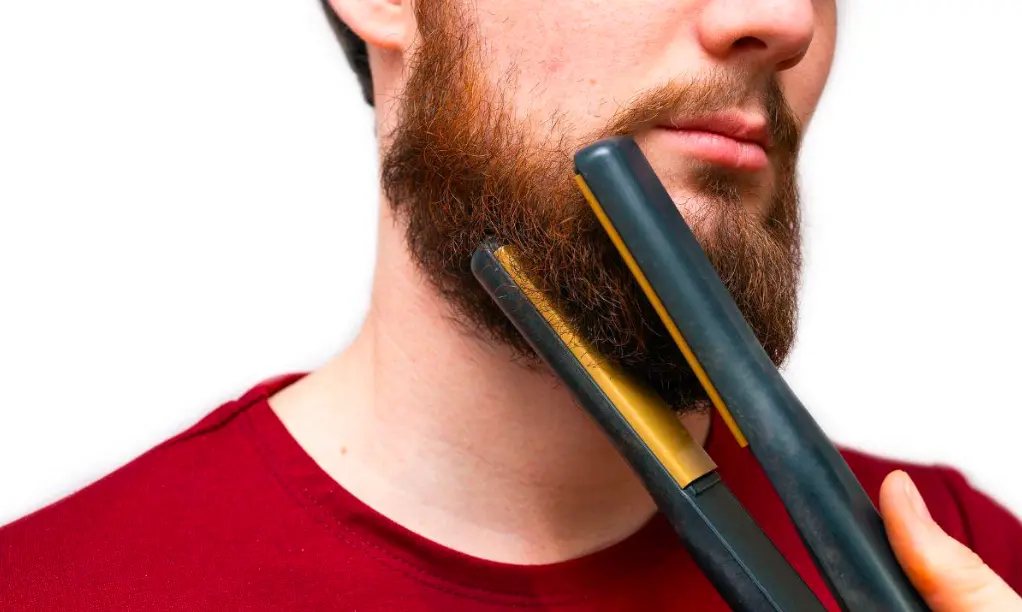
Coarse or curly facial hair has a mind of its own, and no amount of combing or brushing fully convinces it to lie flat for more than an hour. That’s the exact problem a beard straightener is built to solve — using controlled heat to temporarily reshape hair into a smoother, straighter pattern that a comb alone simply can’t hold. Done right, it’s an effective styling tool. Done carelessly, it’s one of the faster ways to damage months of growth.
This guide covers the different types of beard straighteners, how to use one without causing heat damage, and when a straight beard look is worth the extra step versus working with your natural texture instead.
Table of Contents
What a Beard Straightener Actually Does
A beard straightener uses controlled heat to temporarily break and reform the hydrogen bonds inside each hair strand, reshaping curly or wavy facial hair into a straighter pattern that holds until the next wash or exposure to humidity. This is the same basic mechanism behind hair straighteners used on scalp hair, scaled down for the shorter, denser structure of a beard.
The result isn’t permanent. Once hair gets wet again, it typically reverts back toward its natural texture, which is why straightening tends to become a repeated styling step rather than a one-time fix.
Types of Beard Straighteners
| Type | How It Works | Best For |
| Straightening Brush | Heated bristles you comb through the beard | Everyday use, more forgiving for beginners |
| Mini Flat Iron | Two heated plates that clamp and glide over sections | Precise, sharper straightening results |
| Straightening Comb | Heated comb-style tool, similar to a brush but narrower | Detail work, shorter beards |
A beard straightening brush is generally the easiest entry point, since the heated bristles distribute heat more gradually and evenly than a flat iron’s concentrated plates, reducing the risk of an uneven or overly harsh result on a first attempt.
Is Heat Styling Safe for Facial Hair?
Heat styling is reasonably safe for facial hair when done correctly, at a suitable temperature, and combined with a heat protectant, though repeated high-heat use without precautions can lead to dryness, brittleness, and breakage over time. Facial hair is generally coarser than scalp hair, which gives it somewhat more heat tolerance, but it’s still hair, and it still responds to excessive heat the same way any hair does.
The real risk isn’t using a beard straightener occasionally — it’s using one daily at high heat without any protective product, which is where most heat damage actually comes from.
Choosing the Best Beard Straightener
- Adjustable temperature control. A fixed, single-temperature tool offers far less flexibility across different hair types and beard lengths.
- Ceramic or tourmaline plates or bristles. These distribute heat more evenly than uncoated metal, reducing hot spots that cause localized damage.
- A reasonable heat-up time. Tools that take excessively long to reach temperature often indicate lower-quality heating elements.
- A size suited to your beard length. Compact brushes work well for shorter beards, while slightly larger flat irons handle longer beards more efficiently per pass.
- An auto shut-off feature. A genuinely useful safety feature, particularly for anyone who’s ever left a styling tool plugged in by accident.
Heat Settings: Matching Temperature to Hair Type
| Hair Type | Recommended Heat Range |
| Fine or thin | Lower end, around 300°F (150°C) |
| Medium texture | Mid-range, around 330–350°F (165–175°C) |
| Coarse or very curly | Higher end, up to around 380°F (190°C) |
Starting at the lowest effective temperature and increasing only if needed is safer than starting high and hoping for the best. Fine or thin facial hair is more vulnerable to heat damage, so our thin beard styles guide is worth a look if you’re working with lower density hair and want styling advice that accounts for that.
How to Use a Beard Straightener Correctly
- Start with a clean, dry beard. Never apply heat to wet or damp hair — this causes the water inside the strand to boil, leading to significant damage.
- Apply a heat protectant product first. This is a non-negotiable step for anyone straightening regularly, since it creates a barrier between hair and direct heat.
- Comb through thoroughly before starting. Tangles under heat cause uneven results and increase the risk of snagging. Our beard comb guide covers detangling technique.
- Work in small sections. Larger sections are harder to straighten evenly and often require repeated passes, which multiplies heat exposure.
- Move the tool slowly but continuously. Holding it in one spot, even briefly, is one of the most common causes of localized heat damage.
- Let hair cool before touching or restyling. Hair is more pliable and prone to damage immediately after heat exposure.
- Finish with a small amount of oil or balm. This adds shine and a bit of extra protection once styling is complete.
How Long Does a Straightened Beard Last?
A straightened beard typically holds its shape for a day, sometimes longer with a heat protectant and low humidity, but reverts toward natural texture after washing or significant moisture exposure like rain, sweat, or humidity. This isn’t a permanent change to hair structure — it’s a temporary reshaping that resets with water.
Men looking for a straight beard look regularly should expect to restyle after every wash, not just once initially.
Beard Straightening Brush vs Flat Iron
| Factor | Straightening Brush | Flat Iron |
| Ease of use | More beginner-friendly | Requires more technique |
| Precision | Lower, broader coverage | Higher, sharper results |
| Risk of damage | Lower with correct use | Higher if used incorrectly |
| Speed | Slightly slower | Faster per section |
| Best for | Daily styling, natural-looking results | Detailed, event-level styling |
Most men starting out do better with a straightening brush, since its more gradual heat distribution is more forgiving of small technique mistakes than a flat iron’s concentrated plates.
Common Mistakes That Cause Heat Damage
- Skipping heat protectant. This is the single most common cause of avoidable damage from a beard straightener.
- Using excessive heat for your hair type. Higher isn’t automatically more effective, and it significantly increases the risk of dryness and breakage.
- Styling wet or damp hair. Water inside the hair shaft reacts poorly to direct heat and can cause visible damage almost immediately.
- Repeating passes over the same section. Multiple passes multiply heat exposure without proportionally improving results.
- Straightening daily without any recovery. Facial hair needs time between heat sessions to stay healthy; daily use without protection compounds damage over weeks.
Who Should Think Twice Before Using One
Men with already dry, brittle, or damaged facial hair should be cautious about adding regular heat styling into the mix, since it compounds existing dryness rather than resolving it. Anyone dealing with a patchy beard should also be careful, since heat damage in already sparse areas is more noticeable and harder to disguise than in a fuller beard. If your skin underneath is prone to irritation or sensitivity, extra caution is warranted, since accidental contact with a heated tool close to the skin carries real burn risk.
Alternatives to Heat Straightening
- Wide-tooth combing while damp, paired with a leave-in product, can reduce frizz and create a smoother look without heat.
- Beard balm with light hold helps train hair into a straighter pattern gradually over time, without any thermal risk.
- Regular brushing with a boar bristle brush improves overall texture and manageability, making natural curl less pronounced even without straightening. Our beard brush guide covers this in more depth.
- Accepting and styling around natural texture is also a completely valid option — our curly beard styles guide covers shaping techniques built specifically around natural curl rather than fighting it.
Myths About Beard Straighteners
- “Straightening permanently changes your beard’s texture.” It doesn’t. The effect is temporary and resets with water exposure.
- “More heat means better, longer-lasting results.” Excess heat increases damage risk without meaningfully extending how long the straightened style holds.
- “Any hair straightener works fine for a beard.” Facial hair is coarser and grows in a different pattern than scalp hair; a tool specifically sized and designed for beards generally performs better and is safer at close range to the face.
- “You can skip heat protectant if you’re only using it occasionally.” Even occasional heat exposure without protection carries some risk, particularly for already fine or fragile hair.
Expert Tips for a Straight Beard Without Damage
- Start at the lowest effective temperature and only increase if results aren’t sufficient, rather than starting high by default.
- Always use heat protectant, even for occasional styling — it’s a small step that meaningfully reduces damage risk.
- Give your beard a break between heat styling sessions rather than straightening daily.
- Combine straightening with a solid underlying care routine — a well-conditioned beard using consistent beard oil tolerates heat styling better than a dry, poorly maintained one.
- If you notice increased breakage, brittleness, or split ends after starting to use a beard straightener, scale back frequency before the damage accumulates further.
A straight beard look can genuinely work well for the right occasion or personal style, but it’s worth treating heat as a tool to use deliberately, not a daily default. Protect the hair, respect the temperature guidelines, and a beard straightener becomes a useful addition to a routine rather than something working against the health of your beard.
FAQs
What does a beard straightener actually do? A beard straightener uses controlled heat to temporarily reshape curly or wavy facial hair into a straighter pattern, which holds until the hair is washed or exposed to significant moisture.
Is it safe to use a beard straightener regularly? Yes, when used correctly with a heat protectant and an appropriate temperature for your hair type. Daily use without precautions increases the risk of dryness and breakage over time.
What is the best beard straightener for beginners? A straightening brush is generally more beginner-friendly than a flat iron, since its heated bristles distribute heat more gradually and are more forgiving of small technique mistakes.
How long does a straightened beard last? Typically about a day, sometimes longer with a heat protectant and low humidity, since the effect reverts once hair is exposed to water or significant moisture.
What temperature should I use on a beard straightening brush? Fine hair does best around 300°F (150°C), medium texture around 330–350°F (165–175°C), and coarse or very curly hair can typically tolerate up to around 380°F (190°C).
Does a beard straightener damage facial hair? It can, particularly with excessive heat, no protectant, or overly frequent use. Used correctly and in moderation, the risk of meaningful damage is low.
What’s the difference between a beard straightening brush and a flat iron? A straightening brush offers more gradual, forgiving heat distribution and is easier for beginners, while a flat iron gives more precise, sharper results but requires more careful technique.
Do I need heat protectant for a beard straightener? Yes. Heat protectant is one of the most important steps for reducing damage risk, even for occasional use, and shouldn’t be skipped regardless of hair type.
Can I use a regular hair straightener on my beard? It’s not ideal. A tool specifically designed and sized for facial hair is generally safer at close range to the face and better suited to the coarser texture of beard hair.
Is a beard straightening tool worth it for curly facial hair? It can be, for occasional styling or specific occasions, though many men with curly hair find that shaping around their natural texture works just as well without the added heat exposure.
What are the best alternatives to heat straightening a beard? Consistent combing while damp, a light-hold beard balm, and regular brushing with a boar bristle brush can all reduce frizz and improve manageability without using heat.
How often can I safely use a beard straightening tool? A few times a week with proper heat protectant is generally considered reasonable for most hair types, though daily use increases the risk of cumulative dryness and breakage.