 By Bread Styles Team
Almost every man who decides to grow a beard hits the same wall around week three: it looks patchy, uneven, and nothing like the reference photo. That stage is normal, not a sign that beard growth isn’t working for you. Facial hair follows a slower, less predictable pattern than head hair, and most of the frustration people run into comes down to unrealistic timelines rather than an actual growth problem.
This guide covers what beard growth genuinely depends on, what to expect at each stage, and which habits actually make a measurable difference versus which ones are just marketing.
Table of Contents
What Determines Beard Growth
Beard growth is controlled primarily by genetics and hormone sensitivity — specifically how responsive your facial hair follicles are to testosterone and its derivative, DHT. Age, ethnicity, and overall health also play a role, but the density and pattern of your beard are largely set before you ever pick up a trimmer.
This is the part most grooming content glosses over: you can support healthy beard growth with good habits, but you can’t override your genetic ceiling. Two brothers can follow the exact same routine and end up with noticeably different density, because follicle sensitivity varies from person to person even within families.
The Beard Growth Timeline: Week by Week
Facial hair growth isn’t linear, and knowing roughly what to expect at each stage prevents a lot of unnecessary trimming during the awkward early phase.
| Timeframe | What’s Happening | What to Do |
| Week 1–2 | Fine, patchy stubble starts appearing | Leave it alone, resist shaping |
| Week 3–4 | Growth becomes visibly uneven across the face | Keep growing, don’t trim yet |
| Week 5–8 | Cheek and jaw areas start filling in | Begin light shaping at the neckline only |
| Month 2–3 | Overall shape and density become clearer | Choose a style based on what’s actually filled in |
| Month 4–6 | Full length and coverage for most men | Regular trimming and shaping begins |
| Month 6+ | Growth rate slows, texture settles | Focus on maintenance and conditioning |
Most men underestimate how long real facial hair growth takes. The commonly cited average is roughly half an inch of length per month, though this varies by individual, and coarser hair often looks like it’s growing slower simply because of how it curls or lies against the skin.
Factors That Influence How Fast and Thick a Beard Grows
Genetics and Hormones
This is the biggest factor by a wide margin. Follicle sensitivity to testosterone and DHT is inherited, which is why beard density often runs in families and why no product can fundamentally change a genetic growth pattern.
Age
Beard growth typically continues to fill in and thicken into a man’s mid-to-late twenties, sometimes later. A beard that looks patchy at 19 can look completely different by 25 simply due to continued hormonal maturity. If you’re growing your first beard young, our beard styles for teenagers guide covers realistic expectations and lower-pressure style options for that stage.
Ethnicity
Growth speed, density, and texture patterns vary meaningfully across ethnic backgrounds, and none of these patterns are better or worse — they simply call for different styling approaches. Our guides on beard styles for black men, beard styles for asian men, beard styles for indian men, and beard styles for white men each address the styling choices that tend to work best for common growth patterns within each group.
Skin and Follicle Health
Clogged pores, dry skin, and ingrown hairs can all slow visible growth or make existing hair look thinner than it is. Basic skin care underneath the beard matters more than most men expect, especially once length passes the stubble stage.
Sleep, Stress, and Overall Health
Chronic stress and poor sleep affect hormone regulation broadly, which can have a knock-on effect on hair growth generally, including facial hair. This isn’t a guaranteed fix for slow growth, but it’s a legitimate contributing factor worth managing regardless.
How to Grow a Beard: A Step-by-Step Approach
If you’re starting from a clean shave, here’s a realistic approach to how to grow a beard without giving up during the awkward middle stretch.
- Commit to at least four to six weeks with no shaping. This is non-negotiable — you need to see your actual pattern before making any style decisions.
- Wash it two to three times a week with a beard-specific cleanser. Regular shampoo can dry out both the hair and the skin underneath, which slows healthy beard growth rather than helping it.
- Apply beard oil daily starting around week two. This softens the hair as it comes in and reduces the itching that makes a lot of men give up early.
- Comb or brush daily once there’s enough length to catch a comb. This trains growth direction and makes the beard look more intentional even before you start trimming.
- Address the neckline first, once you’re 6–8 weeks in. Leave the front and cheeks untouched longer — the neckline is the one area safe to clean up early without compromising your options later. Our beard neckline guide covers correct placement.
- Pick a style based on your actual density, not your original plan. If patchiness is more noticeable than expected, a patchy beard guide can help you choose a style built around your real growth pattern instead of fighting it.
- Maintain consistently from month three onward. Once shape is established, regular trims every one to two weeks keep facial hair growth looking deliberate rather than overgrown.
Nutrition and Lifestyle Habits That Support Beard Growth
None of the following will override genetics, but they support the healthiest possible version of the beard growth you’re already capable of.
- Adequate protein intake. Hair is largely made of keratin, a protein, so consistently low protein intake can affect hair quality broadly.
- Iron, zinc, and biotin from food sources. Deficiencies in these can affect hair health, though supplementing beyond a normal, balanced diet hasn’t been shown to accelerate growth in men who aren’t actually deficient.
- Regular exercise. Physical activity supports healthy circulation and hormone regulation, both of which play a supporting role in facial hair growth.
- Consistent sleep. Testosterone production is closely tied to sleep quality, making this one of the more overlooked habits for supporting beard growth tips that actually hold up.
- Staying hydrated. Dry skin under the beard contributes to breakage and irritation, both of which can make growth look patchier than it actually is.
Common Beard Growth Problems and How to Handle Them
Patchy Growth
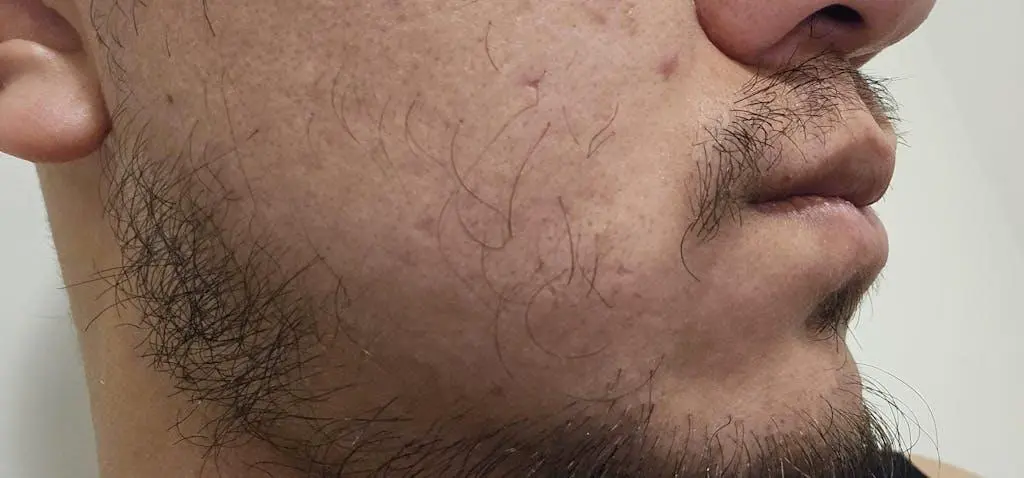
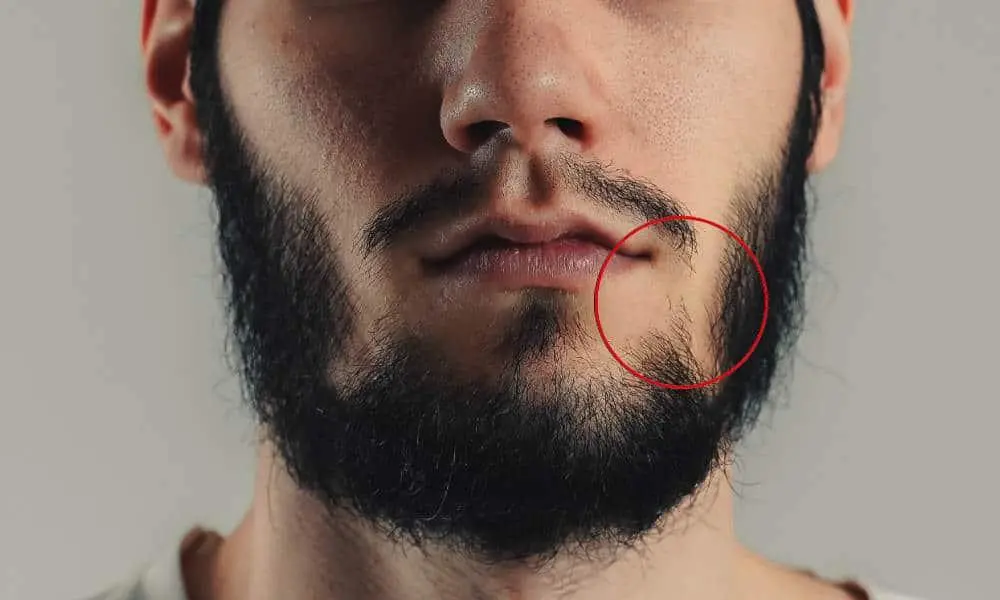
The most common concern by far. Patchiness in the early months is often temporary — many men fill in significantly between three and six months. If patches persist beyond that, styling around them (a shorter, more compact style rather than a full beard) usually gives better results than trying to force even coverage. The patchy beard guide covers specific styles built for this.
Itchiness
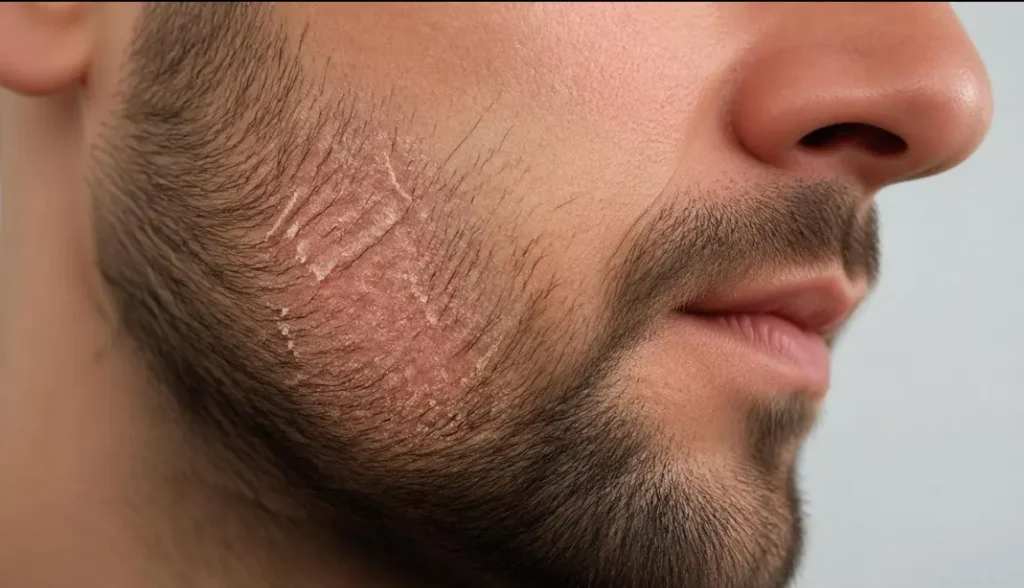
Itching in the first few weeks is caused by new hair pushing through skin, not by the hair being unhealthy. Consistent beard oil use from week two onward significantly reduces this, and it typically resolves on its own once the beard passes the half-inch mark.
Slow-Looking Growth
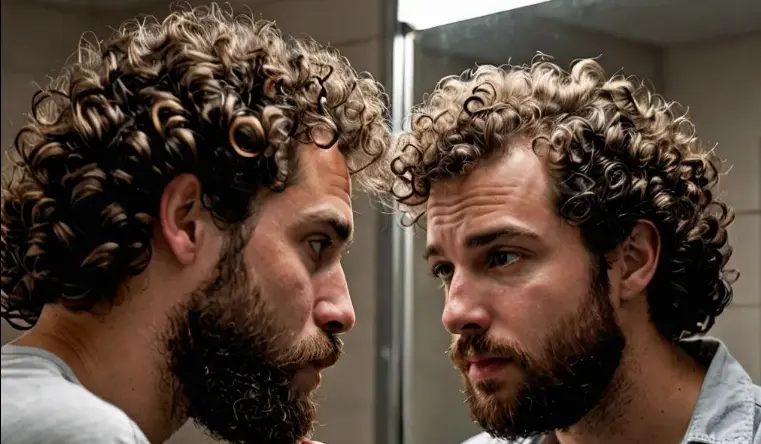
Sometimes growth isn’t actually slow — it’s just curling close to the skin rather than extending outward, which is especially common with coarser or curlier hair types. Our curly beard styles guide addresses shaping techniques that work with this pattern instead of against it.
Thinning or Sparse Areas That Don’t Fill In
If sparse patches remain unchanged after six months or more, or if you notice sudden, unusual hair loss on the face, that’s a reasonable point to speak with a dermatologist rather than continuing to wait it out. The American Academy of Dermatology recommends professional evaluation for any unexplained hair loss pattern, since a handful of underlying conditions can affect facial hair specifically.
Beard Growth Myths Worth Retiring
- “Shaving makes your beard grow back thicker.” This is one of the most persistent myths in men’s grooming, and it isn’t accurate. Shaving cuts hair at the surface; it doesn’t affect the follicle or growth rate underneath.
- “You can force even density with the right product.” No topical product changes genetic follicle density. Some can support scalp and skin health, which indirectly helps hair look its best, but none override your baseline growth pattern.
- “Beard growth stops at a certain age.” Growth rate does slow gradually over time, but healthy beard growth continues well into a man’s 40s, 50s, and beyond — our beard styles for men over 40 and beard styles for men over 50 guides cover styling for continued, if slower, growth at that stage.
- “A patchy beard at three weeks means it’ll always be patchy.” Early patchiness is one of the least reliable indicators of long-term density. Many men see significant fill-in over the following months.
Beard Growth by Age Group
Growth patterns shift meaningfully across a man’s life, and expectations should shift with them.
- Teens and early twenties — growth is often still filling in and may look uneven; patience matters more than product at this stage.
- Mid-to-late twenties through thirties — typically the peak window for density and consistency, once genetic maturity is fully reached.
- Forties and fifties — growth rate slows and texture may coarsen, but overall density often remains strong for men who’ve maintained a beard consistently.
- Sixties and beyond — growth continues, though color changes are common well before density does; our grey beard styles and salt and pepper beard guides cover styling through that transition.
When to See a Dermatologist
Most beard growth concerns resolve with time and consistency, but a few signs are worth a professional opinion rather than continued waiting:
- Sudden, patchy hair loss that wasn’t there before (as opposed to naturally uneven initial growth)
- Persistent redness, bumps, or scarring in specific areas
- Growth that stopped entirely in a previously normal-growing area
- Ingrown hairs that repeatedly become infected
The British Association of Dermatologists notes that conditions like alopecia areata can affect facial hair specifically, and early evaluation generally leads to better outcomes than waiting. This isn’t the norm for most men working through a slow or patchy grow-out, but it’s worth ruling out if something changes suddenly rather than gradually.
Expert Tips for Healthy Beard Growth
- Give any new beard a full three months before judging density or making major styling decisions.
- Trim the neckline early, but leave the front alone until you can actually see your pattern.
- Use a boar-bristle brush a few times a week once length allows — it helps distribute natural oils and can make thin areas look fuller.
- Don’t switch products constantly. Skin and follicles respond better to consistency than to trying something new every two weeks.
- If you’re building toward a specific look, review our types of beard styles guide around the two-month mark, once you have enough growth to judge realistically which shapes your density will support.
Beard growth rewards patience more than any product or trick. Get the basics right — consistent cleansing, conditioning, sleep, and a genuine commitment to not touching it for the first month — and most men end up with noticeably better results than they expected going in.
FAQs
How long does beard growth take? Most men see meaningful coverage within two to three months, with fuller, more settled growth by month four to six. Individual timelines vary based on genetics, age, and hair type.
How can I speed up beard growth? You can’t override genetics, but supporting healthy beard growth through good sleep, adequate protein, regular exercise, and consistent beard care gives you the best possible version of your natural growth rate.
Why is my beard growth patchy? Patchy growth in the first few months is extremely common and often temporary. If patches persist past six months, styling around them with a more compact beard shape usually works better than trying to force even coverage.
Does shaving make facial hair growth faster or thicker? No. This is a persistent myth. Shaving only removes hair at the skin’s surface and has no effect on the follicle, growth rate, or thickness underneath.
What age does beard growth peak? Density and consistency typically peak in the mid-to-late twenties, once hormonal maturity is fully reached, though healthy beard growth continues well beyond that age.
Do beard growth supplements actually work? Supplements can help if you have an actual nutritional deficiency, but they won’t accelerate growth beyond your genetic baseline in someone who’s already getting adequate nutrition.
How do I know if slow beard growth is a medical issue? Gradual, patchy growth in the early months is normal. Sudden hair loss, unexplained bald patches, or growth that stops entirely in a previously normal area are signs worth discussing with a dermatologist.
Does beard oil actually help facial hair growth? Beard oil doesn’t accelerate growth itself, but it conditions the skin and hair, reduces itchiness during the early stages, and helps prevent breakage — all of which support the healthiest-looking version of your growth.
How long should I wait before trimming a new beard? Wait at least four to six weeks before any shaping beyond the neckline, so you can see your actual growth pattern before making styling decisions.
Is patchy facial hair growth permanent? Not necessarily. Many men see significant fill-in over three to six months. If patchiness remains unchanged well beyond that, it’s likely close to your genetic pattern, and styling around it becomes the better approach.
Does diet really affect beard growth? Yes, to a degree. Adequate protein, iron, zinc, and biotin support healthy hair growth generally, though correcting a deficiency helps more than adding extra nutrients on top of an already balanced diet.
Can stress slow down beard growth? Chronic stress affects hormone regulation and sleep quality, both of which play a supporting role in hair growth, so consistently high stress can be one contributing factor among several.
What’s a realistic beard growth rate per month? Roughly half an inch of length per month is a commonly cited average, though this varies by individual and can appear slower in coarser or curlier hair types due to how the hair curls against the skin.