 By Beard Style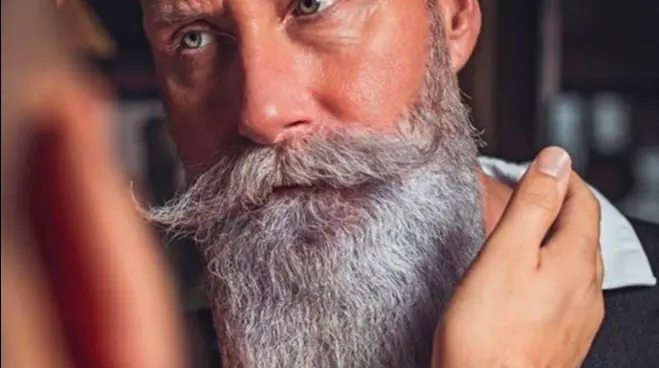
Beard Styles for Fifty Year Old Men
Growing older doesn’t mean giving up on a good beard. If anything, the right beard styles forFifty Year Old Men can do more for your face than they ever did in your twenties or thirties. Grey hair, thinning patches, and a slower growth rate all change the equation, but they don’t rule out a sharp, well-groomed look. This guide walks through which styles actually work at this stage of life, how to pick one based on your face and hair type, and how to keep it looking its best week after week.
Table of Contents
Why Your Beard Changes After Fifty
Facial hair doesn’t behave the same way it did at 25. Testosterone and hair follicle activity shift with age, and that shows up in a few predictable ways.
Slower, patchier growth. Follicles that used to fire on all cylinders start to slow down. Some men notice bald spots along the cheeks or jawline that weren’t there before.
Coarser or wirier texture. Beard hair often gets thicker in strand diameter even as density drops, which is why an older beard can look “wiry” rather than soft.
Greying that starts at the chin and temples. Melanin production in hair follicles fades with age, and facial hair is usually one of the first places grey shows up, often years before head hair catches up.
Slower recovery from trims. A beard after 50 tends to grow back more slowly, so a bad cut takes longer to fix. That’s one more reason to trim conservatively rather than aggressively.
None of this is a problem to fix. It’s just biology, and it means the styling approach that worked at 30 might need a small adjustment now.
How to Choose the Right Beard Style After Fifty
Two things matter more than anything else when picking senior beard styles: your face shape and how your hair actually grows in.
Match the Style to Your Face Shape
A beard is one of the easiest ways to reshape how a face reads at a glance. Softer jawlines benefit from more structure along the chin, while angular faces often look better with rounder, softer beard lines.
| Face Shape | What It Needs | Best Style Direction |
| Round | Length and angles at the chin | Best beard for round face styles with squared-off bottoms |
| Square | Softer, rounded edges | Best beard for square face styles like a rounded full beard |
| Oval | Most styles work | Best beard for oval face options, including shorter cuts |
| Diamond | Fullness at the jaw and chin | Best beard for diamond face styles that soften cheekbones |
| Heart | Width at the jawline | Best beard for heart face styles with fuller sides |
| Oblong | Width, not length | Best beard for oblong face styles kept short at the chin |
| Triangle | Balance at the temples and jaw | Best beard for triangle face styles with fuller cheeks |
Match the Style to Your Hair Type
If your beard has gone patchy, don’t fight it with a style that demands even coverage everywhere. A shorter, tighter style hides gaps far better than a long, loose one. If you’re dealing with real patchiness, it’s worth reading through options built specifically for a patchy beard before committing to a longer look.
If your hair is still fairly dense, you have more freedom, and a fuller style can genuinely work in your favor by adding visual weight to a face that’s lost some of its youthful fullness.
The Best Beard Styles For Fifty Year Old Men
Here are the styles that consistently work well for mature men, based on how they handle grey hair, uneven density, and slower regrowth.
1. The Classic Full Beard
A full, evenly grown beard is one of the most flattering senior beard styles there is. It adds structure to the lower face and works especially well once hair starts thinning at the temples, since it balances out the proportions.
- Maintenance: Moderate — needs trimming every 2–3 weeks
- Best for: Oval, diamond, and heart face shapes
- Difficulty: Easy to maintain, harder to grow if density is uneven
2. The Bandholz
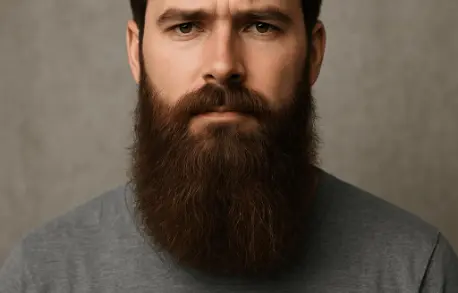
Named after beard-community favorite Eric Bandholz, this is a longer, fuller, all-natural beard with minimal shaping. It suits men who already have strong length and want a distinguished, “elder statesman” look. Full styling details are in our Bandholz beard guide.
- Maintenance: Low — mostly just washing and oiling
- Best for: Oval and oblong faces
- Difficulty: Requires patience and consistent growth
3. The Garibaldi
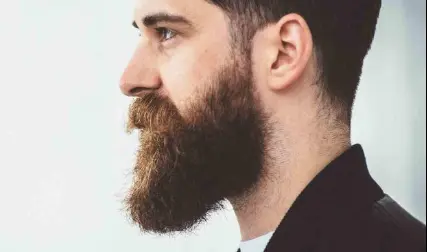
A rounded, full beard with some length, the Garibaldi photographs well on mature faces because the rounded bottom softens harder jaw angles. See our Garibaldi beard breakdown for shaping tips.
- Maintenance: Moderate
- Best for: Square and rectangular faces
- Difficulty: Moderate — needs regular shaping at the edges
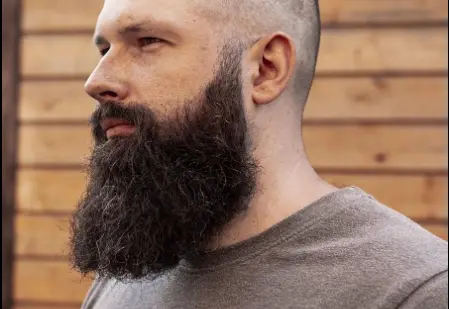
4. The Corporate Beard
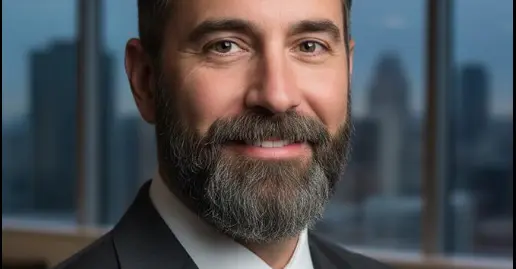
For men who need a boardroom-appropriate look, the corporate beard keeps things short, tight, and clean along the edges. It’s one of the most reliable mature beard looks for professional settings. Check the full corporate beard guide for exact lengths.
- Maintenance: High — needs weekly trims to stay sharp
- Best for: Nearly all face shapes
- Difficulty: Easy to maintain with a trimmer at home
5. The Van Dyke
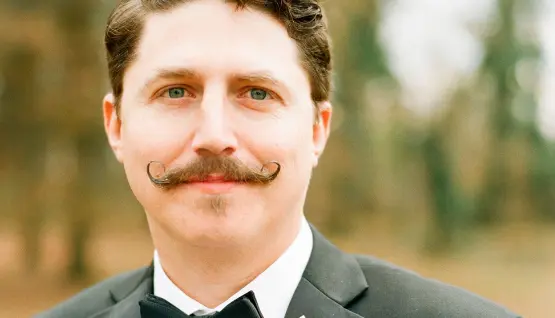
A goatee-and-mustache combination with the cheeks kept clean, the Van Dyke works well for men whose cheek growth has thinned but whose chin hair is still strong. Our Van Dyke beard page covers grooming specifics.
- Maintenance: High — needs daily edging
- Best for: Round and oval faces
- Difficulty: Moderate
6. The Circle Beard
A tighter version of the Van Dyke, the circle beard is a smart choice if cheek hair is patchy but you still want facial hair rather than a clean shave. Full instructions are on our circle beard page.
- Maintenance: High
- Best for: Oval and heart faces
- Difficulty: Moderate, requires steady hands with a trimmer

7. The Balbo
A disconnected mustache and chin patch, the Balbo is a strong option when cheek and jawline hair has thinned significantly but chin growth is still solid. Details are covered in our Balbo beard guide.
- Maintenance: High
- Best for: Round and oblong faces
- Difficulty: Moderate to difficult
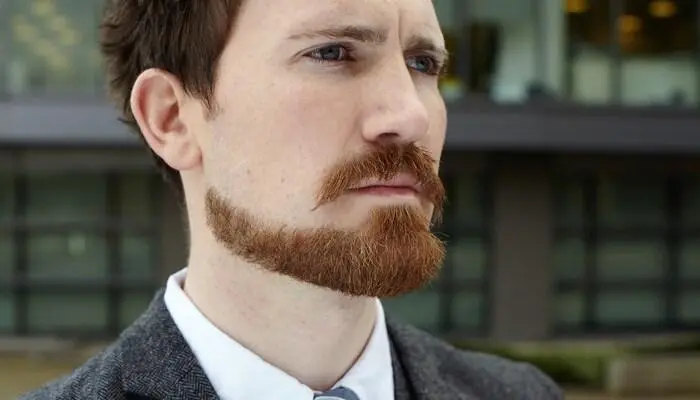
8. Short Boxed Beard
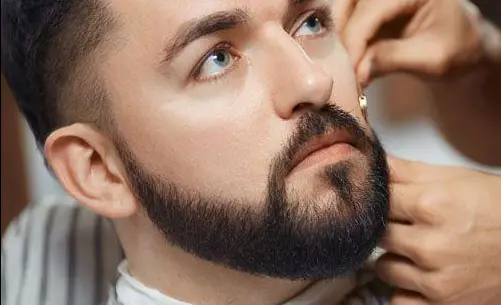
A close, neatly shaped beard that follows the natural jawline, this is one of the easiest styles to keep looking sharp with minimal daily effort, and it’s forgiving toward greying hair since there’s less surface area to manage. Related shaping guidance is available in our medium beard styles resource.
- Maintenance: Low to moderate
- Best for: Most face shapes
- Difficulty: Easy
9. Grey Stubble
Short stubble, left to go naturally grey, reads as rugged rather than unkempt once it’s evenly maintained. It’s a favorite for men who want low upkeep without looking like they’ve skipped grooming entirely. See our stubble beard guide for length settings.
- Maintenance: Low
- Best for: Square and oval faces
- Difficulty: Easy
10. The Extended Goatee
A goatee that connects along the jawline without full cheek coverage, this is a solid middle ground for men with thinning cheek hair who still want more structure than a basic goatee provides. Full detail is available in our extended goatee guide.
- Maintenance: Moderate
- Best for: Oval and diamond faces
- Difficulty: Moderate

Men who are earlier in this stage of life and want a broader comparison of options can also check our dedicated guide to beard styles for men over 40, since many of the same principles carry forward.
White Beard Styles: Working With the Grey
Grey and white beards get an unfair reputation. Handled well, they read as distinguished rather than aging. A few practical points make the difference.
Keep it clean, not just trimmed. White and grey hair shows dirt, product residue, and yellowing far more visibly than dark hair. A beard-specific shampoo two to three times a week keeps white beard styles looking bright instead of dull.
Watch for yellowing. Smoking, certain foods, and some styling products can tint white facial hair yellow over time. A purple-toning beard shampoo, used once a week, corrects this the same way it works on grey head hair.
Decide on dye early, and be honest with yourself about upkeep. Dyeing a beard is possible, but grey grows in fast at the roots, and a two-tone beard looks worse than one that’s fully grey. If you’re not ready to touch it up every 10–14 days, going natural is usually the better call.
Length changes how grey reads. A longer white beard can look distinguished and deliberate. A short, patchy white beard can sometimes look unintentional. If your growth is uneven, leaning toward the shorter, tighter styles above usually looks more polished than trying to grow it out.
Mature Beard Looks: Grooming Tips That Make a Difference
A mature beard look isn’t really about which style you pick. It’s about the finishing details that separate a groomed beard from one that’s just been left alone.
- Define the neckline. An overgrown neckline is one of the fastest ways to make any beard look sloppy, regardless of age. Our beard neckline guide shows exactly where to set the line.
- Clean up the cheek line. The same applies above the jaw. A crisp beard cheek line instantly sharpens the whole look.
- Moisturize the skin underneath. Skin gets drier with age, and a dry, flaky face under a beard is more noticeable than most men realize. A daily beard oil solves two problems at once — it conditions the hair and the skin beneath it.
- Don’t ignore the mustache. A neatly trimmed mustache pulls a lot of weight in an overall mature beard look. If mustache hair has thinned, a handlebar mustache or a simpler chevron mustache style can add character without requiring full density.
Beard Care and Maintenance After 50
Skin and hair care needs shift with age, and a beard care routine that ignores this will always underperform.
A Realistic Daily Routine
- Wash with a beard-specific cleanser two to three times a week — daily washing with regular shampoo strips natural oils that are already in shorter supply.
- Apply beard oil or balm every morning to condition both hair and the skin underneath.
- Brush or comb to train hair growth direction and distribute oil evenly.
- Trim stray hairs as needed rather than waiting for a full trim session.
Products Worth Using
- A sulfate-free beard wash
- A lightweight beard oil with jojoba or argan oil
- A boar-bristle brush for shorter styles
- A wide-tooth comb for longer styles
- A purple-toning shampoo if the beard has gone grey or white
For a deeper breakdown of tools, techniques, and trimming schedules, our full beard care guide covers the basics in more depth, and our how to trim a beard guide walks through the actual technique step by step.
Common Mistakes Older Men Make With Their Beards
Growing it out to hide thinning. Longer hair usually draws more attention to gaps, not less. Shorter, tighter styles almost always look more deliberate on patchy growth.
Skipping the dermatologist when growth suddenly changes. A beard that thins rapidly or develops bald patches can occasionally point to a skin or hormonal issue worth checking, not just normal aging.
Using the same products from twenty years ago. Skin gets drier and more sensitive with age. A harsh, alcohol-heavy aftershave or beard product that worked fine at 30 can cause real irritation now.
Ignoring symmetry. Grey patches often grow in unevenly, and it’s easy to compensate by favoring one side when trimming. Regular mirror checks under good lighting catch this before it becomes obvious to everyone else.
Trying to match an old photo. A style that looked great at 35 doesn’t automatically translate at 55, because the face shape, skin tone, and hair texture have all shifted. It’s worth reassessing every few years rather than defaulting to what used to work.
A Simple Weekly Maintenance Checklist
| Task | Frequency |
| Wash with beard shampoo | 2–3 times per week |
| Apply beard oil | Daily |
| Comb or brush | Daily |
| Trim neckline and cheek line | Every 1–2 weeks |
| Full shape trim | Every 2–4 weeks |
| Toning shampoo (grey/white beards) | Once a week |
When to Talk to a Dermatologist or Barber
Most changes in beard growth after 50 are completely normal. That said, sudden patchy loss, persistent itching, redness, or flaking underneath the beard is worth a visit to a dermatologist rather than guesswork. The American Academy of Dermatology recommends checking in on any sudden or unexplained hair loss, since it can occasionally signal something beyond typical aging. A professional barber is also worth the investment for the first shaping of a new style — getting the initial lines right makes home maintenance far easier afterward.
Final Thoughts
The Beard Styles for Fifty Year Old Men aren’t about chasing a younger look. They’re about working with what’s actually growing in — the grey, the slightly uneven density, the coarser texture — and choosing a shape and routine that makes the most of it. Whether that’s a full Bandholz, a tight corporate beard, or simple grey stubble, the styles that age best are the ones matched honestly to your face and your hair, not the ones borrowed from a younger version of yourself.
FAQs
What is the best beard style for a man over 50? There’s no single best option, but full beards, corporate beards, and short boxed beards tend to work well because they add structure to the face and hide uneven density better than longer, looser styles.
Do grey or white beards look good? Yes. A well-maintained grey or white beard often reads as distinguished rather than aging, especially when it’s kept clean, evenly trimmed, and free of yellowing.
Should I dye my beard after 50? Only if you’re prepared to touch up the roots every 10–14 days. Otherwise, a two-tone beard from regrowth usually looks worse than embracing the natural grey.
How long should a beard be after 50? Shorter to medium lengths generally look more polished on mature faces, especially if growth has become patchy, since less surface area means less visible unevenness.
Do beards make older men look younger or older? A well-groomed beard typically makes a face look more defined and can soften signs of aging like a less pronounced jawline, though an unkempt beard can add years rather than take them away.
How often should I trim my beard after 50? Most styles need a neckline and cheek line touch-up every 1–2 weeks, with a full shape trim every 2–4 weeks depending on how fast your beard grows.
What face shape works best with a full beard? Oval, diamond, and heart-shaped faces typically benefit the most from full beard coverage, since it balances proportions without adding unnecessary width.
Why is my beard growing in patchy at this age? Slower follicle activity and hormonal changes are the most common causes. It’s a normal part of aging, though sudden or worsening patchiness is worth mentioning to a dermatologist.
What beard products should men over 50 use? A sulfate-free beard wash, a lightweight beard oil, and a purple-toning shampoo for grey or white beards cover most of what a mature beard routine needs.
Can older men still grow thick beards? Some can, depending on genetics and hormone levels, but density often decreases somewhat with age. Choosing a style suited to your actual growth pattern matters more than chasing maximum thickness.
Is stubble a good look for men over 50? Yes, especially grey stubble kept at an even length. It reads as low-maintenance and rugged rather than unfinished, as long as the edges are kept clean.
How do I make a thinning beard look fuller? Keeping the length shorter, brushing daily to train the direction of growth, and using a beard oil to add sheen can all help a thinning beard appear denser than it is.
Should I see a dermatologist about beard changes? If growth changes suddenly, or if you notice persistent redness, itching, or bald patches, it’s worth a dermatologist visit rather than assuming it’s simply age-related.
What’s the difference between a mature beard look and a younger style? Mature beard looks tend to favor cleaner lines, moderate length, and lower-maintenance shapes, while younger styles often lean into trendier, more elaborate designs that require more upkeep.
How do I choose a beard style based on my face shape after 50? Match structure to your face’s weak points — add length and angles to round faces, soften square jaws with rounder beard lines, and favor fullness at the jaw for diamond or heart-shaped faces.