
 By Bread Styles Team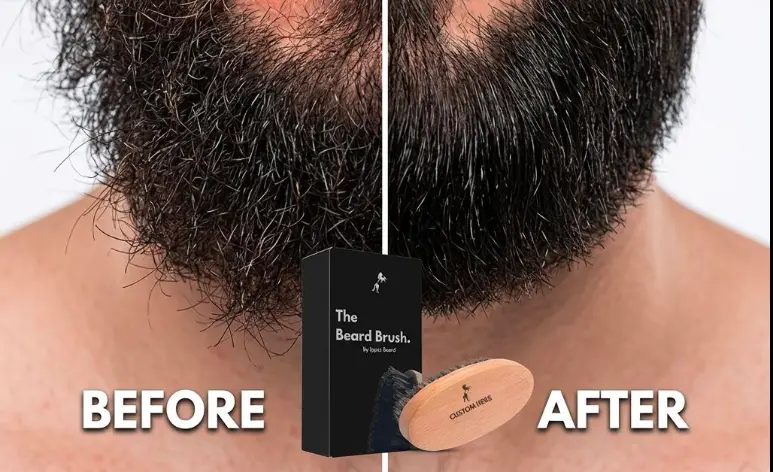
There’s a specific, satisfying sound a boar bristle beard brush makes moving through a well-oiled beard, and the men who use one regularly notice a difference the ones who skip it usually can’t explain. It isn’t styling in the way a comb shapes a line — it’s a slower, cumulative kind of grooming that makes a beard look consistently better without much daily effort.
This guide covers what a beard brush actually does differently from a comb, how boar bristle specifically works, and how to pick and use one correctly based on your beard’s length and texture.
Table of Contents
What a Beard Brush Actually Does
A beard brush distributes natural skin oils and grooming product evenly through facial hair, smooths the surface, and gently exfoliates the skin underneath with repeated use. Where a comb works more precisely on individual sections and tangles, a brush works broadly across the whole beard in a single motion, making it especially effective for surface-level polish and daily maintenance.
The two tools aren’t competitors so much as different stages of the same process — a fact that becomes clearer once you understand how brushing mechanically works.
How Boar Bristle Brushes Work
Natural boar bristles have a slightly rough, layered surface texture that grips and carries oil away from the skin, spreading it evenly along the length of each hair rather than leaving it concentrated near the roots. This mimics what happens naturally on a clean-shaven face, where the skin’s own oil regularly reaches the ends of shorter hair.
That’s the core function of a boar bristle beard brush — it does mechanically what a beard, left completely alone, generally can’t manage on its own once it grows past a certain length. Skin oil simply doesn’t travel that far down longer hair without help.
Beard Brush Benefits
- Even oil and product distribution. A brush spreads oil, balm, or butter through the entire beard rather than leaving it concentrated near the skin after application.
- A smoother, more polished look. Regular brushing reduces the rough, unkempt texture that can show up on longer or coarser beards.
- Mild exfoliation of the skin underneath. The gentle friction from bristles helps lift dead skin cells and light buildup, supporting healthier skin over time.
- Reduced frizz and flyaways. Consistent brushing trains hair to lie flatter and more uniformly.
- A faster daily styling step. A quick brush-through takes less time than detailed combing, making it a practical option for busy mornings.
Types of Beard Brushes
| Type | Material | Best For |
| Boar Bristle | Natural bristles | Oil distribution, polish, most beard types |
| Nylon | Synthetic bristles | Budget-friendly, firmer feel |
| Mixed Bristle | Boar and nylon combined | Coarser beards needing extra structure |
| Palm Brush | Compact, no handle | Everyday use, travel-friendly |
| Handle Brush | Longer handle, larger surface | Longer beards, broader coverage per stroke |
Boar bristle remains the most commonly recommended option among barbers, mainly because of how naturally it handles oil distribution compared to synthetic alternatives.
Beard Brush vs Beard Comb: A Quick Recap
Both tools matter, and most complete routines use them together rather than choosing one over the other. In short: a comb detangles, trains precise direction, and shapes detail; a brush distributes oil, smooths the surface, and polishes the overall look. Our full beard comb guide covers the comb side of this pairing in depth, including material and tooth-spacing choices that complement whatever brush you end up using.
Bristle Stiffness: Soft, Medium, or Firm
| Stiffness | Best For |
| Soft | Fine or thin facial hair, sensitive skin |
| Medium | Most beard types, general daily use |
| Firm | Thick, coarse, or dense beards needing more grip |
Choosing the wrong stiffness is one of the more common reasons men feel like a brush “isn’t doing much.” Soft bristles on a thick, coarse beard often can’t penetrate deeply enough to matter, while firm bristles on fine hair can feel unnecessarily harsh against the skin.
Choosing the Best Beard Brush for Your Beard
- Short beards or stubble: A soft-to-medium brush works fine, mainly for light polish rather than heavy oil distribution.
- Medium to long beards: A medium or firm boar bristle brush handles the greater surface area more effectively, particularly for a fuller long beard styles look.
- Coarse or thick hair: A firm-bristle or mixed brush provides the grip needed to actually move through denser growth — see our thick beard styles guide for complementary shaping advice.
- Curly hair: A medium boar bristle brush helps smooth frizz without over-flattening natural curl pattern; our curly beard styles guide covers additional texture management.
- Sensitive skin: A soft-bristle option reduces the risk of irritation from repeated daily contact.
How to Use a Beard Brush Correctly
- Apply oil, balm, or butter first. A brush works best distributing product that’s already on the beard, not applying it from scratch.
- Start at the skin and brush outward. This mirrors the natural direction oil would travel on its own, just accelerated.
- Use short, consistent strokes. Long, rushed strokes are less effective at actually working oil through denser sections.
- Brush in the direction you want hair to lie. Like combing, consistent direction over time trains the beard’s natural pattern.
- Finish with light strokes over the mustache and edges. This smooths the most visible areas last, once the bulk of the beard is done.
- Brush once or twice daily, typically right after applying product in the morning and again in the evening if desired.
Breaking In a New Boar Bristle Beard Brush
New boar bristle brushes often feel stiffer and less effective in the first few uses, since the bristles haven’t yet softened through regular contact with skin oil and grooming product. Most men notice a meaningful improvement in feel and performance within two to three weeks of consistent daily use, as the bristles naturally condition themselves.
Don’t judge a new brush’s effectiveness too quickly. This break-in period is normal and expected, not a sign of a poor-quality product.
Caring for Your Beard Styling Brush
- Clean it every one to two weeks. Tap out loose hair and use a small amount of mild shampoo to remove built-up oil and product residue.
- Let it air dry bristle-side down. This prevents water from pooling at the base and damaging the wood or backing.
- Avoid soaking the wooden handle or base. Excess water exposure can cause warping over time, similar to wooden combs.
- Store away from direct heat. High temperatures can dry out and damage natural bristles faster than normal use would.
Common Mistakes With Beard Brushes
- Using a brush before any oil or balm is applied. This limits what the brush actually has to work with and distribute.
- Choosing the wrong stiffness for your hair type. Mismatched bristle firmness reduces effectiveness regardless of brush quality.
- Brushing too aggressively. Firm, rushed strokes can irritate the skin underneath rather than gently exfoliating it.
- Expecting immediate results from a new boar bristle brush. The break-in period is normal and shouldn’t be mistaken for a low-quality product.
- Never cleaning the brush. Old oil and product buildup reduce performance and can transfer bacteria back into the beard.
Myths About Beard Brushes
- “A brush and a comb do the same thing.” They overlap in purpose but work differently — combs detangle and shape with precision, brushes distribute and polish across the surface.
- “Synthetic bristles work just as well as boar bristle.” Nylon can work for basic smoothing, but it doesn’t replicate the oil-carrying texture of natural boar bristle nearly as effectively.
- “A stiffer brush is always better.” Stiffness should match hair type; a brush too firm for fine or sensitive skin can cause more irritation than benefit.
- “Brushing increases beard growth.” Like combing, brushing conditions and trains existing hair. It has no effect on the rate of new hair growth.
Who Needs a Beard Grooming Brush Most
Men with medium-to-long beards see the clearest benefit, since brushing addresses the oil-distribution gap that becomes more noticeable as length increases. Anyone with coarse or thick facial hair also benefits significantly, since a firm boar bristle brush can work through density that a comb alone might struggle to smooth evenly. Men working toward a fuller, natural look like a Bandholz beard tend to rely on brushing daily to keep volume looking polished rather than unruly.
Men with shorter beards or stubble generally get less benefit, since there’s often not enough length for oil distribution to be a meaningful issue yet. Our stubble beard guide covers grooming priorities more relevant to that stage.
Expert Tips
- Give a new brush at least two to three weeks of consistent use before judging its performance.
- Brush right after applying oil or balm for the most even distribution, rather than treating brushing as a separate, disconnected step.
- Match bristle stiffness to your actual hair type rather than assuming firmer is always more effective.
- Clean your brush regularly — a buildup of old product undermines the entire benefit of using one in the first place.
- Pair brushing with a comb for detail work; brushing handles the overall polish, while a comb handles precision and detangling. Our beard care guide covers how both fit into a complete routine.
A beard brush earns its place in a grooming kit quietly — there’s no single dramatic result, just a beard that consistently looks a little more finished than it would without one. Give it the break-in period it needs, match the bristle to your hair type, and it becomes one of the lowest-effort, highest-payoff tools in the entire routine.
FAQs
What does a beard brush actually do? A beard brush distributes natural skin oils and grooming product evenly through facial hair, smooths the surface, and gently exfoliates the skin underneath, giving the beard a more polished, consistent look.
Why is boar bristle recommended for beard brushes? Boar bristle has a naturally rough, layered texture that grips and carries oil more effectively than synthetic alternatives, closely mimicking how oil naturally spreads on skin.
What’s the difference between a beard brush and a beard comb? A brush works broadly across the beard’s surface to distribute oil and smooth texture, while a comb works more precisely to detangle and shape specific sections or lines.
What stiffness should I choose for a beard brush? Soft bristles suit fine hair or sensitive skin, medium works for most beard types, and firm bristles are best for thick, coarse, or dense facial hair.
How long does it take to break in a boar bristle beard brush? Most men notice improved softness and performance within two to three weeks of consistent daily use, as the bristles naturally condition themselves through contact with oil.
How often should I use a beard grooming brush? Once or twice daily is typical, usually right after applying oil or balm in the morning, with an optional second pass in the evening.
Is a beard brush necessary for short beards or stubble? Not usually. Shorter beards typically don’t have enough length for oil distribution to be a significant issue, so a brush offers less benefit at that stage.
What is the best beard brush for thick or coarse hair? A firm-bristle boar or mixed-bristle brush provides the grip needed to work through denser, coarser growth more effectively than a softer brush.
Can a beard styling brush help with frizz? Yes. Regular brushing trains hair to lie flatter and more uniformly, which noticeably reduces frizz and flyaways over time.
How do I clean a beard brush properly? Tap out loose hair regularly and wash it every one to two weeks with a small amount of mild shampoo, letting it air dry bristle-side down.
Does brushing my beard help it grow faster? No. Brushing conditions and trains existing hair but has no effect on the rate at which new hair grows from the follicle.
Should I use a beard brush before or after applying oil? After. A brush works best distributing product that’s already been applied, rather than trying to apply oil directly with the brush itself.