
 By Bread Styles Team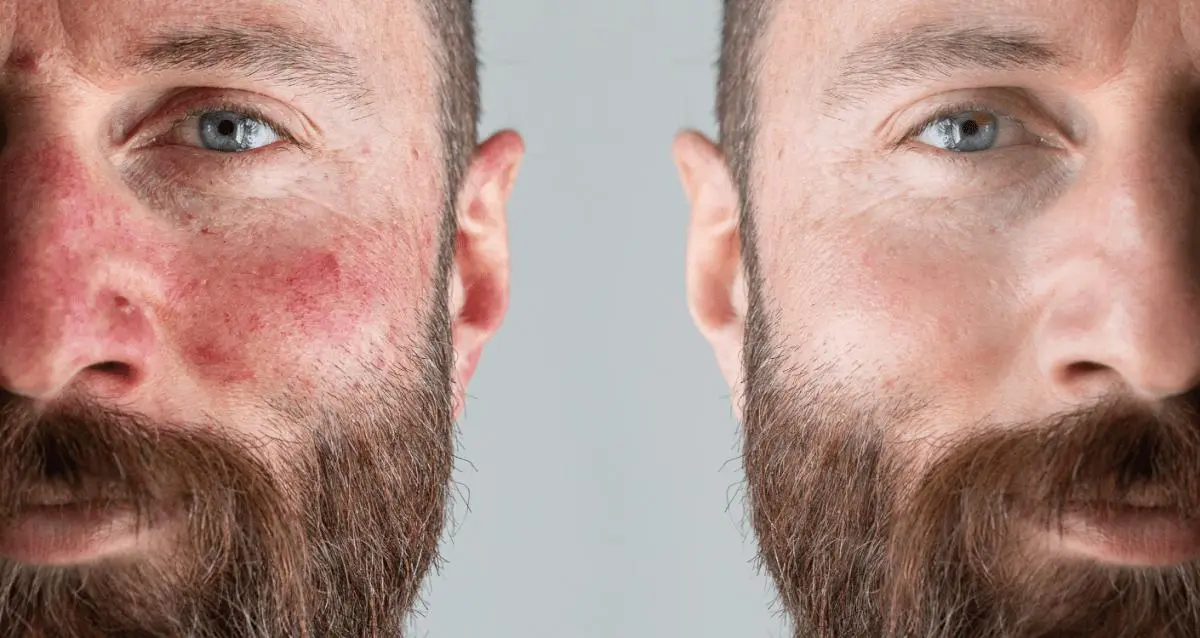
Table of Contents
What Is Beard Acne
Beard acne is breakout of pimples, blackheads, and inflamed bumps that form on the skin underneath facial hair, usually along the jaw, chin, and neck. It develops when oil, sweat, dead skin, and bacteria get trapped at the base of the hair follicle instead of washing away, which is exactly why guys with thicker facial hair notice it more than clean-shaven men.
It’s not a different disease from regular facial acne. It’s the same process — clogged pores and Cutibacterium acnes bacteria feeding on trapped oil — just happening in a spot that’s harder to see, harder to clean, and easier to irritate with a razor or trimmer.
Most men who deal with this assume growing a beard caused their skin to break out. In reality, the beard usually just exposes a hygiene or skincare gap that was already there. Fix the routine underneath the hair, and the breakouts calm down fast.
Beard Acne vs Folliculitis vs Ingrown Hairs
These three get lumped together constantly, and the treatment for each is slightly different, so it’s worth knowing which one you’re actually looking at.
| Condition | What It Looks Like | Main Cause | Best First Step |
| Beard Acne | Whiteheads, blackheads, deep painful bumps | Clogged pores, oil buildup, bacteria | Gentle cleansing, non-comedogenic products |
| Folliculitis | Small red or pus-filled bumps around hair follicles, often itchy | Bacterial or fungal infection of the follicle | Antibacterial wash, clean tools, loose clothing |
| Ingrown Hair | Single raised bump with a visible curled hair, sometimes a dark spot | Trimmed or shaved hair curling back into skin | Warm compress, gentle exfoliation, avoid picking |
If you’re seeing a mix of all three (which is common once a beard has been growing a few weeks), start with the cleansing and exfoliation basics below — they help all three conditions at once. For hairs that keep curling back under the skin specifically, our guide on ingrown beard hair goes deeper into extraction and prevention.
What Causes Acne Under a Beard
Acne under beard hair almost always comes down to one or more of these:
- Trapped oil (sebum). Facial hair holds natural oil against the skin instead of letting it evaporate, which clogs pores faster than on bare skin.
- Sweat and heat. Beards trap warmth and moisture, especially in humid climates or after workouts, creating a breeding ground for bacteria.
- Dead skin buildup. Without regular exfoliation, dead cells mix with oil and block follicles.
- Bacteria from dirty tools. Trimmers, combs, and even pillowcases carry bacteria that transfer straight onto skin already prone to breakouts.
- Heavy or comedogenic products. Thick balms, waxes, or oils with pore-clogging ingredients (like certain mineral oils) sit on the skin and add to the problem.
- Not washing the beard enough — or washing it too much. Both extremes upset the skin barrier and oil balance.
- Ingrown hairs from trimming. Cut hair edges can curl back into the follicle, causing inflammation that looks and behaves like acne.
- Hormonal factors. Testosterone increases oil gland activity, which is part of why beard growth and breakouts often show up around the same age.
- Diet and stress. Neither directly causes acne on its own, but both can make an already reactive complexion worse.
Facial acne on other parts of the face usually shares these same root causes, which is why a guy who breaks out on his cheeks or forehead is more likely to also get it under a growing beard.
Mistakes That Make Beard Pimples Worse
A few habits quietly keep breakouts going even when a man thinks he’s doing everything right:
- Picking or popping bumps. This pushes bacteria deeper and almost guarantees scarring.
- Using body soap on the face. Bar soap and shower gel strip the skin and throw off its pH.
- Trimming without cleaning the trimmer first. Old hair and skin cells sitting in the blades go straight into fresh cuts in the skin.
- Skipping moisturizer because skin feels oily. Dehydrated skin often overproduces oil to compensate, making breakouts worse.
- Letting beard oil sit on unwashed skin. Oil on top of dirt and sweat just adds fuel to clogged pores.
- Sleeping on the same pillowcase for weeks. It becomes a reservoir for oil and bacteria that presses against the face for eight hours a night.
Signs You’re Dealing With Beard Acne
Look out for:
- Small red or skin-colored bumps concentrated along the jawline, chin, or neck
- Whiteheads or blackheads specifically at the base of beard hairs
- Tenderness or mild pain when touching the area
- Bumps that flare up after workouts, hot weather, or a few days without washing
- Occasional pus-filled spots that come and go rather than one single persistent lump
If bumps are widespread, itchy, and look uniform rather than like typical pimples, that pattern leans more toward folliculitis than acne, and an antibacterial approach will work faster.
How to Treat Beard Acne Step by Step
Step 1: Cleanse properly, twice a day. Use a gentle, fragrance-free cleanser or a dedicated beard wash instead of regular shampoo or bar soap. Massage down to the skin, not just through the hair, for at least 30 seconds.
Step 2: Exfoliate two to three times a week. A soft-bristled beard brush or a mild chemical exfoliant with salicylic acid lifts dead skin and unclogs pores without tearing up the follicles.
Step 3: Treat active breakouts with a spot treatment. Benzoyl peroxide or salicylic acid applied directly to inflamed bumps reduces bacteria and swelling within a few days for most people.
Step 4: Rinse and pat dry — don’t rub. Rubbing a towel across inflamed skin spreads bacteria and irritates already sensitive pores.
Step 5: Moisturize with a lightweight, non-comedogenic formula. A beard moisturizer or oil-free lotion keeps the skin barrier healthy without adding pore-clogging weight.
Step 6: Apply beard oil sparingly, only on clean, dry skin. A few drops of a lightweight, non-comedogenic beard oil softens hair and calms flaking, but too much becomes part of the problem rather than the solution.
Step 7: Trim carefully and clean the tools first. Wipe down your beard trimmer with alcohol before every use, and avoid cutting too close to the skin, which increases the odds of ingrown hairs.
Best Products and Ingredients for Beard Skin Problems
| Product Type | What to Look For | Avoid |
| Cleanser | Salicylic acid, gentle sulfate-free surfactants | Heavy fragrance, harsh bar soap |
| Exfoliant | Mild AHA/BHA, soft brush | Rough scrubs with large abrasive particles |
| Spot Treatment | Benzoyl peroxide 2.5–5%, salicylic acid | High-strength benzoyl peroxide on sensitive skin |
| Beard Oil | Jojoba, non-comedogenic carrier oils | Thick mineral oil, heavy synthetic fragrance |
| Moisturizer | Lightweight, oil-free, “non-comedogenic” label | Petroleum-heavy creams |
If your skin also reacts with dryness, flaking, or a rough texture underneath the breakouts, it’s worth reading our guide to beard dandruff, since flaky skin and clogged pores often show up together and respond to a similar routine.
A Daily Routine That Keeps Breakouts Away
Consistency matters more than any single product here. A simple, repeatable beard care routine looks like this:
Morning:
- Rinse with lukewarm water
- Apply a light, non-comedogenic moisturizer
- Comb through with a clean beard comb to distribute natural oils evenly
Evening:
- Cleanse thoroughly to remove sweat, dirt, and pollution from the day
- Exfoliate two to three times weekly
- Apply spot treatment to any active bumps
- Finish with a light layer of beard oil only if skin isn’t currently irritated
Building this into a full beard maintenance habit — rather than treating it as a one-off fix during a breakout — is what actually keeps beard skin problems from coming back month after month.
Managing Beard Acne While Your Beard Is Growing In
The first four to six weeks of growing a beard are when most men notice the worst breakouts, because new hair is pushing through skin that isn’t used to the extra oil and friction yet. During this stretch:
- Resist the urge to over-trim or shape early — constant trimming irritates healing skin
- Keep cleansing consistent even when the beard looks patchy or uneven
- If patches or bald spots are adding to self-consciousness alongside the breakouts, our patchy beard guide covers what’s normal at this stage and what genuinely needs attention
- Anyone actively trying to speed up growth should pair skincare with the tips in how to grow a beard faster, since a healthy follicle grows better hair with fewer irritation-related breakouts
Skin usually adjusts within six to eight weeks once oil production and hygiene habits catch up with the new growth.
When to See a Dermatologist
Most beard acne responds well to consistent at-home care within two to four weeks. It’s time to book an appointment with a dermatologist if:
- Bumps are large, deep, and painful (cystic-type breakouts)
- Nothing improves after a month of consistent cleansing and spot treatment
- You notice scarring or dark marks left behind
- The area is spreading, oozing, or showing signs of infection
The American Academy of Dermatology notes that persistent or worsening acne, especially the cystic type, often responds far better to prescription treatment than to over-the-counter products alone, so there’s no reason to keep fighting it solo for months. A dermatologist can also rule out conditions like fungal folliculitis, which looks similar to acne but needs an antifungal rather than an acne treatment to clear.
Beard Acne Myths Worth Retiring
Myth: Beards cause acne. Reality: Beards don’t cause acne — they trap oil and bacteria that were already there, making existing skin issues more visible.
Myth: Shaving it all off is the only real fix. Reality: Shaving can offer temporary relief, but the underlying oil and bacteria issue returns unless the skincare routine changes too.
Myth: Beard oil causes pimples. Reality: The right amount of the right oil, applied to clean skin, rarely causes problems. Overuse or comedogenic ingredients are the actual culprits.
Myth: You should scrub harder when breakouts flare up. Reality: Aggressive scrubbing damages the skin barrier and usually makes inflammation worse, not better.
Myth: Only teenagers get beard acne. Reality: Men in their 30s, 40s, and beyond deal with it too, especially those with oily skin, heavy sweating, or a habit of skipping facial cleansing.
What to Expect and How Long Clearing It Takes
With a consistent routine, most mild-to-moderate beard acne visibly improves within 2 to 4 weeks and clears substantially within 6 to 8 weeks. Deeper, cystic breakouts take longer and often need a dermatologist’s input to fully resolve. Expect gradual improvement rather than an overnight fix — skin responds to steady habits, not one product used once.
Clearing beard acne isn’t about finding one miracle product. It’s about giving the skin underneath your beard the same attention you’d give bare skin: regular cleansing, light exfoliation, clean tools, and products that don’t clog pores. Stick with the basics for a few weeks before judging whether something is working, and the breakouts along your jaw and neck should settle down well before your beard fills in.
FAQs
1. What causes beard acne? Beard acne is caused by trapped oil, sweat, dead skin, and bacteria building up at the base of hair follicles, often made worse by dirty trimmers, heavy products, or infrequent washing.
2. How do I get rid of acne under my beard? Cleanse twice daily with a gentle face or beard wash, exfoliate a few times a week, use a salicylic acid or benzoyl peroxide spot treatment on active bumps, and keep products lightweight and non-comedogenic.
3. Is beard acne the same as regular facial acne? Yes, it’s the same underlying process as facial acne — clogged pores and bacteria — just occurring in an area that’s harder to clean thoroughly because of the hair covering it.
4. Does growing a beard cause acne? Growing a beard doesn’t directly cause acne, but it traps oil, sweat, and bacteria against the skin, which can expose or worsen breakouts that were already likely to happen.
5. Should I shave off my beard if I have acne? Shaving isn’t necessary for most cases. Improving your cleansing and skincare routine usually clears beard acne without needing to remove the facial hair.
6. Can beard oil cause pimples? Beard oil can contribute to breakouts if it’s heavy, comedogenic, or applied to unwashed skin, but a lightweight oil used correctly on clean skin generally doesn’t cause pimples.
7. How long does it take beard acne to clear up? Mild to moderate beard acne typically improves within 2 to 4 weeks of consistent cleansing and treatment, with more noticeable clearing by 6 to 8 weeks.
8. What’s the difference between beard acne and folliculitis? Beard acne shows up as typical whiteheads, blackheads, and inflamed bumps, while folliculitis tends to look like small, uniform, often itchy red or pus-filled bumps around every hair follicle.
9. Why do I keep breaking out along my jawline under my beard? The jawline traps more oil, sweat, and friction from touching or resting your hand on your face, making it a common hotspot for both beard acne and ingrown hairs.
10. Can diet affect beard acne? Diet doesn’t directly cause beard acne, but high-sugar or high-dairy diets can worsen breakouts in people who are already acne-prone, alongside the usual oil and bacteria factors.
11. Is it okay to pop a pimple under my beard? No, popping pushes bacteria deeper into the skin, increases inflammation, and raises the risk of scarring, so a spot treatment is a safer option.
12. What products should I avoid if I have beard skin problems? Avoid heavy, comedogenic oils, fragranced bar soap, thick petroleum-based balms, and dirty or unwashed trimmers, since all of these can clog pores or introduce bacteria.
13. Can beard acne leave scars? Yes, especially if bumps are picked at or left untreated for a long time. Treating breakouts early and avoiding picking significantly lowers the risk of scarring.
14. Does trimming my beard cause acne? Trimming itself doesn’t cause acne, but cutting too close to the skin or using a dirty trimmer can trigger ingrown hairs and irritation that closely resembles acne.
15. When should I see a dermatologist for beard acne? See a dermatologist if breakouts are deep, painful, spreading, or not improving after about a month of consistent at-home care, since prescription treatment often works faster for stubborn cases.