
 By Bread Styles Team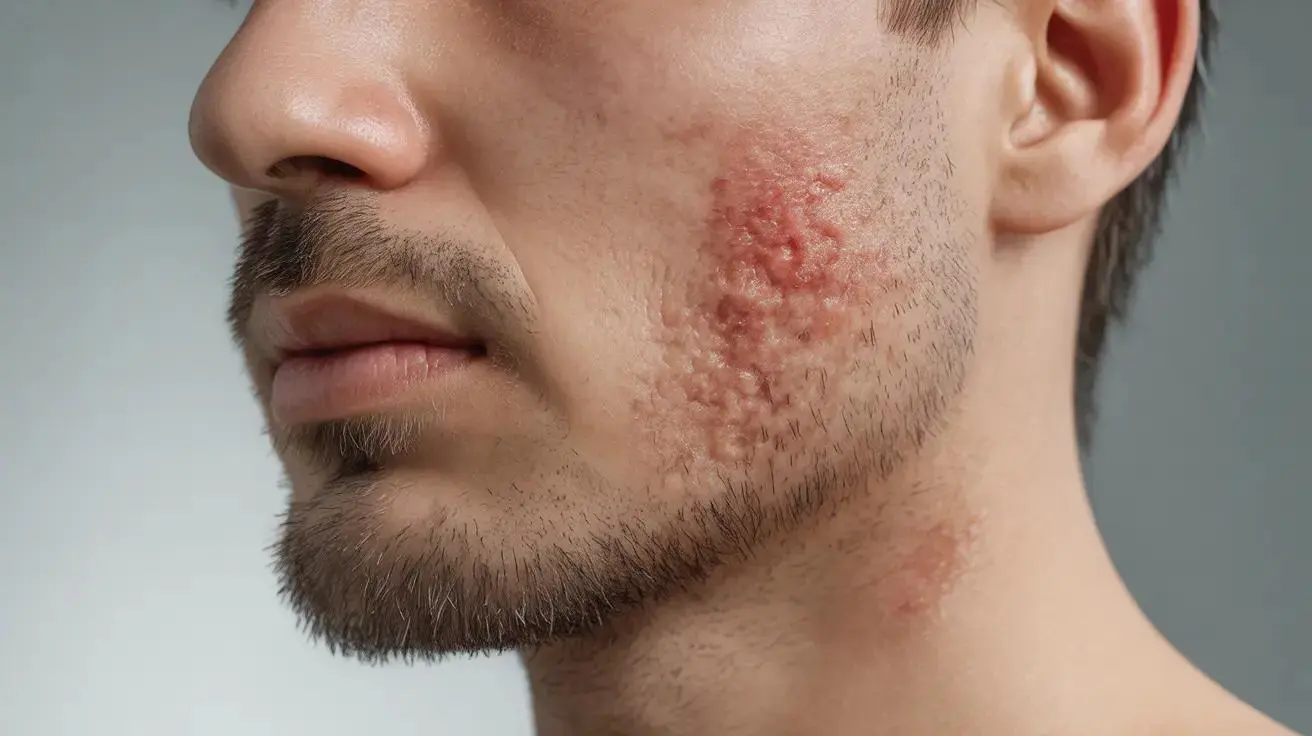
Table of Contents
What Is Beard Rash
Beard rash is redness, itching, bumps, or dry patches that show up on the skin underneath facial hair, most often along the cheeks, jaw, and neck. It happens when the skin barrier gets irritated by friction, trapped sweat, harsh products, dry hair rubbing against the face, or an allergic reaction to something touching the skin.
It’s a catch-all term, really. What one man calls beard rash might be razor burn healing badly, another man’s might be a genuine product allergy, and a third case might just be irritated skin from a wiry new beard that hasn’t softened up yet. Getting the cause right is the fastest way to actually fix it instead of guessing your way through it.
The good news: skin irritation under beard hair is almost always manageable with the right cleansing habits and a few product changes, and it rarely signals anything serious.
Why Your Skin Is Reacting Underneath Your Beard
Several things can trigger beard rash, sometimes on their own and sometimes stacked together:
- Friction from coarse or new hair. Fresh beard growth is often stiff and curls unevenly, rubbing against the skin every time you move your jaw.
- Trapped sweat and heat. Facial hair holds moisture close to the skin, which softens the outer layer and makes it more reactive.
- Harsh cleansers. Regular bar soap or shampoo strips natural oils and disrupts the skin’s protective barrier.
- Product allergies. Fragrances, essential oils, or preservatives in beard oil, balm, or wash can trigger contact dermatitis in sensitive skin.
- Dirty tools and pillowcases. Bacteria buildup from unwashed trimmers or fabric pressed against the face for hours can inflame the skin.
- Dry skin underneath the beard. Flaking, tight-feeling skin is far more prone to redness and irritation than well-hydrated skin.
- Shaving technique on the neckline. Going against the grain or using a dull blade around the beard’s edges is one of the most common triggers of localized rash.
Recognizing which of these applies to you narrows down the fix considerably, which is why the comparison below is worth reading before reaching for a random cream.
Identify Your Type of Beard Rash
| Type | How It Looks | Typical Trigger | Fastest Fix |
| Razor Burn | Red, stinging patches right after shaving or lining up | Dull blade, shaving against the grain | Cool compress, fragrance-free aftercare balm |
| Contact Dermatitis (Beard Allergy) | Red, itchy, sometimes scaly patches wherever a product touched | New oil, balm, wash, or laundry detergent | Stop the product, plain moisturizer, patch test before trying again |
| Folliculitis | Small red or pus-filled bumps around each hair | Bacteria or fungus in the follicle | Antibacterial or antifungal wash, clean tools |
| Heat Rash | Tiny red bumps, often itchy, worse in hot weather | Trapped sweat and heat | Rinse with cool water, lightweight products only |
| Dry Skin Irritation | Flaky, tight, rough patches with mild redness | Under-moisturized skin beneath the beard | Regular gentle moisturizing, less frequent washing |
If bumps are widespread and centered right on individual hairs, that pattern leans toward folliculitis rather than a general rash — our ingrown beard hair guide covers a closely related issue worth ruling out too.
Beard Rash in the First Few Weeks of Growth
Most men hit a rough patch — often literally — somewhere between week two and week four of growing a beard. New hair is short, stiff, and grows in every direction before it settles, which means it constantly pokes and rubs against the skin. This is the most common cause of what people describe as “beard rash” early on, and it’s rarely anything more serious than irritation from new growth.
A few things help during this stretch:
- Keep the beard clean but don’t over-wash it, since that dries out already stressed skin
- Comb it daily with a beard comb to train the hair in one direction, which reduces the poking and rubbing
- Apply a light, fragrance-free moisturizer or a small amount of beard oil once hair is long enough to hold product
- Resist trimming it into shape too early, since constant tool contact on inflamed skin only prolongs the irritation
If patchiness is adding to the frustration alongside the rash, the patchy beard guide explains what’s typical at this stage versus what’s worth addressing separately.
How to Treat Beard Rash at Home
Step 1: Stop everything new. If you recently changed soap, beard oil, balm, laundry detergent, or even a new pillowcase, pause it. Elimination is the single fastest way to confirm or rule out a beard allergy.
Step 2: Cleanse gently, once or twice a day. Switch to a mild, fragrance-free beard wash instead of regular soap. Use lukewarm water — hot water strips oils and worsens redness.
Step 3: Apply a cool compress if skin is stinging or inflamed. A clean, damp cloth held against the area for a few minutes calms acute irritation quickly.
Step 4: Moisturize with something simple. A fragrance-free, hypoallergenic beard moisturizer or plain lotion helps rebuild the skin barrier without adding new irritants.
Step 5: Hold off on beard oil and balm until skin calms down. Fragranced or essential-oil-heavy products can keep irritation going even if they weren’t the original cause.
Step 6: Reintroduce products one at a time. Once skin looks normal for about a week, bring back one product at a time, waiting a few days between each, so you can spot the culprit if the rash returns.
Step 7: Comb, don’t scratch. Running a soft beard brush through the hair relieves the itch-to-scratch urge without breaking the skin.
Products That Help vs Products That Irritate
| Helps | Irritates |
| Fragrance-free cleansers | Bar soap, heavily scented body wash |
| Lightweight, non-comedogenic beard oil | Beard oil loaded with essential oils or synthetic fragrance |
| Hypoallergenic moisturizer | Alcohol-heavy aftershaves and toners |
| Cool or lukewarm water | Hot water rinses |
| Clean, alcohol-wiped trimmer blades | Dirty or old trimmer blades |
Is It a Beard Allergy? How to Find Out
A genuine beard allergy shows up as redness, itching, or small bumps specifically where a product touched the skin, and it usually appears within a day or two of using something new. To confirm it:
- Apply a small amount of the suspected product to a patch of skin on your inner forearm.
- Wait 24–48 hours and check for redness, itching, or bumps.
- If nothing happens there but the face still reacts, the trigger is more likely friction, heat, or a cleansing habit rather than the product itself.
- If the patch test does react, avoid that product and anything with similar ingredients, particularly fragrance oils, essential oils like tea tree or cinnamon, and certain preservatives.
Men with generally sensitive skin or a history of eczema are more prone to beard allergy reactions and usually do better sticking to short, simple ingredient lists across their entire beard care routine rather than rotating through trendy products.
Mistakes That Keep Beard Rash Coming Back
- Layering too many products at once. Oil, balm, and wax stacked together makes it hard to identify what’s actually causing irritation.
- Washing the beard with hot water. It feels good in the moment but strips the skin barrier every time.
- Scratching instead of combing. Scratching breaks skin and invites bacteria, turning simple irritation into something worse.
- Ignoring the neckline. A dull razor or clippers used without guard control along the edge is a frequent, overlooked trigger.
- Sharing towels or pillowcases without washing them often. Bacteria buildup on fabric transfers straight back onto irritated skin.
- Switching products constantly. Every new product is a variable — chasing trends makes it harder to isolate a beard allergy.
How to Prevent Skin Irritation Under Beard for Good
Building consistent beard hygiene habits does more to prevent rash than any single product ever will:
- Cleanse with a gentle, fragrance-free wash most days, more often if you sweat heavily
- Moisturize daily, even once the beard is longer and covers more skin
- Comb or brush daily to reduce friction from ingrown or curling hairs
- Clean trimmers and razors with alcohol before and after every use
- Wash pillowcases and towels weekly at minimum
- Introduce new grooming products one at a time, giving skin a week to adjust before adding another
Treating this as an ongoing part of your beard maintenance rather than something you only think about when skin flares up is what actually keeps beard rash from becoming a recurring problem.
When to See a Dermatologist
Home care resolves most cases of beard rash within one to two weeks. It’s worth booking a dermatologist visit if:
- Redness spreads beyond the beard area or worsens despite stopping all products
- Bumps become filled with pus or feel hot to the touch
- The rash is accompanied by swelling, fever, or intense pain
- Nothing improves after two weeks of consistent, gentle care
The American Academy of Dermatology points out that persistent contact dermatitis often needs a proper patch test panel to identify the exact allergen, which goes well beyond what’s practical to figure out through trial and error at home. A dermatologist can also distinguish beard rash from conditions like fungal folliculitis or seborrheic dermatitis, which need different treatment entirely.
Beard Rash Myths That Need to Go
Myth: Shaving is the only way to fix it. Reality: Most beard rash clears with better cleansing and product choices. Shaving is a fast reset, not the actual solution to the underlying cause.
Myth: Natural products can’t cause a beard allergy. Reality: Essential oils and plant extracts are common allergy triggers precisely because they’re potent, “natural” doesn’t mean non-reactive.
Myth: More beard oil fixes irritation faster. Reality: Overapplying oil on already inflamed skin usually adds more irritation, not less.
Myth: Beard rash means your beard is unhealthy. Reality: It’s almost always a skin issue, not a hair issue — the beard itself is rarely the problem.
Myth: Only new beard growers deal with this. Reality: Established beards get rashes too, usually from product changes, heat, sweat, or dirty tools rather than new hair growth.
How Long Beard Rash Takes to Heal
Mild irritation from friction or heat typically settles within a few days once triggers are removed. A genuine beard allergy usually clears within one to two weeks after the offending product is stopped and simple, fragrance-free care takes over. Folliculitis-type rashes may need antibacterial treatment and can take slightly longer. If a rash hasn’t improved noticeably after two weeks of consistent, gentle beard rash treatment, that’s the point to bring in a dermatologist rather than keep guessing.
Skin irritation under beard hair is common, uncomfortable, and almost always fixable without giving up the beard itself. Slow down on products, stick to gentle cleansing, keep tools clean, and give your skin a week or two to show you what’s actually working before adding anything new.
FAQs
1. What causes beard rash? Beard rash is usually caused by friction from coarse hair, trapped sweat, harsh cleansers, dirty tools, or a reaction to a grooming product touching the skin.
2. How do I treat beard rash at home? Stop new products, switch to a gentle fragrance-free cleanser, apply a cool compress if skin is inflamed, moisturize with something simple, and reintroduce products one at a time once skin calms down.
3. Is beard rash the same as a beard allergy? Not always. A beard allergy is a reaction to a specific product, while beard rash can also come from friction, heat, dirty tools, or dry skin without any allergy involved.
4. How long does beard rash take to go away? Mild irritation often clears within a few days, while a genuine product allergy typically takes one to two weeks to resolve once the trigger is removed.
5. Can beard oil cause a rash? Yes, especially oils with added fragrance or essential oils, which are common triggers for contact dermatitis in sensitive skin.
6. Why does my beard itch and turn red after I shave the edges? This is usually razor burn from a dull blade or shaving against the grain, and it typically settles within a day or two with a cool compress and fragrance-free aftercare.
7. Is skin irritation under beard hair normal when growing a beard? Yes, it’s common during the first two to four weeks of growth as new, stiff hair rubs against the skin before it softens and settles into one direction.
8. How do I know if it’s a beard allergy and not just dry skin? A beard allergy tends to appear specifically where a product touched the skin and shows up within a day or two of using it, while dry skin irritation is more general and improves with moisturizing alone.
9. What ingredients commonly trigger beard rash? Fragrance, essential oils like tea tree or cinnamon, alcohol-based aftershaves, and certain preservatives are the most common triggers behind beard allergy reactions.
10. Should I stop using beard oil if I have a rash? Yes, pause beard oil and other leave-on products until the skin calms down, then reintroduce them one at a time to identify what’s causing the reaction.
11. Can dirty trimmers cause beard rash? Yes, trimmers that haven’t been cleaned can carry bacteria and old skin cells that irritate the skin every time you use them.
12. Does beard rash mean I should shave it all off? Not usually. Most cases resolve with better cleansing, gentler products, and cleaner tools, without needing to remove the beard entirely.
13. What’s the difference between beard rash and folliculitis? Beard rash tends to look like general redness or irritated patches, while folliculitis appears as small, uniform bumps centered directly around individual hair follicles.
14. Can hot water make beard rash worse? Yes, hot water strips natural oils from the skin and beard, which weakens the skin barrier and often worsens redness and irritation.
15. When should I see a doctor about beard rash? See a dermatologist if the rash spreads, becomes painful or pus-filled, or doesn’t improve after about two weeks of consistent, gentle at-home care.