
 By Bread Styles Team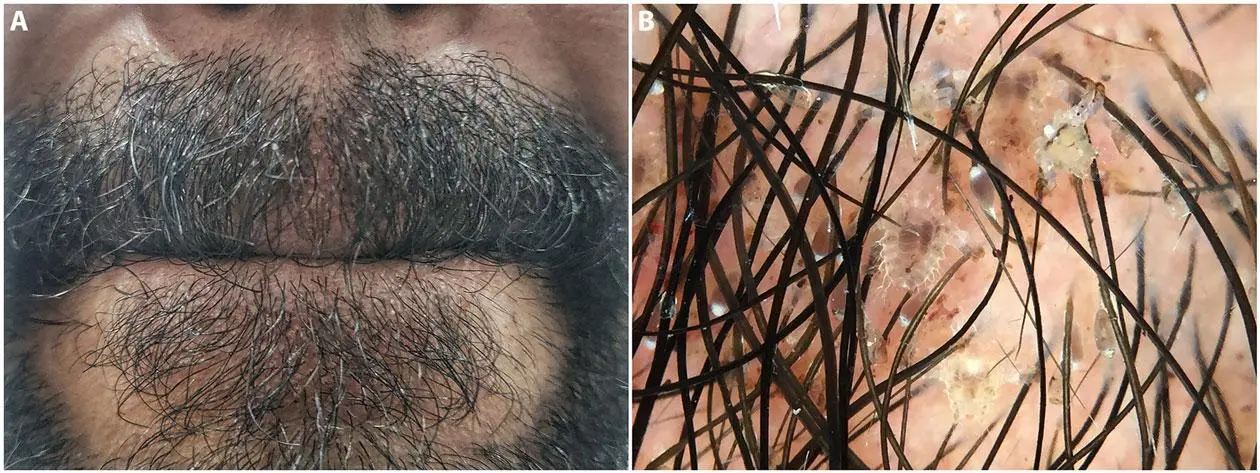
Table of Contents
Do Beard Lice Actually Exist?
Yes, beard lice are real, though they’re far less common than head lice or pubic lice. They belong to the same family as pubic lice (Pthirus pubis) rather than head lice, and they can survive in coarse facial hair under the right conditions. Most men who worry they have beard lice are actually dealing with something else entirely, like dandruff, dry skin flakes, or product residue caught in the hair.
That’s the first thing worth knowing before you panic and reach for a razor: an itchy, irritated beard is common. Actual lice living in it are rare. This guide walks through how to tell the difference, what causes a genuine infestation, and what to do if you’ve confirmed it’s real.
If ongoing itch turns out to be the main issue rather than lice, our beard itching guide covers that separately and in more depth.
Beard Lice vs. Other Beard Look-Alikes
This is where most self-diagnosis goes wrong. Several completely different beard problems get mistaken for lice because they all involve small white or dark specks near the skin.
| Condition | What You’ll See | Does It Move? | Actual Cause |
| Beard lice | Tiny, crab-like insects near the skin, plus tiny eggs (nits) glued to hair shafts | Yes, lice move; nits are stationary and firmly attached | Lice infestation |
| Beard dandruff | Loose white flakes that fall off easily when you scratch or comb | No | Dry skin or a yeast-related skin condition |
| Product buildup | Waxy or crusty residue, usually near where balm or oil was applied | No | Leftover balm, wax, or oil that wasn’t washed out |
| Ingrown beard hair | Small red bumps with a curled hair visible underneath the skin | No | Hair curling back into the skin instead of growing outward |
| Demodex mites | Microscopic, invisible to the naked eye, linked to persistent redness | No (can’t be seen without a microscope) | Naturally occurring skin mites present in most adults |
The clearest tell for actual lice is movement and firmly attached nits. Dandruff flakes brush away easily. Lice eggs don’t — they’re cemented to the hair shaft and need to be slid off deliberately or cut out.
How Beard Lice Spread
Beard lice don’t jump or fly. They spread through direct contact, which is why an actual infestation almost always traces back to one of these:
- Sharing grooming tools — combs, brushes, razors, or clippers used on someone with an active infestation
- Skin-to-skin or beard-to-beard contact with an infected person
- Sharing pillowcases, towels, or hats shortly after use by someone with lice
- Barbershop tools that weren’t properly sanitized between clients
They can’t survive long away from a human host, generally no more than a day or two off the body, so casual contact like a handshake or brief conversation isn’t a realistic transmission route. This is a hygiene and shared-object issue, not something that spreads through the air or through a normal beard-growing process.
Signs and Symptoms of Beard Lice
Quick answer: the clearest signs of beard lice are persistent itching that doesn’t improve with washing, visible tiny insects near the skin, small egg casings firmly attached to individual hairs, and sometimes small red bites where lice have fed.
Watch for this combination rather than any single symptom on its own:
- Itching that’s more intense and more localized than typical dry-skin itch
- Small reddish or bluish bite marks on the skin under the beard
- Visible movement — actual lice are about the size of a sesame seed and pale to grayish-brown
- Nits (eggs) that look like tiny grains attached close to the skin, not loose flakes that fall away
- Skin irritation concentrated in specific patches rather than spread evenly across the whole beard
One symptom alone, especially just itching, is far more likely to be dryness, product buildup, or beard rash than an actual infestation.
How to Check Your Own Beard for Lice
You don’t need special equipment for this. A fine-toothed comb and good lighting are enough to get a reliable answer.
Step 1: Wash and dry your beard first. This clears away loose flaking and buildup so you’re not confusing debris with lice.
Step 2: Comb through in small sections under bright light, ideally natural daylight or a strong bathroom light rather than dim lighting.
Step 3: Look at what collects on the comb. Loose white flakes that crumble easily are dandruff. Small oval specks that stay firmly attached to individual hairs, especially close to the skin, are more consistent with nits.
Step 4: Check for movement. Lice themselves are visible without magnification, roughly 1.5-2mm long, and will move when disturbed. A magnifying glass helps confirm this if you’re unsure.
Step 5: Check close contacts. If you share a bed, towels, or grooming tools with someone else, it’s worth having them check too, since lice spread through direct and shared-object contact rather than staying contained to one person.
If after this check you’re only finding loose flakes with no movement and no attached nits, you’re very likely dealing with dandruff or dryness rather than lice, and the beard dandruff guide is the better next stop.
Beard Lice Treatment: Step by Step
If you’ve confirmed an actual infestation, here’s the order that works, starting with the least aggressive option.
Step 1: Use a medicated treatment made for lice. Over-the-counter pediculicide treatments, the same type used for head lice or pubic lice, are generally effective on beard lice too. Follow the packaging instructions exactly, including timing — leaving a treatment on too short a time is the most common reason it fails.
Step 2: Comb through with a fine-toothed nit comb after treatment. This physically removes eggs and any remaining lice that the treatment didn’t kill. Do this over a light-colored towel or sink so you can see what’s coming out.
Step 3: Repeat after 7-9 days. Most lice treatments don’t reliably kill eggs, so a second round timed to the hatching cycle catches anything that survived the first treatment.
Step 4: Wash everything that touched your face. Pillowcases, towels, hats, and any grooming tools need a hot wash or, for tools, a thorough disinfect. Lice can’t survive long off the body, but a few days is enough time to reinfest if items aren’t cleaned.
Step 5: In stubborn or repeat cases, see a doctor or pharmacist. Persistent infestations sometimes need a prescription-strength treatment, particularly if over-the-counter options haven’t worked after two full treatment cycles.
What not to do: shaving the beard off is not required and won’t necessarily solve the problem faster than proper treatment, since nits can remain viable on very short hair. It’s a personal choice, not a medical necessity, if you’re following the treatment steps correctly.
Products That Help vs. Products to Avoid
| Category | Helpful Options | Avoid |
| Treatment | Pediculicide shampoos/lotions made for lice, fine-toothed nit combs | Regular shampoo alone (won’t kill lice or remove nits) |
| Cleaning tools | Hot water wash for combs and brushes, isopropyl alcohol soak | Sharing any comb, brush, or razor with others |
| Bedding and fabric | Hot machine wash and full dry cycle for pillowcases and towels | Reusing unwashed towels or pillowcases during active treatment |
| Ongoing care | Fragrance-free beard wash, a personal beard comb | Products with heavy oils that make nits harder to spot and remove |
Facial Hair Hygiene Habits That Keep Beards Clean
Good facial hair hygiene is really the core prevention strategy here, and it does double duty against lice, dandruff, and general irritation at the same time.
- Never share grooming tools. This single habit prevents the majority of realistic transmission routes for beard lice.
- Wash your beard 3-4 times a week with a proper beard shampoo, since a clean beard is simply a less hospitable environment for anything trying to live in it.
- Change pillowcases weekly, more often if you sweat heavily or have oily skin.
- Bring your own tools to the barbershop if you’re a regular client somewhere that doesn’t visibly sanitize between customers, or confirm their sanitizing process directly.
- Comb daily to catch anything unusual early rather than only noticing a problem once it’s established. A beard brush used alongside your comb also helps distribute natural oils and keep the beard genuinely clean, not just tidy-looking.
- Dry your beard fully after washing. Trapped moisture makes the beard a friendlier environment for both lice and fungal issues.
For a full daily and weekly structure rather than just the lice-specific habits above, our beard maintenance guide lays out a complete routine.
Common Myths About Beard Lice
Myth: Beard lice mean you’re dirty. Lice spread through contact, not poor hygiene. Plenty of people with spotless routines get lice from shared items or close contact. Hygiene affects how quickly you catch it and how easily it spreads, not whether you’re a “clean” person.
Myth: Any itchy beard means lice. Itching is the single most common beard complaint and is almost always dryness, new growth, or product irritation rather than parasites.
Myth: Lice can jump from person to person. They can’t jump or fly. They spread through direct contact or shared items only.
Myth: You have to shave your beard off to get rid of lice. Proper medicated treatment combined with thorough combing clears an infestation without removing the beard entirely.
Myth: Lice will just go away on their own. Left untreated, an infestation typically persists and can spread to others sharing your space, rather than resolving by itself.
Who’s Most at Risk
Beard lice are more of a possibility, not a given, for certain situations:
- Men who regularly share razors, combs, or towels with others
- Men who visit barbershops with inconsistent tool sanitizing practices
- Close contacts of someone with a confirmed lice infestation, including partners
- Situations involving shared bedding in close-quarters living, such as dormitories or shared housing
For most men with a normal daily routine, decent facial hair hygiene, and no shared grooming tools, beard lice are genuinely rare. The far more common culprits behind an itchy or flaky beard are dryness, dandruff, or minor product buildup.
When to See a Doctor
Reach out to a doctor or pharmacist if:
- Over-the-counter treatment hasn’t worked after two full treatment cycles
- You’re unsure whether what you’re seeing is actually lice versus another skin condition
- The skin under the beard becomes broken, painful, or shows signs of infection from scratching
- You have recurring infestations despite following proper hygiene and treatment steps
A pharmacist can usually confirm the right treatment strength on the spot, and a dermatologist can rule out other conditions if lice have been ruled out but symptoms continue. Reputable sources like the American Academy of Dermatology and the British Association of Dermatologists publish current guidance on lice and related skin conditions if you want a second opinion before treating.
A confirmed case of beard lice is treatable in most people within one to two weeks using standard over-the-counter methods and consistent follow-through on washing shared items. It’s an uncomfortable problem, but not a complicated one once you know what you’re actually dealing with.
FAQs
Can you get lice in your beard? Yes, though it’s uncommon. Beard lice are related to pubic lice rather than head lice and can survive in coarse facial hair, usually spreading through direct contact or shared grooming items.
What do beard lice look like? Adult beard lice are pale to grayish-brown, roughly the size of a sesame seed, and visible without magnification. Eggs (nits) appear as tiny oval specks firmly attached close to the base of individual hairs.
How do you know if you have beard lice or just dandruff? Dandruff flakes are loose and fall away easily when brushed or combed. Lice eggs stay firmly cemented to the hair shaft and require deliberate effort to remove, and actual lice will show visible movement.
What is the best beard lice treatment? Over-the-counter pediculicide treatments made for lice, followed by thorough combing with a fine-toothed nit comb, are the standard first-line treatment. A repeat treatment after 7-9 days catches anything the first round missed.
Do I need to shave my beard if I have lice? No, shaving isn’t required. Proper medicated treatment combined with consistent combing clears an infestation without removing the beard, though it remains a personal choice.
How long can lice survive away from the body? Generally no more than a day or two once away from a human host, which is why washing shared items like pillowcases and towels is an important part of treatment.
Can beard lice spread to other parts of the body? They can potentially spread to other coarse body hair through direct contact, though they’re specifically adapted to thicker hair rather than the fine hair on the scalp.
Is beard lice contagious? Yes, through direct contact or shared items such as combs, razors, towels, or pillowcases. It doesn’t spread through the air or casual contact like conversation.
How often should I wash my beard to avoid lice and keep good facial hair hygiene? Washing 3-4 times a week with a proper beard shampoo keeps the beard clean without stripping natural oils, and forms the foundation of solid facial hair hygiene generally.
Can I catch beard lice from a barber? It’s possible if tools aren’t properly sanitized between clients. Choosing a barbershop with visible sanitizing practices, or bringing your own tools, reduces this risk significantly.
Does a clean beard prevent lice completely? A clean beard reduces the risk somewhat, but lice transmission depends more on direct contact and shared items than on how clean the beard is day to day.
What’s the difference between beard lice and beard mites? Beard lice are visible insects that cause itching and spread through contact. Demodex mites are microscopic, present on most adults’ skin naturally, and are linked to ongoing redness rather than the sudden itch typical of lice.
Are beard parasites common? Genuine beard parasites like lice are uncommon compared to everyday beard issues such as dryness, dandruff, or ingrown hairs, which are responsible for the vast majority of itching and irritation complaints.
How long does it take to get rid of beard lice? Most confirmed cases clear within one to two weeks with proper over-the-counter treatment, a follow-up treatment 7-9 days later, and thorough cleaning of shared items during that window.