 By Bread Styles Team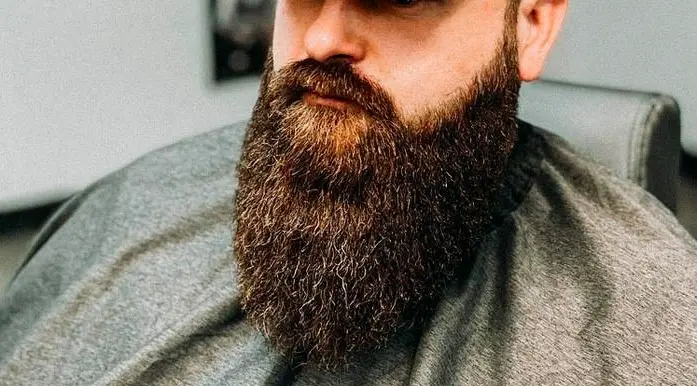
A Garibaldi beard is a full, thick, rounded beard grown out several inches, with a mustache that blends directly into the rest of the growth rather than staying separated. It’s one of the fuller thick beard style options out there, and unlike more sculpted styles, it depends far more on patience and healthy growth than on precise trimming.
This isn’t a style you shape in a weekend. Growing a proper Garibaldi beard takes months of consistent care, and the shaping work that happens afterward is about maintaining a rounded, full silhouette rather than carving sharp lines. This guide walks through where the style comes from, how to grow into it properly, and how to keep it looking intentional once you’re there.
Table of Contents
What Is a Garibaldi Beard
A Garibaldi beard is defined by three main traits: significant length, rounded fullness at the bottom, and a mustache that connects seamlessly into the cheeks and chin without a defined gap. It typically reaches somewhere between four and six inches in length, though a long Garibaldi beard can extend even further for men with the growth rate and patience for it.
The overall silhouette is rounded rather than squared or pointed, which is what separates it visually from styles like the ducktail or boxed beard. Where those styles rely on sharp lines and defined edges, a Garibaldi beard is shaped more like a natural, fuller curve, trimmed just enough to stay tidy without losing its organic shape.
Where the Name Comes From
The style is named after Giuseppe Garibaldi, the 19th-century Italian military and political figure known for his prominent, full beard. His look became associated with a particular kind of thick, rounded facial hair that eventually carried his name into modern grooming vocabulary. It’s one of several historically named beard styles, alongside terms like the Van Dyke, that trace back to real historical figures rather than a specific modern trend.
What Sets It Apart From Other Full Beards
Not every full beard qualifies as a Garibaldi. Here’s what specifically defines this version:
- Rounded bottom shape, rather than squared off or tapered to a point
- Mustache fully integrated into the beard, without a visible part or separation
- Substantial length, generally longer than a standard full beard
- Minimal shaping at the cheeks, allowing natural growth patterns to show through
- A slightly wild, textured finish, rather than the smooth, groomed look of more sculpted styles
A standard full beard can be shaped in almost any direction, short or long, squared or rounded. A Garibaldi beard specifically commits to length and roundness as its defining features.
Who the Garibaldi Beard Suits
Best face shapes: This style works well across most face shapes because of its sheer volume, which naturally balances out sharper or narrower features. It’s particularly effective on longer or narrower faces, since the rounded width at the bottom adds visual balance, similar to the width-focused approach covered in the best beard for oblong face guide. It can also work well on square faces, softening angular jawlines with its rounded fullness.
Best hair types: Thicker, coarser hair holds the fuller shape more naturally, but medium-density hair can also achieve a convincing Garibaldi beard style with enough patience and length. Very fine or sparse hair will struggle to fill out the rounded silhouette the style depends on.
Best age groups: No specific age restriction applies, though men with more developed, consistent growth patterns, typically reached by the mid-to-late twenties for many, will find it easier to achieve the full look than those still in earlier growth stages.
Growth commitment required: This is the biggest factor. A proper Garibaldi beard realistically takes four to six months of consistent, largely untouched growth to reach its full form, which makes it one of the longer-term commitments among popular beard styles.
The Growth Timeline, Month by Month
Growing into a Garibaldi beard is a staged process, and knowing what to expect at each point makes it much easier to stay patient through the less flattering phases.
Weeks 1–4: Growth is uneven and often itchy as new hair pushes through. Resist the urge to shape anything beyond basic neckline cleanup during this phase.
Month 2: Length starts to show more clearly, and you’ll begin to see your natural density pattern across the cheeks, jaw, and chin. This is when patchy areas, if you have them, become most obvious.
Month 3: The beard reaches a length where basic shaping becomes useful, mainly trimming stray flyaways and maintaining the neckline, without touching the overall length or shape yet.
Month 4: Most of the core Garibaldi shape starts to take form naturally. This is a reasonable point to begin light rounding at the bottom edge if the length is getting unruly.
Months 5–6: For a long Garibaldi beard, this is where the real length builds in, and regular conditioning becomes essential to prevent the ends from looking dry or frizzy.
Beyond 6 months: Continued growth is optional at this point. Many men maintain their Garibaldi beard at the 4–6 month length indefinitely, trimming only to maintain shape rather than to control length.
How to Shape It Once It’s Grown In
- Comb the beard downward and outward before doing any trimming, so you can see its true shape and length without compression.
- Trim the neckline first, keeping it roughly one to two finger-widths above the Adam’s apple, since this detail matters even on longer, fuller styles.
- Round the bottom edge gradually, trimming small amounts at a time rather than committing to a dramatic length change in one session.
- Blend the mustache into the cheeks, trimming any hairs that create a visible gap or part between the mustache and the rest of the beard.
- Clean up stray hairs on the cheeks without removing bulk, since the style depends on a fuller, less structured cheek area compared to boxed or corporate styles.
- Check the silhouette from the side, not just from the front, since a Garibaldi beard’s roundness is easiest to judge from a profile angle.
For the underlying trimming techniques used throughout this process, the how to trim a beard guide covers tool handling and technique in more depth.
Tools and Products That Actually Help
- A wide-tooth comb for detangling without pulling on longer growth
- A boar bristle brush to train hair direction and distribute natural oils through a fuller beard
- Beard oil, applied daily, since longer beards are more prone to dryness at the ends
- A leave-in beard conditioner or balm, especially useful for a long Garibaldi beard where the ends need extra moisture
- Beard scissors, used for spot-trimming stray hairs rather than a full trimmer pass, which helps maintain the natural, less structured look
The beard care guide has a full washing and conditioning routine that becomes increasingly important the longer your beard gets.
Garibaldi Beard vs. Other Full Beard Styles
| Style | Length | Shape | Mustache Connection | Maintenance |
| Garibaldi Beard | Long (4–6+ inches) | Rounded | Fully integrated | Moderate, focused on conditioning |
| Standard Full Beard | Short to medium | Varies | Usually connected | Low to moderate |
| Ducktail Beard | Medium to long | Tapered to a point | Connected | Moderate to high, precise shaping |
| Boxed Beard | Short to medium | Squared | Connected with defined lines | High |
If you’re not sure the rounded, longer Garibaldi shape is right for you, the long beard styles guide covers other lengthy options, including the more angular ducktail beard, which takes a very different approach to shaping length.
Growth-Stage Problems and How to Handle Them
The itch phase (weeks 1–3): New hair growth often causes itching as it pushes through the skin. Regular washing and beard oil application usually resolve this within a few weeks.
Patchy transition (month 2): Uneven density can look discouraging at this stage, but many patchy areas fill in with more time. If patches persist well beyond two to three months, the patchy beard guide has more specific guidance on working with uneven growth long-term.
Neckline creep: Without regular neckline maintenance, even a full, natural-looking style like this can start to look unkempt. Keep trimming the neckline throughout the entire growth process, even while leaving the rest of the beard untouched.
Dry, frizzy ends on longer growth: This becomes more common past the four-month mark. Increasing conditioner and oil application frequency usually addresses it within a couple of weeks.
Maintenance Routine
- Wash 2–3 times per week with a proper beard wash to avoid stripping natural oils, which longer beards depend on more than shorter styles.
- Apply beard oil daily, focusing on the ends where dryness shows up first.
- Comb or brush daily to prevent tangling and to train the beard’s natural direction.
- Trim the neckline every 1–2 weeks even during the growing phase.
- Round and clean the overall shape every 3–4 weeks once the beard has reached your target length.
Common Mistakes
- Shaping too early. Trying to define the Garibaldi shape before the beard has enough length almost always results in an uneven final silhouette.
- Neglecting conditioning. Longer beards dry out faster, and skipping oil or balm leads to a frizzy, unkempt look rather than the intentional fullness the style is meant to have.
- Over-trimming the cheeks. This style depends on a naturally fuller cheek area. Trimming too aggressively here makes it look more like a standard full beard than a true Garibaldi.
- Ignoring the neckline for months at a time. Even a beard built around natural fullness needs consistent lower boundary maintenance to look deliberate rather than neglected.
- Giving up during the patchy transition phase. Many men quit around month two, right before density typically starts to even out.
Realistic Expectations
A full, rounded Garibaldi beard realistically takes four to six months of consistent growth and care to reach its complete form, and that timeline depends heavily on individual growth rate and density. According to the American Academy of Dermatology, hair growth speed and thickness are influenced by genetics and hormonal factors, which explains why two men following identical routines can end up with noticeably different results. If your growth is unusually slow or patchy well beyond the typical adjustment period, that’s a reasonable thing to discuss with a dermatologist rather than assuming a product change will solve it.
Frequently Asked Questions
What is a Garibaldi beard? A Garibaldi beard is a full, thick, rounded beard grown to a substantial length, typically four to six inches, with a mustache that blends fully into the rest of the beard without a visible separation.
How long does it take to grow a Garibaldi beard? Most men need four to six months of consistent, largely untouched growth to reach a full Garibaldi beard style, with longer versions taking even more time.
What face shapes suit a Garibaldi beard style? Most face shapes can suit this style due to its volume, but it works particularly well on longer, narrower faces and square faces, where the rounded fullness adds balance to sharper features.
Is a Garibaldi beard high maintenance? It requires consistent conditioning and neckline upkeep rather than frequent shaping, so the maintenance is moderate but focused more on beard health than precise trimming.
What’s the difference between a Garibaldi beard and a regular full beard? A Garibaldi beard is specifically longer and rounded at the bottom, with the mustache fully integrated into the beard, while a standard full beard can be shaped shorter, squared, or tapered in various directions.
Can thin or sparse hair grow a proper Garibaldi beard? It’s more challenging. This style depends on volume to achieve its rounded silhouette, so thicker or medium-density hair typically produces more convincing results than very fine or sparse growth.
How do I stop my Garibaldi beard from looking messy? Regular neckline trimming, daily combing, and consistent oil or balm application keep a Garibaldi beard looking full and intentional rather than unkempt, even without frequent overall shaping.
What products help maintain a long Garibaldi beard? Beard oil, leave-in conditioner or balm, a boar bristle brush, and beard scissors for spot-trimming are the main tools that help maintain length and manage dryness in a longer Garibaldi beard.
Where does the name Garibaldi beard come from? The style is named after Giuseppe Garibaldi, a 19th-century Italian military and political figure known for his prominent, full, rounded beard.
How do I get through the patchy growth phase? Continue consistent care through months one and two, since many patchy areas fill in with additional growth time. Persistent patches beyond three months may need a different styling approach.
Should I trim my beard while growing a Garibaldi style? Only the neckline needs regular trimming during the growth phase. The rest of the beard should be left largely untouched until it reaches enough length to shape properly.
Can a Garibaldi beard work in a professional environment? It can, especially when well-maintained and conditioned, though its length and volume are bolder than most corporate-style beards, so it depends on the specific workplace culture.
What’s the ideal beard length for a Garibaldi style? Typically four to six inches marks the standard Garibaldi length, while a long Garibaldi beard can extend well beyond that for men with the growth rate and patience to maintain it.
Does a Garibaldi beard need a separate mustache trim? Not separately in the traditional sense, since the mustache blends into the rest of the beard. Light trimming for length and cleanliness around the mouth is still necessary for comfort and hygiene.
Is the Garibaldi beard the same as a lumberjack beard? They’re similar in fullness, but a Garibaldi beard specifically emphasizes a rounded shape and integrated mustache, while general “lumberjack” styling is more of an informal term without the same defined shape requirements.