 By Bread Styles Team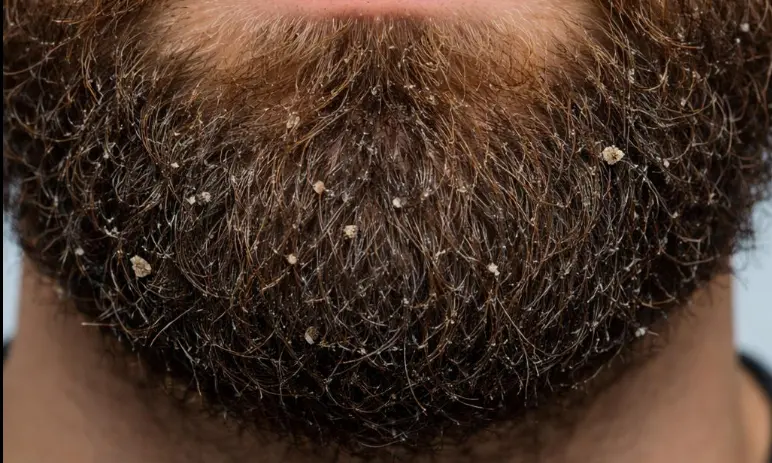
Table of Contents
What Actually Counts as a Dry Beard
A dry beard is facial hair that’s lost enough natural moisture to feel rough, brittle, or wiry, often paired with flaky, itchy, or tight-feeling skin underneath. It’s different from a beard that’s simply coarse by nature — coarse hair can still be well-hydrated, while dry hair, regardless of texture, has lost the moisture balance it needs to feel and look healthy.
Most men notice a dry beard before they notice why it’s happening. Hair that used to lie flat starts sticking out at odd angles. Skin that used to feel fine starts itching by midafternoon. The fix isn’t always the same for every guy, because dry facial hair usually has a specific, identifiable cause behind it rather than being something that just happens with age or beard length.
This guide works through diagnosis first, then treatment — because throwing more oil at a dry beard without knowing why it’s dry often means fighting the same problem in circles. For general upkeep once things are under control, our beard care guide covers the maintenance side.
Quick Self-Test: How Dry Is Your Beard, Really
Answer honestly, then check the results below.
- Does your beard feel rough or wiry within a few hours of applying oil?
- Is there visible flaking at the skin, not just at the hair tips?
- Does your beard feel tight or itchy by midday?
- Are the ends visibly frayed or split?
- Does your beard look dull rather than naturally glossy, even right after washing?
0–1 yes answers: Mild dryness, likely fixable with small routine adjustments. 2–3 yes answers: Moderate dryness, needs a more structured treatment plan. 4–5 yes answers: Significant dryness, worth a closer look at both routine and underlying causes.
What’s Actually Causing Your Dry Beard
Dry beard almost always comes down to one or more of these, and figuring out which ones apply to you matters more than any single product.
External causes:
- Overwashing with regular shampoo, which strips oils faster than they can regenerate
- Hot water, which breaks down the hair’s outer layer over time
- Cold, dry air or constant indoor heating pulling moisture from hair and skin
- Sun exposure without any protective product
- Hard water leaving mineral residue that blocks moisture absorption
Internal causes:
- Low water intake affecting hair and skin hydration from the inside
- A diet low in healthy fats, which support the skin’s natural oil production
- Certain medications with drying side effects
- Underlying skin conditions like eczema or psoriasis affecting the beard area specifically
Structural causes:
- Naturally coarse or curly hair, which holds less moisture along the strand by nature
- Beard length outpacing your skin’s natural oil supply, since oil rarely travels the full length of a longer beard on its own
Dry Beard vs Look-Alike Problems
Not everything that looks like dryness is dryness. This table helps separate similar-looking issues before you commit to a treatment plan.
| Condition | Key Signs | Best First Step |
| Simple dryness | Rough texture, mild flaking, improves with moisturizing | Adjust wash frequency, add oil/balm |
| Beardruff | Flaking concentrated at roots, sometimes itchy | Beard-specific wash plus consistent oil |
| Seborrheic dermatitis | Oily, yellowish flaking, persistent itch, doesn’t improve with moisturizer | See a dermatologist |
| Naturally coarse texture | Hair feels rough but skin underneath is calm, no flaking | Heavier conditioning products, not necessarily a “problem” |
| Split ends | Frayed tips only, rest of hair feels normal | Trim regularly, moisturize ends specifically |
If basic moisturizing doesn’t improve things within a few weeks, it’s worth revisiting this table rather than assuming a stronger product will eventually work.
Severity Levels and What Each One Needs
| Severity | Signs | Action Needed |
| Mild | Slightly rough texture, no flaking, no itch | Add daily oil, reduce wash frequency slightly |
| Moderate | Visible flaking, some itch, dull texture | Structured treatment plan, dedicated wash and moisturizer routine |
| Severe | Persistent itch, redness, significant flaking, breakage | Treatment plan plus dermatologist consultation if no improvement in 2–3 weeks |
The Dry Beard Treatment Plan
This works in phases rather than a single fix, since hair and skin respond to consistency over time, not one application.
Phase 1: Weeks 1–2 (Stabilize)
- Cut washing down to two to three times weekly with a proper beard wash, replacing daily shampoo use entirely.
- Switch to lukewarm water instead of hot for both washing and rinsing.
- Apply beard oil daily to slightly damp skin and hair, focused on reaching the skin, not just the visible hair.
- Pat dry instead of rubbing with a towel.
Phase 2: Weeks 3–4 (Rebuild)
- Add a weekly deep conditioning treatment using a leave-in beard conditioner.
- Introduce beard balm or beard butter if length or coarse texture means oil alone isn’t reaching the ends.
- Trim visibly split or frayed ends, since damaged hair won’t recover on its own regardless of how much product is applied.
Phase 3: Ongoing Maintenance
- Keep the wash frequency and oiling habits consistent rather than reverting to old patterns once things improve.
- Adjust product weight seasonally — heavier in winter, lighter in humid summer months.
- Reassess every few weeks using the self-test above to confirm the improvement is holding.
Treatment Checklist
- [ ] Wash frequency reduced to 2–3 times weekly
- [ ] Lukewarm water only
- [ ] Daily oil applied to skin and hair
- [ ] Weekly deep conditioning added
- [ ] Balm or butter added if needed for length/texture
- [ ] Split ends trimmed
- [ ] Routine reassessed after 3–4 weeks
Products Worth Adding to the Plan
Rather than repeating full product breakdowns here, these guides go deeper into each option depending on where your dryness falls on the severity scale:
- For daily hydration basics, see our beard moisturizer guide
- For targeted, concentrated treatment on more stubborn dryness or damage, our beard serum guide covers formulas built specifically for that
- For building the habits around product use, our beard routine guide lays out daily and weekly steps
Lifestyle Fixes That Support Recovery
Topical products only address part of the problem. These habits support recovery from the inside:
- Increase water intake if you’re not drinking enough throughout the day — dehydration shows up in hair and skin condition over time
- Add healthy fats to your diet, like fatty fish, nuts, and avocado, which support the skin’s natural oil production
- Use a humidifier in dry indoor environments, especially during winter months with constant heating
- Limit long, hot showers, which dry out skin across the whole body, not just the beard area
Preventing Dry Beard From Coming Back
- Stick to two to three washes weekly rather than reverting to daily habits once your beard feels better
- Keep applying oil daily even after dryness clears, since prevention takes less effort than repeated treatment
- Adjust products seasonally instead of waiting for dryness to return before making changes
- Trim regularly to prevent split ends from making the whole beard look and feel rougher than it actually is, following our how to trim a beard guide
Mistakes That Make Dryness Worse
- Washing more often trying to “fix” dryness. This usually strips more oil and worsens the problem.
- Applying oil only to the hair, skipping the skin. Dry, flaky skin underneath won’t improve if product never reaches it.
- Using hot water out of habit. It feels good short-term but breaks down hair structure over time.
- Switching products constantly. This makes it hard to tell what’s actually working and can introduce new irritants.
- Ignoring diet and hydration. Topical treatment alone can only do so much if internal hydration and nutrition are consistently poor.
Myths About Dry Facial Hair
Myth: Dry beard only happens to men with coarse or curly hair. Not true. Straight hair dries out just as easily from overwashing, hot water, or climate — texture affects how noticeable it looks, not whether it happens.
Myth: More oil always fixes dryness faster. Not accurate. Excess oil sits on the surface without absorbing and can leave hair looking greasy rather than genuinely hydrated.
Myth: A dry beard means you need to shave it off and start over. Not necessary in almost all cases. A structured treatment plan over three to four weeks resolves the vast majority of dry beard cases without starting from scratch.
Myth: Dryness is just part of having a beard past a certain length. Not true. Longer beards need more deliberate moisturizing, but dryness isn’t an unavoidable outcome of length on its own.
When It’s Not Just Dryness
Most dry beard cases respond to a consistent routine within three to four weeks. See a dermatologist if you notice:
- Redness, swelling, or bumps that look inflamed rather than simply dry
- Oily, yellowish flaking that doesn’t improve with regular moisturizing
- Persistent itch that disrupts sleep or daily comfort
- Patchy hair loss appearing alongside the dryness
The American Academy of Dermatology and the British Association of Dermatologists both provide reliable, medically reviewed information on skin conditions that go beyond what a moisturizing routine can resolve on its own.
Barber’s Take
Dry beard is one of the most common complaints in the chair, and it’s also one of the fastest to fix once someone actually commits to the routine change rather than just adding another product on top of the same habits. The two biggest levers are almost always wash frequency and water temperature — clients who cut back to two or three washes a week with lukewarm water see improvement faster than clients who just switch oils repeatedly while washing daily with hot water.
Consistency beats intensity here. A moderate routine followed every day outperforms an aggressive one followed for a few days and abandoned.
Final Thoughts
A dry beard is almost always fixable once you know what’s actually driving it — overwashing, hot water, climate, diet, or simply a beard that’s outgrown your current routine. Work through the self-test, match your plan to the right severity level, and give it three to four consistent weeks before expecting major change. Dry beard treatment isn’t about finding one miracle product; it’s about correcting the habits that caused the dryness in the first place.
FAQs
What causes a dry beard? The most common causes are overwashing, hot water, cold or dry climates, hard water, low healthy fat intake, and beard length outpacing natural oil distribution.
How do I know if my beard is actually dry or just naturally coarse? Coarse hair feels rough but the skin underneath stays calm, while a truly dry beard usually comes with flaking, itching, or tightness at the skin level.
How long does it take to fix a dry beard? Most cases show noticeable improvement within two to three weeks of consistent treatment, with fuller recovery typically taking three to four weeks.
Should I wash a dry beard less often? Yes. Cutting back to two or three washes a week with a beard-specific wash, rather than daily washing, is one of the most effective first steps.
Is dry beard the same as beardruff? They’re related but not identical. Beardruff refers specifically to flaking at the roots, while dry beard describes the broader issue of moisture loss in both hair and skin.
Can diet affect how dry my beard gets? Yes. Low water intake and diets lacking healthy fats can contribute to dry, dull hair and skin over time, regardless of the topical routine used.
What’s the best beard oil for dry beard treatment? Look for oils with jojoba, argan, or similar hydrating carrier oils, applied daily to slightly damp skin and hair rather than dry hair alone.
Why does my beard feel dry even though I use oil every day? This often means the oil isn’t reaching the skin, the wash routine is too harsh, or the beard needs a heavier product like balm or butter in addition to oil.
Can a dry beard cause hair loss? Dryness itself doesn’t directly cause hair loss, but it increases breakage, which can make a beard look thinner even without any actual change in follicle activity.
Does climate make dry beard worse? Yes. Cold, dry air and heated indoor environments pull moisture from hair and skin faster, which is why dry beard complaints often increase during winter months.
Is it normal for a beard to get drier as it gets longer? To some extent, yes, since natural oils have to travel further down each strand. This is manageable with heavier conditioning products rather than something to expect as unavoidable.
When should I see a doctor about a dry beard? If flaking looks oily or yellowish, itching disrupts sleep, or you notice redness and inflammation that doesn’t improve with a consistent routine, it’s worth checking with a dermatologist.