 By Bread Styles Team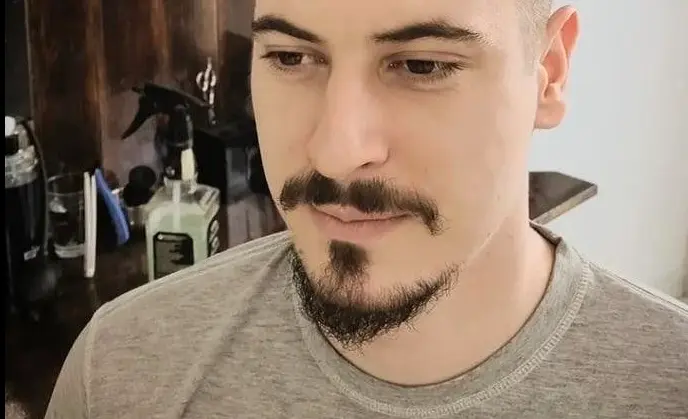
An anchor beard is one of those styles that looks simple in photos but trips people up the moment they try to shape it themselves. The name comes from its shape, a pointed chin beard combined with a connected mustache that traces the jawline, forming an outline that genuinely resembles a ship’s anchor when viewed from the front.
It’s a precise, deliberate style rather than something you grow in passively. Getting an anchor beard right depends on clean lines, the right amount of chin length, and a mustache that connects properly into the jaw outline. This guide covers the full anchor beard style, how it compares to a goatee, and exactly how to trim and maintain it once you’ve got the shape established.
Table of Contents
What Is an Anchor Beard
An anchor beard combines a pointed or slightly rounded chin beard with thin strips of hair running along the jawline that connect up into a full mustache. The overall silhouette traces the jaw, chin, and upper lip in one continuous line, creating the anchor-like shape the style is named after.
Unlike a full beard, the cheeks are left clean or very lightly stubbled, so the design element is entirely in the lower jaw, chin, and mustache. This makes it a defined, sculpted style rather than a natural growth pattern, which is why it belongs in the same general category as the goatee and van dyke rather than alongside fuller styles like a classic full beard.
The Anatomy of the Style
Breaking the anchor beard style down into its components makes it much easier to shape correctly:
- The mustache sits fully connected to the rest of the style, usually kept slightly fuller than the jaw strips for balance.
- The jawline strips run thin along both sides of the jaw, connecting the mustache down to the chin section.
- The chin section is the most prominent part of the design, usually shaped into a point or a soft taper, giving the beard its defining shape.
- The cheeks stay clean-shaven or very close, with no connection between the jaw strips and any cheek hair.
Every one of these elements needs to stay proportional to the others. A jaw strip that’s too thick, or a chin point that’s too narrow, throws off the anchor shape and starts to look more like an undefined goatee.
Who the Anchor Beard Actually Suits
Best face shapes: The anchor beard works particularly well on oval and round faces, since the pointed chin adds definition and length that softer face shapes often lack. It can also work on square faces when the chin point is kept slightly rounder rather than sharply angular. Men with a heart-shaped face tend to get good results too, since the added chin definition complements the jaw-widening approach covered in the best beard for heart face guide.
Best hair types: This style depends heavily on clean lines, so straight to slightly wavy hair holds the jaw strips and chin point more predictably than very curly or coily hair, which can blur the outline faster between trims.
Best age groups: There’s no strict age requirement, but the style tends to suit men with well-established, consistent beard growth rather than very early growth stages, since thin patches along the jaw strips are much more noticeable in a precise design like this.
Growth requirement: You’ll need reasonably even growth along the jawline and chin specifically. Patchy growth in those exact areas is more limiting here than it would be for a fuller style, so it’s worth checking the patchy beard guide if you’re unsure whether your current growth pattern can support the thin strip sections.
Anchor Beard vs. Goatee: The Real Difference
This comparison comes up constantly, and the confusion is understandable since both styles isolate the chin and mustache while keeping the cheeks clear. Here’s where they actually differ.
| Feature | Anchor Beard | Standard Goatee |
| Jawline strips | Yes, thin lines connect chin to mustache | No, typically absent |
| Chin shape | Pointed or tapered | Often rounder or fuller |
| Mustache connection | Fully connected via jaw strips | Connected only at the chin, not the jaw |
| Overall silhouette | Traces the full jaw outline | Contained to the chin and mustache area |
| Styling difficulty | Higher, due to jaw strip precision | Lower to moderate |
In short: a goatee is essentially the mustache-and-chin combination on its own, while an anchor beard style adds the connecting jaw strips that extend the shape outward, creating the distinctive anchor outline. If you’re deciding between the two, the goatee styles guide is a useful comparison point before committing to the extra precision the anchor version requires.
Anchor Beard Variations Worth Knowing
The core anchor shape has a few common variations depending on how bold or subtle you want the final look.
Thin-line anchor: Jaw strips kept very thin and closely trimmed, creating a sharper, more minimal outline. This version suits professional settings well.
Fuller anchor: Slightly thicker jaw strips and a fuller chin section, giving the style more visual weight without losing the defining shape. This works well for men with denser growth who want more presence than the thin-line version offers.
Extended anchor: The jaw strips extend slightly higher, closer to the sideburns, creating a bolder frame around the jaw. This variation overlaps somewhat with a van dyke beard, though the anchor keeps the connecting jaw strips that the van dyke typically leaves out.
How to Grow One From Scratch
- Grow a full beard for 3 to 4 weeks first. You need enough length everywhere to see your actual density pattern before shaving away the cheek sections.
- Identify your jawline growth. Check specifically how full and even your hair grows directly along the jaw, since this determines how thin you can realistically take the strips.
- Mark the outline before shaving anything. Use a grooming pencil to trace where the jaw strips, chin point, and mustache connection will sit.
- Shave the cheeks gradually, working from the outside in, rather than removing all the cheek hair in one pass.
- Refine the chin point last. This is the most visible part of the style, so leave final shaping of the point until the rest of the outline is settled.
- Check both sides in a mirror at eye level to confirm the jaw strips are even before considering the shape finished.
Step-by-Step Anchor Beard Trim
Once the shape is established, here’s how to maintain a clean anchor beard trim going forward:
- Trim the mustache first, keeping it slightly fuller than the jaw strips for visual balance.
- Define the jaw strip width using a detail trimmer, going slowly since these lines are thin and easy to over-trim.
- Shape the chin point using a shorter guard, tapering the length gradually rather than cutting a hard edge.
- Clean up the cheeks completely, since any stray hair here breaks the defined outline the style depends on.
- Finish the jawline edges with a razor for the sharpest possible line, especially if you’re going for the thin-line variation.
- Check symmetry one final time before applying any balm or oil.
For a broader trimming foundation, including tool techniques that apply here, the how to trim a beard guide covers the fundamentals in more depth.
Tools You’ll Need
- A detail trimmer with a T-blade for the thin jawline strips
- A straight razor or single-blade trimmer for cheek clearing and sharp edges
- A grooming pencil for outlining before you start shaving
- A comb to keep the mustache and chin section properly directed while trimming
- A well-lit mirror, ideally with a secondary angle to check both sides evenly
Maintenance Routine
An anchor beard needs more frequent attention than fuller, less structured styles because the thin jaw strips grow out and blur quickly.
- Touch up the jaw strips every 3 to 5 days to keep the outline sharp.
- Trim the chin point and mustache every 1 to 2 weeks, depending on your natural growth rate.
- Clean the cheeks daily or every other day, since stray growth here is the fastest way for the shape to look unintentional.
- Apply a light beard balm to the chin and mustache to keep the hair styled and controlled between trims.
The beard care guide covers washing and conditioning habits that support healthy growth in the areas this style depends on most.
Common Mistakes to Avoid
- Letting the jaw strips get too thick. This blurs the anchor shape and starts to look more like an undefined beard outline than a deliberate style.
- Skipping the outline step. Freehanding the shave without marking the outline first is the most common cause of uneven jaw strips.
- Ignoring the mustache-to-jaw connection. A gap here breaks the continuous line that defines the style.
- Neglecting daily cheek touch-ups. This style requires more frequent cheek clearing than most people expect going in.
- Choosing this style with very patchy jawline growth. Thin strips make any gaps in density far more obvious than a fuller beard would.
Styling Difficulty and Realistic Expectations
The anchor beard sits toward the higher end of the difficulty scale among facial hair styles, mainly because of how much precision the jaw strips and chin point require. It’s not a style you can maintain with occasional, casual trims. Expect to spend more time on upkeep than you would with a corporate beard or standard stubble, and expect the first few attempts at shaping it to take longer than they will once you’ve built up some muscle memory with the trimmer.
Growth speed and jawline density vary from person to person, and according to the American Academy of Dermatology, both are influenced by genetics and hormonal factors. If your jawline growth is inconsistent despite good care, that’s a density issue worth discussing with a dermatologist rather than something a different trimmer or product will necessarily fix.
Frequently Asked Questions
What is an anchor beard? An anchor beard is a facial hair style combining a pointed chin beard, thin connecting strips along the jawline, and a full mustache, forming an outline that resembles a ship’s anchor.
What’s the difference between an anchor beard and a goatee? An anchor beard includes thin jawline strips connecting the chin to the mustache, creating a full outline around the jaw. A standard goatee typically stays contained to the chin and mustache without those connecting strips.
Is an anchor beard hard to maintain? Yes, relatively. The thin jaw strips grow out and blur quickly, so this style needs touch-ups every few days to stay sharp, more frequently than most other facial hair styles.
What face shapes suit an anchor beard style best? Oval and round faces tend to suit the anchor beard particularly well, since the pointed chin adds definition. Square and heart-shaped faces can also work with slight adjustments to the chin shape.
How often should I trim an anchor beard? The jaw strips typically need touch-ups every 3 to 5 days, while the chin point and mustache can go slightly longer, around 1 to 2 weeks, between more thorough trims.
Can I grow an anchor beard with patchy jawline growth? It’s more difficult. The thin strips this style depends on make any gaps in density much more noticeable than they would be with a fuller beard.
What tools do I need for an anchor beard trim? A detail trimmer with a T-blade, a razor for clean edges, a grooming pencil for outlining, and good lighting are the essential tools for shaping and maintaining this style.
Does an anchor beard work with curly hair? It can, but curly or coily hair tends to blur the thin jaw strips faster than straighter hair, which means more frequent touch-ups to keep the outline defined.
Is the anchor beard a good style for beginners? Not typically. Its precision requirements make it more suited to men who already have some experience shaping facial hair with a detail trimmer.
How long does it take to grow into an anchor beard shape? Most men need 3 to 4 weeks of full growth before shaping the anchor outline, since you need enough length everywhere to judge your density pattern accurately first.
Can an anchor beard be combined with a fade? Yes, though it adds complexity. Combining the two requires the fade to be established first, with the anchor’s jaw strips and chin point shaped afterward to keep the overall line clean.
What’s the ideal chin shape for an anchor beard? A pointed or softly tapered chin is standard, though the exact sharpness can be adjusted based on face shape, with rounder faces often suiting a slightly sharper point.
Does an anchor beard suit older men as well as younger men? Yes, there’s no specific age limitation, though consistent, well-established beard growth tends to produce cleaner results than very early or uneven growth stages.
How is an anchor beard different from a van dyke? A van dyke typically features a detached mustache and a separate chin beard, while an anchor beard connects the mustache to the chin through thin jawline strips, creating one continuous outline.
Should I see a barber for my first anchor beard trim? It’s a good idea. A barber can establish the initial outline with precision, which makes it much easier to maintain the shape yourself with regular touch-ups afterward.