 By Bread Styles Team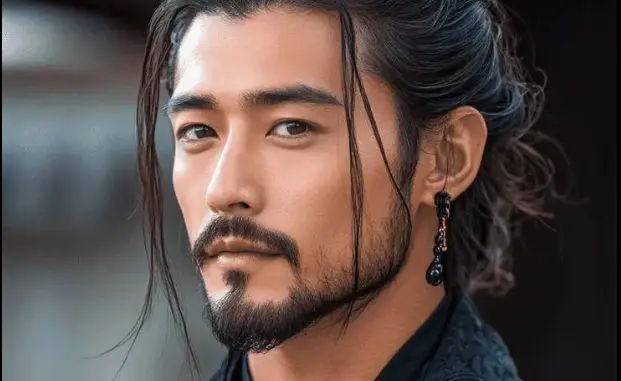
Table of Contents
What Is a Samurai Beard?
A samurai beard is a bold, long facial hair style inspired by the warriors of feudal Japan, built around a full, thick beard paired with a strong mustache and a squared-off or slightly rounded chin. Unlike a Western full beard, the samurai beard usually keeps tighter cheek lines and a more disciplined shape, giving it a fierce but controlled look rather than a wild, untamed one.
Most men searching for this style aren’t chasing historical accuracy. They want the same effect: commanding, masculine, and a little intimidating, without looking unkempt. That balance between length and structure is what separates a genuine samurai beard style from a beard that’s simply been left to grow.
If you’re already growing a beard and comparing directions to take it, our guide to types of beard styles is a good place to see where this one fits among the others.
The History Behind the Samurai Beard
Facial hair carried real weight in feudal Japan. Samurai wore beards and mustaches as a mark of maturity, rank, and battlefield experience. A young, clean-faced warrior was seen differently from an older one with a thick, well-kept beard — the hair itself signaled years survived and status earned.
Samurai facial hair wasn’t left to grow freely, either. Warriors trimmed and shaped their beards with the same discipline they applied to their armor and swordsmanship. Some samurai even wore hannya or menpo masks fitted with fake mustaches and beards to look more ferocious in combat, which tells you how much cultural value was placed on a strong jawline and full facial hair.
That combination — length with intention, not length for its own sake — is the real DNA of the modern samurai-beard style, and it’s the reason this look still reads as powerful today rather than dated.
6 Popular Samurai Beard Styles You Can Try
There isn’t one single “correct” samurai beard. Below are the variations men actually ask barbers for, ranked from most traditional to most modern.
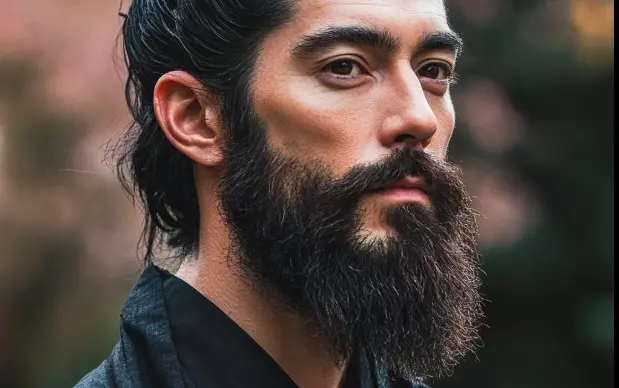
1. The Full Samurai Beard
Thick coverage on the cheeks, jaw, and chin, kept at a uniform medium-to-long length with a defined neckline. This is the closest modern take on classic samurai facial hair and works best on men with naturally dense growth.
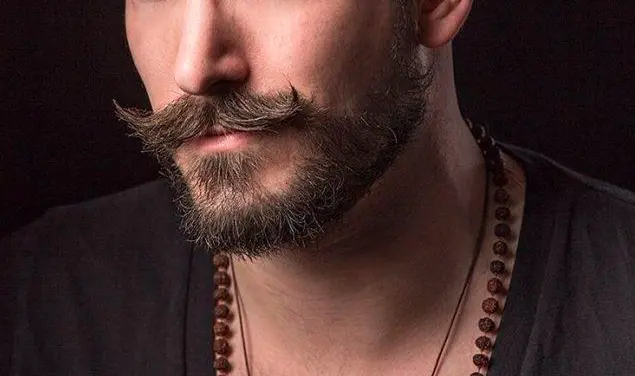
2. Samurai Mustache and Beard Combo
A heavier, slightly extended mustache that connects into the beard, echoing the mustache-forward look many samurai actually wore. It adds width to the lower face and pairs well with a shaved or very short head.
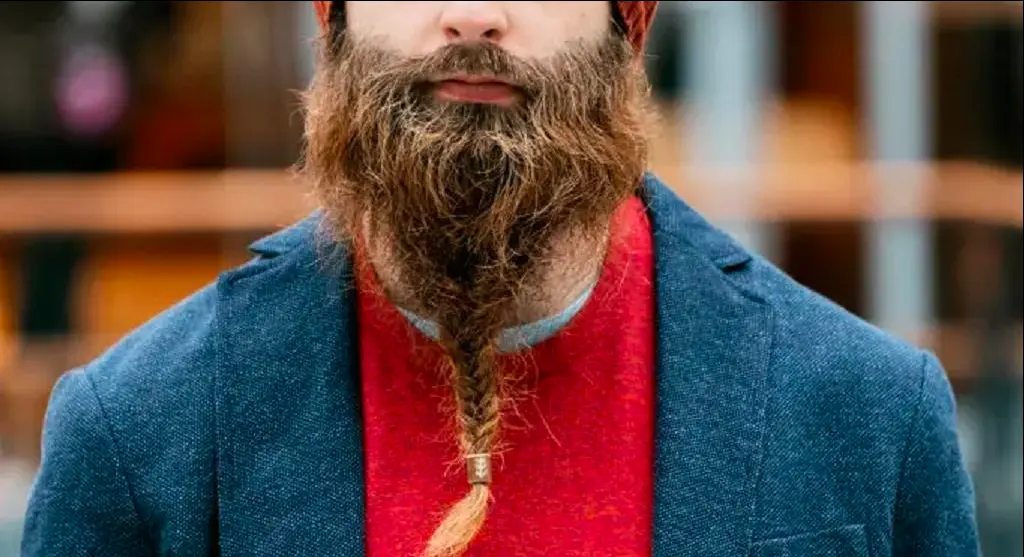
3. Braided Samurai Beard
The chin section is grown longer and finished with one or two small braids, sometimes secured with a bead or a leather cord. This is the most dramatic version of the style and needs genuine length to look intentional rather than gimmicky. It shares some DNA with viking beard styles, which use similar braiding techniques for a warrior-inspired finish.
4. Short Samurai Beard
A shorter, denser take that keeps the squared shape and strong mustache but trims the length down to two or three centimetres. Good for workplaces where a full-length beard isn’t practical.

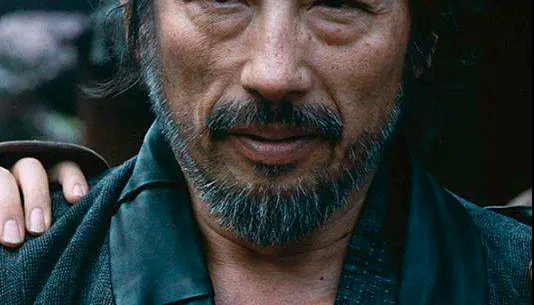
5. Rounded Samurai Beard
Instead of sharp, geometric lines, the jaw and chin are softened into a rounder shape. This version suits men whose natural growth pattern doesn’t sit well with hard angles.
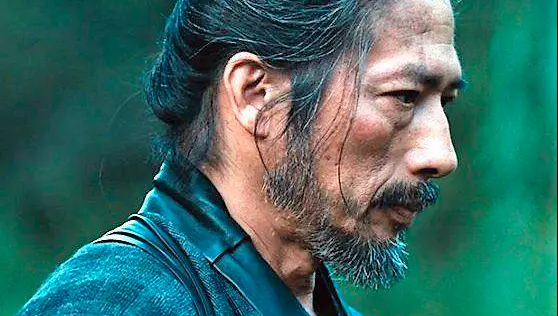
6. Extended Samurai Beard
A longer variation that pushes past chest-length in some cases, closer to what you’ll find in our long beard styles guide, but still kept narrower at the cheeks to preserve the samurai silhouette.
Who Can Actually Pull Off a Samurai Beard?
A samurai beard rewards patience and works better on some faces and hair types than others. Here’s an honest breakdown.
Best Face Shapes
| Face Shape | Suitability | Why |
| Square | Excellent | Strong jaw matches the beard’s structured lines |
| Oval | Excellent | Balanced proportions handle length well |
| Long/Oblong | Good, with adjustments | Keep width at the cheeks so the face doesn’t look stretched |
| Round | Moderate | A squared samurai shape helps add definition — see our <a href=”https://beardstyles.net/best-beard-for-round-face/”>best beard for round face</a> guide |
| Diamond | Good | The width of the beard softens narrow cheekbones |
If you’re unsure where you land, our breakdowns for oval face beards and square face beards go deeper into shaping decisions for these two shapes specifically.
Best Hair Types
- Thick, coarse hair – holds shape well and looks fullest in this style; check our thick beard styles guide for extra shaping ideas
- Medium density hair – works fine but needs longer growth time to look full
- Fine or patchy hair – can still work with the shorter or rounded variations, though a full braided samurai beard will be harder to achieve
Best Age Groups
This style isn’t limited to younger men. In fact, a fuller samurai beard often looks more authoritative on men in their 30s, 40s, and beyond, since natural greying adds to the “seasoned warrior” effect. If that’s you, our guide to beard styles for men over 40 and our grey beard styles page both cover how to work with salt-and-pepper growth in a structured style like this.
How to Grow a Samurai Beard (Step-by-Step Timeline)
Growing a samurai beard is a commitment, not a weekend project. Here’s a realistic timeline based on average facial hair growth rates (roughly half an inch per month for most men).
- Weeks 1–4: Stop trimming completely. Let the beard grow without shaping. Expect patchiness — this is normal and temporary.
- Weeks 4–8: Define the neckline only. Keep the cheek and chin growth untouched, but tidy the neck so it doesn’t look messy.
- Weeks 8–12: Shape the cheek line. Once growth has filled in, decide how high or low you want the cheek line and clean it up carefully.
- Months 3–5: Build length and structure. This is when the beard starts to resemble a true samurai beard style — dense, squared, and long enough to shape.
- Month 5 onward: Maintain and refine. Trim only for shape and split ends, not to shorten. If you want braids, you’ll usually need at least 4–6 months of chin growth.
Expert tip: Resist the urge to trim heavily in the first two months. Most men give up on long beard styles during this “awkward stage” when patience alone would have solved the problem.
How to Style and Maintain a Samurai Beard
A samurai beard looks intentional because it’s maintained, not because it’s left alone. Follow this routine:
- Wash 2–3 times a week with a dedicated beard wash, not regular shampoo, which strips natural oils
- Apply beard oil daily to the skin underneath and the hair itself to prevent dryness and itching
- Use beard balm for hold if you’re shaping a squared jawline or working with braids
- Comb daily with a wide-tooth wooden comb to train the hair and prevent tangling
- Trim the neckline every 1–2 weeks to keep the line sharp without shortening overall length
- Trim split ends monthly using sharp shears, not scissors from a household drawer
For the technical side of trimming lines and lengths, our full how to trim a beard guide walks through the tools and technique in more detail, and our beard care guide covers washing and conditioning routines for longer growth specifically.
Samurai Beard vs Other Long Beard Styles
| Style | Length | Shape | Best For |
| Samurai Beard | Medium to long | Squared, structured cheek lines | Sharp, warrior-inspired look |
| Viking Beard | Long | Fuller, often braided, less symmetry | Rugged, untamed aesthetic |
| Bandholz Beard | Very long | No shaping, natural growth | Men who want zero maintenance shaping |
| Garibaldi Beard | Long | Rounded, wide, bushy | Softer, fuller faces |
| Van Dyke Beard | Short to medium | Disconnected mustache and goatee | Minimal, precise facial hair |
The key difference is discipline. A samurai beard uses length the same way a viking or Bandholz beard does, but it never gives up structure — the cheek lines and mustache stay deliberately shaped even as the chin grows long.
Common Mistakes Men Make With a Samurai Beard
- Skipping the neckline for months. A long beard with no defined neckline reads as unkempt, not warrior-like.
- Trimming too early. Cutting length in month two undoes the progress needed for a true samurai beard style.
- Ignoring the mustache. The mustache carries a lot of the samurai look; a thin or neglected mustache weakens the whole style.
- Using regular shampoo. It dries out longer facial hair and causes breakage, which slows growth over time.
- Copying a photo exactly. Face shape and hair density vary — the specific proportions need adjusting for your own jawline.
Barber Tips for a Sharper Samurai Beard
- Trim in natural light and check both profiles in a mirror before committing to a length change
- Keep the cheek line slightly above your natural growth line — it’s easier to lower it later than to wait for it to fill back in
- If you’re combining this with a fresh haircut, ask your barber about beard fade styles to connect the beard cleanly into the hairline
- Dry-comb before every trim; wet hair looks longer than it is and leads to over-cutting
- Book a professional shape-up every 6–8 weeks even if you’re maintaining length yourself day to day
Myths About the Samurai Beard, Debunked
Myth: You need Asian ancestry to wear a samurai beard. The style is inspired by historical Japanese facial hair, but it’s a grooming category open to any man whose hair growth supports it — the same way a Viking beard isn’t limited to Scandinavian men.
Myth: Longer always looks better. Past a certain length, an unshaped beard loses the structured look that defines the samurai beard style and starts to resemble a generic long beard instead.
Myth: You can’t have a samurai beard with patchy growth. A shorter or rounded variation can still work with moderate patchiness. If patchiness is a real concern, our patchy beard guide has specific fixes.
Myth: Beard oil makes hair grow faster. It doesn’t increase growth rate — it improves skin health and hair condition, which prevents breakage and makes existing growth look fuller.
Products That Actually Help
You don’t need a shelf of products, but three items make a real difference for a samurai beard:
- Beard oil with jojoba or argan oil — softens hair and calms the skin underneath, especially through months two and three
- A boar-bristle or wide-tooth wooden comb — trains hair growth direction, which matters more on longer, structured styles than shorter ones
- Sharp, dedicated beard shears — household scissors crush the hair shaft instead of cutting cleanly, leading to split ends over time
Dermatologists at the American Academy of Dermatology recommend keeping the skin underneath a longer beard clean and moisturized to avoid dryness and irritation, which becomes more important the longer you grow the style out.
Final Thoughts
A samurai beard isn’t just a longer beard — it’s a longer beard with structure, discipline, and a mustache that pulls its weight. Get the neckline and cheek lines right early, be patient through the awkward growth phase, and the result is one of the more commanding long beard styles a man can wear. Whether you go for the full traditional shape, a braided chin, or a shorter modern take, the samurai beard rewards consistency far more than any single product or trick.
FAQs
What exactly is a samurai beard? A samurai beard is a full, structured facial hair style inspired by Japanese warriors, combining a strong mustache with a squared or rounded beard shape that’s longer than a standard full beard but still deliberately maintained.
How long does it take to grow a full samurai beard? Most men need 4 to 6 months of consistent growth to reach a length and density that reads as a proper samurai beard, depending on natural growth rate and hair density.
Do I need Japanese ancestry to wear a samurai beard style? No. It’s a grooming style inspired by history, not a cultural requirement — anyone with suitable facial hair growth can wear it.
What face shape suits a samurai beard best? Square and oval face shapes suit it most naturally, though round and diamond face shapes can work well with a squared or rounded version of the style.
Can I get a samurai-beard with patchy facial hair? Yes, particularly with the shorter or rounded variations. Braided or full-length versions need denser growth to look intentional.
How do I maintain the neckline on a long beard? Trim the neckline every one to two weeks with a trimmer set to a low guard, following the natural curve just above your Adam’s apple.
What’s the difference between a samurai-beard and a viking beard? A samurai-beard keeps tighter, more structured cheek lines, while a viking beard tends to be fuller and less symmetrical, often with more emphasis on braiding throughout.
Should I trim my samurai-beard while it’s growing out? Only trim the neckline and stray hairs during the first two to three months. Avoid shortening the overall length until you’ve reached your target growth.
Does beard oil help a samurai-beard grow faster? No, but it keeps the skin and hair healthy, which reduces breakage and helps existing growth look fuller and more even.
Can older men wear a samurai-beard? Yes, and it often looks more authoritative on older men, since a fuller, greying beard adds to the mature, seasoned appearance the style is known for.
What tools do I need to maintain a samurai-beard? A wide-tooth comb, beard oil, beard balm for shaping, and a pair of sharp beard shears cover most of the maintenance a longer, structured style needs.
Is a samurai-beard high maintenance? It requires more upkeep than short styles because of the shaping involved, but daily maintenance is minimal — mainly combing, oiling, and periodic neckline trims.
Can I braid a samurai beard? Yes, once the chin hair reaches sufficient length, usually after four to six months, small braids can be added for a more traditional, warrior-inspired look.
What’s the best mustache style to pair with a samurai-beard? A fuller, slightly extended mustache that connects into the beard works best, since the mustache carries much of the style’s visual weight.
How do I know if a samurai-beard suits me? If you have square, oval, or diamond facial features and access to at least four to five months of uninterrupted growth, a samurai-beard is very likely to suit you.