 By Bread Styles Team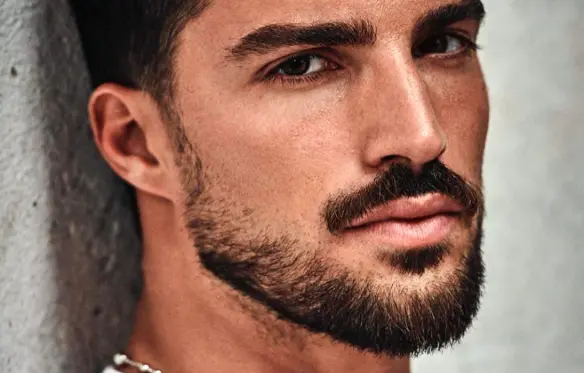
Men with an oblong face usually get one piece of advice everywhere they look: grow it long. That’s backwards. If your face is already longer than it is wide, adding more length underneath it with a long, narrow beard makes the problem worse, not better.
The best beard for oblong face shapes does the opposite of what most guides suggest. It builds width along the sides of the jaw and keeps the bottom shorter, which shortens how long the face appears from the front. That’s the whole strategy in one sentence, and everything below explains how to apply it properly.
Table of Contents
The One Rule That Matters Most for Oblong Faces
Before getting into specific styles, there’s one principle worth locking in, because it applies to every recommendation in this guide: width beats length.
An oblong face is already stretched vertically. Cheeks are narrow, the forehead is tall, and the jaw is often long and slightly narrow too. A beard that follows that same vertical line — long, pointed, tapering at the chin — stretches the face even further. A beard that spreads outward at the sides, adding bulk to the cheeks and jaw corners, breaks up that vertical line and makes the face look more proportional.
Keep that in mind through the rest of this guide. Every style recommended here follows it. Every style flagged as risky breaks it.
Is Your Face Actually Oblong? Here’s How to Check
A lot of men confuse an oblong face with an oval or a long rectangular one, and the beard advice for each is slightly different. Here’s a quick way to tell them apart.
An oblong face typically has:
- A length that’s noticeably greater than the width, more than what you’d see on an oval face
- A forehead, cheekbones, and jawline that are all roughly similar in width
- Minimal curve along the jaw, with straighter sides than a round or oval face
- A chin that’s usually not sharply pointed, just narrow and elongated
Quick check: measure the length of your face from hairline to chin, then measure the width across your cheekbones. If the length is clearly greater and the width stays fairly consistent from forehead to jaw, you’re looking at an oblong shape rather than an oval or diamond one.
If your jawline is actually the widest, sharpest point on your face rather than a straight line, the guide for best beard for square face will be more accurate for you than this one.
What Oblong and Rectangular Faces Have in Common
Oblong and rectangular face shapes get grouped together for good reason — the beard strategy barely changes between them. A rectangular face has slightly more defined corners at the jaw, while an oblong face is softer and more elongated, but both need the same fix: width at the sides, shorter length underneath the chin.
This is why searches for beard for long face and best beard for oblong face usually lead to nearly identical advice. If your jawline has visible angles rather than a smooth curve, you’re likely closer to rectangular. If it’s softer, you’re closer to true oblong. Either way, the styles below apply to both.
The Best Beard for Oblong Face Shape (Style by Style)
These are the styles that consistently work best for oblong and long face shapes, ranked by how effectively they add width and shorten the visual length of the face.
1. Full Beard, Kept Fuller at the Sides
A full beard is the strongest option here, but only when it’s shaped to add extra fullness along the cheeks and sides of the jaw rather than left to grow long underneath the chin. This is the opposite instinct most men have, which is exactly why it works so well.
Why it works: Extra width at the cheek and jaw corners breaks up the vertical line of a long face. Best for: Men with medium-to-thick growth who can commit to regular width-focused trims. Styling difficulty: Moderate — the key is length control underneath, not just letting it grow.
For a broader look at variations you can adapt this way, the types of beard styles guide is a useful starting point.
2. Short Boxed Beard
A boxed beard with straight, defined sides is one of the most effective options for an oblong face because it adds visible width at the jaw corners while keeping the overall length short and controlled.
Why it works: The squared edges widen the jawline without adding the vertical length a longer beard would. Best for: Men who want a sharp, professional look with real structure. Styling difficulty: Moderate to high — needs consistent trimming to hold the shape.
Several boxed variations at different lengths are covered in the medium beard styles collection.
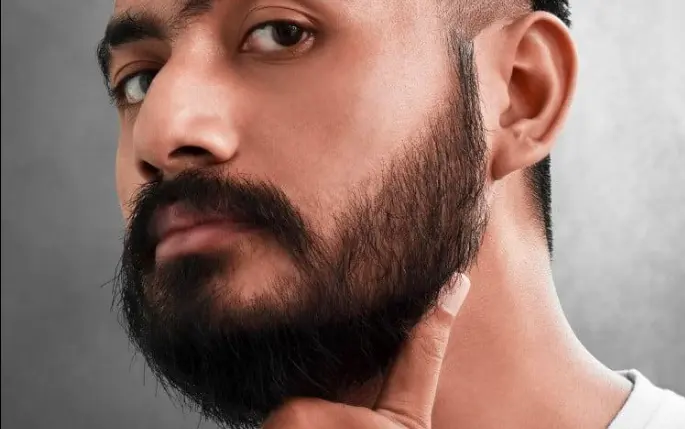
3. Corporate Beard
A short, close, evenly trimmed corporate beard adds subtle width without any added length, which makes it one of the safest options for an oblong face in a professional setting.
Why it works: Even a small amount of density across the jaw corners softens a long face without drawing attention to the length. Best for: Office environments and low-maintenance routines. Styling difficulty: Low to moderate.
The full trimming approach for this one is in the corporate beard guide.
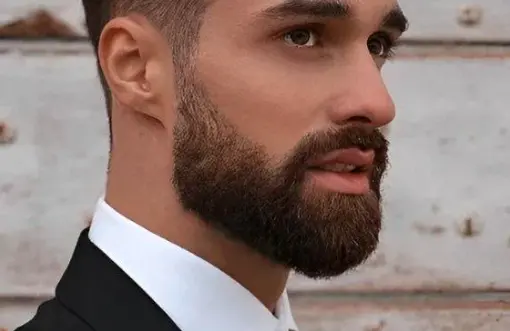
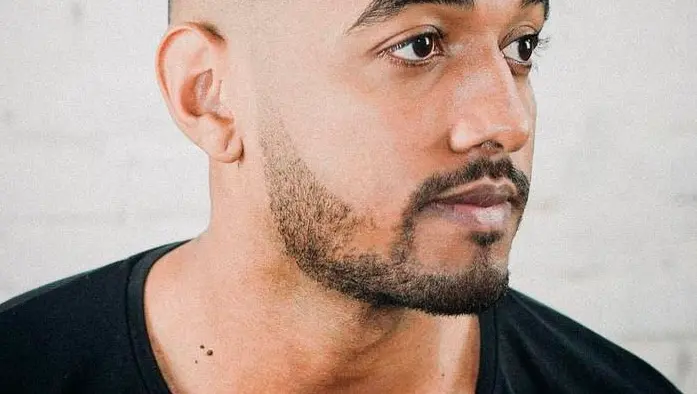
4. Thick Stubble
Thick, even stubble (roughly 4–6mm) adds texture and shadow across the jaw without adding any real length, which makes it a solid low-commitment option for men with oblong faces who aren’t ready for a fuller beard.
Why it works: The shadow effect widens the appearance of the jaw without altering face length at all. Best for: Quick grooming routines and men easing into facial hair for the first time. Styling difficulty: Low.
Length settings and trimmer guidance are covered in the stubble beard guide.

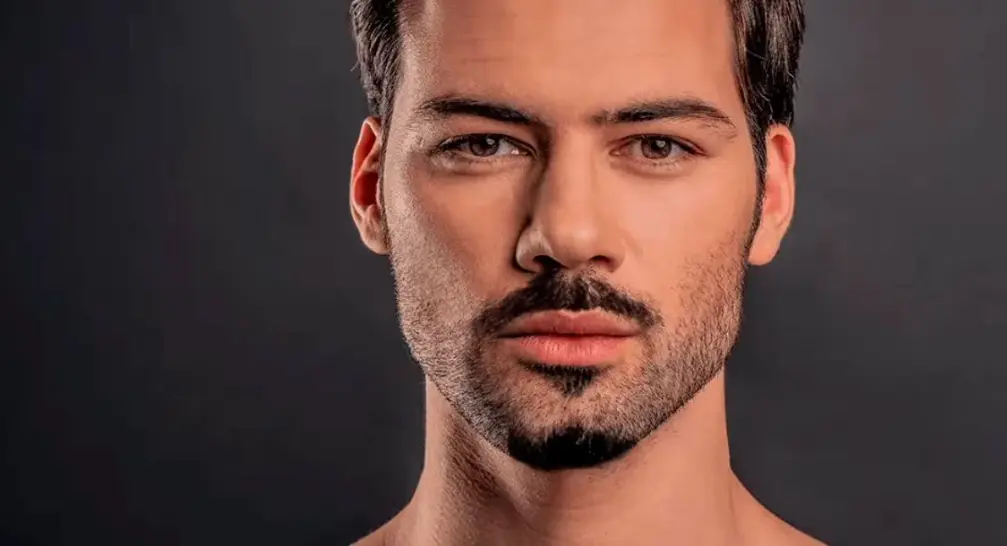
5. Van Dyke Beard (Widened Version)
A traditional van dyke can work for an oblong face if the mustache and chin beard are kept slightly fuller and wider rather than narrow and pointed. The standard narrow version tends to elongate the chin, so widening it slightly changes the effect completely.
Why it works: A wider mustache-to-chin combination adds horizontal shape instead of vertical length. Best for: Men who prefer a styled, defined look over a natural full beard. Styling difficulty: High — this is a detail-heavy style that needs regular upkeep.
Full shaping instructions are in the van dyke beard guide.
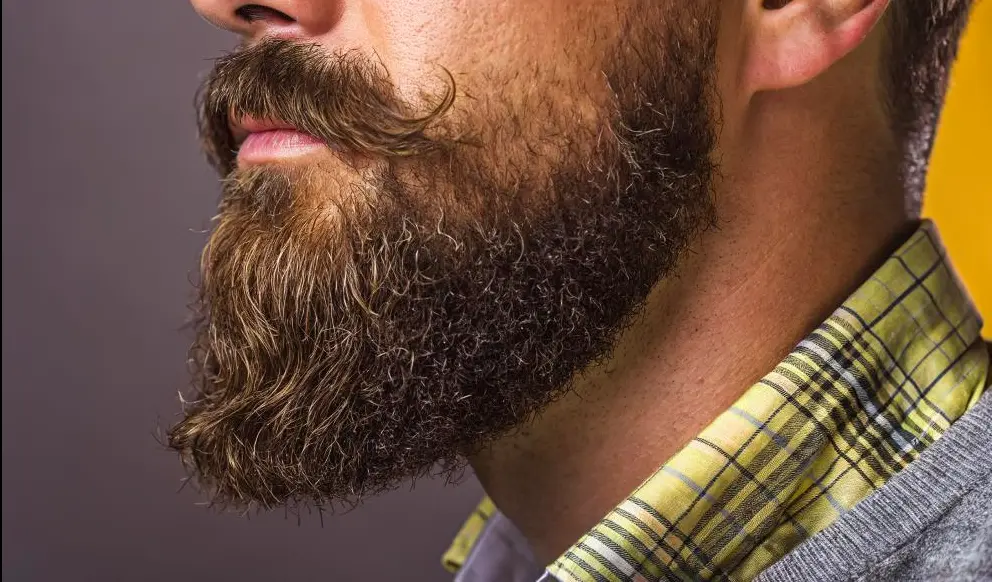
6. Balbo Beard
The balbo works well for oblong faces when the chin section is kept wide rather than narrow, since it lets you build shape and density around the jaw corners without extending length below the chin.
Why it works: A wider balbo shape adds structure at the jaw without stretching the face further. Best for: Men who like precision styling and don’t mind frequent shaping. Styling difficulty: High.
Shaping steps are covered in the balbo beard guide.
Beard Length Chart: What Actually Works vs. What Doesn’t
| Style | Adds Width | Adds Length | Verdict for Oblong Face |
| Full Beard (fuller sides) | High | Low if trimmed correctly | Excellent |
| Boxed Beard | High | None | Excellent |
| Corporate Beard | Moderate | None | Very Good |
| Thick Stubble | Moderate | None | Very Good |
| Widened Van Dyke | Moderate | Low | Good |
| Balbo (wide chin) | Moderate | Low | Good |
| Long, Narrow Beard | Low | High | Avoid |
| Pointed Chin Beard | Low | High | Avoid |
Styles to Avoid If You Have a Long or Oblong Face
A few popular styles work directly against an oblong face shape, and they’re worth calling out specifically since they show up in a lot of general beard inspiration content without any face-shape context.
- Long, flowing beards that extend several inches below the chin — these add exactly the vertical length an oblong face doesn’t need.
- Pointed or tapered chin styles, including a narrow ducktail beard, since the point draws the eye downward and stretches the face further.
- Very thin sideburn-to-beard connections, which remove width from the cheeks right where an oblong face needs it most.
- Beards worn without a mustache in most cases — going beard without mustache tends to remove width from the upper lip area, leaving the face looking narrower overall.
Step-by-Step: Shaping a Beard That Shortens Your Face
- Grow it out fully for 4–5 weeks before shaping anything. You need to see your natural density pattern before deciding where to add width.
- Identify your side density. Check how full your beard grows along the cheeks and jaw corners specifically, since that’s where the width-building happens.
- Set your neckline conservatively. Keep it about one to two finger-widths above the Adam’s apple. A neckline set too low adds visible length underneath the chin.
- Trim the chin length shorter than the sides. This is the reverse of what most men do instinctively, but it’s the detail that makes the biggest visual difference for an oblong face.
- Round off sharp corners at the jaw slightly, unless you’re going for a boxed look specifically, since overly sharp angles can look disconnected from a longer face shape.
- Check from multiple angles, not just straight on. Length distortion is often more obvious from a slight side angle than head-on.
For a complete trimming walkthrough with tools and techniques, the how to trim a beard guide covers the process in more depth.
Grooming Habits That Make or Break the Effect
- Trim every 10–14 days once your shape is set, focusing on keeping the underside of the chin shorter than the sides.
- Use a slightly higher guard on the cheeks and jaw corners and a lower one directly under the chin to maintain the width-over-length balance.
- Brush the beard outward, not downward, when styling, since combing straight down encourages a longer visual line.
- Apply beard balm rather than just oil on fuller styles, since balm has more hold and helps train hair to sit wider rather than hanging straight down.
- Get a professional shape check every 4–6 weeks, especially in the first few months, since it’s easy to unintentionally let the chin area grow longer than intended.
The beard care guide has a full maintenance routine covering washing, conditioning, and long-term beard health if you want to go deeper than trimming alone.
Mistakes Men With Long Faces Keep Repeating
- Growing length instead of width. This is the single most common mistake, usually based on outdated advice that treats every face shape the same way.
- Ignoring the sideburns. Thin or patchy sideburns remove width exactly where an oblong face needs it most.
- Ignoring the mustache. A thin mustache narrows the entire upper portion of the beard, undercutting the width you’ve built elsewhere.
- Over-trimming the sides while leaving the chin long. This is the reverse of the correct approach and tends to happen when men trim without a clear shape in mind.
- Comparing their beard to a completely different face shape. A style photo doesn’t tell you why it works. If the model has a round or square face, the same beard won’t behave the same way on an oblong one.
Myths About Beards and Face Length
Myth: A longer beard always makes a long face worse. Not entirely true. A long beard shaped with intentional width at the sides can still work. The problem isn’t length by itself — it’s length without any width to balance it.
Myth: Only short beards work for oblong faces. Also inaccurate. Length isn’t the enemy; an unshaped, narrow silhouette is. Several full-length styles work fine as long as the sides carry more volume than the chin.
Myth: Face shape is fixed and beard advice is one-size-fits-all. Face measurements vary even within the same general shape category. Two men with “oblong” faces can have different proportions, and the general direction here should be adjusted slightly to your own bone structure.
Realistic Expectations
A beard shifts how your face looks through shadow, width, and shape, but it doesn’t change your bone structure. Most men notice a real difference in perceived proportion within 8–12 weeks of consistent, width-focused shaping, though growth speed and density vary from person to person based on genetics and age. According to the American Academy of Dermatology, hair growth cycles are influenced by hormonal and genetic factors, which explains why identical routines produce different results for different men. If your beard grows unusually slow or patchy despite consistent care, a conversation with a dermatologist is more useful than switching products repeatedly.
Final Word on Choosing Your Style
Choosing the best beard for oblong face shapes comes down to one decision repeated across every style: add width, control length. Whether you go with a full beard, a boxed style, or something as simple as thick stubble, the same principle applies every time you pick up a trimmer. Get that right, and almost any style on this list will work in your favor.
Frequently Asked Questions
What is the best beard for oblong face shapes? The best beard for oblong face shapes adds width at the cheeks and jaw corners while keeping the length under the chin controlled. Full beards, boxed beards, and corporate beards trimmed this way work particularly well.
Should a long face grow a long beard? Not without adjustments. A long beard left to grow naturally tends to add more vertical length. If you want length, keep the sides fuller than the chin to balance it out.
What beard suits a rectangular face best? A rectangular face benefits from the same approach as an oblong face — width at the jaw corners and controlled length underneath the chin. Boxed beards and corporate beards tend to work especially well.
Does stubble work for an oblong or long face? Yes. Thick, even stubble adds width through shadow and texture without adding any length, making it a low-maintenance option for oblong face shapes.
What beard styles should I avoid with a long face? Avoid long, narrow beards, pointed chin styles, and thin sideburn connections, since all three add visual length instead of the width a long face needs.
How can I tell if my face is oblong or oval? An oblong face has a length clearly greater than its width with fairly consistent width from forehead to jaw. An oval face has a similar length-to-width ratio but with a gentler curve and slightly narrower chin.
Does a mustache help balance an oblong face? Yes. A fuller mustache adds width to the upper lip area, which helps balance the length of an oblong face rather than narrowing it further.
How often should I trim a beard for an oblong face shape? Every 10 to 14 days once your shape is established, focusing on keeping the chin area shorter than the sides.
Can beard oil or balm change how a beard shapes a face? Balm has more hold than oil and can help train fuller beards to sit wider rather than hanging straight down, which supports the width-focused shaping an oblong face benefits from.
What’s the difference between oblong and rectangular face shapes? An oblong face has softer, more rounded edges along the jaw, while a rectangular face has sharper, more defined corners. Both are longer than they are wide and respond to the same beard strategy.
Is a full beard too much for a long face? Not if it’s shaped correctly. A full beard becomes a problem for a long face only when it’s left long and narrow underneath the chin without added width at the sides.
Do sideburns matter for an oblong face shape? Yes, more than most men realize. Full, well-connected sideburns add width right where an oblong face needs it, while thin or patchy sideburns remove that width.
Can a beard actually shorten how long my face looks? A beard can’t change bone structure, but shaping it with more width at the sides and less length under the chin does create a visual effect that makes the face appear more proportional.
What age is best to start growing a beard for face shaping purposes? There’s no fixed age requirement, though facial hair density typically becomes more consistent in the mid-20s, which makes shaping easier at that stage than in the late teens.
Should I see a barber before choosing a beard style for my face shape? It helps. A barber can assess your natural density pattern and jawline structure in person, which is more accurate than judging your face shape from a mirror alone.
Read More About Best Beard For Diamond Face: https://beardstyles.net/best-beard-for-diamond-face/
Read More About Best Beard For Heart Face: https://beardstyles.net/best-beard-for-heart-face/