
 By Bread Styles Team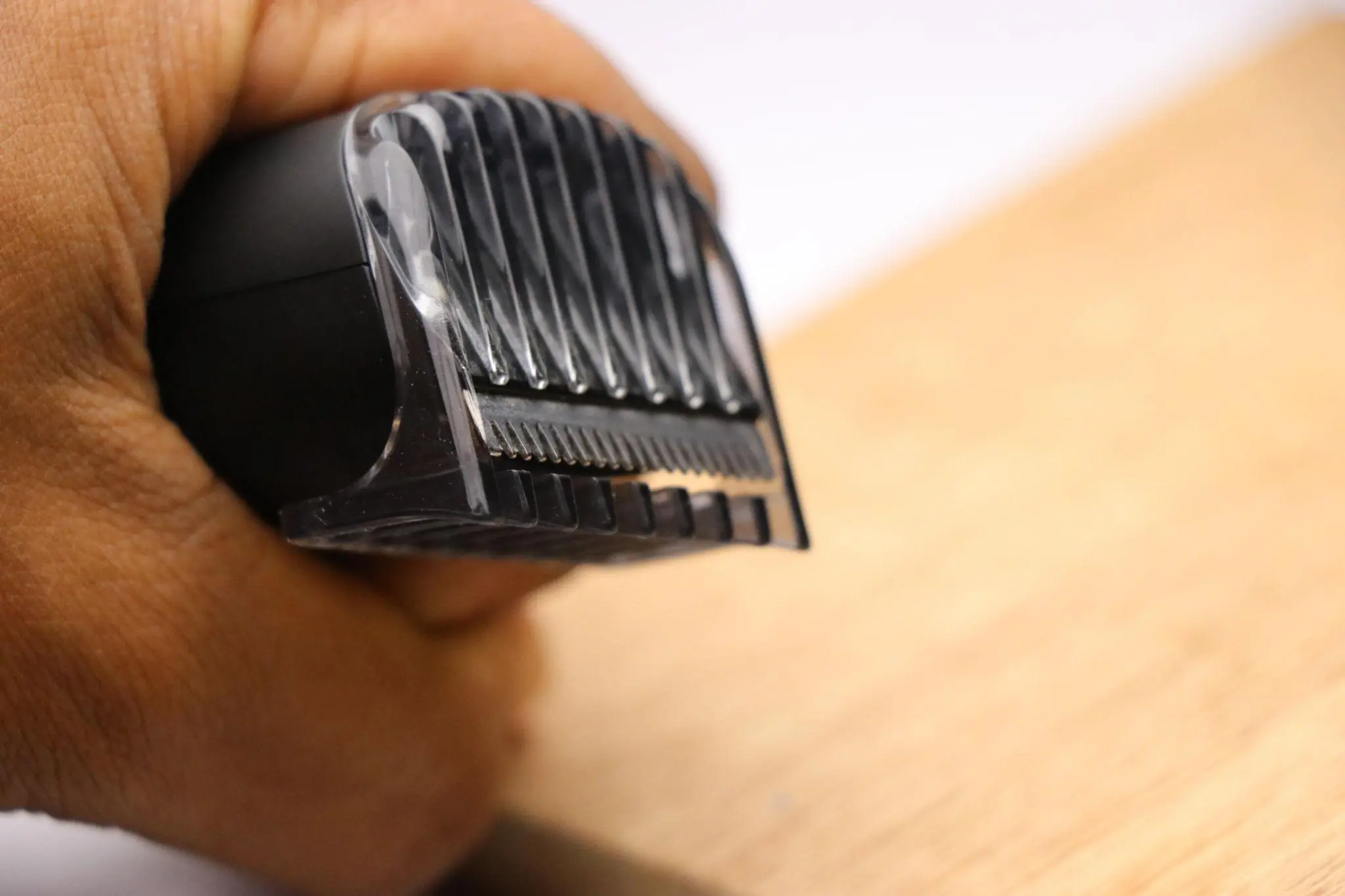
Walk into any grooming aisle and you’ll find forty products claiming to be essential. Most beards need about six. The right beard grooming tools do two jobs — they shape the beard and they keep the skin underneath it healthy — and everything beyond that is convenience, not necessity. This guide breaks down exactly which tools earn a spot in your kit, which ones are optional upgrades, and how to put together a setup that matches your beard length and how much time you actually want to spend on it.
If you’re just starting out, pairing this with a beard care guide will cover both the tools and the routine that uses them.
Table of Contents
Quick Answer: The Core Beard Grooming Tools
For most men, a complete beard grooming kit needs six items: a trimmer, a pair of scissors, a wide-tooth comb, a boar-bristle brush, beard oil, and beard balm. These six beard care tools cover trimming, shaping, detangling, and conditioning — the four things every beard needs regardless of length or style.
Why the Right Tools Matter More Than Product Marketing Suggests
A lot of grooming problems that look like skin or hair issues are actually tool issues. A dull trimmer blade doesn’t cut hair, it tears it, which is a direct cause of split ends and rough texture. A fine-tooth comb pulled through a thick beard breaks hair that a wide-tooth comb would glide through. The wrong tool doesn’t just underperform — it actively works against the beard.
This is also where a lot of money gets wasted. Men buy specialty products to fix problems that better beard grooming equipment would have prevented in the first place. Getting the core tools right solves more problems than any single product on its own.
The Essential Beard Grooming Tools, One by One
1. Beard Trimmer
A trimmer is the backbone of any beard grooming kit. It handles length control, edging, and — on most modern models — the neckline and cheek line work that keeps a beard looking deliberate rather than overgrown. Look for adjustable guard lengths (at minimum 1mm to 20mm), a stainless steel blade, and enough battery life to get through a full session without stopping halfway.
Barber tip: A trimmer with a taper lever built into the blade gives finer control for fading than swapping guard combs mid-cut.
2. Beard Scissors
Scissors handle what a trimmer can’t: precision spot-trimming, stray hair removal, and shaping around the mustache. They’re also the safer option for the first few months of growth, when a trimmer’s guards can remove more length than intended. A good pair of beard scissors has a fine point and a short blade, usually under four inches, for control in tight areas.
3. Wide-Tooth Comb
A dedicated beard comb detangles without snapping hair, trains growth direction, and distributes oil and balm evenly through the beard instead of leaving it sitting on the surface. Wood combs are worth the small upgrade over plastic — they generate less static, which matters more than it sounds for curly beard care and coarse hair types.
4. Boar-Bristle Beard Brush
Where a comb detangles, a beard brush trains. Boar bristles mimic natural hair texture, which helps flatten flyaways, distribute the skin’s natural oils outward, and give the beard a smoother finish over daily use. It’s the tool most responsible for a beard actually looking maintained rather than just clean.
5. Beard Oil
Beard oil is the most-used tool in this list, and for good reason. It conditions both hair and the skin underneath, since facial skin can’t produce enough oil on its own once a beard passes stubble length. A few drops worked into a towel-dried beard daily prevents the dryness and itch that cause most early-growth beards to get abandoned.
6. Beard Balm
Where oil conditions, beard balm styles. It has more hold than oil thanks to beeswax or similar waxes in the formula, which makes it useful for taming flyaways, shaping the outline, and adding light hold to longer beards without the stiffness of a traditional wax.
Nice-to-Have Beard Accessories (Not Essential, But Worth It)
These beard accessories aren’t required for a healthy beard, but they solve specific problems well enough to be worth the investment for the right beard type.
| Tool | Best For | Why It Helps |
| Beard straightener | Curly or coily beards | Temporarily smooths texture for styling |
| Beard roller | Slow or patchy growth | Micro-stimulation to support product absorption |
| Beard wash | All beard types | Cleans without stripping oils the way regular shampoo does |
| Beard conditioner | Dry or coarse beards | Extra softening layer beyond oil alone |
| Neckline template | Beginners | Removes guesswork from shaping a clean beard neckline |
A beard growth kit can bundle several of these together, which is often cheaper than buying each item separately if you know you’ll use all of them.
Beard Grooming Tools by Beard Length
Different lengths put different demands on your kit. Here’s what actually gets used at each stage:
Stubble to short (0–4 weeks): Trimmer with a short guard, beard oil, and a fine-tooth comb for line definition. Scissors and balm aren’t necessary yet at this stage — there’s rarely enough length to style.
Medium beard (1–3 months): Add a wide-tooth comb, boar-bristle brush, and beard balm. This is where a medium beard style starts needing real shape maintenance rather than just trimming for length.
Long beard (3+ months): Scissors become essential for spot-shaping, and a beard straightener or roller becomes genuinely useful rather than optional. A long beard style also benefits from a stronger-hold balm or light wax to manage flyaways at length.
Budget Kit vs Premium Kit: What’s Worth the Upgrade
| Item | Budget Option | Premium Upgrade | Worth Upgrading? |
| Trimmer | Basic corded/cordless combo | Titanium blade, multiple guide combs | Yes, if used weekly |
| Comb | Plastic wide-tooth | Sandalwood or cellulose acetate | Minor, mostly static reduction |
| Brush | Nylon bristle | 100% boar bristle | Yes, noticeable difference |
| Oil | Single-oil blend | Multi-oil blend with added vitamins | Optional, both work |
| Scissors | Standard stainless steel | Japanese steel, fine-point | Only for detailed styling |
The honest answer is that a trimmer and a brush are the two tools where spending more genuinely changes performance. Combs, oils, and scissors have a lower ceiling — a mid-range option does the job just as well as a premium one for most beards.
How to Build a Beard Grooming Kit From Scratch
- Start with a trimmer and beard oil. These two alone solve 80% of early grooming needs.
- Add a comb once the beard passes two weeks. This is when tangling and direction training actually start mattering.
- Bring in a brush at the one-month mark. By now there’s enough hair for a brush to do meaningful work.
- Add balm and scissors once you’re shaping a specific style. Not before — there’s no need to style hair that isn’t there yet.
- Consider accessories last, based on your specific beard type and any issues you’re already noticing.
This order avoids the common trap of buying an entire beard grooming kit on day one, half of which sits unused because the beard isn’t long enough yet to need it.
Caring for Your Tools So They Last
Grooming tools degrade with neglect just like the beard does without care.
- Trimmer: Oil the blades after every few uses and clean out trapped hair weekly. A dry blade dulls faster and starts tearing hair instead of cutting it.
- Comb and brush: Rinse weekly to clear out shed hair and product buildup, which otherwise gets redistributed into the beard.
- Scissors: Wipe blades dry after use to prevent rust, and avoid using beard scissors on anything but hair.
- Bottles and tins: Keep oil and balm lids tightly sealed and stored away from direct heat, which breaks down the natural oils faster.
Mistakes Men Make With Beard Grooming Tools
- Using head shampoo instead of beard-specific wash, which strips the oils the beard actually needs
- Buying a trimmer without checking guard range, then discovering it doesn’t go short or long enough
- Skipping the comb and relying on fingers alone, which doesn’t detangle or train direction properly
- Letting a trimmer blade go dull for months, leading to snagged, torn hair
- Overbuying accessories before the basics — oil, trimmer, comb — are even part of a routine yet
Avoiding these keeps a kit lean and functional instead of a drawer full of half-used products. For a broader look at habits that undo good tool choices, the beard care mistakes guide covers the routine side of this in more depth.
Beard Grooming Tools: Final Word
A working beard grooming kit doesn’t need to be complicated. Six core beard grooming tools — trimmer, scissors, comb, brush, oil, and balm — cover nearly everything a beard needs at any length. Everything past that is about solving a specific problem, not filling out a shelf. Build the kit in order, keep the tools clean, and the routine that follows becomes far easier to stick with.
FAQs
What are the essential beard grooming tools every man needs? A trimmer, scissors, a wide-tooth comb, a boar-bristle brush, beard oil, and beard balm cover trimming, detangling, shaping, and conditioning — the core needs of any beard regardless of length.
Do I need both a trimmer and scissors? Yes. A trimmer handles overall length and edging, while scissors give the precision needed for spot-trimming and shaping around the mustache that a trimmer can’t do as cleanly.
What beard grooming tools should beginners buy first? A trimmer and beard oil cover most early needs. A comb becomes useful once the beard passes two weeks, and a brush once there’s enough length for it to actually train the hair.
Is a beard straightener a necessary tool? No, it’s optional. A beard straightener is most useful for curly or coily beard types that want a temporarily smoother look, but it isn’t required for beard health or maintenance.
How often should beard grooming equipment be cleaned? Trimmer blades should be cleaned and oiled after every few uses, and combs or brushes rinsed weekly to remove shed hair and product buildup.
What’s the difference between beard oil and beard balm as tools? Beard oil conditions hair and skin with no real hold, while beard balm adds light styling hold thanks to wax content, making it more useful for shaping longer beards.
Do premium beard grooming tools actually work better than budget ones? For trimmers and brushes, yes — blade quality and bristle type make a noticeable difference. For combs and basic oils, mid-range options usually perform just as well as premium ones.
Can the wrong trimmer damage a beard? Yes. A trimmer with a dull blade tears hair rather than cutting it cleanly, which causes split ends and a rough texture over time regardless of how well the beard is otherwise maintained.
What tools are needed for a long beard specifically? Scissors for detailed shaping, a stronger-hold balm, and often a straightener or roller become genuinely useful once a beard passes three months, on top of the core kit.
Should I buy a beard grooming kit or individual tools? A bundled kit is often cheaper if you know you’ll use every item in it. Buying individually makes more sense if your beard length or style needs only a few specific tools.
How do I know if my comb is damaging my beard? If hair breaks or snags while combing, the teeth are likely too fine for your beard’s thickness. Switching to a wide-tooth comb usually resolves this immediately.
Are beard grooming tools different for curly versus straight beards? Curly beards benefit more from wide-tooth combs, boar-bristle brushes, and occasional straightening tools, while straight beards generally need less detangling equipment overall.