 By Bread Styles Team
Table of Contents
What “Minimalist” Actually Means on a Beard (Quick Answer)
A minimalist beard styles is built around restraint — less surface area, sharper edges, and deliberate negative space rather than volume or elaborate shaping. The most effective minimalist beard styles, like stubble, a compact goatee, or a beard without a mustache, work because every remaining section earns its place. Nothing is left to fill space; what’s there is there on purpose. This is a design choice as much as a grooming one, and it’s worth understanding the difference before assuming “minimal” just means “short.”
That distinction matters because a minimalist beard isn’t necessarily the easiest one to maintain. It’s the one with the least room for error.
It’s worth being upfront about that trade-off before choosing one of these styles based on photos alone. A minimalist beard photographs beautifully specifically because the lines in the image are sharp and the skin around them is spotless. Recreating that day after day takes more attention than the finished look tends to suggest.
The Design Idea Behind Minimalist Beards
Minimalism as a design principle shows up everywhere from architecture to typography to how a well-edited wardrobe gets put together, and the same logic applies to facial hair. The idea isn’t the absence of effort — it’s the absence of anything unnecessary. A minimalist beard removes everything that doesn’t contribute to the overall shape and keeps only what strengthens the face underneath it.
Practically, that means clean, straight or gently curved edges instead of soft, undefined ones. It means choosing one area of the face to define — the chin, the jaw, the upper lip — rather than trying to cover everything at once. And it means treating the skin that’s visible, the cheeks and neck left bare, as part of the design rather than empty leftover space.
If you’re still exploring the broader landscape of options before narrowing down to something this specific, our types of beard styles overview is a reasonable starting point.
Minimalist Beard vs. Low Maintenance Beard: The Real Difference
These two ideas get confused constantly, and they’re not the same thing. A low maintenance beard is about how much weekly time it takes. A minimalist beard is about how much visual information it carries. The two often overlap, but not always.
| Minimalist Beard | Low Maintenance Beard | |
| Primary goal | Visual restraint and clean design | Minimal weekly time investment |
| Typical upkeep | Can be high — sharp lines need frequent re-edging | Deliberately low, guard-length trims |
| Best example | Beard without a mustache, sharp chin strap | Stubble, corporate beard |
| Risk if neglected | Soft edges ruin the whole design quickly | Looks slightly overgrown, but forgiving |
A well-executed minimalist beard, particularly one built around sharp lines like a chin strap or a precisely edged goatee, can actually demand more frequent maintenance than a fuller, more forgiving style. If your priority is genuinely about saving time rather than aesthetic restraint, our low maintenance beard styles guide is likely a better fit.
6 Minimalist Beard Styles Worth Considering
Here’s where the design principle above actually translates into specific shapes.
Stubble
The most accessible entry point into a minimal beard aesthetic. Short, even, and understated, it adds just enough texture to the face without introducing any real visual complexity. Full guide: stubble beard.

Beard Without a Mustache
A genuinely bold minimalist choice. Removing the mustache entirely and keeping a clean, defined chin and jawline creates real negative space above the lip, which reads as modern and deliberate rather than incomplete. See our beard without mustache guide.

Chin Strap Beard
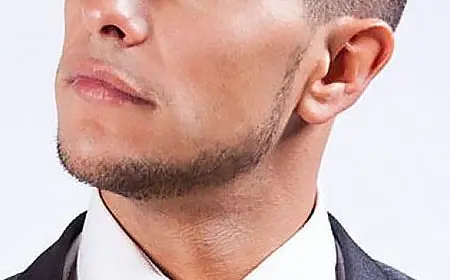
A thin, precise line tracing the jaw with bare cheeks on either side. It’s one of the sharpest examples of minimalist design applied to facial hair, since it isolates a single clean line rather than covering any real surface area. Full details in our chin strap beard guide.
Soul Patch
About as minimal as facial hair gets while still counting as a style rather than an accident. A small, deliberate patch beneath the lower lip works as a genuine design statement when everything around it is kept completely clean. See our soul patch beard guide.

Goatee
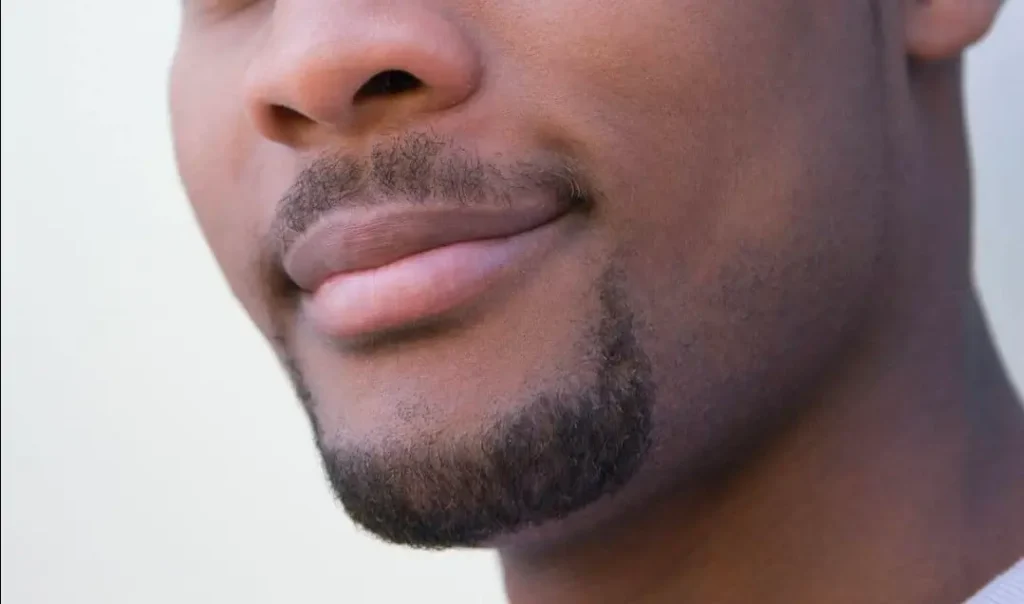
A compact, contained shape that keeps the cheeks bare and focuses all the visual weight on the chin. It’s a simple beard style in the truest sense — one contained area, clearly defined, with nothing extraneous around it. Full guide: goatee styles.
Corporate Beard, Kept Tight
A slightly fuller option, but still minimalist in spirit when kept short and razor-edged rather than allowed to soften into a fuller shape. It works well for anyone who wants a touch more coverage without abandoning the restrained aesthetic. See our corporate beard guide.

The Role of Negative Space
This is the part most men skip when attempting a minimalist look, and it’s arguably the most important piece. The bare skin around a minimalist beard isn’t just what’s left over — it’s doing real visual work. Clean, well-maintained cheeks and a defined neckline create the contrast that makes the beard itself read as intentional. Without that contrast, even a well-shaped minimalist style starts to look unfinished rather than deliberate.
Our beard neckline and beard cheek line guides both cover exactly how to treat that negative space — where the lines should sit and how to keep them consistent, since inconsistency here undoes the whole effect faster than almost anything else.
Best Styles by Face Shape
Restraint doesn’t mean one-size-fits-all. Face shape still determines which minimalist option actually flatters you.
| Face Shape | Best Minimalist Styles | Why It Works |
| Round | Chin Strap, Goatee | Adds vertical definition through the chin |
| Square | Stubble, Beard Without Mustache | Softens angles without adding bulk |
| Oval | Nearly all styles above | Balanced proportions handle restraint well |
| Long or Oblong | Corporate Beard (kept tight) | Adds width rather than more length |
For more detail, our guides on the best beard for round face, best beard for square face, and best beard for oval face go into more depth on individual shapes.
Which Hair Types Suit a Minimalist Approach
Because minimalist styles rely on sharp definition rather than volume to disguise inconsistency, hair type matters more here than with fuller, more forgiving styles.
- Even, moderate density works best across nearly all the styles above, since consistent growth holds a clean line without gaps.
- Patchy growth can actually work in your favor with certain minimalist styles, particularly the goatee or chin strap, which sidestep problem areas like the cheeks entirely. Our patchy beard guide has more on this approach.
- Very thin growth tends to suit stubble best, since longer minimalist shapes with sharp edges show sparse density more obviously. Our thin beard styles guide covers additional options.
- Coarse or wiry hair needs extra conditioning around minimalist edges specifically, since dry, unruly hair along a sharp line undercuts the clean look faster than anywhere else on the face.
The Precision Routine These Styles Actually Need
Because the whole aesthetic depends on sharp definition, the maintenance routine looks different from a typical short-beard schedule.
- Every 2–3 days: Re-edge any sharp lines, particularly around a chin strap, goatee, or the cheek line on a beard without a mustache. These soften faster than people expect.
- Weekly: A full length check to keep everything even, even on shorter styles like stubble.
- Daily: A quick check in good lighting for stray hairs outside the defined shape. This takes seconds and prevents the gradual softening that ruins the effect over a week or two.
- A few times weekly: Condition the skin underneath, since more exposed skin around a minimalist style means more area that can dry out or get irritated.
For general trimming technique, our how to trim a beard guide and beard care guide cover the fundamentals that apply here, though the edging frequency above is genuinely higher than what those guides assume for fuller styles.
Good lighting matters more for this routine than people expect. A bathroom mirror with weak or uneven light hides exactly the kind of small inconsistencies that ruin a minimalist line days before they’d be obvious in a mirror with proper lighting. It’s a small investment that pays off constantly with these styles specifically.
Common Mistakes That Undercut the Minimalist Look
- Treating “minimal” as “low effort.” As covered above, several of these styles need more frequent attention than a fuller beard, not less.
- Letting edges soften between trims. A minimalist style depends entirely on sharp lines. Once those blur, the whole design falls apart faster than a fuller style would.
- Ignoring the bare skin around the style. Dry, uneven, or irritated skin in the negative space undercuts the clean look just as much as a poorly shaped beard would.
- Choosing a style that doesn’t suit your face shape just because it looks minimalist in photos. Restraint still needs to work with your actual proportions.
- Skipping the barber entirely. Precise, minimal styles like a chin strap benefit from professional shaping at least once, even if you maintain it yourself afterward.
- Judging the style too early. Because minimalist shapes rely on such exact lines, the first attempt often looks slightly off before you’ve built the muscle memory for consistent edging. That’s a normal part of the learning curve, not a sign the style is wrong for you.
Common Myths About Minimalist Beards
Myth: Minimalist beard styles are the easiest to maintain. Often the opposite. Sharp-edged styles like a chin strap or a beard without a mustache typically need more frequent touch-ups than fuller, more forgiving shapes.
Myth: A minimalist beard means barely any facial hair at all. Not necessarily. A tightly kept corporate beard can qualify as minimalist in spirit, provided the lines stay sharp and nothing is left soft or undefined.
Myth: These styles only suit thin or patchy growth. They can work well for that, but even, moderate density often produces the cleanest results, since it holds a defined line without visible gaps.
Realistic expectation: A genuinely modern minimal beard takes real attention to the edges, even if the overall shape looks understated. If persistent irritation develops from more frequent edging along sensitive skin, it’s worth easing off frequency slightly or checking with a dermatologist — the American Academy of Dermatology has general guidance on managing razor-related skin irritation that applies well here. For a broader professional context where several of these styles also fit naturally, our office beard styles guide covers overlapping ground.
Choosing among minimalist beard styles comes down to understanding that less isn’t the same as easier. Pick a shape that isolates one area of the face, commit to keeping its edges genuinely sharp, and treat the bare skin around it as part of the design rather than an afterthought.
FAQs
1. What is a minimalist beard styles? A minimalist beard styles uses restraint and sharp, deliberate lines rather than volume, focusing on one clearly defined area of the face and leaving the rest bare and clean.
2. Is a minimalist beard easier to maintain than a full beard? Not always. Sharp-edged minimalist styles like a chin strap or goatee often need more frequent touch-ups than a fuller beard, since soft edges quickly undo the design.
3. What’s the difference between a minimalist beard and a low maintenance beard? A minimalist beard is defined by visual restraint and clean design, while a low maintenance beard is defined by how little weekly time it takes. The two overlap sometimes but aren’t the same thing.
4. What’s the best minimalist beard styles for a round face? A chin strap or goatee tends to work well on round faces, since both add vertical definition through the chin area.
5. Can patchy growth work with a minimalist beard styles? Yes, styles like the goatee and chin strap specifically avoid the cheeks, which makes them a practical option for patchy cheek growth.
6. How often do minimalist beard styles need trimming? Sharp-edged styles typically need re-edging every two to three days to stay looking deliberate rather than accidentally overgrown.
7. What is a clean beard look, exactly? A clean beard look generally refers to well-defined edges, an even length, and clear negative space around the beard, rather than any single specific shape.
8. Does a minimalist beard suit every face shape? Most minimalist styles adapt reasonably well across face shapes, though certain options, like the chin strap, specifically suit rounder faces better than others.
9. What’s a simple beard style for someone new to shaping facial hair? Stubble is generally the most approachable simple beard style, since it doesn’t require precise line work while you build shaping confidence.
10. Is a beard without a mustache considered minimalist? Yes, it’s one of the more distinctive minimalist choices, since removing the mustache creates real negative space above the lip that reads as deliberate rather than incomplete.
11. What products help maintain a modern minimal beard? A precision trimmer for sharp edges, a light beard oil for the exposed skin around the style, and a quality razor for cheek and neckline definition cover most needs.
12. Do minimalist beard styles work in professional settings? Yes, several minimalist styles, particularly a tight corporate beard or stubble, work especially well in professional environments due to their clean, controlled appearance.
13. Can coarse or wiry hair hold a minimalist beard shape? Yes, though it needs more conditioning around the edges specifically, since dry or unruly hair along a sharp line undermines the clean look faster than elsewhere.
14. What’s the biggest mistake people make with minimalist beard styles? Assuming the style requires less effort overall, when in reality the sharp lines that define these styles often need more frequent attention than a fuller beard.
15. Should I see a barber before attempting a minimalist beard styles? It’s worth it at least once, especially for precise styles like a chin strap or goatee, since professional shaping establishes the lines you’ll then maintain yourself.