 By Bread Styles Team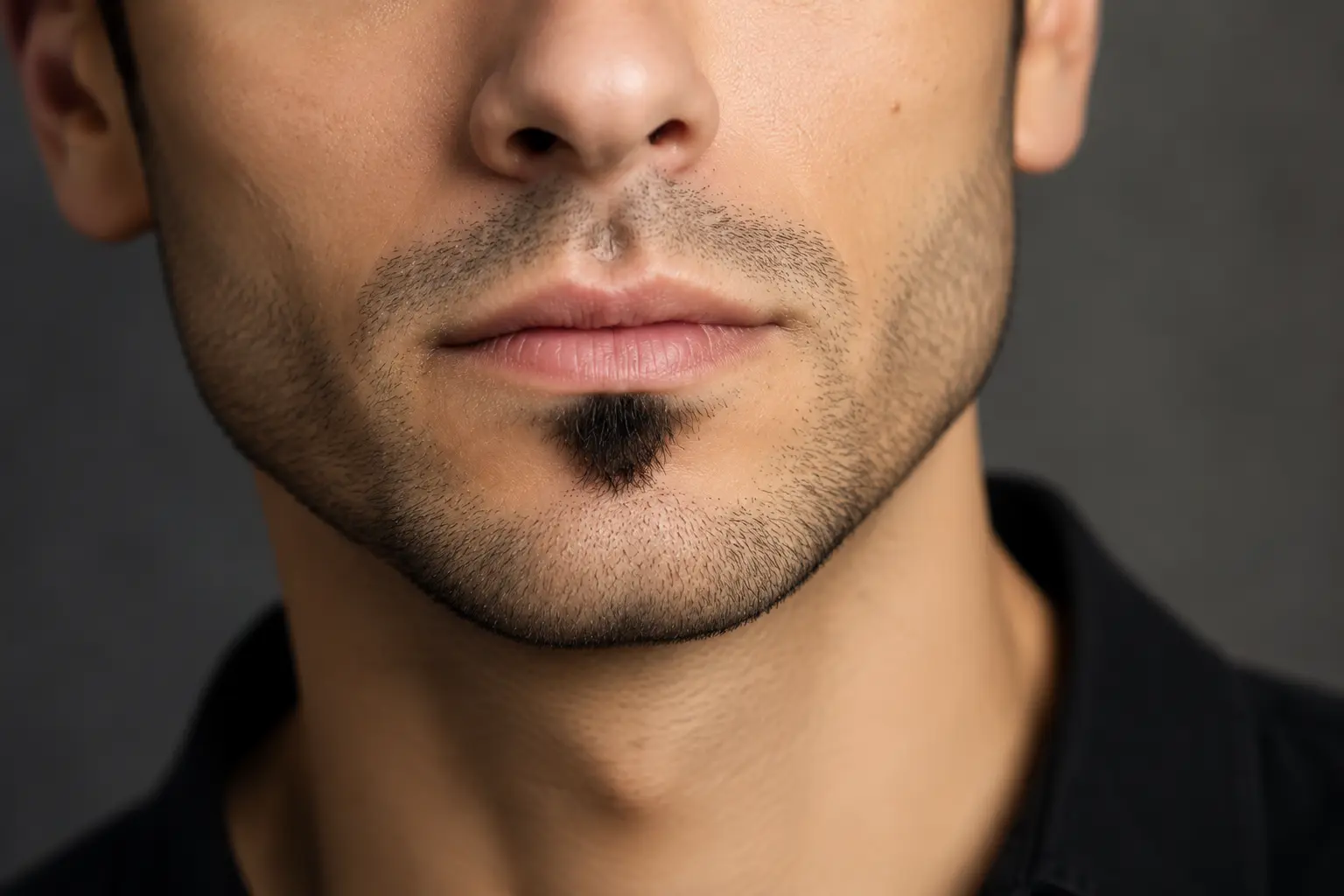
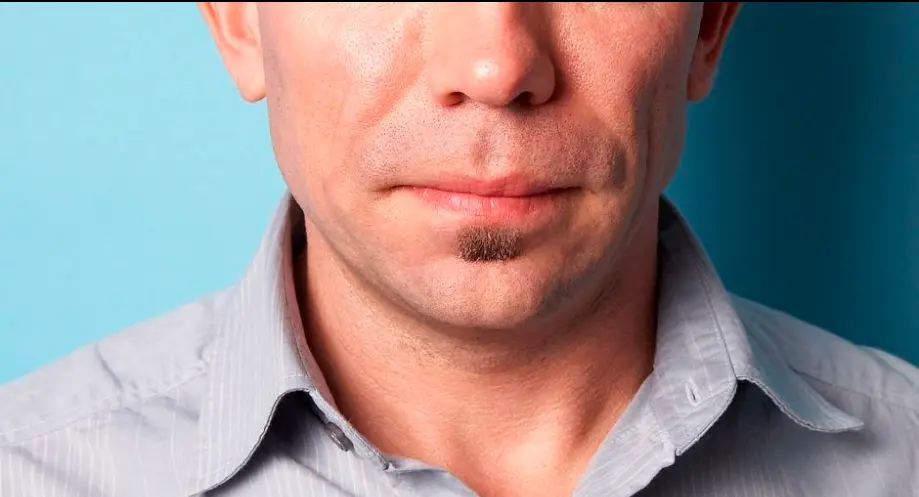
A soul patch beard is a small tuft of facial hair grown directly beneath the lower lip and above the chin, with the rest of the face kept clean-shaven. It’s the smallest of all recognized facial hair patch styles, which sounds simple, but it’s actually one of the harder looks to get exactly right — there’s no width or length to hide behind, so every edge has to be deliberate.
If you’re reading this, you’re probably deciding whether a soul patch suits your face, wondering how to grow one without it looking like a stray patch of missed stubble, or trying to work out the shaping details that separate a sharp soul patch from an accidental one. This guide covers all of it, starting with where the style actually came from.
Table of Contents
1. What Is a Soul Patch Beard?
A soul patch beard is a small, isolated section of facial hair sitting directly under the center of the lower lip, above the chin, with no connection to a mustache, sideburns, or the rest of the jawline. It’s typically kept short and neatly edged, roughly the width of the mouth or slightly narrower.
Quick snippet answer: A soul patch beard is a small patch of facial hair grown just below the lower lip, kept separate from the mustache and jawline. It’s one of the smallest facial hair patch styles and relies entirely on clean, precise edges rather than volume.
Because it’s isolated on the face with nothing else to blend into, this is one of the few small beard styles where a millimeter of asymmetry is genuinely visible from across a room.
2. Where the Soul Patch Beard Came From
The soul patch has roots in jazz and beatnik culture from the mid-20th century, where it became closely associated with musicians and performers who wanted a small, distinctive mark of facial hair without a full beard or mustache. Some barbers and historians trace an earlier version of the style back further, sometimes referencing it under the name “mouche,” a French term for a small tuft below the lip that predates the jazz-era association by decades.
The name “soul patch” itself picked up steam through its connection to soul and jazz musicians of the 1950s and 60s, and it’s stayed part of facial hair vocabulary ever since, occasionally resurging alongside broader minimalist grooming trends.
3. Soul Patch vs Other Small Beard Styles
It helps to see the soul patch next to other minimal facial hair patch styles it’s often grouped with.
| Style | Location | Connects to Mustache | Connects to Jawline | Maintenance |
| Soul patch beard | Below lower lip only | No | No | High precision, low volume |
| Circle beard | Mustache plus chin, forming a ring | Yes | No | Moderate to high |
| Chin strap beard | Thin line along the jaw and chin | No | Yes | High precision |
| Van Dyke beard | Detached goatee with separate mustache | Separately, not connected | No | High |
| Balbo beard | Chin patch plus mustache, jaw shaved | Yes | No | Moderate to high |
The clearest distinction is isolation. A circle beard and a Balbo beard both connect the chin patch to a mustache, while the soul patch stands completely alone — no mustache, no jawline, nothing else on the face. That isolation is what makes it read as such a deliberate, minimal style rather than a partial beard.
4. Types of Soul Patch Styles
Not every soul patch looks identical. A few variations come up often enough to name separately.
Classic Soul Patch
A small square or slightly rounded patch, roughly matching the width of the lower lip. This is the most recognizable version and the easiest starting point.
Extended Soul Patch
A slightly taller and wider patch that extends a bit further down toward the chin, giving more visual presence without connecting to anything else on the face.
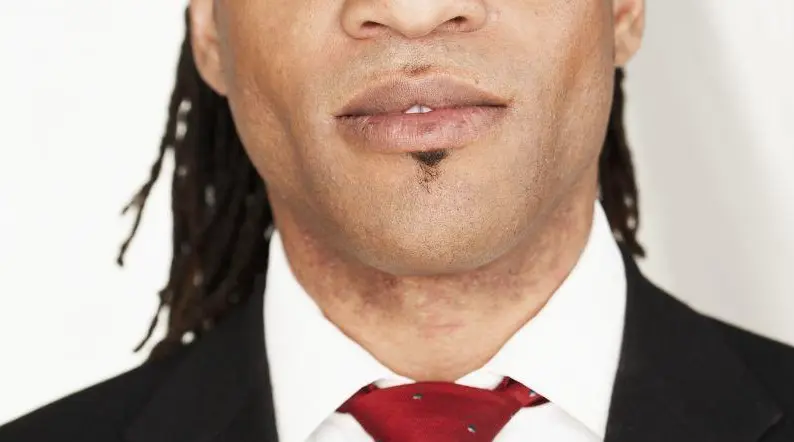
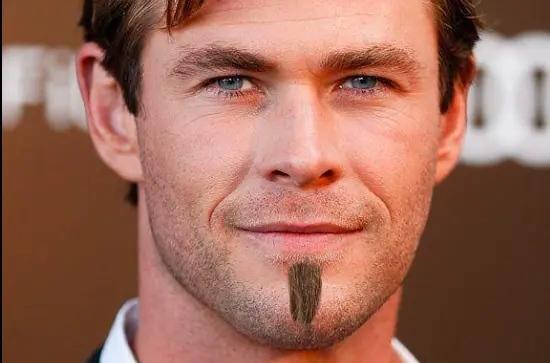
Thin Vertical Soul Patch
A narrower strip running vertically rather than a square shape, often chosen by men with finer facial hair who want the patch to look intentional rather than sparse.
Soul Patch With Rounded Edges
Instead of sharp square corners, the edges are softened into a rounded shape, giving a slightly less severe look that some men find easier to keep looking neat between trims.
5. Who Suits a Soul Patch Beard
Face shape: Because the soul patch sits centrally and stays small, it has a fairly mild effect on overall face shape compared with fuller beard styles. It tends to draw a small amount of attention to the chin and lower lip area, which can help balance faces where the chin is a little recessed, similar in effect to some of the styling logic in our best beard for heart face guide.
Lower lip and chin proportions: Men with a reasonably defined chin tend to get the cleanest look from a soul patch, since there’s a clear boundary between the patch and bare skin. If the chin is very short or recedes noticeably, the patch can look slightly disconnected from the rest of the face.
Personal style: This isn’t a style that blends in — it’s chosen by men who want a small, specific detail rather than broad facial hair coverage. It suits confident, minimalist grooming preferences more than it suits someone looking for a low-effort default look.
Age group: There’s no particular age restriction here. It’s worn across a wide range of ages, though it tends to show up more with men who already lean toward a clean-shaven or very short-stubble look most of the time.
6. Why a Soul Patch Works Well With Patchy Growth
This is one of the more underrated advantages of this style. Since a soul patch beard only covers a small facial hair patch under the lip, it doesn’t rely on even density across the cheeks, jaw, or mustache area the way a full beard does. If your beard grows in patchy along the cheeks but reasonably full directly below your lower lip, this style plays to that strength rather than exposing a weakness.
For a broader look at working with uneven facial hair growth, our patchy beard guide covers additional style options if a soul patch alone doesn’t feel like enough coverage for your preference.
7. How to Grow a Soul Patch Beard
Step 1 — Shave everything except the small area under the lower lip. Start clean-shaven everywhere else, leaving just a rough square below the center of the lower lip.
Step 2 — Let it grow for one to two weeks before shaping. Because the target area is so small, you don’t need nearly as much growth time as a full beard style — just enough to see the true shape and density.
Step 3 — Mark the boundary before trimming. Use a fine trimmer or the edge of a comb to define where the patch will sit, generally centered under the lip and no wider than the mouth itself.
Step 4 — Shave everything outside that boundary. Keep the cheeks, jawline, and area around the mustache completely bare so the patch stands out as an isolated shape.
Step 5 — Trim the patch itself to an even, short length. Most soul patches sit best at a few millimeters — long enough to have visible texture, short enough to stay sharp-edged.
8. How to Trim and Shape It
Precision matters more here than with almost any other facial hair style, simply because there’s so little room for error.
- Use a small precision trimmer, not a full-size beard trimmer. The blade width on standard trimmers is often too wide to shape a patch this small accurately.
- Define the top edge first, keeping it just below the lower lip without touching it.
- Define the side edges next, keeping the width consistent and centered under the mouth.
- Trim the bottom edge last, deciding how far down toward the chin you want the patch to extend.
- Check symmetry directly in front of a mirror, not at an angle, since even slight tilting can make an even patch look lopsided.
- Shave the surrounding area every one to two days to keep the contrast between bare skin and the patch sharp.
Expert tip: Trim the patch immediately after shaving the surrounding skin, not before. It’s much easier to judge the true shape once the rest of the face is completely clean.
9. Maintenance Routine
- Every one to two days: Shave the skin around the patch to maintain a sharp, deliberate edge.
- Twice weekly: Trim the patch itself to keep length consistent.
- Weekly: Check the shape straight-on in good lighting, adjusting width or edges if growth has shifted the outline slightly.
- As needed: Moisturize the shaved skin around the patch, since frequent shaving in a small area can dry out skin faster than shaving a full face less often.
For general facial hair upkeep and skin care beyond this specific style, our beard care guide and how to trim a beard resources are useful companions.
10. Tools Worth Owning
- Small precision trimmer or detail trimmer — the single most important tool for this style, since standard beard trimmers are often too wide for accurate shaping.
- Quality razor — for keeping the surrounding skin clean and sharply contrasted with the patch.
- Small mirror with good lighting — checking symmetry matters more here than with fuller beard styles.
- Light moisturizer — for skin that’s shaved more frequently than usual around the patch.
You don’t need beard balm, oil, or wax for a soul patch. The area is too small for these products to make a meaningful difference, and they’re more likely to make the patch look greasy than improve its appearance.
11. Pairing a Soul Patch With Other Styles
A soul patch beard is often worn completely on its own, but it can also work as part of a slightly larger combination.
- Soul patch with a mustache: Kept separate rather than connected, this adds a bit more facial hair presence while keeping the cheeks and jaw bare.
- Soul patch with light stubble: Some men let a very light, short stubble grow across the rest of the face while keeping the soul patch itself slightly longer and more defined, creating subtle contrast rather than a stark isolated patch.
- Transitioning toward a goatee: If you’re not sure a soul patch alone is enough, it can serve as a starting point before expanding into a full goatee styles shape, since the chin-area growth is already established.
12. Common Mistakes
- Letting the surrounding stubble grow too long. A soul patch only looks intentional when the contrast with bare skin is sharp — a few days of neglect and it starts blending into general facial hair rather than standing out.
- Making the patch too wide. Anything noticeably wider than the mouth starts to look like an unfinished beard rather than a deliberate soul patch.
- Uneven side edges. Because the shape is so small, slight asymmetry is far more noticeable here than on a full beard.
- Using a full-size trimmer without a detail attachment. This often results in accidentally taking off more than intended, given how little margin for error the shape allows.
- Growing it too long. Beyond a certain length, the patch stops looking crisp and starts looking like a small, overgrown tuft rather than a styled feature.
13. Common Myths
Myth: A soul patch beard is just laziness — you couldn’t grow a full beard so you settled for this. In practice, it takes more precision and more frequent shaving of the surrounding skin than most full beard styles require.
Myth: You need thick facial hair everywhere to pull off a soul patch. The opposite is often true — this style specifically works around the assumption that only one small area needs solid growth, making it one of the more forgiving small beard styles for uneven facial hair.
Myth: Shaving the surrounding skin daily damages the skin long-term. Frequent shaving with a sharp razor and proper aftercare doesn’t cause lasting skin damage — irritation from dull blades or skipping moisturizer is the actual cause of most complaints, not the frequency itself.
14. Is a Soul Patch Beard Workplace-Appropriate?
The classic and rounded-edge versions read as neat and controlled, and generally work fine in most professional environments as long as the edges stay sharp and the surrounding skin stays clean-shaven. In more conservative corporate settings, it’s worth checking how facial hair policies are generally applied, since a soul patch can occasionally draw more attention than a very short, even beard would. For workplaces where you want facial hair with a more conventional, low-attention profile, a corporate beard might be the safer default alongside this style.
15. Realistic Growth Timeline
| Week | What’s Happening | What to Do |
| Days 1–7 | Initial stubble under the lip | Let it grow, avoid shaping too early |
| Days 8–14 | Enough length to define shape | Mark boundaries and shave surrounding skin |
| Week 3 | Patch reaches target length | Trim to even length, refine edges |
| Week 4+ | Fully established soul patch | Maintain with frequent shaving and biweekly trims |
Because the target area is so small, most men reach a fully shaped soul patch far faster than with any full beard style — often within two to three weeks total.
Final Thoughts
A soul patch beard proves that small doesn’t mean simple. Getting it right comes down to sharp, symmetrical edges and keeping the surrounding skin consistently clean-shaven, not to growing more facial hair. It’s one of the more forgiving small beard styles for men dealing with patchy growth elsewhere on the face, since it only asks one small area to perform well. Whether you keep it classic, extended, or paired with a light mustache, precision is what separates a sharp soul patch from a facial hair patch that just looks accidental.
If you’re weighing this against other minimal or partial styles, our guides on circle beard and chin strap beard are worth comparing before you commit.
FAQs
1. What is a soul patch beard? A soul patch beard is a small, isolated tuft of facial hair grown just below the lower lip, kept separate from the mustache and jawline, with the rest of the face shaved clean.
2. Where does the soul patch beard get its name? The name is tied to jazz and soul musicians of the 1950s and 60s who popularized the style, though an earlier version of the look, sometimes called a “mouche,” predates that era.
3. Is a soul patch a good option for patchy facial hair? Yes. Since it only requires solid growth in one small area under the lip, it’s one of the more forgiving small beard styles for men whose beard grows in unevenly elsewhere.
4. How long does it take to grow a soul patch beard? Most men can shape a full soul patch within two to three weeks, since the target area is small compared with a full beard.
5. How wide should a soul patch be? Most soul patches sit at or slightly narrower than the width of the mouth. Anything noticeably wider starts to look like an unfinished beard rather than a deliberate patch.
6. What tools do I need to maintain a soul patch beard? A small precision or detail trimmer, a good razor for the surrounding skin, and a well-lit mirror for checking symmetry are the essentials.
7. How often should I shave around a soul patch? Every one to two days is typical, since the contrast between bare skin and the patch is what makes the style look intentional.
8. Can a soul patch be combined with a mustache? Yes, though it’s usually kept separate rather than connected, adding a bit more facial hair presence while the cheeks and jaw stay bare.
9. Is a soul patch beard appropriate for work? In most professional settings, yes, provided the edges stay sharp and the surrounding skin is kept clean-shaven. Very conservative workplaces may respond better to a more conventional short beard.
10. What’s the biggest mistake men make with this style? Letting the surrounding stubble grow out, which blurs the contrast that makes a soul patch look deliberate rather than accidental.
11. Do I need beard products to maintain a soul patch? Not really. A light moisturizer for the shaved skin is useful, but balms, oils, and waxes generally don’t add much value to a patch this small.
12. What face shapes suit a soul patch beard best? It has a relatively mild effect on face shape overall, though it can help balance faces with a shorter or recessed chin by adding a small point of visual weight there.
13. Can a soul patch beard turn into a full goatee later? Yes, it can serve as a starting point, since the chin-area growth is already established if you later decide to expand into a full goatee shape.
14. Does trimming a soul patch too often stop it from growing properly? No. Trim frequency doesn’t affect hair growth rate or thickness — it only affects how neat the shape looks day to day.
15. What’s the difference between a soul patch and a circle beard? A soul patch stands alone below the lower lip with no connection to a mustache, while a circle beard connects the mustache and chin patch into one continuous ring shape.