 By Bread Styles Team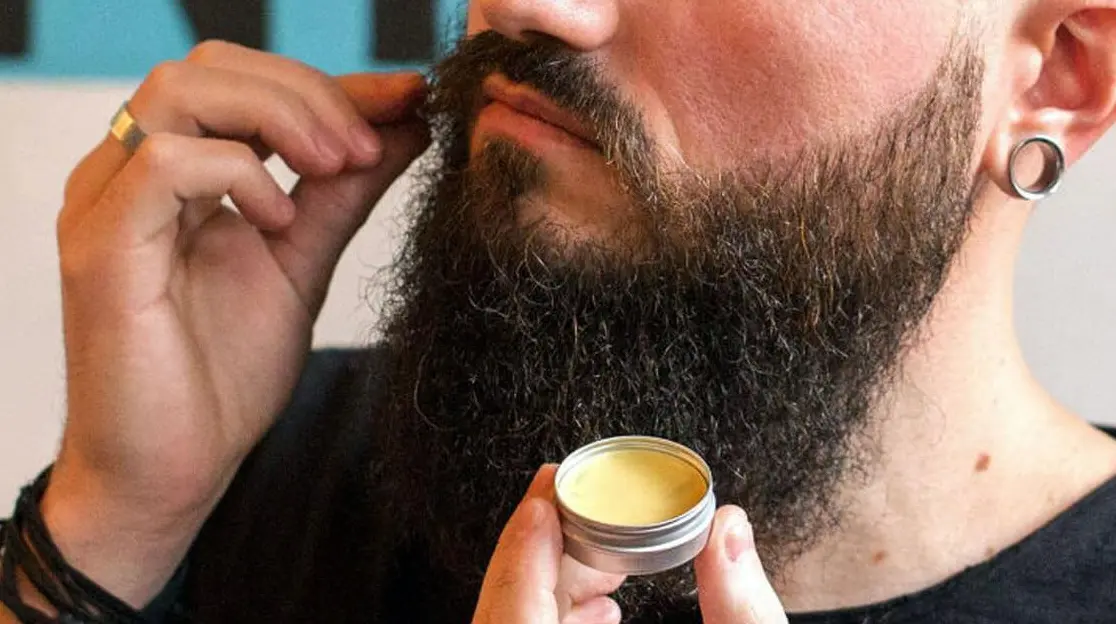
There’s a specific moment most men reach with a growing beard — somewhere past the two-month mark — where oil alone stops being enough. The beard has weight now. It flops in the wrong direction after a shower, flyaways stick out at odd angles, and no amount of combing keeps it in place for more than twenty minutes. That’s usually the point a barber recommends beard balm instead of, or alongside, whatever oil is already in the routine.
This guide covers what beard balm actually does, how it differs from oil, and how to pick and apply one based on your beard’s length and the shape you’re trying to hold.
Table of Contents
What Is Beard Balm and What Makes It Different
Beard balm is a semi-solid grooming product combining carrier oils with waxes like beeswax, giving it enough structure to condition facial hair while also holding it in a specific shape. Unlike oil, which absorbs and leaves no lasting hold, balm sits on the hair and sets slightly as it cools, similar to how a light pomade works on head hair.
That combination — moisture plus mild structure — is what separates a beard styling balm from a purely conditioning product. It’s built for beards that need to hold a shape through the day, not just look and feel healthy.
Beard Balm Benefits
- Light to medium hold. Enough structure to keep flyaways down and a shape in place without looking stiff or unnatural.
- Moisture that lasts longer than oil alone. The wax content slows moisture loss, which helps on longer beards that dry out faster throughout the day.
- Reduced frizz and flyaways. Particularly useful for coarse or curly hair types that oil alone doesn’t fully control.
- Mild, low-key shine. Less glossy than oil, giving a more matte, natural finish once fully worked in.
- A base for shaping detailed styles. Balm is often what makes precise looks like the Van Dyke or Imperial actually hold their intended shape through a full day.
These beard balm benefits are the reason it’s become a standard second step in most grooming routines rather than a replacement for oil.
What’s Actually in Beard Balm
| Ingredient | Role |
| Beeswax | Provides hold and structure, the defining ingredient in most balms |
| Shea butter | Adds deep moisture and softness |
| Cocoa butter | Similar to shea, adds richness and a slightly firmer texture |
| Carrier oils (jojoba, argan, etc.) | Same conditioning function as standalone beard oil |
| Essential oils | Optional, used mainly for scent and minor skin benefits |
The ratio of wax to butter and oil determines how firm the hold is — more wax means stronger hold but a slightly stiffer feel, while more butter and oil means softer hold with more moisture.
Beard Balm vs Oil: Which One Do You Actually Need
This is the question most men actually have, and the honest answer is that they solve different problems.
| Factor | Beard Balm | Beard Oil |
| Hold | Light to strong, depending on formula | None |
| Primary job | Shaping and moisture combined | Pure conditioning |
| Best for | Longer beards, defined styles, flyaway control | All lengths, daily skin and hair health |
| Texture after use | Slightly matte, structured | Light shine, no structure |
| Ideal beard length | Medium to long | Any length, including stubble |
In practice, most experienced groomers use both — oil in the morning as a base layer for the skin and hair, then balm on top if the day calls for extra hold or shaping. If you’re deciding between the two as your primary product, our full beard oil guide covers when oil alone is genuinely enough.
Choosing the Best Beard Balm for Your Length and Style
- Short beards or stubble: A light-hold balm, used sparingly, is usually all that’s needed — oil alone often covers this stage adequately.
- Medium beards: A balanced balm with moderate hold helps manage the awkward growing-out phase where hair is long enough to misbehave but not long enough to lie flat naturally. See our medium beard styles guide for shaping alongside this stage.
- Long, natural beards: Look for a richer, moisture-forward balm rather than one built purely for hold — a Bandholz beard benefits more from taming flyaways than from strong structure.
- Precisely shaped styles: Detailed looks like the Van Dyke beard or Imperial beard usually need a firmer-hold balm to keep clean lines and trained mustache shape through the day.
- Coarse or curly hair: A richer balm with more butter content controls frizz better than a lighter, oil-heavy formula. Our curly beard styles guide covers additional shaping tips for this hair type.
How to Apply Beard Balm the Right Way
- Start with a pea-sized amount. Balm goes further than oil, and it’s easy to over-apply on the first try.
- Warm it between your palms until it softens. Balm needs body heat to become workable — applying it cold leads to uneven distribution.
- Work through the beard from the skin outward. Cover the base first for moisture, then move toward the ends for shape and control.
- Shape as you go. This is the step that separates balm from oil — use your fingers or a comb to guide the hair into the direction you want it to hold.
- Finish with a comb for a cleaner line. A light comb-through after application smooths the finish and removes any product clumping.
- Reapply only as needed. Most men need balm once daily, occasionally twice for longer beards or particularly active days.
Beard Balm by Hold Strength
| Hold Level | Best For | Feel |
| Light | Daily wear, subtle flyaway control | Soft, barely noticeable |
| Medium | Most everyday styling needs | Noticeable structure, still natural |
| Strong | Detailed shaping, mustache training, event days | Firm, holds through humidity and wind |
Most men are better served by a light-to-medium balm for regular use, reserving a stronger hold formula for specific occasions or particularly detailed styles that need to hold precisely, like a shaped mustache paired with a handlebar mustache or a structured mutton chops beard.
Common Mistakes With Beard Balm
- Applying too much at once. This leaves the beard looking stiff, waxy, or unnaturally shiny rather than styled.
- Applying it cold, straight from the tin. Balm needs to soften between your palms before it goes on evenly.
- Using a strong-hold balm on a short beard. Shorter growth rarely needs heavy structure, and it can look overdone.
- Skipping oil entirely and relying on balm alone. Balm conditions less thoroughly than oil on its own; pairing the two usually gives better results than either alone.
- Not combing after application. Skipping this step often leaves visible clumping, especially with firmer-hold formulas.
Myths About Beard Balm
- “Balm and oil do the same thing.” They overlap on conditioning, but only balm provides actual hold and shaping structure.
- “More hold is always better.” A balm that’s too strong for your beard length or style can look stiff and unnatural rather than polished.
- “Balm works the same on every hair type.” Coarse and curly hair typically need a richer formula than fine, straight facial hair to see the same styling effect.
- “You need balm from day one of growing a beard.” Early stubble usually needs conditioning far more than hold — oil alone is generally sufficient at that stage.
Who Needs Beard Balm Most
Beard balm becomes genuinely useful once a beard passes roughly six to eight weeks of growth, when there’s enough length for flyaways and shape control to matter. Men with coarse or curly hair often benefit earlier than that, since texture control becomes relevant sooner. Anyone maintaining a precisely shaped style — a defined chin strap beard, an anchor beard, or a mustache-forward look like the beardstache — will typically get more consistent, day-long results from balm than from oil alone.
Men with shorter styles, including most stubble beard looks, generally don’t need balm regularly, since there’s rarely enough length for hold to matter.
Expert Tips
- If you’re new to using a beard styling balm, apply it after a shower when your beard is towel-dried but not fully dry — this helps distribution.
- Keep both oil and balm in rotation rather than choosing one permanently; use oil daily and add balm on days that call for more structure.
- For detailed styles, apply balm to the mustache and edges last, since these areas usually need the most precise shaping.
- Store balm away from direct heat — high temperatures can soften wax-based formulas and affect texture over time.
- If your beard looks stiff after applying balm, you’ve likely used too much. Work a small amount of oil through afterward to soften the finish.
Beard balm earns its place once a beard has enough length and personality to need actual shaping, not just conditioning. Used correctly, and paired with oil rather than instead of it, it’s one of the more useful additions to a grooming routine for anyone maintaining a specific look rather than letting growth do whatever it wants.
FAQs
What does beard balm actually do? Beard balm conditions facial hair while also providing light to medium hold, helping control flyaways and hold a shape in place, unlike oil which conditions without any structural hold.
What are the main beard balm benefits? Key benefits include moisture that lasts longer than oil, reduced frizz, a natural matte finish, and enough hold to keep a specific beard shape in place through the day.
Is beard balm better than beard oil? Neither is objectively better; they serve different purposes. Oil is best for daily conditioning at any length, while balm adds moisture plus actual hold, making it more useful once a beard has enough length to need shaping.
Can I use beard balm and oil together? Yes, and many barbers recommend it. Applying oil first for conditioning, then balm on top for hold and shape, generally gives better results than using either product alone.
What’s the best beard balm for long beards? A richer, moisture-forward balm with less emphasis on strong hold typically works best for long, natural beards, since taming flyaways matters more than rigid structure at that length.
How much beard balm should I use? A pea-sized amount is usually enough per application. Balm spreads further than oil, and using too much can leave the beard looking stiff or waxy.
Does beard balm work for short beards or stubble? It can, but it’s often unnecessary at that stage. Shorter growth typically benefits more from oil alone, since there’s rarely enough length for hold to make a visible difference.
What ingredients should I look for in a beard styling balm? Beeswax provides hold, while shea butter, cocoa butter, and carrier oils like jojoba or argan add moisture and softness. The ratio between these determines how firm the hold feels.
Can beard balm help with coarse or curly facial hair? Yes. A richer balm with more butter content tends to control frizz and add manageable structure better than oil alone on coarse or curly hair types.
How often should I apply beard balm? Once daily is typical for most men, with a second application on longer beards or particularly active days where hold tends to wear off faster.
Does beard balm leave a greasy finish like some oils can? No. Balm generally dries to a more matte, structured finish rather than the light shine associated with oil, assuming it isn’t over-applied.
What’s the best beard balm hold strength for shaping a mustache? A stronger-hold balm generally works best for training and shaping mustache styles, since it needs to hold precise lines through daily movement and varying weather.