
 By Bread Styles Team
Beard Care Guide: Most men spend months getting their beard to grow in, then spend almost no time actually taking care of it once it’s there. That’s backward, and it’s the single biggest reason a lot of beards look dull, itchy, or unkempt despite plenty of length and density. No matter which beard styles you prefer, growing a beard only gives you the raw material; a proper beard care guide routine is what actually makes it look healthy, well-groomed, and stylish.
This isn’t about an elaborate ten-step regimen with products you’ll use twice and forget about. A genuinely effective beard care guide routine is short, consistent, and built around a few habits that barbers actually recommend — not the aggressive marketing claims you’ll find on half the products in this space. Get the basics right, and most of the common beard complaints (itchiness, dryness, flaking skin, frizz) resolve themselves within a few weeks.
This guide covers everything you need for proper beard care: a realistic daily and weekly routine, the products that genuinely matter versus the ones that are mostly marketing, skin care specifically for the area underneath your beard, and the most common mistakes that undo otherwise good grooming habits. By the end, you’ll know:
- A complete, realistic daily and weekly beard care guide routine
- Which products actually matter and what each one does
- How to care for the skin underneath your beard, not just the hair itself
- Common beard care guide mistakes and how to avoid them
- How beard care guide needs change as your beard grows in length
Let’s start with why a dedicated routine matters in the first place.
Table of Contents
1. Why Beard Care Matters More Than People Think
A beard care is essentially a layer of hair sitting directly on top of skin that’s still producing natural oils, shedding dead skin cells, and reacting to whatever touches it throughout the day — sweat, fabric, food, weather. Without any care routine, all of that builds up, which is exactly why neglected beards often look dull, feel rough, and sometimes develop an unpleasant odor or visible flaking.
A proper beard care guide routine addresses three things simultaneously:
- Hair health — keeping the hair itself soft, manageable, and less prone to frizz or split ends
- Skin health — preventing dryness, irritation, and the flaking that’s sometimes mistaken for dandruff
- Overall appearance — a well-cared-for beard care simply looks more polished and intentional, regardless of the specific style
Most of this comes down to consistency rather than expensive products. A simple routine followed daily outperforms an elaborate one followed sporadically almost every time.
Read More About Types Of Beard Styles: https://beardstyles.net/types-of-beard-styles/
2. The Daily Beard Care Routine
Morning
- Rinse your beard with warm water if you didn’t wash it the night before, to remove any overnight buildup.
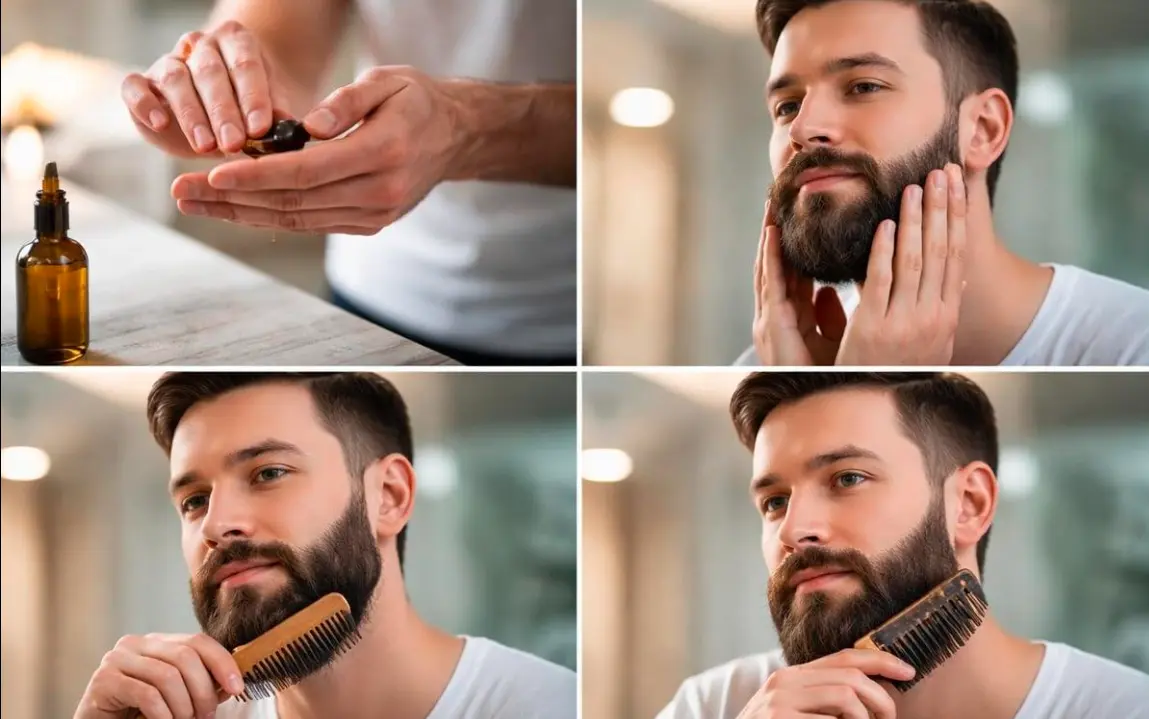
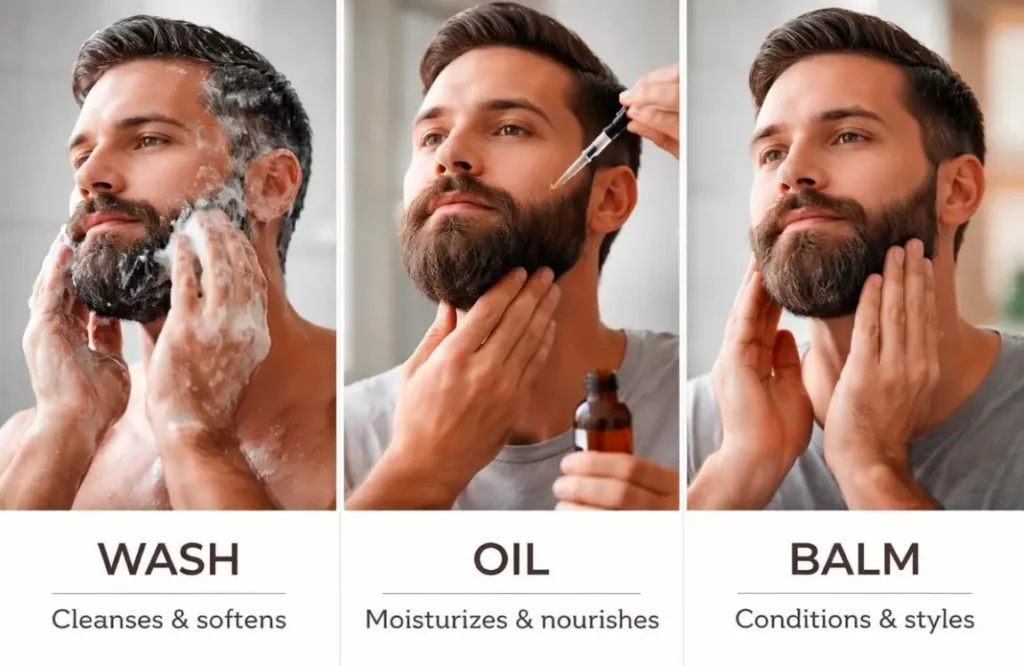
- Apply a small amount of beard oil, focusing on the skin underneath as much as the hair itself. A few drops are usually enough — more isn’t better here.
- Brush or comb your beard care in the direction you want it to lie, which also helps distribute the oil evenly.
Throughout the Day
- Avoid touching your beard excessively. Frequent touching transfers oil and bacteria from your hands and can contribute to breakouts underneath.
- Be mindful around food and drink, particularly with longer beards, where crumbs and spills are more likely to go unnoticed.
Evening
- Apply a small amount of beard balm if your beard care tends toward dryness or frizz, particularly for medium-to-long lengths.
- Brush through once more before bed to keep hair lying flat and reduce tangling overnight.
Read More About Short Beard Styles: https://beardstyles.net/short-beard-styles/
3. The Weekly Beard Care Routine
2–3 Times a Week
- Wash with a dedicated beard wash, rather than regular shampoo, which can be too harsh and drying for both facial hair and the skin underneath.
- Apply conditioner if your beard care is medium-to-long length or prone to tangling, focusing on the ends where dryness is most common.
Once a Week
- Trim stray hairs and split ends, even if you’re not actively shaping the beard care into a specific style.
- Re-check and clean up your neckline and cheek lines, since these blur faster than people expect, even on more natural, less-structured styles.
- Deep-condition if your hair is particularly coarse, curly, or prone to significant dryness,
Read More About Long Beard Styles: https://beardstyles.net/long-beard-styles/
4. Essential Beard Care Products Explained
Beard Oil
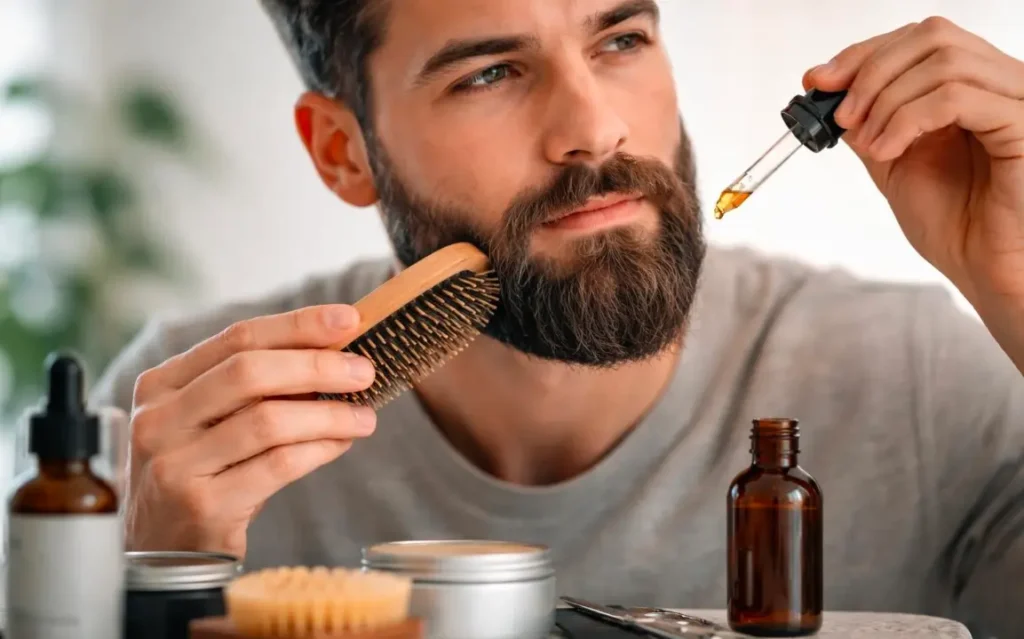
A lightweight oil applied directly to the skin and hair, designed to moisturize the skin underneath the beard care and soften the hair itself. This is generally considered the single most essential beard care guide guide product, useful at virtually any beard length.
Beard Balm
A slightly heavier product than oil, typically containing some wax content for light hold, useful for managing flyaways and providing subtle shape, particularly for medium-to-long beards.
Beard Conditioner
Similar in function to standard hair conditioner, but formulated for facial hair, helping to soften coarse or curly hair and reduce tangling, particularly important as length increases.
Beard Wash
A gentler alternative to regular shampoo, specifically formulated to clean facial hair and the underlying skin without stripping away the natural oils both depend on.
Beard Brush
Typically a boar bristle brush, used to distribute natural oils evenly throughout the beard, train hair direction, and reduce frizz.
Beard Comb
Used primarily for detangling and shaping, particularly useful for checking symmetry when maintaining a specific style like a ducktail or extended goatee.
Trimmer and Detail Trimmer
Essential for maintaining length and precise lines, respectively. A standard trimmer with adjustable guards handles overall length, while a detail trimmer or edger manages neckline and cheek-line precision.
Read More About Goatee Styles: https://beardstyles.net/goatee-styles/
5. Skin Care Underneath Your Beard
This is the part of beard care guide most men skip entirely, and it’s responsible for a significant share of common complaints like itchiness, flaking, and minor breakouts.
Cleansing
Regular, gentle cleansing — ideally with a dedicated beard care wash rather than harsh facial soap — removes built-up oil, sweat, and dead skin cells that can otherwise accumulate underneath the beard.
Moisturizing
The skin underneath a beard care still needs moisture, just as the rest of your face does. A lightweight, fragrance-free moisturizer applied after washing helps prevent the dry, flaky skin that’s sometimes mistaken for dandruff but is actually a buildup of dead skin cells (related to a condition called beard care dandruff, or in more persistent cases, seborrheic dermatitis).
Gentle Exfoliation
Occasional gentle exfoliation, even just with clean fingertips during washing, helps prevent ingrown hairs and reduces the buildup of dead skin that contributes to flaking and irritation.
Read More About Stubble Beard: https://beardstyles.net/stubble-beard/
6. Beard Care by Length: What Changes
Stubble and Short Beards
Minimal product needed beyond beard care oil and occasional gentle washing. Focus is primarily on skin care underneath, since short hair offers less protection from direct friction with clothing and touching.

Medium Beards
Beard care oil remains essential, with balm becoming useful for light shaping and managing flyaways. Brushing and combing daily become more important as there’s enough length to actually tangle or fall out of shape.
Long Beards
Conditioning becomes essential rather than optional, since long hair is significantly more prone to dryness, frizz, and tangling. Daily brushing, regular deep-conditioning, and more frequent trimming of split ends all become part of a realistic routine at this length.
For length-specific styling and growth guidance, see our dedicated guides on short beard styles, medium beard styles, and long beard styles.
Read More About Best Beard For Round Face: https://beardstyles.net/best-beard-for-round-face/
7. Beard Care by Hair Type
Straight, Fine Hair
Generally needs less heavy conditioning than coarser hair types, though beard oil remains important for managing the increased visibility of the skin underneath at shorter lengths.
Thick, Coarse Hair
Benefits from regular conditioning to prevent dryness, since coarse hair can be more prone to feeling rough or wiry without adequate moisture.
Curly or Coily Hair
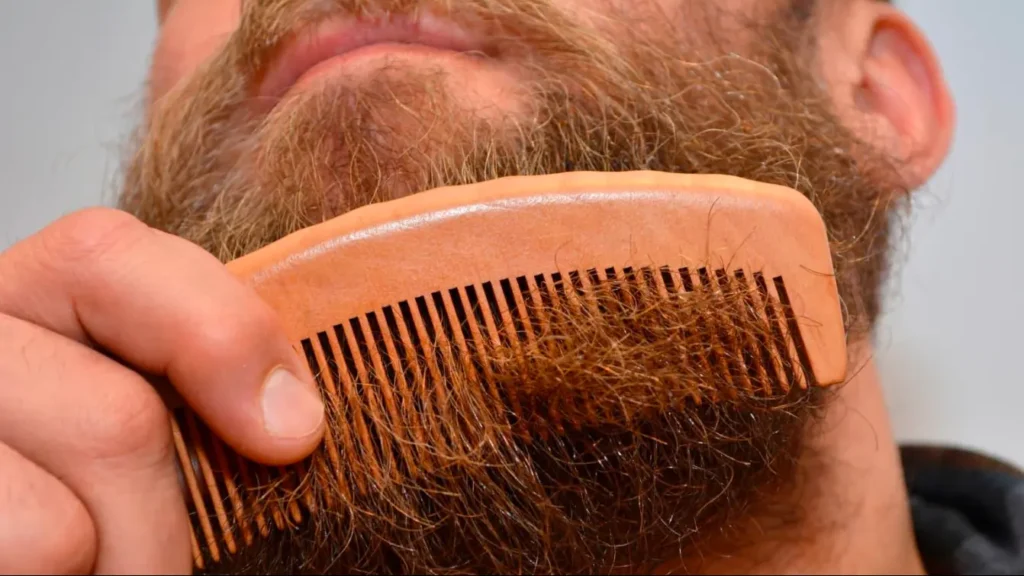
Particularly prone to tangling and ingrown hairs, especially at longer lengths. A wide-tooth comb, regular conditioning, and trimming with the grain rather than against it all help manage this hair type specifically.
Patchy Growth
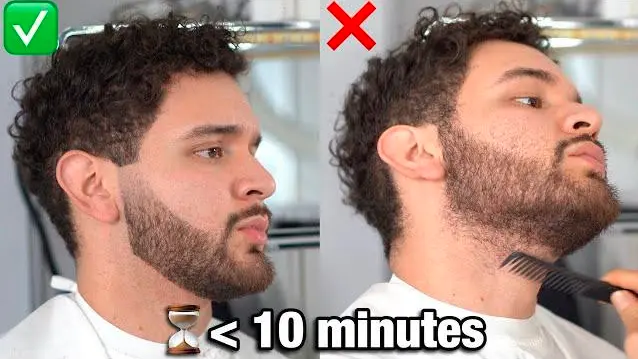
Beard care guide doesn’t fix patchy growth, but healthy skin underneath does support more even-looking growth over time. For style-specific guidance on working with patchy facial hair, see our dedicated guide on how to fix a patchy beard.
Read More About Best Beard For OvalFace: https://beardstyles.net/best-beard-for-oval-face/
8. How to Stop Beard Itch
Beard itch is one of the most common complaints, particularly in the first few weeks of growing a beard, and it’s almost always addressable with proper care.
Causes of Beard Itch
- New hair growth has sharp, slightly curled ends that can irritate the skin as they grow, particularly common in the first 2–4 weeks
- Dry skin underneath the beard, often from inadequate moisturizing or harsh washing products
- Product buildup or irritation from heavily fragranced or low-quality products
How to Address It
- Apply beard care oil daily, focusing specifically on the skin underneath rather than just the visible hair
- Switch to a gentle, dedicated beard care wash if you’re currently using harsh soap or regular shampoo
- Avoid scratching, which can further irritate already sensitive skin and potentially lead to minor infections
- Be patient through the first few weeks of new growth, since much of this initial itchiness resolves on its own as hair lengthens past the sharp, curling stage.
Read More About Patchy Beard: https://beardstyles.net/patchy-beard/
9. How to Wash Your Beard Properly
- Wet your beard thoroughly with warm water.
- Apply a small amount of beard care wash, working it gently into both the hair and the skin underneath rather than just the surface of the beard.
- Rinse thoroughly, since leftover product residue can contribute to irritation or dullness.
- Pat dry with a clean towel rather than rubbing aggressively, which can cause unnecessary friction and frizz.
- Apply beard oil while the beard is still slightly damp, which helps it absorb more evenly than applying to a completely dry beard.
Frequency: Most barbers recommend washing 2–3 times a week rather than daily, since daily washing — particularly with regular shampoo — can strip away the natural oils both the hair and skin depend on.
Read More About Balbo Beard: https://beardstyles.net/balbo-beard/
10. How to Trim and Shape Your Beard Safely
- Always trim dry hair, since wet hair can appear longer than it actually is, leading to over-trimming.
- Use a guard length slightly longer than your target for the first pass, then go shorter if needed — it’s easier to remove more length than to fix an overly short trim.
- Define your neckline before shaping the rest of the beard, using it as a foundational guide.
- Trim with the grain first when shaping facial hair close to the skin, reducing the risk of irritation, then lightly against the grain only if a closer finish is specifically needed.
- Check your work in good lighting from multiple angles before considering a trim finished, since asymmetry is often more visible after the fact than during the process itself.
Read More About Duktail Beard: https://beardstyles.net/ducktail-beard/
11. Common Beard Care Mistakes
- Using regular shampoo instead of beard wash — strips natural oils more aggressively than facial hair and skin can handle on a regular basis
- Over-washing — daily washing, even with a gentle product, can lead to dryness over time
- Skipping beard oil entirely — one of the simplest, most impactful habits to skip, and one of the most common reasons for ongoing itchiness or dullness
- Ignoring the skin underneath — focusing only on the visible hair while neglecting cleansing and moisturizing of the skin beneath it
- Trimming wet hair — leads to inaccurate length judgment and potential over-trimming
- Inconsistent routine — sporadic care, even with good products, is far less effective than a simple routine followed consistently.
Read More About Van Dyke Beard: https://beardstyles.net/van-dyke-beard/
12. Common Myths About Beard Care
Myth: More product always means better results. A small amount of beard oil, applied consistently, is generally more effective than large amounts applied infrequently; excess product can also leave hair feeling greasy rather than soft.
Myth: Beard oil and beard balm do the same thing. Beard oil primarily moisturizes the skin and softens hair, while beard balm adds light hold and helps manage shape — they serve related but distinct purposes.
Myth: Washing your beard daily keeps it healthier. Daily washing, particularly with regular shampoo, often does the opposite by stripping away natural oils that both the hair and skin underneath depend on.
Myth: Beard itch means something is wrong with your skin. In most cases, it’s simply a normal part of new hair growth in the first few weeks, resolving on its own with basic care rather than indicating an underlying problem.
Read More About Circle Beard: https://beardstyles.net/circle-beard/
13. When to See a Dermatologist About Beard or Skin Issues
Most beard care guide issues — itchiness, mild dryness, occasional flaking — respond well to a consistent basic routine. However, it’s worth speaking with a dermatologist if you notice:
- Persistent, severe redness or scaling underneath the beard that doesn’t improve with regular moisturizing and gentle cleansing
- Recurring, painful bumps or what appears to be infected ingrown hairs
- Sudden, unexplained patchy hair loss that wasn’t part of your normal growth pattern
- Symptoms that resemble seborrheic dermatitis (persistent flaking, redness, and itchiness that doesn’t respond to basic care)
A dermatologist can properly diagnose and treat underlying skin conditions that basic beard care guide products aren’t designed to address.
Read More About Beard Without Mustache: https://beardstyles.net/beard-without-mustache/
14. Conclusion Beard Care Guide
A genuinely effective beard care guide routine doesn’t need to be complicated — it needs to be consistent. Daily beard oil, washing with a dedicated beard wash two to three times a week, regular brushing or combing, and weekly attention to your neckline and cheek lines cover the vast majority of what actually keeps a beard looking and feeling healthy.
If you’re just starting to build a routine, focus on beard oil and proper washing frequency first, since these two habits alone resolve most common complaints like itchiness and dullness. From there, you can add balm, conditioner, or more specific styling tools as your beard grows and your particular needs become clearer.
FAQ
1. How often should I wash my beard? Most barbers recommend washing 2–3 times a week with a dedicated beard wash, rather than daily, to avoid stripping away natural oils.
2. What’s the difference between beard oil and beard balm? Beard oil primarily moisturizes the skin underneath and softens hair, while beard balm adds light hold and helps manage shape, particularly useful for medium-to-long beards.
3. Why does my beard itch so much? Beard itch is usually caused by new hair growth in the first few weeks, dry skin underneath the beard, or irritation from harsh washing products, and typically resolves with consistent basic care.
4. Do I need beard balm if I have a short beard? Not necessarily — beard oil alone is often sufficient for stubble and short beard lengths, while balm becomes more useful as length and styling needs increase.
5. How do I get rid of beard dandruff? Regular gentle washing with a dedicated beard wash, daily moisturizing with beard oil, and occasional gentle exfoliation typically address mild beard dandruff; persistent cases may warrant a dermatologist’s input.
6. What products do I actually need for basic beard care? Beard oil, a beard wash, and a comb or brush cover the essential basics for most beard lengths and styles.
7. Can I use regular shampoo on my beard? It’s generally not recommended, since regular shampoo can be too harsh and drying for both facial hair and the skin underneath compared to a dedicated beard wash.
8. How do I stop my beard from looking frizzy? Regular conditioning, daily beard oil application, and brushing with a boar bristle brush all help reduce frizz, particularly important for medium-to-long beards.
9. Should I trim my beard wet or dry? Always trim dry hair, since wet hair can appear longer than it actually is, increasing the risk of over-trimming.
10. How long does beard itch usually last? Beard itch related to new growth typically resolves within the first 2–4 weeks as hair lengthens past its initial, sharp-edged growth stage.
11. What’s the best beard care routine for beginners? Daily beard oil application, washing 2–3 times a week with a dedicated beard wash, and weekly trimming of stray hairs cover the basics most beginners need.
12. Does beard care change as my beard gets longer? Yes — longer beards require more conditioning, more frequent brushing, and more attention to split ends compared to short or medium-length beards.
13. Can beard care help with patchy growth? Beard care supports healthy skin, which can contribute to more even-looking growth over time, but it doesn’t fundamentally change genetic follicle density or distribution.
14. Why is the skin under my beard so dry? This is often caused by inadequate moisturizing, harsh washing products, or simply natural dryness exacerbated by the beard trapping less moisture than expected; regular gentle cleansing and a lightweight moisturizer typically help.
15. When should I see a dermatologist about my beard? Persistent severe redness, recurring painful ingrown hairs, sudden unexplained patchy hair loss, or symptoms resembling seborrheic dermatitis are all worth discussing with a dermatologist.