 By Beard Style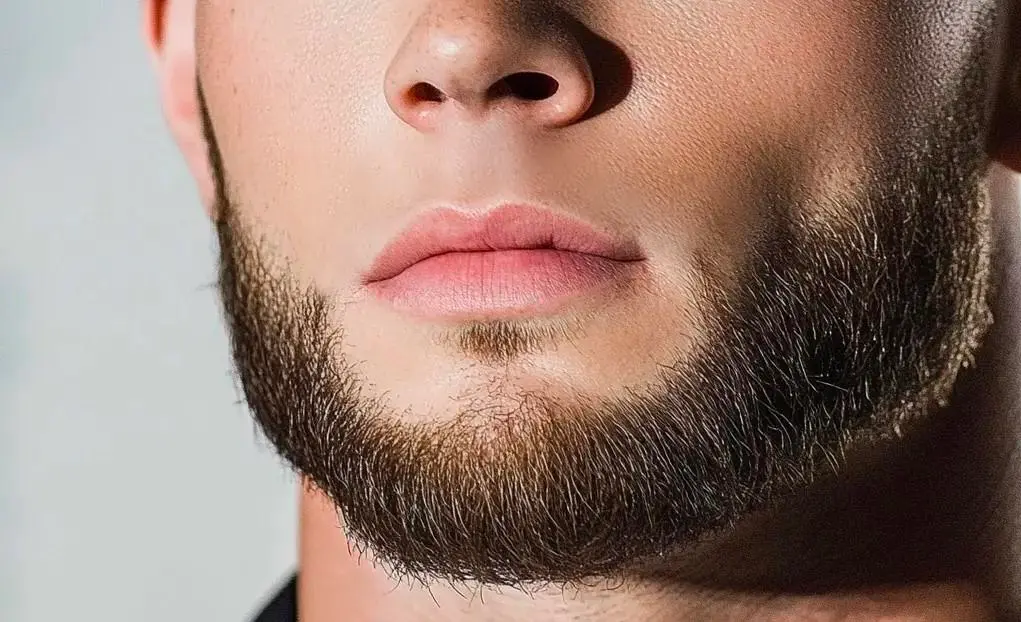
A beard without mustache is one of those looks that’s either growing in popularity or simply becoming more visible, depending on who you ask — but either way, it’s far from a niche request at the barbershop these days. Whether the motivation is a mustache that grows in noticeably thinner than the rest of the beard styles, a personal style preference, or simply wanting something distinct from the usual full-beard-with-mustache combination, going beard-only is a completely legitimate, low-maintenance option that suits a wider range of men than you might expect.
What makes this style work is precisely what makes it slightly tricky: the upper lip has to stay consistently and cleanly shaved while the rest of the beard grows freely, which means daily attention to one small, very visible area of the face. Get that part right, and a beard without mustache reads as a deliberate, modern choice rather than simply “forgot to shave the mustache.”
This guide covers everything: why men choose this look, the specific styles that work well without a mustache, how to grow and maintain one properly, and the common mistakes that make the style look unintentional rather than deliberate. By the end, you’ll know:
- Why a beard without mustache works for many face shapes and hair types
- The specific named styles that fall under this category
- How to shave the upper lip cleanly without irritating the skin
- A full maintenance routine to keep the look sharp
- Common mistakes and myths worth knowing before you commit
Let’s start with why people choose this look in the first place.
Table of Contents
1. What Is a Beard Without Mustache, Exactly?
A beard without mustache refers to any facial hair style where the chin and jaw area is grown out while the entire upper lip is kept fully and consistently shaved. This applies across a wide range of lengths and shapes — it can be a short chin beard, a medium full-coverage jaw beard, or even a long, Amish-style beard, as long as the mustache area specifically remains clean-shaven.
This isn’t a single named style on its own; it’s better understood as a modifier that can be applied to several existing beard styles, removing the mustache component from each one.
Read More About Types Of Beard Styles: https://beardstyles.net/types-of-beard-styles/
2. Why Men Choose a Beard Without a Mustache
There are a few genuinely common, practical reasons men opt for this look:
- Uneven growth between the mustache and chin. Many men grow noticeably thicker, more even hair on the chin and jaw than on the upper lip; removing the weaker mustache area often looks cleaner than trying to work around it.
- Personal or cultural preference. Some religious and cultural traditions specifically favor a beard without mustache, most notably among certain Amish communities and some Muslim grooming traditions.
- Simplicity. Without a mustache to shape and maintain separately, daily grooming becomes slightly more straightforward — there’s one less section requiring its own trimming routine.
- A distinct personal look. For some men, it’s simply an aesthetic preference that stands out from the more common full-beard-with-mustache combination.
Understanding your own reason matters because it affects which specific style and length will look most intentional for you.
Read More About Short Beard Styles: https://beardstyles.net/short-beard-styles/
3. Best Beard Styles Without a Mustache
Chin Beard (Short, No Mustache)
A relatively short beard focused on the chin and jawline, with the upper lip and cheeks kept shaved or very lightly stubbled.
Styling difficulty: Low-medium. Maintenance level: Medium — requires consistent shaving of the upper lip and often the cheeks. Best for: Most face shapes; particularly forgiving of mustache-specific patchiness.
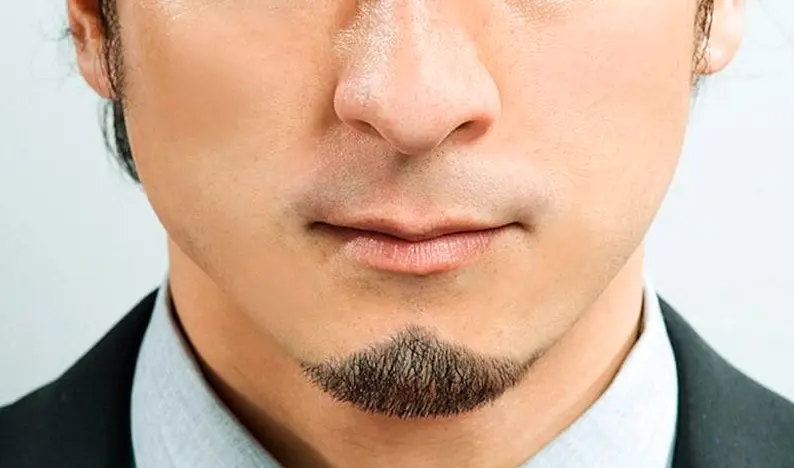
Goatee Without Mustache
A goatee style with hair grown only on the chin, leaving both the cheeks and upper lip shaved clean.
Styling difficulty: Low. Maintenance level: Medium. Best for: Round and oval faces; covered in more detail in our complete goatee styles guide.

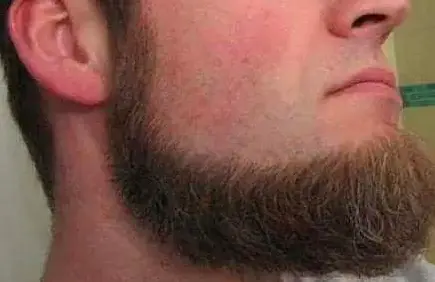
Full Jaw Beard (No Mustache)
A fuller beard covering the cheeks and jawline at a medium length, with the upper lip kept shaved while the rest grows naturally.
Styling difficulty: Medium. Maintenance level: Medium-high — requires regular shaving of just the upper lip while the rest of the beard is left mostly untouched. Best for: Oval, square, and diamond faces.
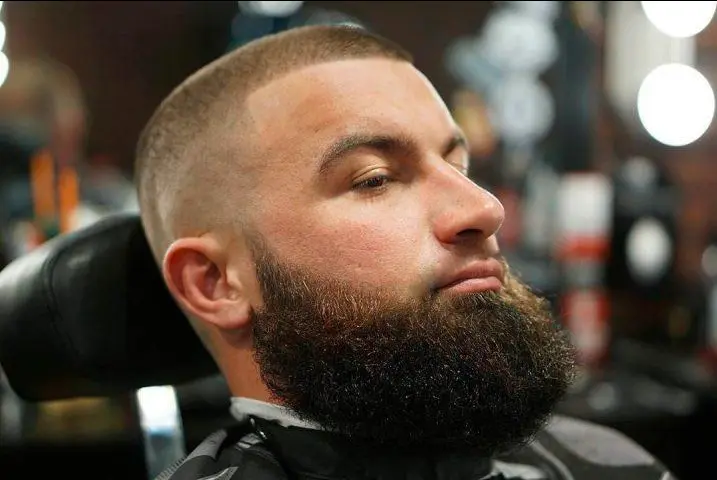
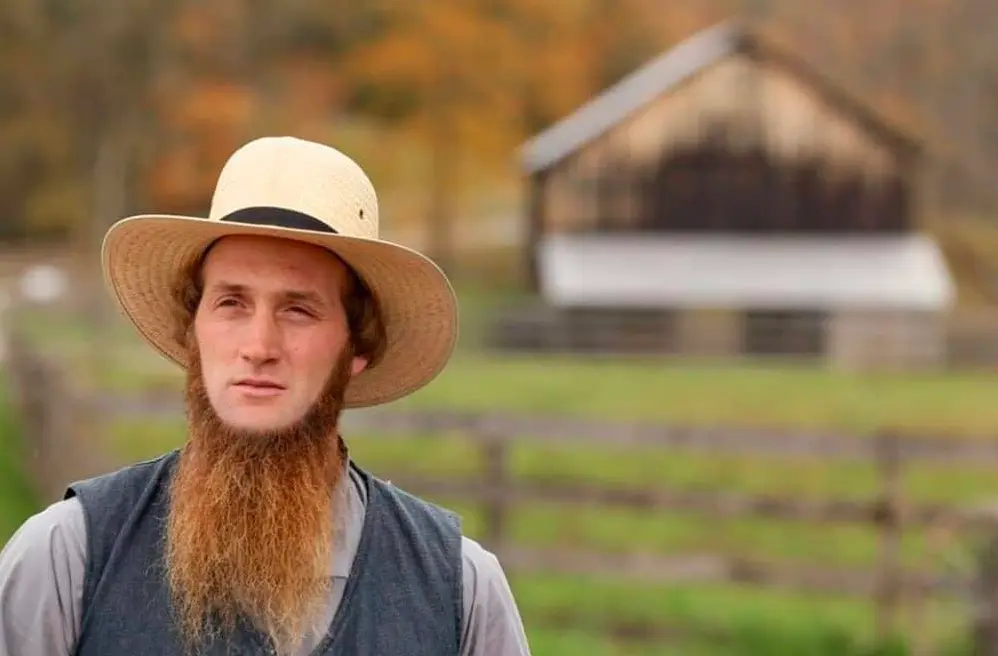
Amish-Style Beard
A long, full beard covering the chin and jaw with no mustache, traditionally associated with Amish grooming customs, where the upper lip remains permanently shaved.
Styling difficulty: Low-shaping, but requires patience to grow. Maintenance level: Medium — primarily upper lip shaving, with minimal shaping of the rest of the beard. Best for: Oval and long faces; covered in more detail below.
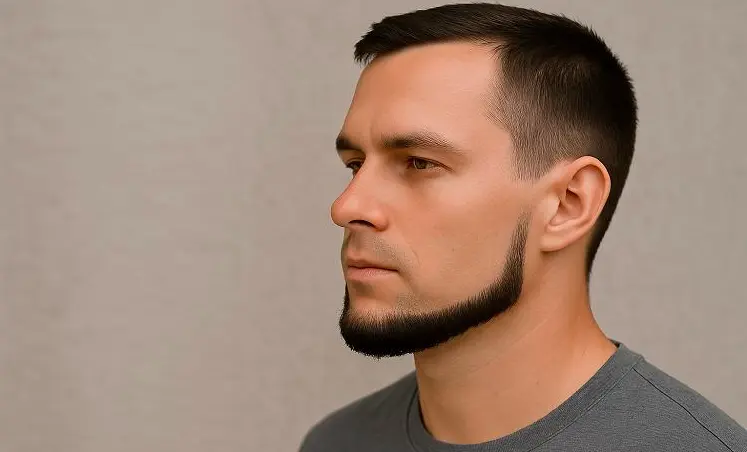
Chin Strap (No Mustache)
A thin line of hair tracing the jawline, with the chin, cheeks, and upper lip all kept shaved.
Styling difficulty: Medium. Maintenance level: Medium-high — the thin strap requires precise, frequent edging. Best for: Oval and long faces, adding width along the jaw.
Read More About Long Beard Styles: https://beardstyles.net/long-beard-styles/
4. Long Beard Without Mustache
A long beard without mustache deserves its own breakdown, since it comes with a few specific considerations beyond the shorter variations above.
What Makes It Different
- More noticeable contrast. At length, the gap where a mustache would normally connect to the beard becomes a more prominent visual feature, rather than a subtle detail.
- More frequent upper lip shaving needed. As the rest of the beard is allowed to grow for months, the upper lip still needs daily or near-daily attention to maintain the clean separation.
- Conditioning becomes more important. Like any long beard style, dryness and tangling become more likely the longer the hair grows, requiring regular beard oil and occasional conditioning.
Styling Considerations
A long beard without a mustache, similar to the Amish-style beard, tends to look most intentional when the upper lip area is kept very clean and slightly higher-shaved than the natural mustache line would sit, creating a clear, deliberate gap rather than an ambiguous, partially-grown appearance.
Realistic expectation: Expect four to six months of growth, similar to other long beard styles, with daily upper-lip maintenance throughout that entire growth period.
Read More About Goatee Styles: https://beardstyles.net/goatee-styles/
5. Beard Without Mustache by Face Shape
| Face Shape | Suitability | Why |
| Oval | Excellent | Balanced proportions suit nearly any length without a mustache |
| Round | Good, with shorter styles | A chin-focused beard adds definition; very long styles should be approached carefully |
| Square | Good | A tightly shaped chin or jaw beard complements strong jaw angles |
| Long/Narrow | Good, with caution on length | Adding more length can over-elongate the face; a fuller, wider chin beard helps balance this |
| Diamond | Good | A full jaw beard adds width to balance a narrow chin and forehead |
| Heart | Good | A fuller jaw-focused beard adds width along a narrower jawline |
6. Beard Without Mustache by Hair Type
Thick, Coarse Hair
Holds shape well across nearly any version of this style, including longer Amish-style variations.
Fine, Straight Hair
Can look slightly less full in longer styles. A medium-length full jaw beard often looks more deliberate than attempting significant length with fine hair.

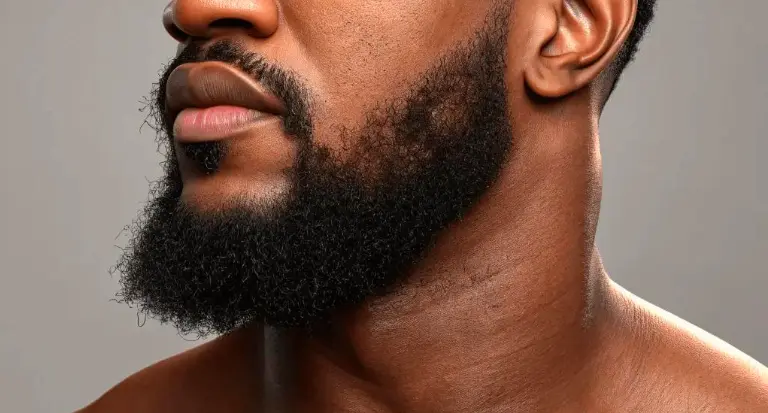
Curly or Coily Hair
Adds natural volume, which works particularly well for fuller jaw beard styles. Regular conditioning helps manage tangling at longer lengths.
Patchy Mustache Growth Specifically
This is exactly the situation a beard without mustache is designed around. If your mustache grows in noticeably thinner or patchier than your chin and jaw hair, removing it entirely is often a cleaner solution than trying to blend uneven mustache growth into the rest of the beard.
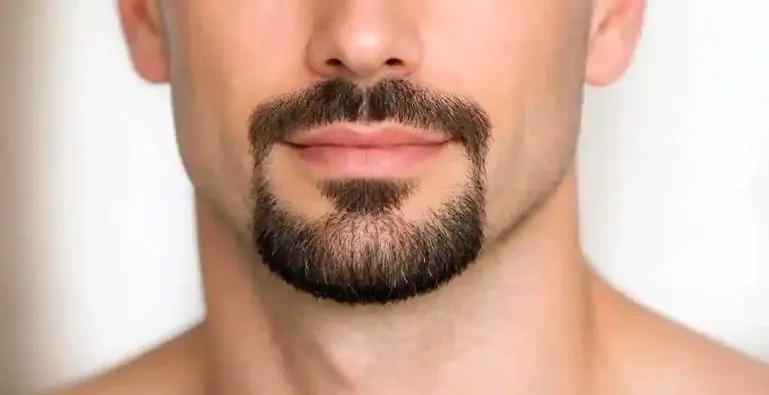
Read More About Stubble Beard: https://beardstyles.net/stubble-beard/
7. How to Grow a Beard Without a Mustache (Step by Step)
- Let everything grow for 3–4 weeks initially. This lets you assess your natural growth pattern across the chin, jaw, and mustache area before making styling decisions.
- Shave the upper lip from the very start, even while the rest grows. Unlike some styles where you wait to shape lines, the mustache area should be kept shaved from day one to avoid an awkward, uneven in-between stage.
- Decide on your target style and length. A short chin beard, full jaw beard, or longer Amish-style look will determine how much additional growth time you need.
- Shape the rest of the beard once it’s reached your target length. Define cheek lines and the neckline as needed, depending on your chosen style.
- Maintain the upper lip shave consistently. This becomes the single most important daily task in maintaining the overall look.
Realistic expectation: Shorter styles like a chin beard or goatee without a mustache look intentional within 3–4 weeks, while longer, fuller jaw or Amish-style beards take several months to fully develop.
Read More About Best Beard For Round Face: https://beardstyles.net/best-beard-for-round-face/
8. How to Shave the Mustache Area Cleanly
Since this is the defining maintenance task for the entire style, it’s worth covering properly.
- Use warm water or a warm towel before shaving to soften the hair and open pores slightly, reducing irritation.
- Apply a quality shaving cream or gel specifically to the upper lip area.
- Shave with the grain first, following the natural direction of hair growth to minimize irritation.
- Use short, controlled strokes rather than long, sweeping ones, since the upper lip area is small and prone to nicks if rushed.
- Rinse with cool water and apply a soothing balm or aftershave to reduce redness and irritation.
Barber tip: If you experience frequent irritation or ingrown hairs in this specific area, switching to a single-blade razor or a precision trimmer set very close to the skin can sometimes reduce irritation compared to a multi-blade cartridge razor.
Read More About Patchy Beard: https://beardstyles.net/patchy-beard/
9. Maintenance Routine for a Beard Without a Mustache
Daily
- Shave the upper lip area to maintain the clean separation
- Apply beard oil to the rest of the beard to keep it soft and manageable
Weekly
- Trim the overall beard length and shape, depending on your specific style
- Re-check cheek lines and neckline definition if your style includes them
Skin Care
The upper lip area is shaved frequently, which makes it more prone to irritation than less-frequently-shaved parts of the face. A gentle, fragrance-free moisturizer applied after shaving helps maintain healthy skin in this area specifically.
Read More About Best Beard For Oval Face: https://beardstyles.net/best-beard-for-oval-face/
10. Tools You Need
- Razor or precision trimmer — specifically for the upper lip area, used daily or near-daily
- Shaving cream or gel — reduces irritation in this frequently shaved zone
- Trimmer with adjustable guards — for maintaining the rest of the beard’s overall length
- Beard oil — keeps the rest of the beard soft, particularly important for longer styles
- Soothing balm or aftershave — helps calm the upper lip skin after shaving
Read More About Balbo Beard: https://beardstyles.net/balbo-beard/
11. Is a Beard Without Mustache Professional?
Most styles in this category read as neat and professional, provided the upper lip is consistently and cleanly shaved.
Generally accepted in: Most offices, client-facing roles, and conservative industries, particularly shorter chin beard and goatee variations. Worth checking dress codes for: Very long, Amish-style beards in extremely traditional industries, where any longer beard style may be viewed as less conventional regardless of the mustache.
Professional barber advice: A short, well-defined chin beard or goatee without a mustache is one of the more universally professional-reading options within this category.
Read More About Duktail Beard: https://beardstyles.net/ducktail-beard/
12. Common Mistakes With This Style
- Letting the mustache area grow out between shaves — undermines the entire clean, intentional look the style depends on
- Shaving the upper lip too aggressively — increases the risk of irritation, particularly with frequent daily shaving
- Ignoring the rest of the beard’s shape — focusing only on the mustache area while neglecting cheek lines or the neckline creates an unfinished overall appearance
- Choosing a very long style despite significant mustache patchiness without confirming chin and jaw growth is solid — the rest of the beard still needs to look full and intentional on its own
- Not moisturizing the frequently shaved upper lip area — leads to dryness, irritation, or ingrown hairs over time
Read More About Van Dyke Beard: https://beardstyles.net/van-dyke-beard/
13. Common Myths About Going Beard-Only
Myth: A beard without mustache always looks unfinished. When the upper lip is shaved cleanly and consistently, and the rest of the beard is properly shaped, this style reads as a deliberate, complete look rather than an unfinished one.
Myth: This style only works for religious or cultural reasons. While it’s associated with certain Amish and some Muslim grooming traditions, plenty of men choose this look purely for personal style or practical growth-pattern reasons.
Myth: You need to have a patchy mustache to wear this style. While uneven mustache growth is a common reason men choose this look, it’s a legitimate style choice regardless of how your mustache actually grows in.
Myth: A beard without mustache can’t be worn long. Long, full versions like the Amish-style beard demonstrate that this look works at virtually any length, provided the upper lip is maintained consistently throughout.
Read More About Circle Beard: https://beardstyles.net/circle-beard/
14. Who Should Avoid This Style
This look isn’t the right fit for every situation:
- If you strongly prefer the visual balance a mustache adds to a full beard, this style removes that specific element entirely
- If you’re not prepared for daily or near-daily upper lip shaving, the maintenance commitment for this specific area is higher than some other styles
- If your chin and jaw growth is itself significantly patchy, removing the mustache alone won’t address unevenness elsewhere on the face — in that case, styles like heavy stubble or a corporate beard might be more forgiving
Read More About Corportae Beard: https://beardstyles.net/corporate-beard/
15. Conclusion
A beard without mustache is a fully legitimate, often practical styling choice — whether you’re working around a thinner mustache, following a personal or cultural preference, or simply prefer the cleaner look of a chin-and-jaw-focused beard. From a short chin beard to a long, Amish-style look, the style works across a wide range of lengths and face shapes, with the daily upper lip shave being the one consistent, non-negotiable maintenance task that holds the entire look together.
If you’re considering this style, start by confirming your chin and jaw growth is solid enough to carry the beard on its own, commit to shaving the upper lip daily from the very beginning of your growth period, and don’t be afraid to experiment with shorter chin beard or goatee variations before committing to a longer, fuller version.
FAQ
1. What is a beard without mustache called? There’s no single universal name — it’s commonly referred to as a chin beard, goatee without mustache, or, in its longer form, an Amish-style beard.
2. Why do some men grow a beard without mustache? Common reasons include uneven or patchy mustache growth compared to the rest of the beard, personal style preference, and certain religious or cultural grooming traditions.
3. Does a beard without mustache look unfinished? No — when the upper lip is shaved cleanly and consistently and the rest of the beard is properly shaped, it reads as a deliberate, complete style rather than an unfinished one.
4. Can I grow a long beard without mustache? Yes — long, full styles like the Amish-style beard demonstrate that this look works at significant length, provided the upper lip is maintained throughout the growth period.
5. How often do I need to shave the mustache area? Most men need to shave this area daily or near-daily to maintain the clean separation that defines the style.
6. What’s the best beard style without a mustache for beginners? A short chin beard or goatee without a mustache is generally the easiest starting point, requiring less overall growth time and styling complexity than longer variations.
7. Is a beard without mustache suitable for a round face? Yes — a chin-focused beard without mustache can add helpful definition to a round face, though very long styles should be approached with some caution.
8. Why does my mustache grow in patchier than my beard? This is a common, genetically determined growth pattern variation; many men simply have denser follicle distribution on the chin and jaw than on the upper lip.
9. Is a beard without mustache professional enough for work? Generally yes, particularly shorter chin beard and goatee variations, which are widely accepted in most office and client-facing environments.
10. What products do I need for a beard without mustache? A razor or precision trimmer for the upper lip, shaving cream, a trimmer for the rest of the beard, beard oil, and a soothing balm or aftershave cover the essentials.
11. Can curly or coily hair work for this style? Yes — curly or coily hair often adds natural volume that suits fuller jaw beard variations particularly well.
12. Does shaving the mustache area cause irritation? It can, since this small area is shaved frequently; using warm water, a quality shaving product, and shaving with the grain significantly reduces this risk.
13. What’s the Amish-style beard? It’s a long, full beard covering the chin and jaw with no mustache, traditionally associated with Amish grooming customs that keep the upper lip permanently shaved.
14. Can I switch between a beard with and without a mustache? Yes — since this style is more of a modifier than a single fixed look, you can grow a mustache back at any time if your preference changes, though it will need its own growth period to fill in.
15. What face shapes suit a beard without mustache best? Oval, square, and diamond face shapes tend to suit this style particularly well, though most face shapes can wear some version of it with the right length and shaping choices.