 By Bread Styles Team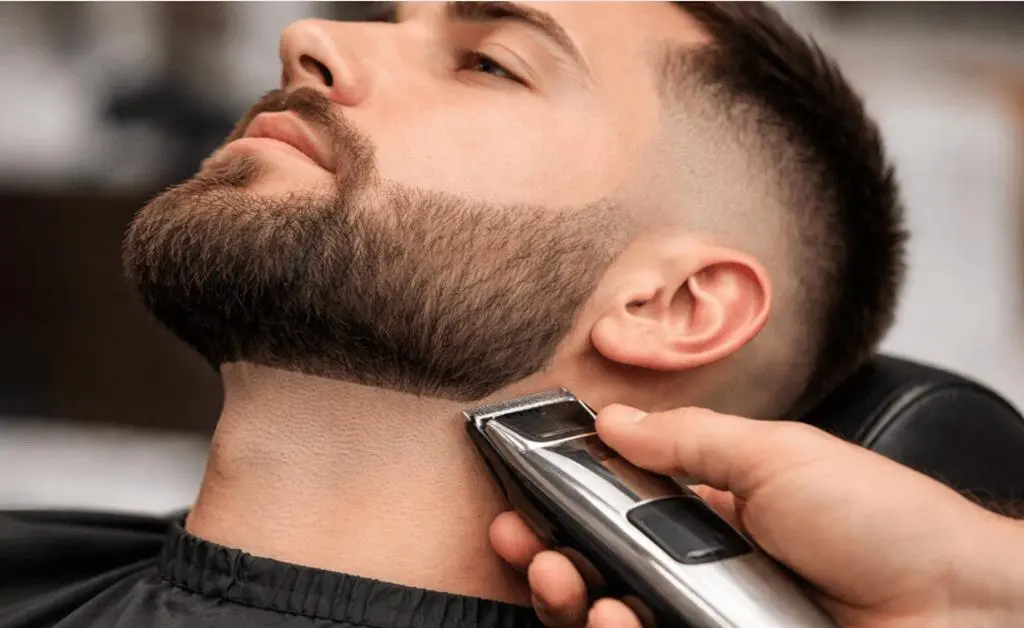
Most beard advice gets thrown at you all at once — trim here, oil there, watch for this skin issue — without any sense of when each piece actually applies. This beard grooming guide takes a different approach. It’s organized around the stage your beard is actually in, because what a two-week-old beard needs is almost nothing like what a six-month beard needs. Whether you’re growing your first beard or trying to tighten up a routine that’s gotten sloppy, this guide walks through what matters at each point and links out to deeper resources for the parts that need more detail.
Table of Contents
What This Beard Grooming Guide Actually Covers
Beard grooming isn’t one skill — it’s a handful of smaller ones layered together: growing patiently, shaping deliberately, and maintaining consistently. A complete grooming approach touches trimming, cleansing, conditioning, styling, and skin health underneath the hair, not just how the beard looks from the outside. This guide covers all of it, broken into the order you’ll actually need it.
The Three Stages of Beard Grooming
Nearly every beard-related question falls into one of three stages, and knowing which one you’re in solves most confusion instantly.
| Stage | Timeframe | Main Focus |
| Growing | Weeks 1–6 | Patience, itch management, minimal trimming |
| Shaping | Weeks 6–12 | Defining lines, choosing a style, early styling |
| Maintenance | Ongoing | Routine, product stack, long-term upkeep |
Stage One: Growing (Weeks 1–6)
The growing stage is where most beards get ruined before they even get started, usually from impatience rather than bad technique.
What to Expect
Growth comes in unevenly. Cheeks often fill in slower than the chin and mustache area, and that’s normal, not a sign of a patchy beard problem that needs fixing. Itch is also common in the first two weeks as new hair pushes through skin that isn’t used to it yet.
What to Actually Do
- Apply beard oil daily to manage itch and early dryness
- Avoid trimming except for a few stray neck hairs that are clearly outside any reasonable line
- Resist comparing your progress to someone else’s genetics-driven timeline
For a full walkthrough of accelerating this stage safely, how to grow a beard faster covers diet, sleep, and product support in more depth.
Stage Two: Shaping (Weeks 6–12)
Once there’s enough length to work with, grooming shifts from “leave it alone” to “start defining it.”
Establishing Your Lines
This is when the beard neckline and beard cheek line get their first real definition. A clean neckline sits roughly one to two finger-widths above the Adam’s apple, and a cheek line should follow your natural growth pattern rather than being cut too aggressively straight.
Picking a Direction
This is also the point to commit to a general style direction — short and tight, medium with more shape, or letting it run longer. The types of beard styles overview is worth browsing here if you haven’t settled on a direction yet.
Barber tip: Don’t finalize cheek or neckline placement until you’ve seen how the beard fills in over a few weeks. Cutting too early based on incomplete growth is one of the most common shaping mistakes.
Stage Three: Maintenance (Ongoing)
This is where a beard grooming guide becomes less about learning and more about repetition — the routine that keeps a beard looking intentional indefinitely.
The Core Ongoing Routine
- Daily: Rinse, apply oil to a towel-dried beard, brush or comb through
- 2–3 times weekly: Wash with a dedicated beard shampoo
- Weekly: Touch up the neckline and cheek line
- Every 4–6 weeks: Full trim, whether self-done or with a barber
This maintenance rhythm is covered step by step in the beard care checklist, which works well as a running reference once you’ve internalized the basics here.
Choosing a Style That Fits Your Face
Face shape has more influence on which beard style actually looks proportional than most men expect. A style that balances a round face by adding angles will look completely different on a square face that already has strong angles to soften. The general logic:
- Round faces benefit from styles with more length and defined angles at the jaw
- Square faces benefit from softer, rounder shapes that ease sharp corners
- Oval faces have the most flexibility and suit nearly any oval face beard style
- Long or oblong faces do well with fuller width on the sides rather than added length
If you’re unsure where you fall, comparing your jawline and forehead width against a mirror is usually enough to narrow it down before trying a new shape.
Grooming by Beard Type and Hair Texture
Not every beard responds to grooming the same way, and hair texture changes what actually works.
| Beard Type | Grooming Priority |
| Curly beard | Daily brushing to prevent tangling and frizz |
| Straight beard | Lighter product use, less prone to tangling |
| Thick beard | Conditioner in addition to oil, more thorough washing |
| Thin beard | Lighter products so hair doesn’t look weighed down |
| Grey or salt-and-pepper beard | UV protection and brightening formulas to prevent yellowing |
Grooming by Age Group
Grooming priorities shift somewhat with age, mostly due to changes in hair texture, growth pattern, and skin sensitivity over time.
- Teens and early 20s: Focus on patience through uneven early growth; see beard styles for teenagers for realistic expectations at this stage
- 30s and 40s: Typically the most consistent growth phase, ideal for more defined, professional shapes
- Over 40: Texture often coarsens and greying may begin; beard styles for men over 40 covers styling adjustments for this stage
- Over 50: Skin sensitivity and dryness tend to increase, making gentler products more important; see beard styles for men over 50
Building Your Grooming Toolkit and Product Stack
A functional setup doesn’t need to be complicated. At minimum:
Tools: Trimmer, scissors, wide-tooth comb, boar-bristle brush Products: Beard oil, beard wash, beard balm once styling begins
For the full reasoning behind each tool choice, the beard grooming tools guide breaks down what to buy and why. For matching products to your specific beard type and skin, best beard products covers ingredient-level detail worth knowing before you buy anything.
Professional Barber vs At-Home Grooming
| Factor | At-Home Grooming | Professional Barber |
| Cost | Lower over time | Higher, but includes expertise |
| Precision | Good with practice | Consistently sharper lines |
| Convenience | Available anytime | Requires scheduling |
| Best for | Routine upkeep between visits | Initial shaping, major style changes |
A practical approach for most men is home maintenance between visits, with a professional trim every couple of months to reset lines and catch anything a home routine might miss.
Common Beard Problems and Quick Fixes
- Persistent itch: Usually a washing or oiling frequency issue, not a skin condition
- Beard dandruff: Often caused by overwashing or under-moisturizing, not poor hygiene
- Ingrown beard hair: Warm compresses and gentle exfoliation resolve most cases without picking
- Beard acne: Frequently linked to product buildup or infrequent washing beneath the beard
- Uneven density: Normal in early growth stages, usually not something products can fix on their own
For a deeper list of habits that cause these issues repeatedly, beard care mistakes covers the routine-level causes behind most of them.
Beard Grooming Myths Worth Retiring
- “Shaving makes hair grow back thicker.” Shaving doesn’t affect follicle density or hair thickness at all.
- “A patchy beard will always stay patchy.” Density often improves over the first several months as slower-growing areas catch up.
- “Oil speeds up growth.” Oil conditions hair and skin; it doesn’t accelerate follicle-level growth.
- “Trimming daily keeps a beard neater.” Frequent trimming mostly just prevents the beard from ever reaching a style-worthy length.
Final Word on Beard Grooming
A solid beard grooming guide isn’t really about mastering dozens of techniques. It’s about knowing what stage your beard is in and matching your effort to that stage — patience during growth, precision during shaping, and consistency during maintenance. Get those three right, in that order, and the specific products or tools you use matter far less than most marketing suggests.
FAQs
What does a complete beard grooming guide need to cover? A complete beard grooming guide should cover the growth stage, shaping and line definition, ongoing maintenance, product and tool selection, and troubleshooting for common skin and hair issues that come up along the way.
How long does it take to grow and shape a full beard? Most men can start shaping around six weeks, once there’s enough length for a defined neckline and cheek line, though full density can take three to six months depending on genetics.
What’s the difference between a beard care guide and a beard grooming guide? They overlap heavily, but grooming usually emphasizes shaping, trimming, and styling decisions, while care focuses more on the health side — moisture, cleansing, and skin condition underneath the beard.
Do I need professional help to groom a beard properly? Not necessarily. At-home grooming with a good trimmer and scissors works well for most men, though a professional trim every couple of months helps reset lines and catch small asymmetries.
What’s the biggest mistake in early-stage beard grooming? Trimming too early, usually within the first few weeks, is the most common mistake. It locks in naturally uneven early growth instead of letting it fill in on its own.
How does face shape affect beard grooming decisions? Face shape influences which beard silhouette looks proportional. Rounder faces often benefit from added angles and length, while square faces suit softer, rounder shapes that ease sharp jaw angles.
Does beard grooming differ by hair texture? Yes. Curly beards need more brushing to prevent tangling, thick beards benefit from added conditioning, and thinner beards do better with lighter products that don’t weigh the hair down.
What products are essential for a beginner’s grooming guide? Beard oil and a dedicated beard wash cover the basics for a beginner. Balm becomes useful once there’s enough length to style, usually around the six-week mark.
How often should grooming habits change as a beard ages? Core habits stay fairly consistent, but seasonal shifts in moisture needs and gradual changes in texture with age both call for periodic adjustments to product weight and washing frequency.
Can following a grooming guide fix a patchy beard? A consistent grooming routine supports healthier-looking hair, but it can’t override genetics. Many patchy areas improve with time regardless of routine, simply because growth rates vary by region of the face.
Is daily brushing necessary for every beard type? It’s most important for curly or thick beards, which tangle easily. Straighter or finer beards can often get by with less frequent brushing without noticeable issues.
What’s a realistic first goal for someone new to beard grooming? Getting through the first six weeks without trimming, followed by a clean, well-defined neckline and cheek line, is a realistic and achievable first milestone for most new beard growers.