 By Beard Style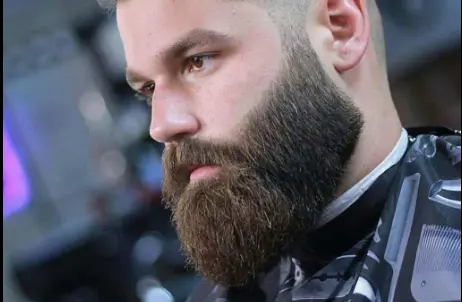
Table of Contents
A thick beard is one of the few features that changes how a man is read at a glance — older, more settled, more deliberate. But thick doesn’t mean shapeless. The men who wear a full, heavy beard well are the ones who treat it like a haircut that happens to grow on its own, not something they simply leave alone. This guide walks through the thick beard styles worth trying, how each one behaves day to day, and the grooming habits that keep dense facial hair looking sharp instead of wild.
What Counts as a “Thick” Beard
A thick beard is defined by density, not length. It’s facial hair that grows close together with little to no visible skin showing through, even at shorter lengths. You can have a short, dense beard that reads as “thick,” and a long beard that still looks thin because the hairs are spaced out. Genetics decide the density; grooming decides how that density looks on your face.
Men with naturally heavy beard growth have more options than most, since dense hair holds a crisp line and takes shape faster than patchy or fine growth. If your beard grows in unevenly rather than full, our guide to patchy beard styles is worth a look before you try the looks below — check it out here.
Why Some Men Grow Thicker Facial Hair Than Others
Beard thickness comes down mostly to genetics and hormone sensitivity, specifically how your facial hair follicles respond to testosterone and its derivative DHT (dihydrotestosterone). Two men with similar testosterone levels can grow very different beards because their follicles react differently to the hormone. Ethnicity, family history, and age all play a role too — beard density typically keeps filling in until the late 20s or early 30s.
None of this means a thin beard is permanent or that a thick beard requires anything unusual. It mostly means patience and consistent care matter more than any product claim. The American Academy of Dermatology notes that beard growth patterns are largely genetic and that most healthy adult men will see their beard fill in more over time rather than less.
12 Best Thick Beard Styles to Try
These are the styles that make the most of heavy, full growth. Each one is described with who it suits and how much upkeep it demands.
1. The Bandholz (Full Thick Beard)
Named after beard-community figure Eric Bandholz, this is the purest expression of a full thick beard — long, untrimmed on the front, shaped only at the cheek line and neckline. It’s less a “style” and more a commitment to letting density do the work. See the full breakdown of the Bandholz beard here.
2. Garibaldi Beard
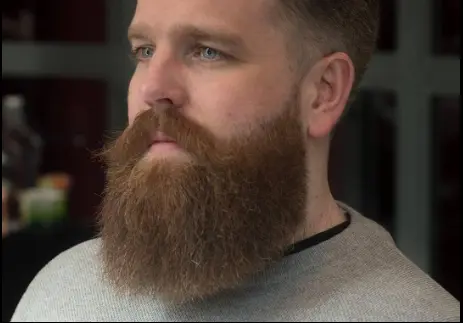
A rounded, bushy shape that stays fuller at the bottom than a Bandholz and is trimmed to a soft dome rather than left to grow wild. It’s one of the most flattering heavy beard styles for square and oval faces. Full guide: Garibaldi beard — read more.
3. Verdi Beard
Shorter and neater than a Garibaldi but still full through the cheeks, the Verdi pairs a rounded beard with a styled mustache. It’s a good middle ground for men who want thick beard styles that still look office-appropriate. Details on the Verdi beard are here.
4. Imperial Beard
A more formal, sculpted take on heavy facial hair, with upswept mustache points and a full but trimmed beard beneath. It takes more daily styling than most entries on this list. See the Imperial beard guide before committing.
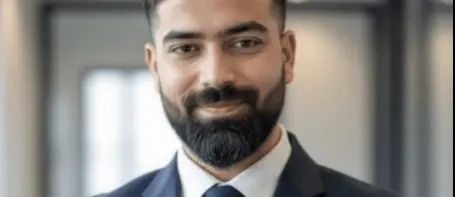
5. Corporate Beard
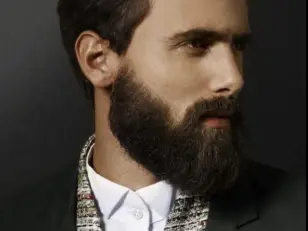
For men with dense growth who still need a clean, professional look, a corporate beard keeps the thickness but tightens the neckline and cheek line into crisp edges. It’s arguably the most versatile of all heavy beard styles because it works in almost any workplace. Full walkthrough: corporate beard — view here.
6. Ducktail Beard
A tapered point at the chin gives a full beard a defined shape instead of a blunt, square end. It’s one of the better thick beard ideas for men with rounder faces, since the taper adds visual length. More on the ducktail beard here.
7. Van Dyke Beard
A disconnected mustache paired with a full chin beard, the Van Dyke works well for men whose cheek growth is patchier than their chin growth, letting the thickness show where it’s strongest. See the Van Dyke beard breakdown.
8. Anchor Beard
A more angular, structured style that traces the jawline with sharp lines rather than a soft, rounded edge. It suits men who want a thick beard that still looks tailored rather than natural. Full guide: anchor beard — read it here.
9. Mutton Chops (Extended)
An old-school style that pushes sideburn density down the jaw, often paired with or without a mustache. It’s not for every face, but on men with strong jaw growth it’s a striking option worth understanding before you commit — see mutton chops here.
10. French Beard (Thick Version)
Traditionally a shorter, closely trimmed style, a thicker version of the French beard keeps the compact shape but lets density fill it out fully rather than trimming it thin. Details on the French beard are here.
11. Extended Goatee (Full Width)
For men who want thickness concentrated around the mouth and chin without a full cheek beard, an extended goatee widened across the jaw gives a heavier look without needing full cheek coverage. See the extended goatee guide.
12. Beard Fade With Heavy Length
Pairing dense length on top with a gradual fade into the hairline and cheeks is one of the more modern thick beard styles, and it works especially well for men who want density without the beard reading as unkempt. Full guide on beard fade styles here.
If none of these feel like the right fit, it’s worth stepping back and browsing the full range of beard styles by category before deciding.
Thick Beard Styles Compared (Length, Upkeep, Face Shape)
| Style | Length | Daily Upkeep | Best Face Shapes |
| Bandholz | Long (4″+) | Low (wash, oil, occasional trim) | Oval, Square |
| Garibaldi | Medium–Long | Moderate (rounded trim) | Square, Round |
| Verdi | Medium | Moderate–High (mustache styling) | Oval, Diamond |
| Imperial | Medium | High (daily mustache shaping) | Oval, Square |
| Corporate | Short–Medium | Moderate (weekly line-up) | Most face shapes |
| Ducktail | Medium–Long | Moderate (chin taper) | Round, Oblong |
| Van Dyke | Short–Medium | Moderate | Oval, Triangle |
| Anchor | Short–Medium | High (sharp lines) | Square, Diamond |
| Mutton Chops | Medium | Moderate | Square, Oblong |
| Beard Fade | Medium–Long | High (regular fade upkeep) | Oval, Round |
Choosing a Thick Beard Style for Your Face Shape
Density gives you more room to shape a beard than thin or patchy growth allows, but the wrong shape can still work against your features. A few starting points:
- Round faces benefit from styles with length and a defined point at the chin, like a ducktail, rather than a rounded, wide beard that adds width. See our full round face beard guide here.
- Square faces can carry almost any full, heavy beard well, since the jawline is already strong — a Garibaldi or Bandholz works especially well. More detail in the square face beard guide here.
- Oval faces are the most flexible and suit nearly every thick beard style listed above. Full guide: oval face beard styles — read here.
- Diamond faces look best with fuller growth at the jaw and chin to balance narrower cheekbones. See the diamond face guide here.
- Heart-shaped faces do better with beards that add width at the jaw rather than at the cheeks. Full recommendations: heart face beard guide — view here.
- Oblong faces benefit from a fuller, wider beard that shortens the visual length of the face. See the oblong face guide here.
- Triangle faces generally look more balanced with beards that add fullness at the temples and cheeks. Full guide: triangle face beard styles — read more.
How to Grow a Fuller, Thicker-Looking Beard
You can’t change your genetics, but you can stop working against the beard you already have. A few habits make a real difference over 8–12 weeks:
- Let it grow without trimming for at least four weeks. Shaping too early hides how the beard actually fills in.
- Wash it 2–3 times a week, not daily — over-washing strips the natural oils that keep hair from looking dry and thin.
- Brush against the grain first, then with it. This lifts flat hair and makes moderate density look fuller.
- Eat enough protein and get consistent sleep. Hair growth is tied to overall health more than any single supplement.
- Be patient through the awkward stage. Most “thin” beards at week three look noticeably thicker by week eight.
If your growth still comes in patchy rather than heavy, the realistic move is working with a shorter, cleaner style rather than fighting the unevenness — our patchy beard guide covers exactly how.
Maintaining a Thick Beard Without Losing Its Shape
A full thick beard needs more structure than people expect, not less. Density hides split ends and stray hairs until they’ve built up for weeks, so the beard suddenly looks messy overnight instead of gradually.
Weekly maintenance checklist:
- Trim the cheek line and neckline every 7–10 days
- Apply beard oil daily to soften hair and calm the skin underneath
- Comb before bed to train the direction of growth
- Trim split ends monthly, even if you’re not shortening overall length
Getting the neckline and cheek line right matters more on a thick beard than any other single grooming step, since it’s what separates “intentional” from “unkempt.” Full instructions are in our guides on the beard neckline (here) and beard cheek line (here). For the actual trimming technique, our how to trim a beard guide walks through it step by step. For general upkeep beyond trimming, our beard care guide covers washing, oiling, and conditioning in more depth.
Common Mistakes Men Make With Heavy Beards
- Skipping the neckline. A thick beard with no defined neckline reads as neglected, not natural.
- Over-trimming out of impatience. Cutting length too early before density has filled in wastes weeks of growth.
- Using too much product. Heavy oils and balms weigh dense hair down and make it look greasy rather than groomed.
- Ignoring the skin underneath. Beardruff and irritation are more common under thick growth because airflow to the skin is reduced.
- Copying a style that doesn’t fit face shape. A beard that works on a square jaw can overwhelm a narrower face.
Myths About Thick Facial Hair
Myth: Shaving makes hair grow back thicker. False. Shaving cuts hair at the surface; it doesn’t change the follicle or density underneath.
Myth: A thick beard means low maintenance. False. Dense hair actually shows unevenness and split ends more clearly over time, not less.
Myth: You can force patchy areas to fill in with the right product. False. No topical product changes follicle density; only time, genetics, and in some cases medical treatment can.
Myth: Thick beards are only for older men. False. Density depends on genetics and hormone response, not age alone — plenty of men in their late teens and twenties grow full, heavy beards.
Is a Thick Beard Right for Your Age and Job?
A full, heavy beard reads differently depending on context, and it’s worth being honest about that before committing to one of the longer styles above.
- Teenagers and men in their early 20s often see beard density still filling in — a shorter, tighter style tends to look more intentional at this stage. See our beard styles for teenagers guide.
- Men over 40 generally have their fullest, most even growth and can carry longer, heavier styles like a Bandholz or Garibaldi with ease. Full guide: beard styles for men over 40 — read here.
- Client-facing or formal roles tend to suit a corporate beard or a shorter Verdi over a fully untamed Bandholz, since a defined line still reads as deliberate rather than casual.
Tools Every Thick-Bearded Man Should Own
Dense facial hair puts more demand on tools than fine or sparse growth. At minimum:
- A wide-tooth comb for detangling before trimming
- A boar-bristle brush to train growth direction and distribute oil evenly
- Sharp trimming scissors for shaping the cheek and neckline by hand
- A quality trimmer with multiple guard lengths for maintaining overall length
- Beard oil with a lightweight carrier oil (jojoba or argan work well for most skin types) rather than heavy, waxy balms that weigh thick hair down
Final Thoughts
A thick beard is one of the easiest features to work with once you stop treating it as maintenance-free. Pick a style that fits your face shape and your actual routine, commit to a neckline and cheek line, and give any new shape at least a month before judging it. Whether you land on a full Bandholz, a tighter corporate beard, or something in between, the difference between a great thick beard and a messy one usually comes down to a handful of small habits repeated weekly, not the style itself.
FAQs
1. What is considered a thick beard? A thick beard is one where hair grows densely enough that little to no skin shows through, regardless of length. Density, not length, defines it.
2. What are the best thick beard styles for beginners? A corporate beard or Verdi beard are the easiest starting points, since both keep clean lines without requiring the daily styling that longer, more sculpted looks demand.
3. How long does it take to grow a full thick beard? Most men see meaningful fullness between 8 and 12 weeks, though total density depends on genetics and can continue improving for a year or more.
4. Can you make a beard thicker naturally? You can’t change follicle density, but proper washing, brushing, sleep, and nutrition help existing hair look fuller and healthier over time.
5. Do thick beards need more maintenance than thin ones? Yes, generally. Dense hair hides split ends and shape loss longer, so it needs regular trimming and line maintenance to avoid looking unkempt.
6. What face shapes suit heavy beard styles best? Square and oval face shapes tend to suit the widest range of full, heavy beard styles, though most shapes have at least one style that works well with the right adjustments.
7. Is a thick beard more attractive than a clean-shaven face? Attractiveness is subjective and varies by culture, workplace, and personal taste — there’s no universal answer, only what suits the individual’s face and lifestyle.
8. How often should you trim a thick beard? Trim the neckline and cheek line every 7–10 days, and address split ends or overall length roughly once a month.
9. Does beard oil actually help thick facial hair? Yes. Beard oil softens coarse hair and moisturizes the skin underneath, which reduces itchiness and flaking that’s common with denser growth.
10. What’s the difference between a Bandholz and a Garibaldi beard? A Bandholz is left mostly untrimmed and grows long and natural, while a Garibaldi is shaped into a fuller, rounded dome and trimmed to maintain that shape.
11. Can a patchy beard ever become a full thick beard? Sometimes, especially in younger men whose growth is still filling in with age, but permanent patchiness from genetics or scarring typically won’t resolve on its own.
12. Are thick beards appropriate for professional workplaces? Yes, as long as the beard is well-shaped and maintained — styles like the corporate beard were designed specifically for that balance.
13. What’s the best beard length for thick facial hair? There’s no single best length; medium lengths (2–4 inches) tend to be the most versatile for shaping, while longer lengths suit men who prefer minimal daily styling.
14. Do you need special products for a thick beard versus a thin one? Lighter oils are usually better than heavy balms for dense hair, since thick beards can look weighed down or greasy with too much product.
15. Should I see a barber before growing a thick beard? It’s not required, but a barber consultation can help you understand your growth pattern and pick a shape suited to your face before you commit to a longer style.