 By Bread Styles Team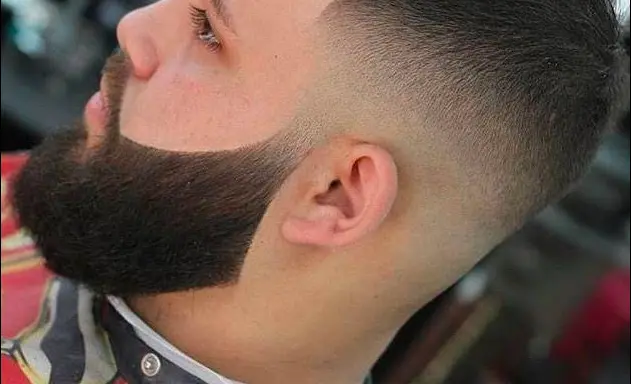
Table of Contents
Modern Beard Styles
Barbering has changed more in the last ten years than in the previous fifty, mostly because clippers, fade techniques, and skin-line precision migrated from head hair straight into beard work. Modern beard styles are the result — shapes built around sharp fades, deliberate texture, and clean geometric lines rather than the rounded, hand-shaped looks that defined facial hair for most of the 20th century. If you’re after a stylish beard that looks current rather than something pulled from an old barbershop photo, this is the category to work from.
This guide covers the modern beard styles actually worth growing right now, how each one is built, which face shapes and hair types they suit, and how to keep them sharp between barber visits.
A modern beard style is one built around clipper-driven techniques — fades, sharp lines, and designed detail — rather than the natural, scissor-shaped growth patterns of older facial hair traditions. Where a classic style relies on length and rounded proportions, most contemporary beard styles use contrast: short faded sides against denser coverage up top.
Three traits show up again and again across modern beard ideas:
- A fade or gradient somewhere in the build. Even a subtle fade at the cheek or neckline signals a modern cut rather than a traditional one.
- Deliberate texture management. Curly, coarse, and wavy beards are shaped to work with the natural pattern instead of being forced flat.
- Precision lines. Skin-tight necklines and cheek lines, usually cut with a trimmer or straight razor rather than scissors alone.
If you want the full spectrum of options before narrowing down, our types of beard styles page covers both modern and traditional categories side by side.
Modern Beard Styles at a Glance
| Style | Signature Feature | Maintenance | Best For |
| Fade Beard | Gradual fade into skin at the sides | Medium–High | Sharp, groomed look |
| Skin Fade Stubble | Short stubble faded to bare skin | High | Business-casual settings |
| Textured Curly Beard | Natural curl pattern, shaped edges | Medium | Curly or coily hair |
| Corporate Beard | Tight, symmetrical, low-key | Medium | Office environments |
| Extended Goatee | Goatee stretched along the jawline | Medium | Angular faces |
| The Beardstache | Full mustache paired with short beard | Low–Medium | Statement styling |
| Minimalist Beard | Very short, close to the skin | Low | Beginners, low upkeep |
| Rugged Beard | Fuller, slightly undone texture | Low | Casual, outdoor look |
| Designed Beard | Shaved patterns or lines within the beard | High | Bold, expressive style |
This table is a starting point — every style below has its own shaping logic worth understanding before you commit to a grow-out.
Modern Beard Styles by Category
Fade & Skin Fade Beards
The fade beard is probably the single most requested cut in barbershops right now, and it’s the clearest example of modern beard styles borrowing directly from haircut technique. The sides taper from full density up top down to bare skin near the ears, creating contrast without needing any length at all.
A tighter version, the skin fade combined with stubble, works especially well for men who want a groomed, professional finish. If you’re building this look from scratch, our beard styles with fade and beard fade styles guides break down the blending technique in detail, and a shorter base often pairs best — see stubble beard for length and timing guidance.
Textured & Curly Modern Beards
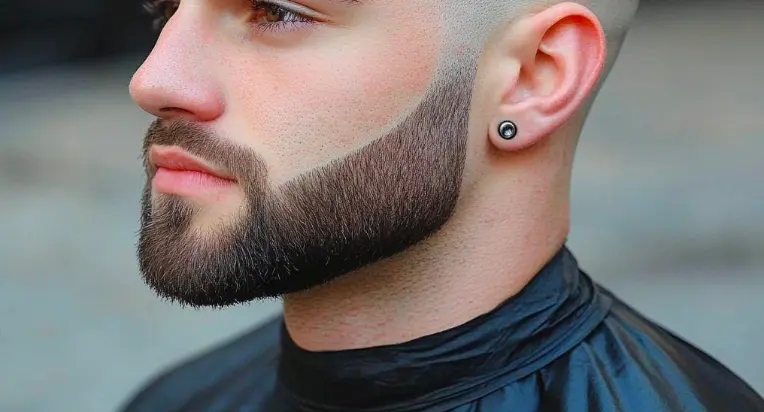
Where older grooming advice pushed men toward flattening or taming natural texture, current contemporary beard styles do the opposite — they shape around the curl pattern instead of fighting it. Curly and coily beards get rounded, sculpted edges that follow the natural bounce of the hair rather than a straight-edged line.
This category has genuinely changed how curly-haired men approach grooming. Check our curly beard styles guide for product recommendations and shaping order, and if density is on the thicker side, our thick beard styles page covers how to thin bulk without losing shape.
Designed & Detailed Beards
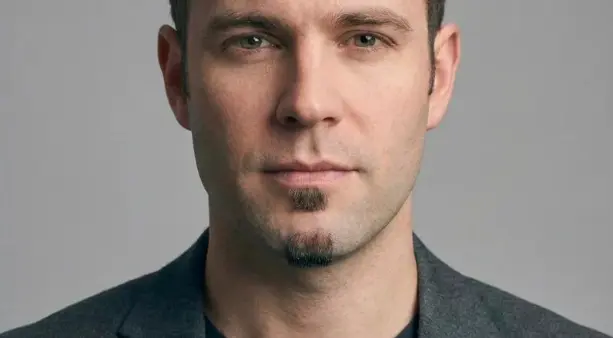
Shaved lines, geometric patterns, and razor-etched detail sit at the boldest end of modern beard ideas. These aren’t for every setting, but they’ve become a legitimate styling category rather than a novelty — particularly among younger men experimenting with facial hair for the first time. Full technique and upkeep expectations are in our beard designs guide.
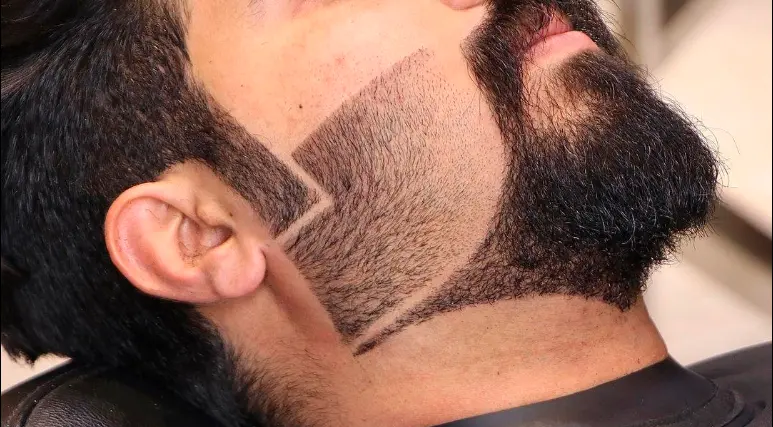
Short, Clean Modern Styles
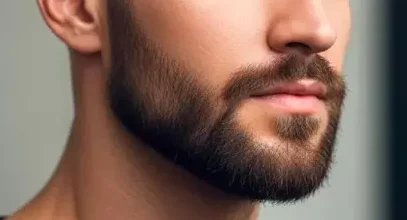
Not every modern look needs bold contrast. Minimalist, close-cropped beards have become one of the most requested stylish beard options for men who want visible facial hair without heavy upkeep. A corporate beard fits here too — tight, symmetrical, and built specifically to read as polished in professional settings. For men easing into their first grow-out, our best beard styles for beginners guide covers a similarly low-risk starting point.
Long, Statement Modern Styles
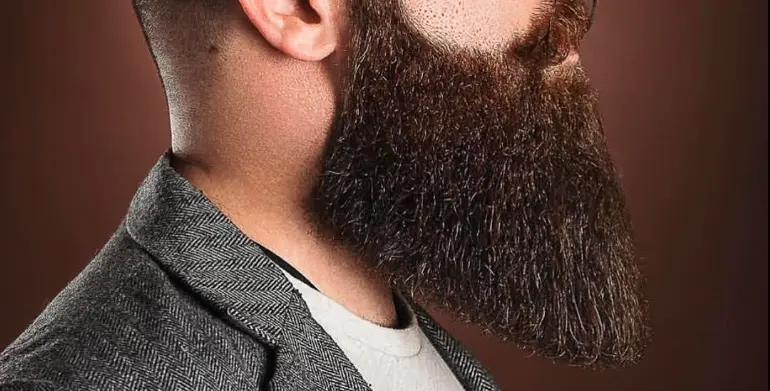
On the other end, longer modern beard styles pair volume with sharper edging than older long-beard traditions ever used. Instead of letting length go untouched, barbers now taper the sides while preserving length through the chin — creating shape even at four or five inches. Our long beard styles guide covers the grow-out timeline, and beard styles with long hair pairs the beard with matching head-hair length for a more complete look.
Goatee-Based Modern Cuts
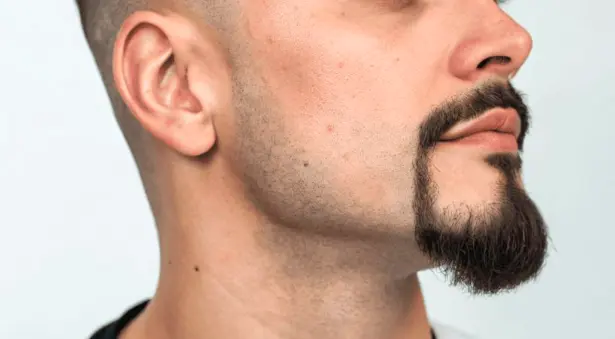
The extended goatee — a goatee stretched wider along the jawline rather than kept narrow at the chin — has become one of the more popular new beard trends for men who want definition without full cheek coverage. See the extended goatee guide for exact width guidelines, or browse the wider goatee styles page for other variations.
The Beardstache and Mustache-Led Looks
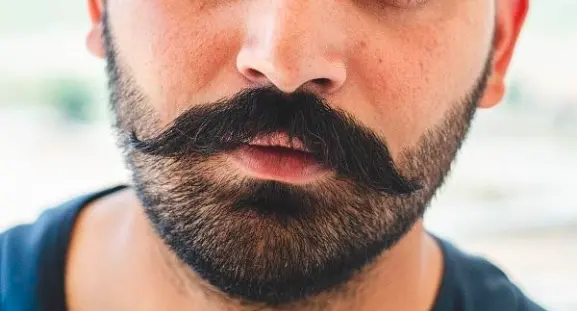
Pairing a fuller mustache with a shorter beard underneath — often called the beardstache — has picked up serious traction as a standalone modern category. It puts styling focus on the mustache shape while keeping the rest of the beard low-maintenance. Our dedicated beardstache guide covers grooming order, and if you want a cleaner mustache line, the chevron mustache and pencil mustache pages cover two contrasting shapes worth comparing.
Rugged and Undone Modern Styles
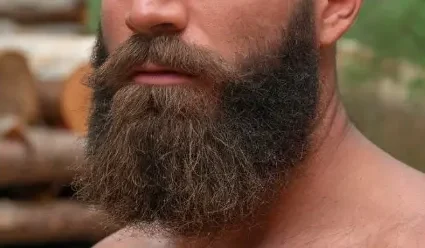
Not every modern style depends on sharp lines. The rugged beard leans into slightly uneven texture and natural movement, giving a lived-in look that still reads as intentional thanks to a defined neckline underneath. It’s become closely associated with the broader hipster beard aesthetic, which blends longer, less-structured growth with modern product use rather than heavy clipper work.
Modern vs Classic Beard Styles: What Changed
It helps to see the shift laid out directly rather than described in the abstract.
| Factor | Modern Beard Styles | Classic Beard Styles |
| Primary tool | Clippers, fade guards, design razors | Scissors, comb, wax |
| Shape logic | Contrast and gradient | Symmetry and roundness |
| Line work | Skin-tight, sharp | Softer, natural edges |
| Trend lifespan | Months to a few years | Decades to centuries |
| Common pairing | Faded haircuts, textured crops | Traditional haircuts |
If a lower-maintenance, longer-lasting look appeals to you more than the current trend cycle, our classic beard styles guide covers the traditional side of that comparison in full.
Choosing a Modern Beard Style for Your Face Shape and Hair Type
Face shape still matters just as much with modern cuts as it does with traditional ones — a fade doesn’t fix poor proportions, it just makes them more visible.
- Oval face — nearly every modern style works; check best beard for oval face for fine-tuning.
- Square face — a rounded fade beard softens strong angles; see best beard for square face.
- Diamond face — an extended goatee or beardstache balances a narrower chin; the best beard for diamond face guide has specifics.
- Heart-shaped face — fuller, wider styles at the jaw help offset a narrower chin; see best beard for heart face.
- Patchy or uneven growth — a designed or fade beard can disguise thin patches better than uniform length; our patchy beard guide has grow-out advice specific to this.
Hair type matters just as much as bone structure. Coarse, dense beards hold sharp fade lines better than fine or thin growth, which tends to look cleaner with a softer, gradual taper. If your growth is on the sparser side, our thin beard styles guide has shaping advice built specifically for lower density.
Tools and Techniques Behind Modern Beard Styling
- Clipper with multiple guard lengths. Fades depend on stepping down guard sizes gradually rather than jumping straight to skin.
- A dedicated trimmer for lines. Neckline and cheek line precision separates a sharp modern beard from a rough one — see our beard neckline and beard cheek line guides for exact placement.
- Beard-specific scissors. Even fade-heavy styles need scissor work up top to control length and remove bulk.
- Straight razor or detail razor. Essential for skin fades and any designed or etched detail.
- Beard balm or cream, not just oil. Modern styles with sharper lines tend to hold shape better with a light-hold balm than oil alone.
For the full shaping process from first trim onward, our how to trim a beard guide and beard care guide cover technique and daily upkeep in more depth than we can fit here.
Common Mistakes With Modern Beard Styles
- Fading too fast. Skipping guard lengths creates a visible line instead of a gradient — the whole point of a fade is a smooth transition.
- Copying a style that ignores hair type. A sharp skin fade looks very different on coarse, dense hair than on fine, sparse growth.
- Neglecting the skin underneath. Fades expose more skin than traditional styles, which means dryness and razor bumps show up faster without proper aftercare.
- Chasing every new trend. New beard trends move quickly; committing to a style that needs weekly barber visits isn’t realistic for most schedules.
- Skipping professional shaping for designed styles. Etched lines and patterns are extremely difficult to correct once cut wrong — this is one category where a DIY attempt can go badly.
Expert Tips to Keep a Modern Beard Looking Sharp
- Book fade touch-ups every one to two weeks — the gradient is the first thing to grow out and lose definition.
- Keep a second, shorter guard on hand for blending stray hairs between full barber visits.
- Apply balm after trimming, not before, so the product sets the shape rather than getting cut away with the hair.
- If you’re experimenting with a designed or etched beard, start with a single simple line before attempting anything more detailed.
- Match your beard style to your haircut. A skin-faded beard paired with a longer, textured crop reads as far more deliberate than the same beard under an untouched, grown-out haircut.
Who Modern Beard Styles Suit Best
Modern beard styles tend to suit younger men and anyone in a more casual or creative work environment particularly well, since sharper fades and designed detail read as current rather than conservative. That said, toned-down versions — a soft fade or a tight corporate beard — work fine in more traditional workplaces too; our professional beard styles and office beard styles guides cover exactly how to keep a modern cut appropriate for client-facing roles.
Men just starting to grow facial hair often do better easing into a modern style gradually — a simple fade or minimalist trim — rather than jumping straight to a heavily designed look. Teenagers and men in their early grooming years should check our beard styles for teenagers guide, since growth patterns are often still filling in at that stage. If you’re keeping an eye on what’s actually trending going into next year, our trending beard styles 2026 roundup tracks which of these categories are gaining the most traction.
Whatever direction you pick, modern beard styles reward a bit more upkeep than traditional shapes in exchange for a sharper, more current finish. Keep the lines fresh, match the beard to your hair type rather than a photo, and it’ll look intentional rather than accidental.
FAQs
What are modern beard styles? Modern beard styles are facial hair looks built around clipper techniques like fades, sharp lines, and designed detail, rather than the natural, scissor-shaped proportions used in traditional beard styles.
What is the most popular modern beard style right now? The fade beard is currently the most requested modern beard style, since it works with almost any length and pairs well with most contemporary haircuts.
Are modern beard styles high maintenance? Most are medium to high maintenance compared to classic styles, mainly because fades and sharp lines grow out faster and need touch-ups every one to two weeks to stay clean.
What’s the difference between modern and classic beard styles? Modern beard styles rely on clipper-driven fades and precision lines, while classic beard styles use scissor-shaped, rounded proportions with far less dependency on sharp contrast.
Which modern beard style works best for curly hair? A textured curly beard, shaped around the natural curl pattern rather than flattened, tends to look the most intentional on curly or coily hair types.
Can I get a modern beard style with patchy facial hair? Yes. Designed or fade beards can help disguise thin patches better than longer, uniform styles, since the shorter length and contrast draw attention away from uneven density.
What tools do I need for a modern beard style? A clipper with multiple guard lengths, a detail trimmer, beard scissors, and a razor for skin fades cover most modern beard ideas, along with a light-hold balm for finishing.
Is a modern beard style appropriate for work? Yes, in most environments. A toned-down version like a tight corporate beard or soft fade reads as polished and professional, even in conservative workplaces.
How often should I trim a modern beard style? Fade and designed styles typically need touch-ups every one to two weeks, while softer, minimalist modern styles can often go three to four weeks between trims.
What modern beard style suits a square face? A rounded fade beard tends to soften a square jawline better than sharply geometric styles, which can add extra visual width to an already strong jaw.
Do modern beard styles work for beginners? Yes. A simple fade or minimalist trim is a good entry point, since it requires less shaping decision-making than a fully designed or etched beard.
Why do modern beard styles need more upkeep than classic ones? Fades and sharp lines grow out faster than rounded, natural shapes, so the contrast that makes a modern beard look sharp is also the first thing to fade without regular trims.
What’s trending in modern beard styles for 2026? Fade beards, textured curly shaping, and beardstache-style pairings are among the most consistently requested looks going into 2026, alongside softer, low-maintenance minimalist trims.
Can I combine a modern beard style with a classic one? Yes. Many current looks blend the two — a classic full or Balbo shape with a modern fade at the sides is one of the more popular hybrid approaches right now.