 By Bread Styles Team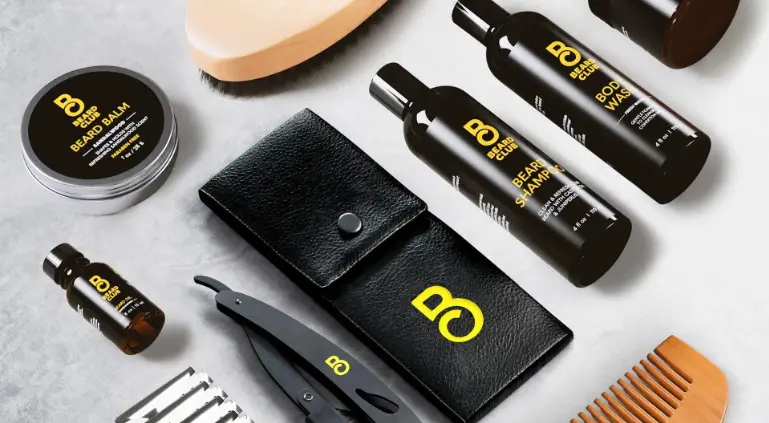
A beard growth kit is one of the easiest ways to give a patchy or slow-growing beard a fair shot, but most men buy one without knowing what’s supposed to be inside it or how long it takes to see anything happen. This guide breaks down what a proper beard growth kit should contain, which ingredients are backed by more than marketing, and how to build a routine around it so the four to twelve weeks you spend on it aren’t wasted. Whether you’re three weeks into your first beard or trying to fix patches that have been there for years, the goal here is the same: fewer guesses, better results.
Table of Contents
What Is a Beard Growth Kit?
A beard growth kit is a bundled set of grooming products and tools designed to support fuller, healthier facial hair growth. It typically includes a growth serum or oil, a beard wash or shampoo, a comb or brush, and sometimes a derma roller or supplement to stimulate the follicles.
Unlike a standard grooming kit, which focuses on styling and maintaining a beard you already have, a growth-focused kit is built around the early stage — filling in patches, thickening thin spots, and creating the right scalp-like environment on your jawline for hair to actually come through. Some kits lean on natural oils, others include active ingredients like minoxidil, and the better ones combine both a growth-stimulating product with the basic hygiene tools you need so the new hair doesn’t get clogged or irritated on its way out.
What’s Actually Inside a Good Beard Growth Kit
Not every beard growth kit is built the same way, and a lot of cheap bundles are just three unrelated products in a box with a bow on it. Here’s what a genuinely useful one should have.
Growth Serum or Oil
This is the core of the kit. Ingredients to look for include castor oil, beard growth oil blends with peppermint or rosemary extract, and in stronger formulas, topical minoxidil for beard growth. Minoxidil has the most clinical backing for stimulating hair follicles, though it needs consistent daily use for months before results show.
Beard Oil and Balm
Once new hairs start coming through, they need moisture, not just stimulation. A daily beard oil softens the skin underneath and cuts down on the itch phase that makes so many guys give up in week two. A beard balm adds light hold and protects the ends as the beard gets longer.
Cleansing Products
A dedicated beard shampoo or beard wash matters more than people think. Regular head shampoo strips the natural oils your skin needs to keep follicles healthy, which can slow down visible growth rather than speed it up.
Tools
A boar-bristle beard brush or a wide-tooth beard comb helps train the hair to lie flat and distributes oil evenly across the skin. Higher-end kits sometimes throw in a beard roller, a small microneedling tool that creates tiny punctures in the skin to boost blood flow to the follicles.
Supplements
Some beard growth products now include ingredients like biotin for beard support, taken orally rather than applied. Biotin helps if you have an actual deficiency, but it won’t do much for someone who already gets enough of it through a normal diet.
Does a Beard Growth Kit Really Work? Setting Realistic Expectations
This is the part most product pages skip. A beard growth kit can improve the density and health of the hair you’re already genetically capable of growing. It cannot give you a beard your body isn’t built to produce. Facial hair growth is driven mostly by genetics and testosterone/DHT sensitivity in your follicles, and no serum changes your DNA.
What a good routine can realistically do:
- Thicken existing thin patches over 8 to 16 weeks
- Reduce flaking, itching, and ingrown hairs that make a beard look worse than it is
- Speed up the visible fill-in of naturally slow-growing areas
- Improve shine, softness, and overall appearance
What it usually cannot do:
- Turn a genuinely patchy beard into a full one overnight
- Work in under a month, regardless of what the packaging implies
- Replace medical treatment for conditions like alopecia barbae
If you’re dealing with a stubborn patchy beard, a kit is worth trying, but pair your expectations with the guide on how to grow a beard faster for the full picture on diet, sleep, and other factors that affect growth just as much as any product.
Who Should Use a Beard Growth Kit
A beard growth kit isn’t only for men chasing a full lumberjack look. It tends to help several different groups for different reasons.
| Who | Why a Kit Helps |
| Men with patchy growth | Targets thin zones with consistent stimulation and hydration |
| First-time growers | Builds a proper routine from day one instead of guessing later |
| Teenagers growing their first beard | Encourages healthy follicle habits early, with mild formulas |
| Men over 40 or over 50 | Counters natural thinning and greying texture changes |
| Men switching styles | Supports fuller growth needed for thicker looks like a Bandholz beard or Garibaldi beard |
If your beard already grows in evenly and you’re just after upkeep, a full growth kit is probably overkill. In that case, a simple beard care guide routine with oil and balm will serve you better than a growth-focused bundle.
How to Choose the Best Beard Growth Kit
Picking the best beard growth kit comes down to matching the formula to your actual problem, not the flashiest packaging on the shelf.
Quick checklist before buying:
- Check the ingredient list, not just the front label — castor oil, biotin, and peppermint oil should be near the top
- Confirm it includes a cleanser, not just an oil, so buildup doesn’t clog follicles
- Look for a kit with a comb or brush included rather than buying one separately
- Avoid kits promising results in under two weeks — real growth cycles take longer
- Check if the formula is fragrance-heavy, which can irritate sensitive facial skin
- Read a few verified beard kit review posts or buyer photos rather than relying on the product page alone
Beard Growth Kit Types Compared
| Kit Type | Best For | Typical Timeline | Price Range |
| Natural oil-based kit | Sensitive skin, first-time users | 8–12 weeks | Budget to mid-range |
| Minoxidil-based kit | Genuinely patchy or slow growth | 12–16 weeks | Mid-range |
| Derma roller + serum kit | Stubborn patches, faster follicle stimulation | 10–14 weeks | Mid-range to premium |
| Supplement + topical combo | Diet-related thinning | 8–16 weeks | Varies widely |
Beard Growth Kit vs. Buying Products Separately
A lot of men ask whether a bundled beard growth kit is actually better value than picking up individual beard growth products on their own.
| Factor | Growth Kit | Buying Separately |
| Cost | Usually cheaper as a bundle | Can add up fast |
| Convenience | Everything arrives matched and ready | Requires research per product |
| Customization | Limited to what’s included | Full control over each product |
| Consistency | Formulas designed to work together | Risk of mixing incompatible ingredients |
If you’re new to beard grooming, a kit removes the guesswork. If you already know your skin reacts badly to certain oils or you want a stronger minoxidil concentration than what’s bundled, buying pieces separately gives you more control.
How to Use a Beard Growth Kit, Step by Step
Consistency matters more than any single ingredient in the box. Here’s a routine that gets the most out of a typical beard growth kit.
- Wash first. Use the included beard wash two to three times a week, not daily — over-washing dries out the skin and can slow things down.
- Apply the growth serum to clean, dry skin. Focus on patchy areas, massaging it in with your fingertips for 30 to 60 seconds to boost circulation.
- Let it absorb for 5 to 10 minutes before applying anything else.
- Follow with beard oil or balm to lock in moisture, especially in the first month when itching is at its worst.
- Brush or comb daily to train hair direction and spread oils evenly across the skin.
- If your kit includes a derma roller, use it no more than 1 to 2 times per week, always on clean skin, and never share it with anyone else.
- Track progress with photos every two weeks rather than checking in the mirror daily, since day-to-day changes are nearly invisible.
Common Mistakes That Waste a Good Beard Growth Kit
Even the best beard growth kit fails if the routine around it is off. The most common issues barbers see:
- Quitting after two weeks. Follicle cycles take months, not days.
- Using the derma roller too often, which irritates skin instead of helping it.
- Skipping the cleanser step and letting oil buildup clog new growth.
- Trimming too early and too aggressively, cutting off progress before patches connect.
- Applying product to wet skin, which dilutes the active ingredients.
- Ignoring diet and sleep, both of which affect testosterone and growth just as much as anything topical.
What to Expect Week by Week
| Timeframe | Realistic Progress |
| Weeks 1–2 | Skin adjusts, mild itching, no visible growth yet |
| Weeks 3–4 | Slightly thicker texture in some areas, patches still visible |
| Weeks 5–8 | Noticeable fill-in for many users, especially with minoxidil-based kits |
| Weeks 9–16 | Full effect of the routine becomes clear; decide whether to continue |
Results vary heavily by genetics, so two men using the same beard growth kit can see very different timelines.
Once Your Beard Fills In: Styling Options
Once the patches start connecting and you’ve got enough length to work with, it’s worth shifting from a pure growth routine into shaping and styling. Start by browsing the full range of types of beard styles to see what suits your face and lifestyle. If you’re still building length, a stubble beard or short beard style hides uneven patches better than longer looks. As growth improves, medium beard styles and eventually long beard styles open up.
Matching a style to your face shape also makes a real difference in how full a beard looks. Check the guides for round faces, square faces, and oval faces to line up the right shape with your new growth. Once you’re ready to clean up the edges, the how to trim a beard guide walks through keeping lines sharp without cutting off the progress you worked for.
Barber Tips That Actually Move the Needle
- Apply growth serum right after a warm shower — open pores absorb it better than on cold, dry skin.
- Massage in circular motions, not straight lines, to hit more follicles per application.
- Rotate between oil and balm depending on climate; balm holds up better in humidity, oil works better in dry weather.
- Give any new beard growth kit a full 90 days before judging whether it’s working. Anything less isn’t a fair test.
- If patches persist past four months of consistent use, that’s a genetics conversation, not a product problem.
Safety Notes and When to See a Dermatologist
Most beard growth products are low-risk for healthy skin, but a few things are worth flagging. Minoxidil-based products can cause irritation, redness, or unwanted hair growth if it spreads to nearby skin, so apply carefully and wash your hands afterward. Derma rollers should never be used on broken or irritated skin, and needles should be cleaned between uses to avoid infection.
If you notice sudden bald patches with no stubble at all, persistent redness, or scarring, that can point to a skin condition rather than ordinary slow growth. Organizations like the American Academy of Dermatology and the British Association of Dermatologists recommend seeing a dermatologist if patchy hair loss appears suddenly or spreads, since conditions like alopecia barbae need medical treatment that no over-the-counter beard growth kit can address.
FAQs
What does a beard growth kit usually include? A typical beard growth kit includes a growth serum or oil, a beard wash, a beard oil or balm, and a comb or brush. Some premium kits add a derma roller or biotin supplement for extra follicle stimulation.
How long does it take for a beard growth kit to work? Most users need 8 to 16 weeks of consistent use before seeing noticeable results, since facial hair follicles work on a slow growth cycle regardless of the product applied.
Is a beard growth kit worth it for patchy beards? Yes, for many men a beard growth kit can thicken existing thin areas and improve skin health, though it can’t guarantee full coverage if the patches are due to genetics.
Can a beard growth kit help a teenager grow facial hair faster? A gentle, natural beard growth kit can support healthy skin and hair texture in teenagers, but puberty and hormone levels play the biggest role in when facial hair fully comes in.
What’s the difference between a beard growth kit and a regular beard care kit? A growth kit focuses on stimulating new hair and filling patches, while a regular care kit focuses on maintaining and styling a beard that’s already grown in.
Does minoxidil in a beard growth kit actually work? Topical minoxidil has more clinical support than most other beard growth ingredients for stimulating follicles, but it requires daily, long-term use and results can reverse if you stop.
Can I use a derma roller from a beard kit every day? No. Most barbers and dermatologists recommend limiting derma roller use to once or twice a week to avoid irritating the skin and undoing progress.
Will a beard growth kit work if my beard is naturally patchy? It can improve density in thinner areas, but if patches are caused by low follicle density in that zone, a kit will improve the look without fully eliminating the gap.
Are natural beard growth kits as effective as minoxidil-based ones? Natural kits tend to work more on skin health and hair quality, while minoxidil-based kits are generally more effective for stimulating actual new growth, based on available clinical research.
How do I know if a beard growth kit is a good one before buying? Check the ingredient list for proven actives like castor oil or minoxidil, confirm it includes a cleanser and tool, and look at genuine beard kit review feedback rather than only the marketing copy.
Can biotin supplements included in beard kits speed up growth? Biotin mainly helps people who have an actual deficiency; if your diet already covers it, added biotin from a kit likely won’t make a noticeable difference.
Is it normal for skin to itch after starting a beard growth kit? Some itching in the first two to three weeks is common as skin adjusts to new hair and product use, but ongoing redness or irritation is a sign to scale back application.
Can women use products from a beard growth kit? Beard growth kits are formulated for facial hair growth in men and aren’t recommended for general use by women, especially formulas containing minoxidil.
Do beard growth kits work better with a good diet? Yes. Protein, biotin-rich foods, and adequate sleep all support the same follicle health that beard growth products are trying to stimulate topically.
What should I do if a beard growth kit isn’t working after a few months? If there’s no change after 12 to 16 weeks of consistent use, it’s reasonable to reassess the routine, switch to a stronger formula, or speak with a dermatologist about underlying causes.
Growing a fuller beard rarely comes down to one product working overnight. A well-chosen beard growth kit gives your skin and follicles the right conditions to do what they’re already capable of, but the ingredients only matter if the routine around them is consistent. Give it a full three months, track your progress honestly, and adjust based on what your own beard is actually telling you rather than what the packaging promised.
Suggested Image ALT Text: “Beard growth kit with oil, comb, and serum for fuller facial hair”