 By Bread Styles Team
Table of Contents
What Makes a Beard “Professional”
A professional beard style is one that’s clean-edged, evenly grown, and deliberately shaped rather than left to grow without maintenance. It signals control and attention to detail — the same qualities a well-pressed shirt or a decent haircut signals. Length matters less than most men assume; a full beard can look entirely professional if it’s dense, well-defined, and regularly trimmed, while a short beard can look sloppy if the lines are uneven.
This distinction matters because “professional beard styles” isn’t really a style category the way a goatee or a Van Dyke is. It’s a standard of grooming that several different styles can meet. This guide breaks down which styles hit that standard consistently, what different industries expect, and how to keep any beard workplace-ready without turning maintenance into a daily project.
Professional Beard Expectations by Industry
Not every workplace applies the same standard, and treating law firm expectations the same as a design studio’s usually leads to advice that doesn’t fit either one.
| Industry | Typical Expectation | Best Fit |
| Law, finance, banking | Short, tightly edged, minimal length | Corporate beard, stubble beard |
| Corporate/office (general) | Neat and defined, moderate flexibility on length | Medium beard styles, corporate beard |
| Client-facing sales/consulting | Sharp and consistent, no dramatic changes | Corporate beard, French beard |
| Healthcare/medical | Often restricted for hygiene and mask-fit reasons; check employer policy | Very short stubble or clean-shaven where required |
| Tech and startups | Flexible, full beards generally accepted if well-kept | Garibaldi beard, Bandholz beard |
| Creative industries | Wide latitude, style can express personality | Most full or textured styles work |
| Hospitality/customer service | Varies by employer, often requires shorter length | Stubble, chin strap beard |
If your workplace has an explicit grooming policy, that overrides any general guidance here — always check it before committing to a longer style.
The Professional Beard Rulebook
Before picking a specific look, a beard needs to hit a few non-negotiable standards to actually read as “professional” rather than just “present.”
- Defined neckline. A clean beard neckline is the single biggest factor separating a groomed beard from an unkempt one.
- Sharp cheek line. An undefined beard cheek line makes even a short beard look like it grew in by accident rather than by choice.
- Even density. Patchy sections stand out more in professional settings, where people are looking at your face directly and often up close. If patchiness is a problem, our patchy beard guide has specific styles that work around it.
- Consistent length. Uneven length across the jaw or chin reads as neglect, not style, in an office context.
- Odor-neutral. A beard that smells like the last three meals undercuts the whole professional impression regardless of how good the shape is.
- Trimmed mustache. Hair that covers the top lip looks messy on camera and in person; keep it trimmed to the lip line.
10 Best Professional Beard Styles
These are the styles that consistently pass muster in office and client-facing environments, ranked from most conservative to most flexible.
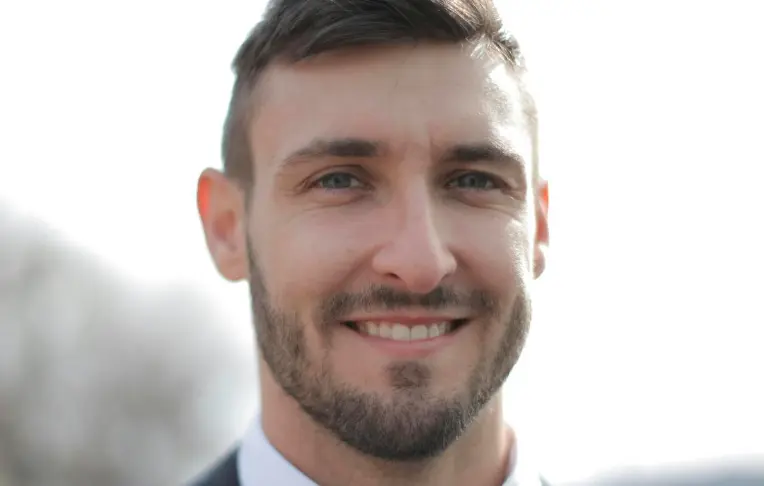
1. Stubble Beard
The safest, lowest-maintenance option for any workplace. A 3-5mm stubble beard reads as intentional rather than lazy when kept even, and it works in nearly every industry without raising questions.
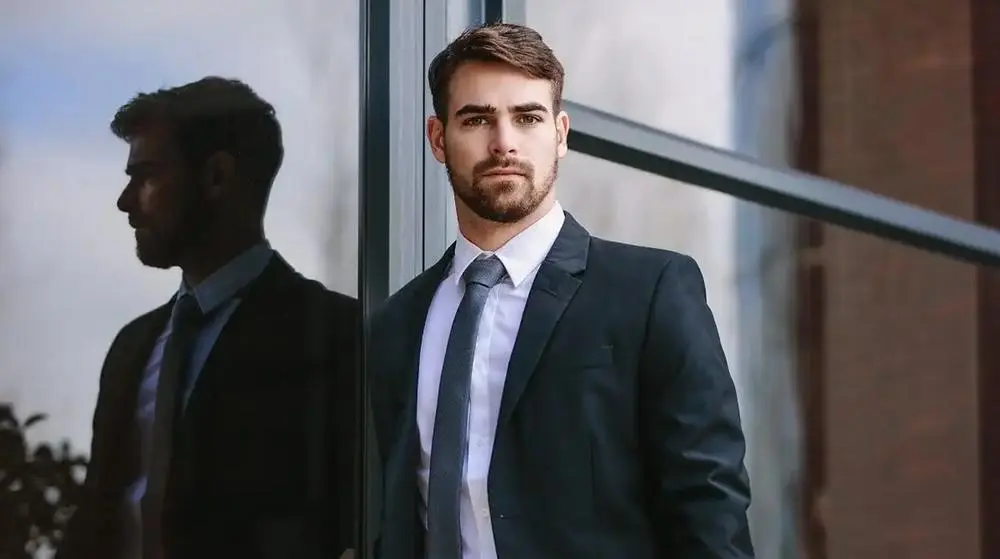
2. Corporate Beard
Built specifically for this purpose. The corporate beard stays under 15mm with sharply defined lines, and it’s the default recommendation for law, finance, and client-facing roles.
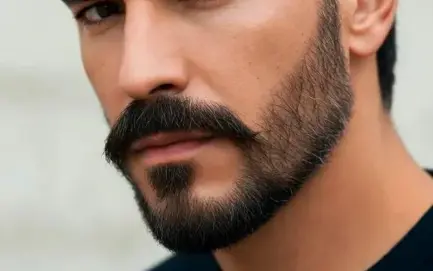
3. French Beard
A thin, close chin strap style that photographs cleanly and needs minimal daily upkeep. The French beard works especially well for men who want visible facial hair without much bulk.
4. Chin Strap Beard
A slim line tracing the jaw with little to no cheek coverage. The chin strap beard is one of the most conservative options and rarely raises eyebrows in traditional office settings.
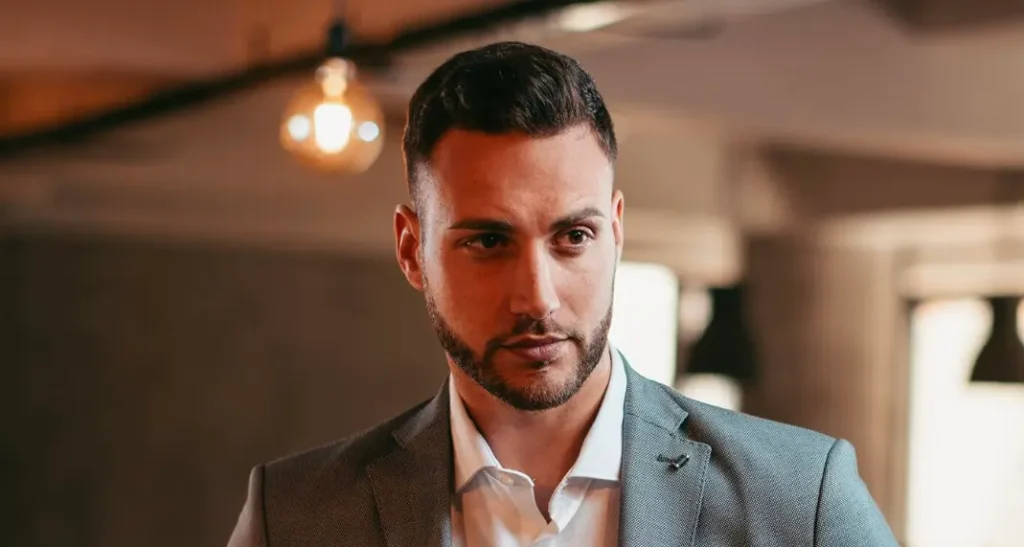
5. Circle Beard
A connected goatee and mustache with a tight, rounded outline. The circle beard adds a bit more personality than a straight corporate beard while still reading as deliberate and controlled.
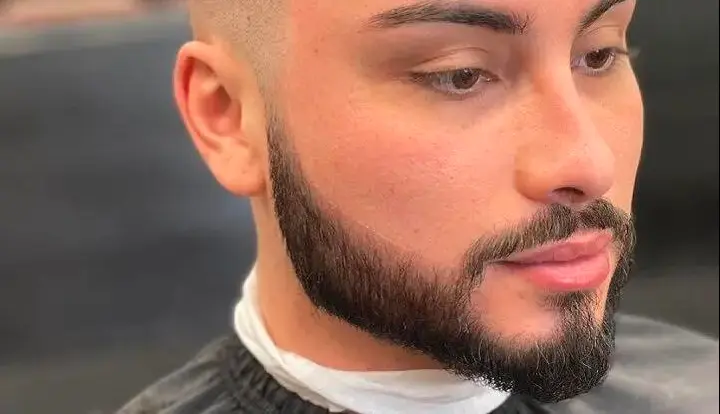
6. Van Dyke Beard
A more structured, pointed chin beard with a separated mustache. The Van Dyke beard works well in industries with a bit more room for individuality, like consulting or media, though it’s less common in strictly conservative fields.
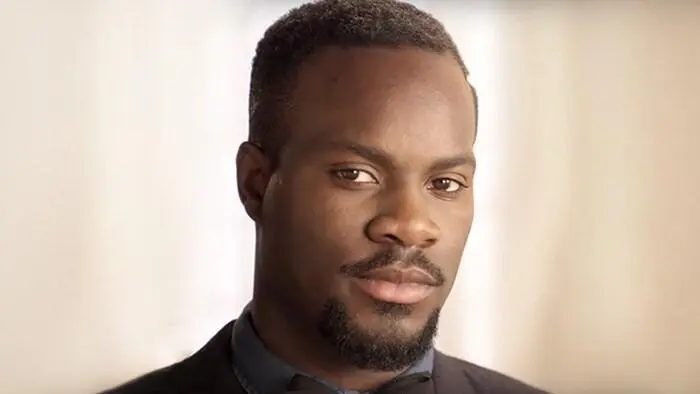
7. Goatee
A classic that reads as professional across most industries when kept tight. Goatee styles work particularly well for men who don’t want a full beard but need more definition than stubble offers.

8. Medium Length Full Beard
The upper edge of what most traditional offices accept. Medium beard styles at 2-3cm can look sharp and deliberate if the lines stay clean, but they need more frequent trims than shorter styles.

9. Garibaldi Beard
Suited to industries with real flexibility on facial hair — tech, creative, startups. The Garibaldi beard is fuller and rounded, and works professionally as long as it’s shaped rather than left to grow unchecked.
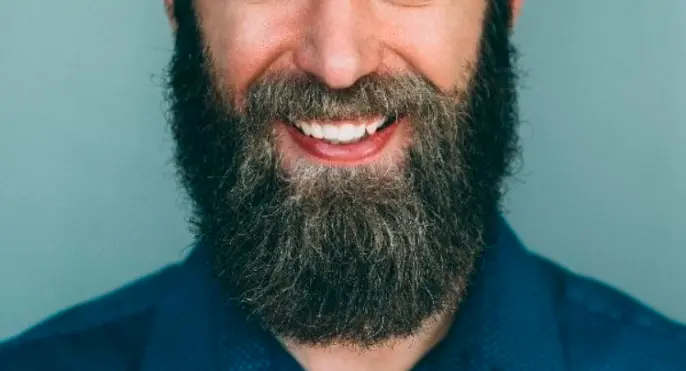
10. Bandholz Beard
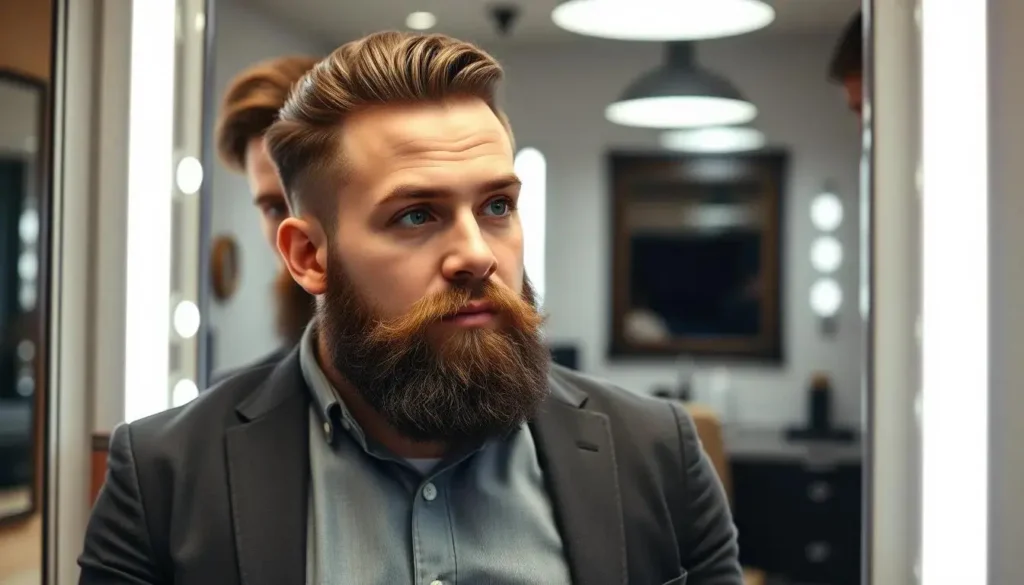
The most flexible workplaces, particularly in tech and creative fields, generally accept a well-maintained full beard. The Bandholz beard needs a defined neckline and regular conditioning to stay professional at length — an unkempt version of this style is the fastest way to lose the “professional” label entirely.
Styles to Avoid in Formal Settings
Not every beard style translates well to conservative or client-facing environments. These tend to draw more attention than intended in traditional offices:
- Handlebar mustache or heavily waxed styles — read as costume-like rather than professional in most corporate settings. See handlebar mustache styles for context on where they do work.
- Extreme designs or beard fades with sharp patterns — better suited to creative or barbershop-culture environments. Our beard designs guide covers where these fit best.
- Mutton chops — a distinctive, retro-leaning style that rarely fits standard business dress codes. See mutton chops beard for styling notes.
- Very long, unshaped beards — even a naturally full beard needs a defined neckline and cheek line to avoid looking neglected in an office setting.
- Viking or heavily styled braided beards — visually striking but generally out of place outside creative or niche industries. Check our Viking beard styles guide for where they work best.
Matching Professional Beards to Face Shape
Face shape still influences which professional style looks sharpest on you specifically, even within a conservative range.
| Face Shape | Best Professional Fit |
| Oval | Almost any style on this list works; corporate beard is the safest default |
| Round | Van Dyke beard or a tapered French beard adds length and angles |
| Square | Rounded stubble or circle beard softens the jawline |
| Long/Oblong | Slightly fuller cheek coverage balances the length |
| Diamond | See our best beard for diamond face guide for specific shaping advice |
| Heart | See our best beard for heart face guide for chin-width balancing tips |
For deeper shape-specific guidance, the best beard for round face and best beard for square face guides go further than a summary table can.
Keeping a Professional Beard Workplace-Ready
A professional beard style isn’t a one-time cut — it’s a routine. Here’s what actually keeps it looking sharp between barber visits.
- Trim every 3-7 days for short styles like the corporate beard or stubble, since these show unevenness fastest.
- Edge the neckline weekly using a trimmer guard or straight razor to keep the line from creeping up the throat.
- Wash 2-3 times weekly with a beard-specific cleanser to prevent odor and buildup, which matters more in client-facing roles than most men realize.
- Apply a light beard oil daily, focused on the skin, to prevent flaking and itchiness that can be distracting during long meetings.
- Comb before any meeting or call to flatten stray hairs, especially on video calls where lighting exaggerates texture.
- Book a barber visit every 3-4 weeks for structured styles that need precise lines, like the Van Dyke or chin strap beard.
For a full walkthrough on tools and cutting technique, our guide on how to trim a beard covers the specifics in more depth.
Common Mistakes
- Growing a style before checking company policy. Some industries, particularly healthcare and food service, have explicit facial hair restrictions tied to hygiene or safety equipment fit.
- Skipping the neckline for weeks at a time. This is the fastest way for any style, short or long, to start looking unkempt.
- Choosing a trendy style over a functional one. A beard fade or heavily designed pattern might look great on social media and completely wrong in a boardroom.
- Ignoring beard-to-hair grooming balance. A sharply cut beard paired with an overgrown or messy haircut undercuts the entire professional effect.
- Assuming longer always means less professional. A well-maintained Bandholz beard can look more deliberate than a patchy, poorly-edged stubble.
- Not adjusting for video calls. Overhead lighting on webcams shows unevenness that’s less visible in person, so a quick comb-through before calls is worth the ten seconds.
Myths About Facial Hair at Work
“Beards are unprofessional by default.” This hasn’t been broadly true for years. Most industries outside a handful of strictly conservative fields accept well-groomed facial hair as standard, not exceptional.
“Longer beards can never look corporate.” Length isn’t the deciding factor — shape, density, and maintenance are. A well-edged full beard can look more deliberate than a poorly maintained short one.
“You need to shave for job interviews.” A clean, well-groomed beard is generally fine for interviews across most industries today. Research the specific company’s culture rather than defaulting to a shave out of habit.
“All professional beards look the same.” There’s real range within the professional category — corporate beard, French beard, circle beard, and even a tidy Garibaldi all read as workplace-appropriate depending on the industry.
For workplace grooming standards tied to hygiene, particularly in healthcare or food-service roles, checking with a professional barber association or your employer’s specific policy is more reliable than general online advice.
Final Word
Professional beard styles come down to maintenance and intention more than any single shape. A short, sharply edged corporate beard works almost anywhere, while fuller styles like the Garibaldi or Bandholz beard need more consistent upkeep to stay workplace-appropriate. Match your choice to your industry’s actual norms, keep the neckline and cheek line clean, and check in every few weeks rather than letting a good shape drift into an unkept one. For more direction on shaping and style selection, our guides on types of beard styles and short beard styles are useful next steps.
FAQs
1. What are the best professional beard styles for the office? The corporate beard, stubble beard, and French beard are the most reliable choices for office environments, since they combine short length with sharp, defined lines that work across most industries.
2. Are beards accepted in corporate jobs? Yes, in most industries today. Traditionally conservative fields like law, finance, and banking tend to favor shorter, tightly edged styles, while tech and creative industries generally allow more length and flexibility.
3. What length beard is considered professional? There’s no fixed number, but most business beard styles stay under 2-3cm with clean lines. Longer, full beards can still look professional if they’re well-maintained and properly shaped.
4. Can I wear a full beard to a job interview? Generally yes, as long as it’s clean, well-groomed, and free of stray or uneven hair. Researching the specific company’s culture beforehand helps you judge how much flexibility you actually have.
5. What’s the difference between a corporate beard and a regular short beard? A corporate beard is specifically shaped with a defined neckline and cheek line and kept under about 15mm, while a general short beard may not have the same level of precision in its edges.
6. Do healthcare workers need to be clean-shaven? Many healthcare roles have hygiene or respirator-fit policies that restrict facial hair length. Always check your specific employer’s grooming policy rather than assuming general advice applies.
7. How often should a professional beard be trimmed? Short styles like the corporate beard or stubble typically need trimming every 3-7 days to stay sharp, while fuller styles can go 2-3 weeks between trims if the neckline is maintained separately.
8. What beard style works best for video calls and meetings? Shorter, well-lit styles like the corporate beard or French beard tend to photograph most cleanly on camera, since webcam lighting can exaggerate texture and unevenness in fuller beards.
9. Is stubble considered unprofessional? Not when it’s even and deliberate. A consistent 3-5mm stubble beard is one of the most widely accepted office-appropriate looks precisely because it looks intentional rather than like a missed shave.
10. Which industries allow full beards? Tech, startups, and creative industries generally allow full, well-maintained beards. More traditional fields like law, finance, and client-facing consulting tend to favor shorter, tighter styles.
11. What’s the most conservative professional beard style? The chin strap beard and stubble beard are typically the most conservative options, offering minimal coverage and length while still providing definition.
12. Do I need to shave my neckline for a professional look? Yes. A defined neckline is one of the fastest ways to make any beard look intentional rather than unkempt, regardless of overall length or style.
13. Can a patchy beard still look professional? Yes, with the right style choice. Shorter, denser styles like stubble or a corporate beard tend to disguise patchiness better than longer, sparser full beards.
14. Should I match my beard style to my company’s dress code? It’s worth checking if your employer has an explicit grooming policy, especially in regulated industries like healthcare, aviation, or food service, since these often override general style preferences.
15. What’s the biggest mistake men make with professional beards? Neglecting the neckline and cheek line. Even a short, otherwise well-grown beard looks unfinished without clean, defined edges.