 By Bread Styles Team
Table of Contents
What “Beard Styles for White Men” Actually Means
Searching for beard styles for white men usually isn’t about ethnicity at all — it’s about a real, practical problem. Caucasian hair covers an enormous range: strawberry blonde, jet black, deep auburn, straight, wavy, tightly curled. A style guide built around one hair type or one skin tone misses most of the men actually searching for it.
This guide treats “white men” the way a barber actually treats it behind the chair: as a spread of hair colors, textures, and growth speeds rather than one look. What follows are beard styles for white men that hold up across that entire range, along with the specific adjustments each hair type and face shape needs to get there.
The Real Variable: Hair Texture, Not Just Face Shape
Face shape gets all the attention in grooming articles, but texture decides more of the final result than most people realize.
Straight hair lies flat and grows in a defined direction, which makes sharp-edged styles like the Van Dyke or corporate beard easier to maintain, since lines stay crisp with less daily upkeep.
Wavy hair adds natural volume and works well for medium-length styles that benefit from a bit of texture, like the Garibaldi or a loosely shaped Bandholz.
Curly hair grows outward as much as downward, which means length estimates are often wrong — a curly beard that measures 3cm can look like 5cm once it springs out. Curlier textures also dry out faster and need more conditioning.
Red and ginger beards deserve their own mention because they often grow in patchier or denser than the hair on the scalp, and the color mismatch between beard and head hair is common enough that it isn’t something to “fix” — it’s just genetics.
Knowing your texture before picking a style saves a lot of wasted growing-out time.
Beard Color and Why It Doesn’t Always Match Your Hair
This trips up more men than any other part of the process. Beard hair and scalp hair don’t always share the same pigment genes, which is why a brown-haired man can grow a beard with noticeable red or blonde undertones, and why this is completely normal rather than something worth dyeing over immediately.
If you’re unhappy with the color contrast, a few honest options exist:
- Let it grow longer. Color variation often looks more intentional at greater length, especially with styles like the Bandholz beard or a full Garibaldi beard.
- Keep it shorter. A tight stubble beard or corporate beard minimizes how visible color variation is, since there’s less surface area for the eye to catch.
- Use a beard-specific dye if it bothers you. Skip regular hair dye, which isn’t formulated for facial skin and can cause irritation.
- Leave it alone. A lot of the most photographed beards in menswear have visible color variation. It reads as texture, not a flaw.
Matching Beard Styles to Face Shape
Face shape still matters — it decides where a beard should add width, length, or angles. Here’s the quick reference most barbers actually use.
| Face Shape | Goal | Recommended Styles |
| Oval | Maintain balance, most styles work | Corporate beard, medium beard styles |
| Round | Add length and angles | Van Dyke beard, tapered goatee |
| Square | Soften the jawline | Circle beard, rounded stubble |
| Long/Oblong | Add width, avoid extra length | Mutton chops, fuller cheeks |
| Diamond | Balance a narrow forehead and chin | See best beard for diamond face |
| Triangle | Add volume at the jaw | See best beard for triangle face |
For a fuller breakdown, our dedicated guides on the best beard for round face and best beard for oval face go deeper into shaping technique than a summary table can.
15 Best Beard Styles for White Men
These are the styles that consistently work well across different hair textures, colors, and face shapes — ordered from lowest to highest maintenance.
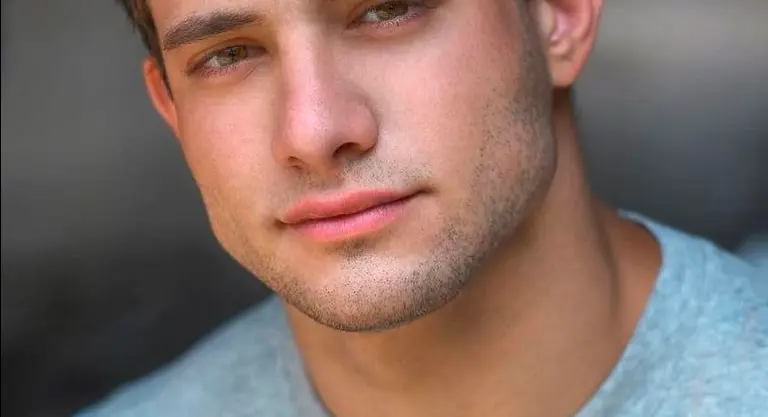
1. Stubble Beard
The most requested style at almost any barbershop. A 3-5mm stubble beard works with straight, wavy, or curly hair and suits nearly every face shape. It also hides beard-to-scalp color mismatch better than most longer styles.
2. Corporate Beard
Short, tight, and built for professional environments. The corporate beard relies on precise neckline and cheek line work rather than length, which makes it a reliable choice for straight or wavy hair textures.

3. Chin Strap Beard
A thin line of hair tracing the jaw with minimal cheek coverage. The chin strap beard is a lower-commitment option for men easing into facial hair for the first time.
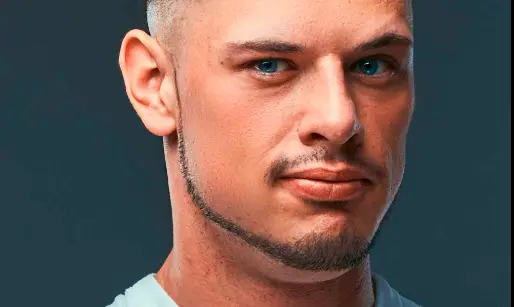
4. Circle Beard
A connected goatee and mustache in a tight, rounded outline. The circle beard suits men with straighter hair since the shape depends on clean, controlled lines.
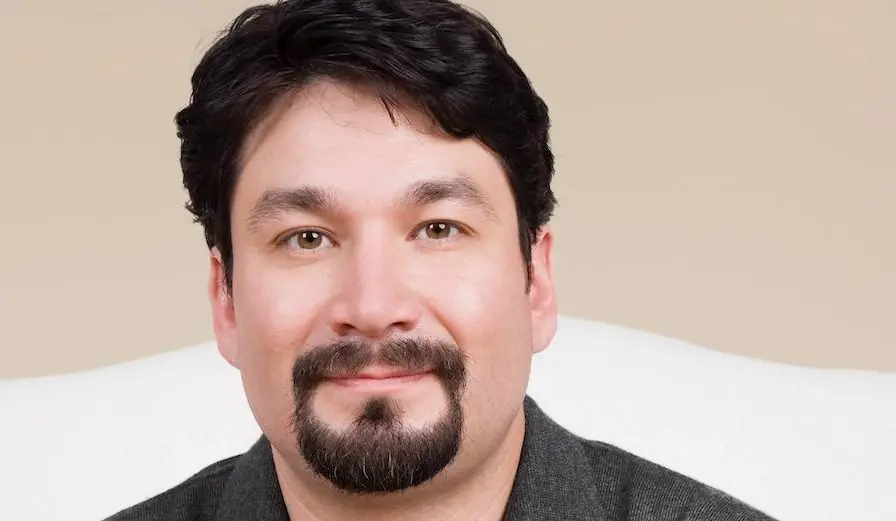
5. Van Dyke Beard
A pointed chin beard with a separated, styled mustache. The Van Dyke beard is a strong option for round faces and works especially well with straight to lightly wavy textures that hold a defined point.
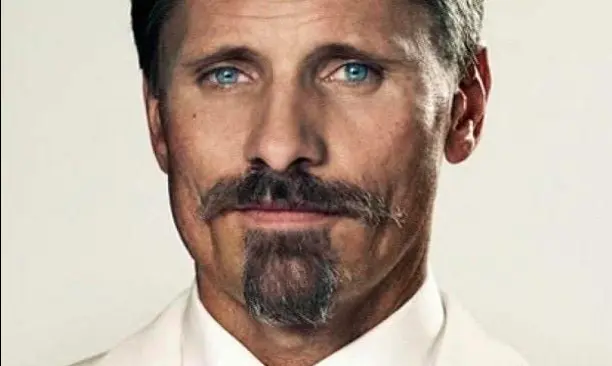
6. Goatee
A dependable classic. Goatee styles range from a small chin patch to a fuller anchor shape and forgive uneven early growth better than most full-face styles.
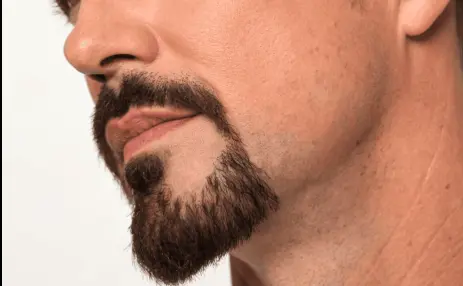
7. Anchor Beard
A pointed chin beard with a thin jawline outline and mustache, resembling — as the name suggests — an anchor shape. The anchor beard gives structure to softer, rounder jawlines.
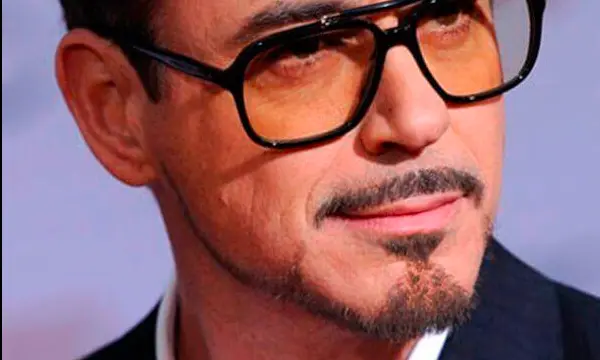
8. Balbo Beard
A floating chin beard paired with a mustache, disconnected from the sideburns. The Balbo beard suits longer face shapes and works well for men who want definition without full cheek coverage.
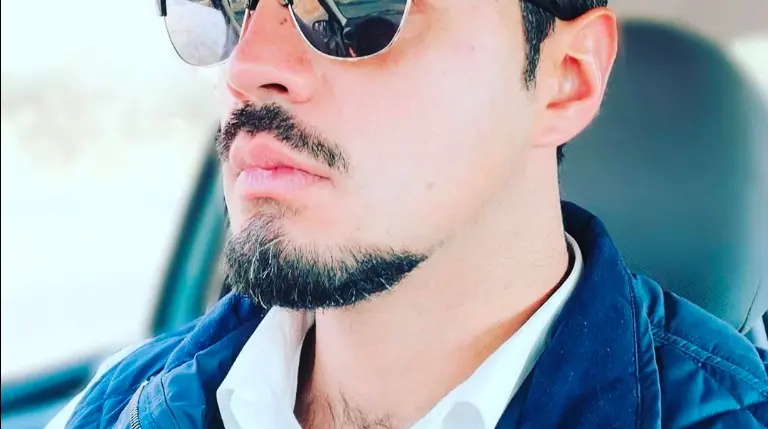
9. French Beard
A close, thin chin strap style associated with a minimal, tailored look. The French beard sits well on straight hair textures where sharp lines are easier to maintain.
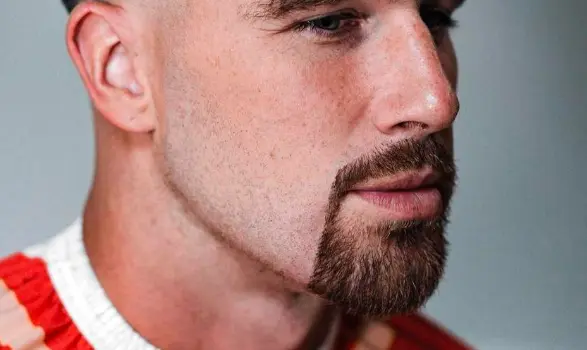
10. Ducktail Beard
A full beard tapered to a point at the chin. The ducktail beard works particularly well for denser, straighter hair that holds a defined taper without much daily shaping.
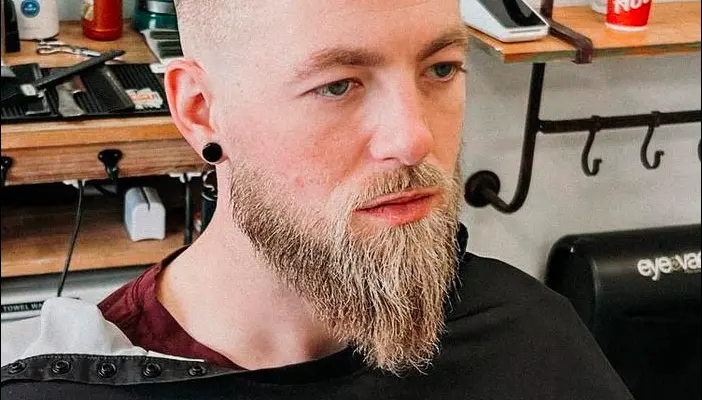
11. Medium Full Beard
A step up from stubble without full commitment to length. Medium beard styles between 2-4cm suit wavy and curly textures especially well, since there’s enough length for natural texture to show.

12. Garibaldi Beard
Rounded, full, and textured rather than sharply shaped. The Garibaldi beard is one of the best options for wavy or curly hair, since the style is built around natural volume instead of fighting it.
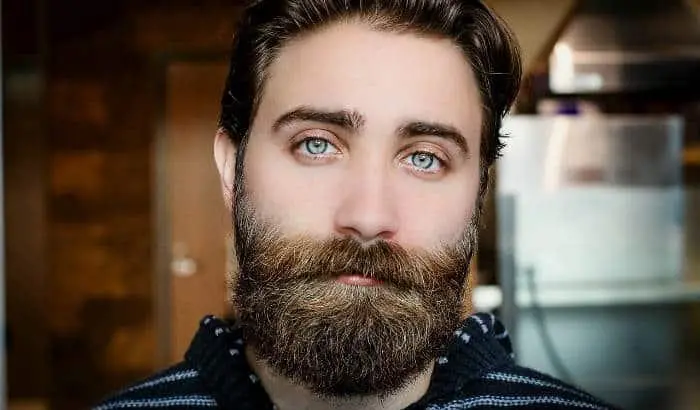
13. Bandholz Beard
A long, all-natural, full beard with minimal shaping beyond a defined neckline. The Bandholz beard takes 4-6 months of committed growth and suits denser, straighter hair types best, since curlier hair can look uneven at longer lengths without regular conditioning.
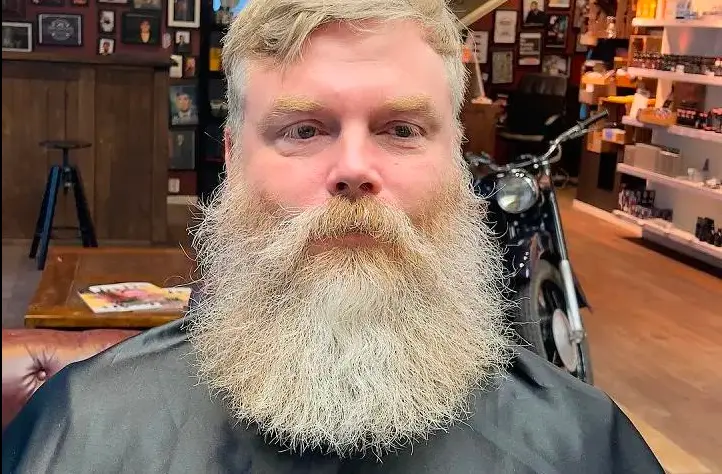
14. Viking Beard
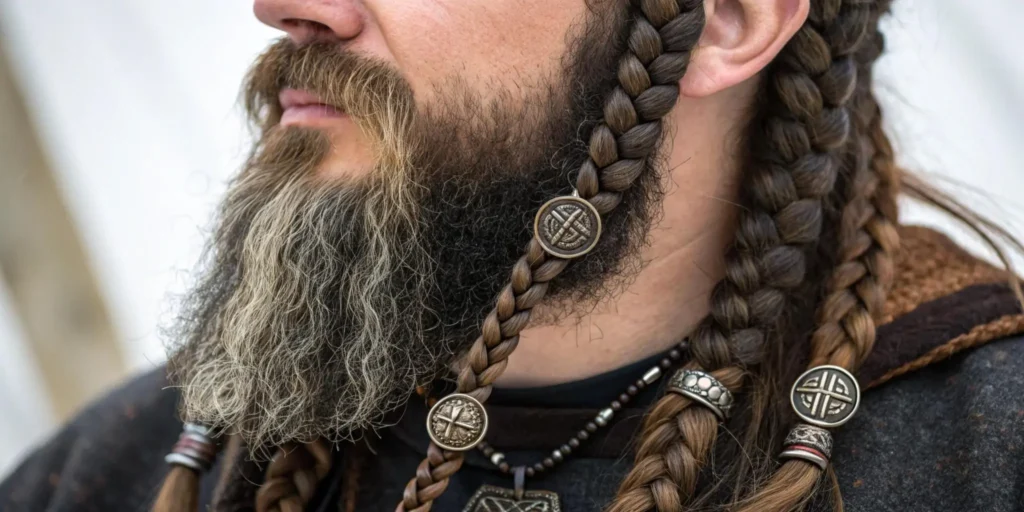
A longer, styled beard often paired with braiding or sectioning. Viking beard styles have surged in popularity and work best with thicker, coarser hair that holds a shape when styled or braided.
15. Hipster Beard
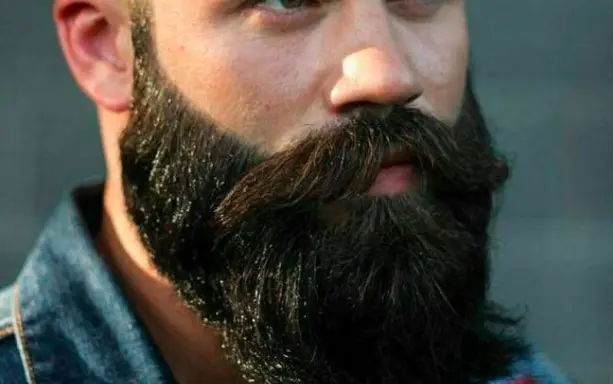
A fuller, slightly undone beard usually paired with a fade or undercut. The hipster beard works across most textures and is one of the more forgiving full-length styles for first-time long-beard growers.
Best Styles by Hair Texture
A quick reference for matching texture to style before you commit to growing something out for two months.
- Straight hair: Corporate beard, Van Dyke beard, French beard, chin strap beard
- Wavy hair: Garibaldi beard, medium beard styles, hipster beard
- Curly hair: Garibaldi beard, Bandholz beard (with regular conditioning), medium lengths over sharply lined styles
- Red or ginger hair: Stubble or corporate beard if color contrast bothers you, full Bandholz or Garibaldi if you want to lean into it
Beard Styles by Age
- Teens (16-19): Growth is often patchy. Light stubble or a small goatee suits this stage better than a full beard. Our beard styles for teenagers guide covers age-appropriate options in more depth.
- 20s: Growth typically evens out enough to support goatees, chin straps, and medium lengths.
- 30s-40s: Denser, more consistent growth supports fuller styles like the Garibaldi or Bandholz. See our beard styles for men over 40 guide for styling that accounts for changing hairlines.
- 50s and up: Shorter, cleaner styles tend to look sharper than longer ones as hair texture changes. Our beard styles for men over 50 guide and grey beard styles guide are worth checking if grey or salt-and-pepper growth has started coming in.
Common Mistakes
- Fighting your natural texture. Trying to force curly hair into a razor-sharp Van Dyke usually ends in frustration. Work with the texture, not against it.
- Skipping the neckline. No style looks finished without a clean beard neckline, regardless of hair color or texture.
- Undefined cheek lines. A blurry beard cheek line makes even a well-grown beard look unintentional.
- Trying to dye out natural color variation. Beard color rarely matches head hair exactly, and forcing an unnatural match with regular hair dye often looks worse than the variation itself.
- Not adjusting products for texture. Curly and wavy beards need more conditioning oil than straight beards, which can look greasy with the same amount of product.
- Growing out a style before checking face shape. A ducktail beard that looks sharp on a long face can overwhelm a round one.
Growing and Maintaining Your Style
- Grow for at least 4 weeks before deciding on a final shape — early patchiness in the cheeks often fills in by week 3 or 4.
- Wash 2-3 times a week with a beard-specific cleanser rather than regular shampoo, which strips natural oils too aggressively.
- Apply beard oil daily, working it into the skin underneath, not just the visible hair — this matters even more for curly textures prone to dryness.
- Brush or comb daily, using a wide-tooth comb for curly hair and a boar-bristle brush for straight or wavy hair.
- Define your neckline and cheek line once you have 3-4 weeks of even growth.
- Trim every 2-3 weeks for most styles, more often for short, structured looks like the corporate or chin strap beard.
- See a barber every 3-4 weeks for styles with precise lines, like the Van Dyke or French beard.
For detailed shaping technique, our guide on how to trim a beard walks through the tools and angles that make the biggest difference.
Myths Worth Retiring
“Blonde and red beards can’t look full.” Lighter beard hair can look sparser in photos because it contrasts less against skin, but density has nothing to do with color. A well-groomed blonde or red beard fills in just as well as a dark one.
“Shaving makes your beard grow back thicker.” This one keeps coming back despite being disproven repeatedly. Shaving cuts hair at the surface and doesn’t affect follicle thickness, color, or growth rate at all.
“You need to match your beard color to your hair.” As covered above, this isn’t how pigment genetics work, and most well-known beard styles in menswear photography feature some degree of natural color variation.
“Curly beards can’t be shaped precisely.” They can — it just takes different technique, usually scissor-over-comb work rather than a straight trimmer pass, since curly hair springs after cutting.
For deeper reading on skin health and facial hair growth, the American Academy of Dermatology is a solid, evidence-based resource if you’re dealing with persistent irritation or patchiness.
Final Word
Beard styles for white men work best when the choice starts with hair texture and face shape rather than a photo pulled from social media. Straight hair holds sharp lines well, wavy and curly hair suit fuller, textured styles, and beard color variation is normal rather than something to correct. Pick from the list above, give it a full month of growth before judging the result, and adjust from there. For more direction, our guides on short beard styles, long beard styles, and the complete types of beard styles breakdown are good next stops.
FAQs
1. What is the best beard style for white men? There’s no single best option — stubble and the corporate beard are the most versatile, working across straight, wavy, and curly textures while suiting nearly every face shape.
2. Why doesn’t my beard match my hair color? Beard hair and scalp hair are controlled by different pigment pathways, so it’s common and completely normal for a beard to carry more red, blonde, or grey tones than the hair on your head.
3. What beard style suits curly hair best? The Garibaldi beard and other rounded, textured styles work best with curly hair, since they’re built around natural volume instead of requiring sharp, straight lines.
4. How long does it take to grow a full beard? Most men see meaningful full coverage within 4 to 8 weeks, though growth speed varies by genetics, age, and hair texture.
5. Do redheads grow beards differently? Red and ginger beards often grow in denser or patchier than head hair and commonly show more color variation, which is standard genetics rather than anything unusual.
6. What’s the difference between a Van Dyke beard and a goatee? A Van Dyke beard includes a pointed chin beard with a distinctly separated, styled mustache, while a standard goatee usually keeps the mustache and chin hair more connected and less defined.
7. Should I dye my beard to match my hair? It’s optional, not necessary. If color contrast bothers you, use a beard-specific dye rather than regular hair dye, which isn’t formulated for facial skin.
8. What’s the best beard length for a round face? Styles that add length and angles, like the Van Dyke beard or a tapered goatee, balance a round face better than short, rounded styles.
9. How often should I trim my beard? Every 2-3 weeks for most styles, and every 1-2 weeks for short, structured looks like the corporate or chin strap beard.
10. Does hair texture affect which beard style will suit me? Yes, significantly. Straight hair holds sharp-edged styles well, while wavy and curly hair suit fuller, textured styles that work with natural volume instead of against it.
11. Can teenagers grow a full beard style? Most teens experience patchy, uneven growth until their late teens or early 20s. Lighter styles like stubble or a small goatee work better at this stage.
12. What products does a beard actually need? A beard-specific wash, a lightweight oil for daily use, and a comb or brush suited to your texture cover most maintenance needs without overcomplicating the routine.
13. Is a patchy beard permanent? Not usually. Patchiness is common in the early-to-mid 20s and often fills in with age. If it persists well beyond that, a dermatologist consultation is more useful than switching products repeatedly.
14. What beard style works best for straight hair? Sharp-edged styles like the Van Dyke, corporate beard, and French beard hold their lines well with straight hair and need less daily shaping to stay defined.
15. Is it true that shaving thickens beard hair? No. This is a long-standing myth. Shaving only removes the tapered tip of the hair, which can feel coarser briefly but has no effect on actual thickness or growth rate.