 By Bread Styles Team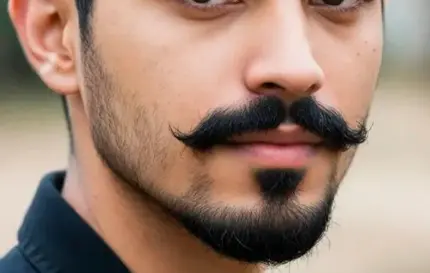
Table of Contents
Why Beard Styles for Indian Men Need a Different Approach
Most grooming articles online are written for Western hair textures and Western climates, and that’s exactly why so much of that advice falls apart the moment it meets Indian conditions. Beard styles for Indian men have to account for thicker, denser hair growth, higher humidity in most regions, and face shapes that lean rounder or squarer on average than the long, narrow faces used in a lot of Western style guides.
This isn’t about ethnicity for the sake of it. It’s practical. A barber in Mumbai is going to give different advice than one in London, because the hair he’s cutting behaves differently under a fan at 38°C than it does in a dry, air-conditioned salon. If you’ve ever grown out a style that looked great on a reference photo but turned into a frizzy mess on your own face, this is usually why.
This guide walks through beard styles for Indian men that genuinely work — matched to common face shapes, hair density, age, and the realities of Indian weather.
Understanding Indian Facial Hair: Texture, Density, and Growth Speed
Before picking a style, it helps to know what you’re actually working with. Indian facial hair generally falls into a few recognisable patterns, and knowing which one applies to you saves months of trial and error.
Density. Most Indian men grow moderate to high-density facial hair, which fills in faster than average but can also look bulky if left untrimmed. This works in your favour for fuller styles like a Garibaldi beard or a Bandholz beard, but it means thinning and shaping matter more than they would for someone with naturally sparse growth.
Texture. Hair texture ranges from straight to loosely wavy, with a coarser strand diameter than East Asian or Nordic hair types. Coarse hair holds its shape well once trimmed but can look wiry if it’s dry or unconditioned.
Growth pattern. A patchy jawline or a slow-filling mustache in the early years is common and usually corrects itself with age and testosterone maturity, typically by the mid-20s. If you’re dealing with uneven patches right now, a patchy beard guide will help you pick a shape that works with what you have instead of fighting it.
Growth speed. Indian men tend to see full beard coverage within 4 to 8 weeks, which is faster than the global average. That’s an advantage — you can experiment with different lengths without waiting half a year to see results.
Matching Beard Styles to Common Indian Face Shapes
A beard’s job is to balance your face, not just cover it. The most common face shapes among Indian men are round, square, oval, and long/oblong, and each one responds differently to length, width, and where the beard sits on the cheeks.
| Face Shape | What It Needs | Styles to Try |
| Round | Length and angles to elongate the face | Van Dyke beard, tapered French beard |
| Square | Softened corners, less bulk at the jaw | Circle beard, rounded stubble |
| Oval | Almost anything works; keep proportions balanced | Corporate beard, medium beard styles |
| Long/Oblong | Width, not length, to balance the face | Mutton chops, fuller cheek coverage |
| Diamond | Volume at the jaw, minimal at the cheekbones | See our best beard for diamond face guide |
| Heart | Width at the chin to offset a narrow jaw | See our best beard for heart face guide |
If you’re not sure which category you fall into, check your jawline and forehead width in a mirror with your hair pulled back. Round and square are the two most common shapes reported among Indian men, so start there before assuming you need something more exotic. For a deeper breakdown by shape, our guides on the best beard for round face and best beard for square face go into more detail than we have room for here.
15 Best Beard Styles for Indian Men
Here’s where it gets practical. These are the styles that consistently work well for Indian facial hair, climate, and face shapes — ranked roughly from lowest maintenance to highest.
1. Stubble Beard
The most versatile option on this list. A 3-5mm stubble beard suits nearly every face shape, works in corporate settings, and handles Indian humidity better than longer styles because there’s less hair to trap sweat. Best for oval, square, and round faces.
2. French Beard (Chin Strap Variant)
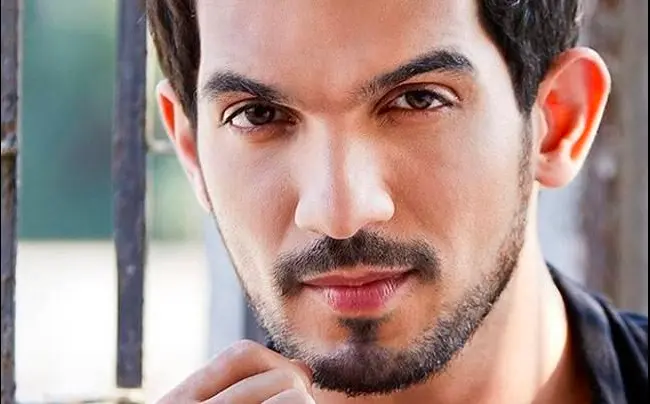
The “French beard” as it’s commonly known in India is actually closer to a tight chin strap or corporate beard style — thin, close to the jawline, and popular for its clean, professional look. It’s one of the most searched Indian beard styles for a reason: it photographs well and needs a trim only every 4-5 days.
3. Corporate Beard
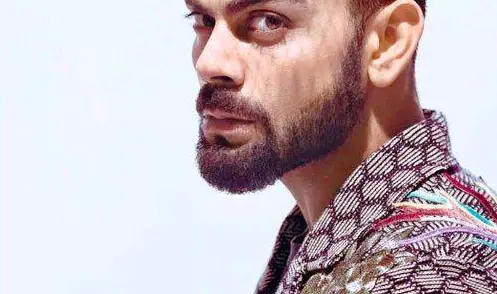
A short, tightly edged beard designed for office environments. The corporate beard keeps length under 15mm and relies on sharp lines rather than volume. Works especially well for men in client-facing roles who still want facial hair.
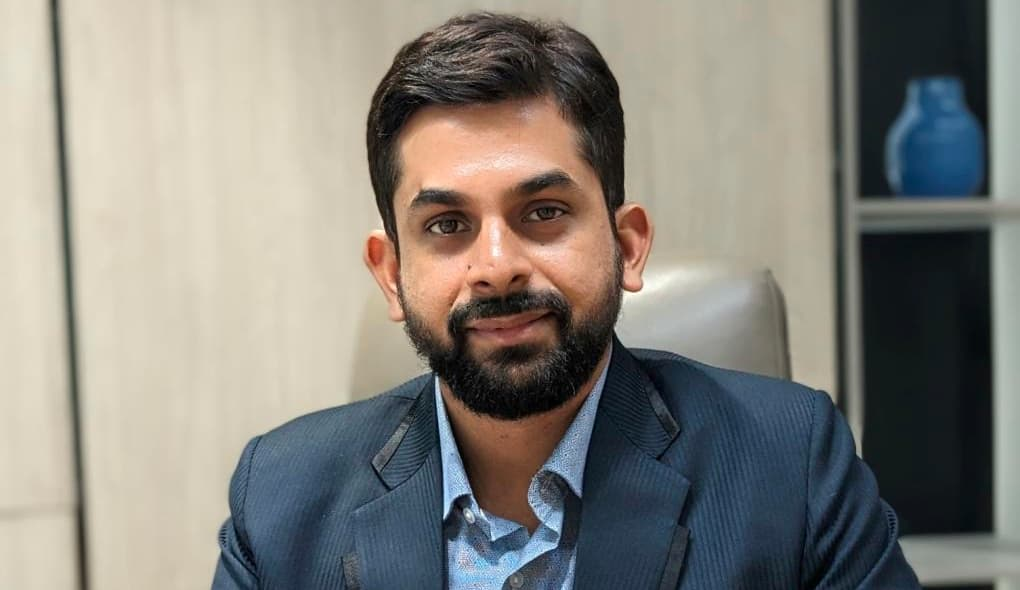
4. Circle Beard
A goatee connected to a mustache in a rounded shape. The circle beard is a strong choice if your beard grows patchy on the cheeks but fills in well around the chin and upper lip.
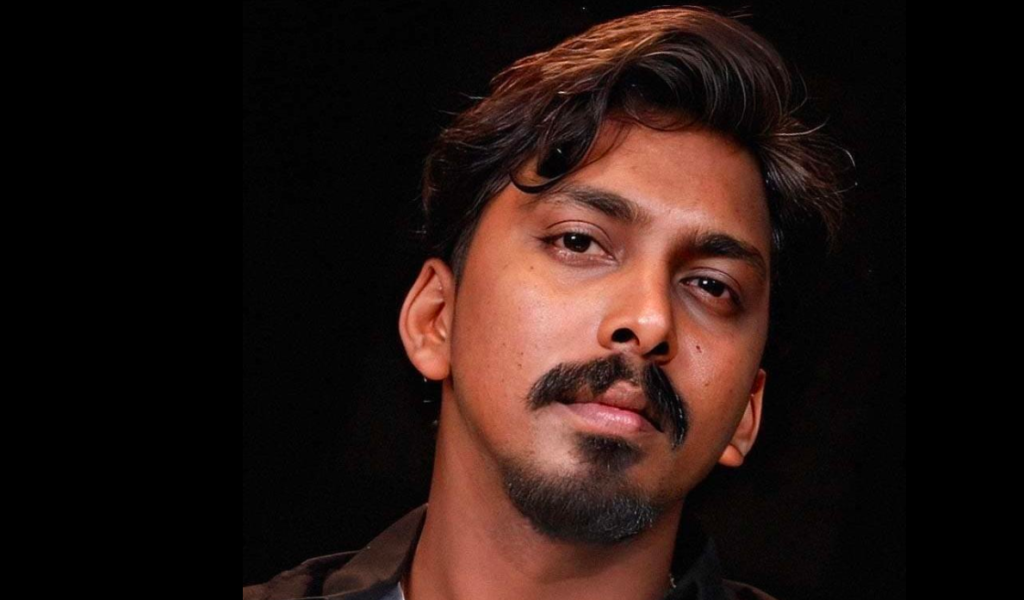
5. Van Dyke Beard
A more defined, pointed version of the circle beard with a distinctly separated mustache. The Van Dyke beard adds visual length to rounder faces and works well once you’re comfortable with a trimmer.
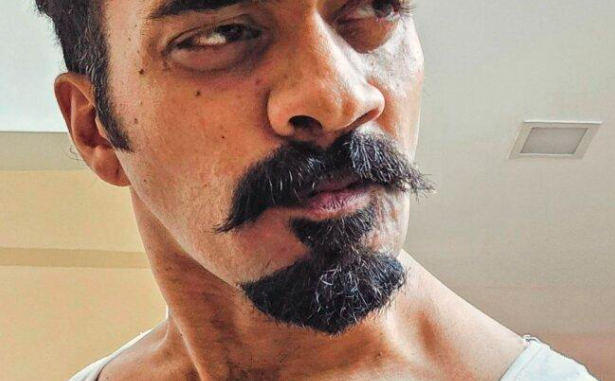
6. Goatee
A classic that never really goes out of style in India. Goatee styles range from a small chin puff to a fuller anchor shape, and they’re forgiving for men still figuring out their patch pattern.
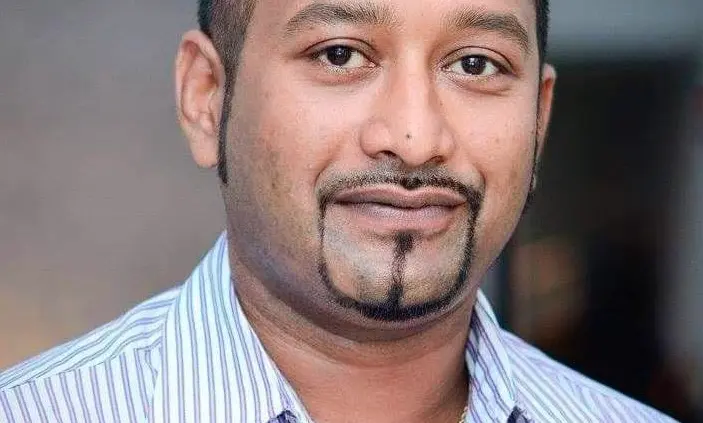
7. Balbo Beard
A mustache paired with a floating chin beard, no sideburn connection. The Balbo beard is a good middle ground between a goatee and a full beard, and it suits longer face shapes particularly well.
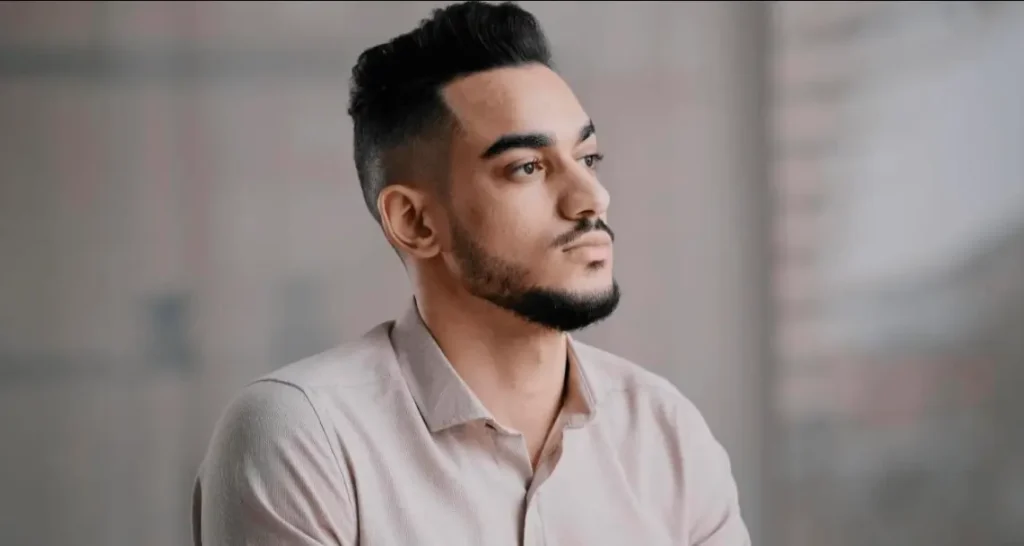
8. Ducktail Beard
A full beard tapered to a point at the chin. The ducktail beard works best with the denser growth common among Indian men, since the taper needs enough hair to shape properly.
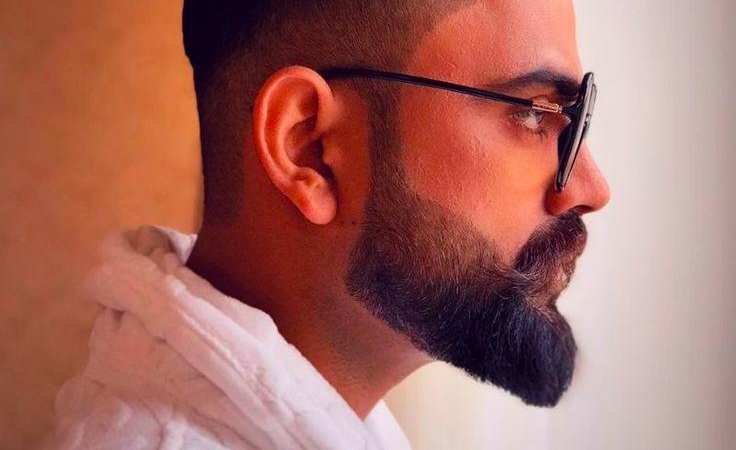
9. Medium Length Full Beard
For men who want visible density without going full lumberjack. Medium beard styles sit between 2-4 cm and give you room to experiment with cheek line and neckline shaping.
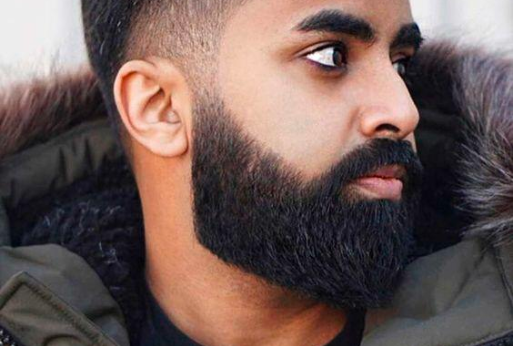
10. Garibaldi Beard
A rounded, fuller beard with texture rather than a sharp taper. The Garibaldi beard suits Indian hair density well because coarser strands hold the rounded shape without needing constant product.
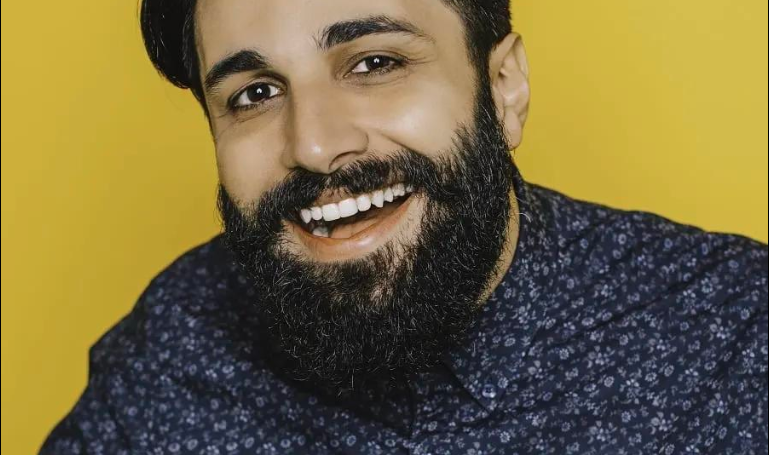
11. Bandholz Beard
A longer, fuller, all-natural beard style with minimal shaping beyond a clean neckline and cheek line. The Bandholz beard takes commitment — usually 4 to 6 months of growth — but Indian growth speed makes the wait shorter than average.
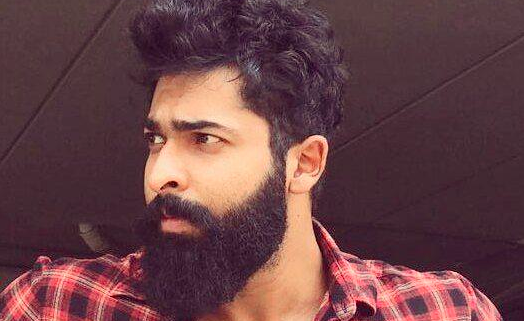
12. Anchor Beard
A pointed chin beard connected to a thin jawline outline, paired with a mustache. The anchor beard gives structure to rounder faces and looks sharp for formal occasions like weddings.
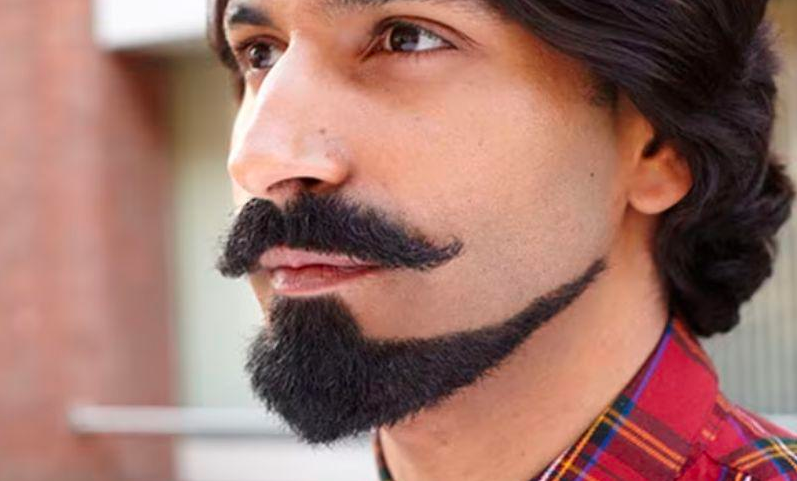
13. Extended Goatee
A goatee that extends along the jawline without covering the full cheek. The extended goatee is a popular pick for college-age men who want more than a stubble but aren’t ready for a full beard.
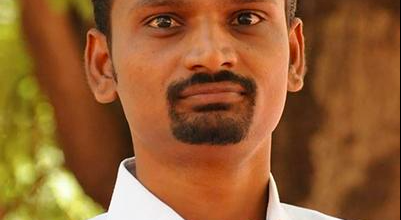
14. Beard Without Mustache
Not traditional in most Indian communities but growing in popularity among younger men experimenting with Western trends. See our guide on beard without mustache styles if this interests you.
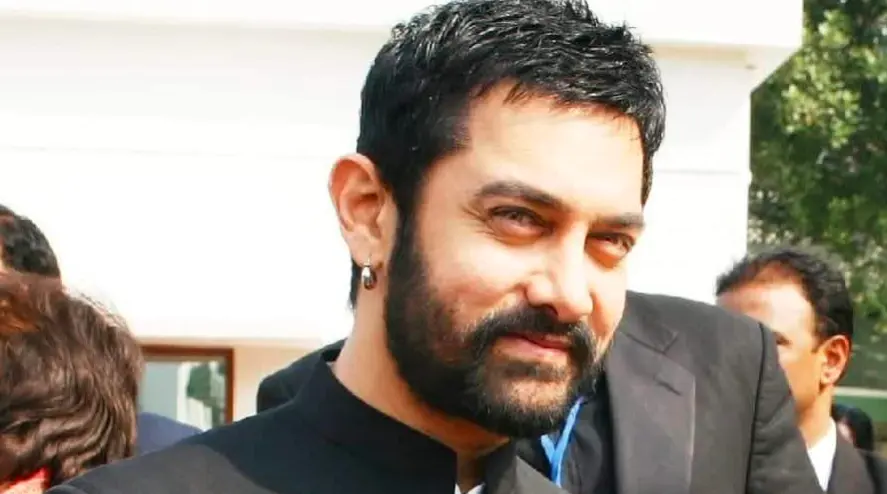
15. Salt and Pepper Beard
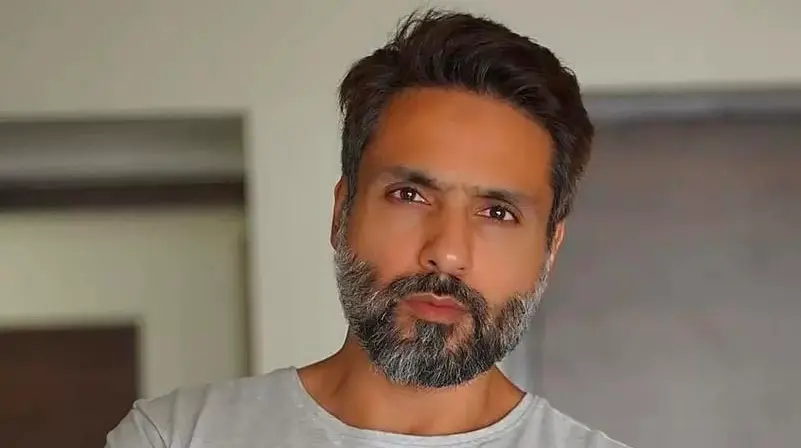
For men in their late 30s and beyond, greying hair doesn’t need to be dyed or disguised. A well-maintained salt and pepper beard reads as distinguished rather than aged, especially when kept at a shorter, cleaner length.
Beard Styles by Age Group
Age changes what actually suits you, both in terms of what your face can grow and what looks appropriate for your stage of life.
- Teenagers (16-19): Growth is often patchy at this stage. Lighter styles like a beardstache or light stubble work better than attempting a full beard too early. Our beard styles for teenagers guide covers this in more depth.
- 20s: Growth typically fills in enough for goatees, French beards, and medium lengths.
- 30s-40s: Denser, more even growth supports fuller styles like the Garibaldi or Bandholz. Check our beard styles for men over 40 guide for styling that suits changing hairlines and face structure.
- 50s and beyond: Shorter, well-groomed styles tend to look sharper than longer ones. See beard styles for men over 50 for options that work with greying or thinning patterns.
Climate and Maintenance: What Indian Weather Does to Your Beard
This is the part most global grooming guides skip entirely, and it matters more than people expect.
Humidity and sweat. In coastal cities and during monsoon months, sweat and humidity build up at the roots faster than in drier climates. Longer beards trap this moisture, which can lead to itchiness, odor, or breakouts along the jawline if you’re not washing regularly. A beard wash 2-3 times a week with a mild, sulphate-free cleanser keeps this in check.
Dust and pollution. Urban Indian air carries more particulate matter than many Western cities, and beard hair acts like a filter — which means it collects grime throughout the day. Rinsing with plain water each evening, even without shampoo, removes most of this buildup.
Dry winter regions. In North India, winter air dries out facial skin and hair fast. A lightweight beard oil with jojoba or argan base helps prevent flaking and the wiry, brittle texture that shows up around December and January.
Sun exposure. Longer hours of direct sun, especially in summer, can dry out beard hair and fade its natural colour slightly over the years. Beard balm with a light SPF component, or simply a beard oil applied in the morning, helps offset this.
Common Mistakes Indian Men Make With Beards
- Skipping the neckline. A beard without a defined beard neckline looks unfinished no matter how good the growth is.
- Ignoring the cheek line. An undefined beard cheek line blurs the whole shape, especially on styles like the corporate beard or French beard.
- Copying a style without checking face shape. A ducktail beard that looks sharp on a long face can look heavy and unbalanced on a round one.
- Using hair shampoo on the beard. Regular shampoo strips natural oils faster than beard-specific cleansers, leaving hair dry and rough.
- Not trimming during the growing-out phase. Beards need shape maintenance even while growing longer, or the ends split unevenly and the outline disappears.
- Waiting too long between visits to a barber. Especially for structured styles like the corporate beard or Van Dyke, a 2-week gap without touch-ups is usually the limit before the shape starts looking unintentional.
How to Grow and Maintain These Styles
- Let it grow for at least 4 weeks before deciding on a final shape. Patchy patterns often fill in by week 3 or 4.
- Wash 2-3 times weekly with a beard-specific cleanser, not regular shampoo.
- Apply beard oil daily, focusing on the skin underneath, not just the visible hair.
- Comb or brush daily to train hair growth direction and prevent tangling, especially important for coarser Indian hair textures.
- Define your neckline and cheek line once you have 3-4 weeks of growth — not before, or you’ll cut into areas that haven’t filled in yet.
- Trim every 2-3 weeks to maintain shape, more frequently for short styles like stubble or the corporate beard.
- Visit a barber every 3-4 weeks for structured styles that need precise lines.
For a full walkthrough on shaping tools and technique, see our guide on how to trim a beard.
Myths About Indian Facial Hair
“Indian men can’t grow full beards.” Not true for most. Genetics vary widely by region and family, but the vast majority of Indian men can grow a reasonably full beard by their mid-to-late 20s if patchiness is present earlier.
“Shaving makes hair grow back thicker.” This has been disproven repeatedly. Shaving doesn’t change the thickness, colour, or growth rate of hair — it only removes the tapered tip, which can make regrowth feel coarser to the touch temporarily.
“Oil alone fixes patchy spots.” Beard oil improves the health and shine of existing hair. It doesn’t stimulate new follicles or fill in genuinely bald patches. If patchiness persists well into your late 20s, a dermatologist consultation is more useful than another oil brand.
“Longer is always better.” Length that doesn’t match your face shape or maintenance routine tends to look worse, not better. A well-kept stubble beats a neglected full beard almost every time.
For evidence-based guidance on facial hair growth and skin health, the American Academy of Dermatology is a reliable reference point if patchiness, irritation, or skin issues persist.
Final Word
Beard styles for Indian men work best when they’re chosen around three things: your actual face shape, how your hair grows, and the climate you live in — not just whatever look is trending online this month. Start with an honest look at your face shape and growth pattern, pick from the list above, and give it at least a month before judging the result. If you want more specific direction, browse our guides on short beard styles, long beard styles, or the full breakdown of types of beard styles to narrow things down further.
FAQs
1. What is the best beard style for Indian men? There’s no single best style — stubble and the French beard (chin strap) are the most versatile choices, suiting most face shapes and requiring low maintenance in Indian climate conditions.
2. Which beard suits a round face for Indian men? Styles that add length and angles, like the Van Dyke beard or a tapered French beard, work best on round faces by creating visual definition at the chin.
3. Why does my beard grow patchy in some areas? Patchy growth is usually genetic and age-related. It often fills in naturally by the mid-20s. If it persists longer, a dermatologist can check for underlying causes.
4. How long does it take to grow a full beard in India? Most Indian men see noticeable full coverage within 4 to 8 weeks, which is faster than the global average due to generally higher hair density.
5. Does humidity in India affect beard growth? Humidity doesn’t affect growth rate directly, but it does increase sweat and oil buildup at the roots, which means more frequent washing is needed to avoid irritation.
6. What is a French beard, and is it different from a goatee? A French beard, as commonly used in India, refers to a thin chin strap style close to the jawline. A goatee is chin-focused with less jawline coverage, giving it a rounder, more contained shape.
7. Can teenagers grow a full beard? Most teenagers experience uneven, patchy growth until their late teens or early 20s. Lighter styles like light stubble work better than attempting a full beard too early.
8. How often should I trim my beard? Every 2-3 weeks for most styles, and every 1-2 weeks for short, structured styles like the corporate beard or stubble.
9. What products does an Indian beard actually need? A sulphate-free beard wash, a lightweight oil or balm, and a wide-tooth comb cover most needs. Heavy, thick balms can feel greasy in humid weather.
10. Is beard oil necessary, or is it just marketing? Beard oil moisturises the skin underneath the beard and softens hair texture. It’s genuinely useful, especially in dry winter months or after washing, though it won’t fix growth issues.
11. What beard style works best for office jobs in India? The corporate beard or a neatly trimmed French beard are the most widely accepted styles in Indian corporate environments, since both stay short and well-defined.
12. Do Indian men need a different beard care routine than Western men? Yes, largely because of climate. Higher humidity and dust levels mean more frequent washing and lighter product textures work better than routines designed for drier, cooler climates.
13. What’s the difference between a Balbo beard and a goatee? A Balbo beard includes a floating chin beard paired with a separate mustache, with no connection to the sideburns. A goatee is typically smaller and more compact around the chin and upper lip.
14. Can a square-faced Indian man wear a full beard? Yes, but rounder, softer shapes like a circle beard or gently rounded stubble work better than sharply angled styles, which can make a square jaw look heavier.
15. Should I visit a barber or trim my beard at home? Home trimming works fine for maintenance between visits, but structured styles with precise lines — like the Van Dyke or corporate beard — benefit from a barber’s touch every 3-4 weeks.